If you want a good natural blue for food, pick Gardenia Blue. This color is special because the FDA says it is safe. It stays strong when heated, in light, and with different pH levels. You want your products to look nice and be safe. Phycocyanin is popular and made $175.4 million in 2023. But it is not as useful as Gardenia Blue. Choosing the right blue is important for food quality and trust.
Key Takeaways
Pick Gardenia Blue because it stays bright in heat and light. It works well in baked goods and drinks.
Gardenia Blue is approved by the FDA. It is safe for many foods. This helps keep quality high and builds trust with buyers.
Phycocyanin is good for health. People like it in health foods. But it does not stay stable in heat or acid.
Think about how long your color will last. Gardenia Blue stays fresh longer in products. Phycocyanin may need special storage.
Look at what your product needs. Gardenia Blue saves money and can be used in many ways. Phycocyanin gives special health benefits.
Gardenia Blue vs. Phycocyanin Overview
Natural Sources
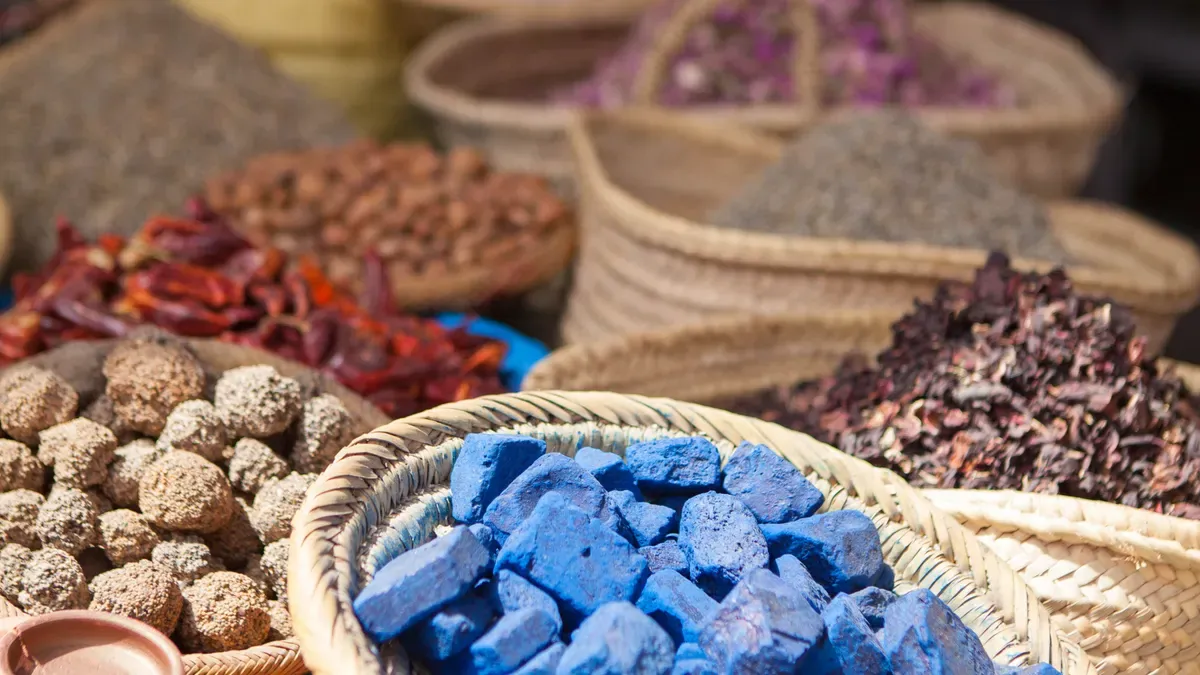
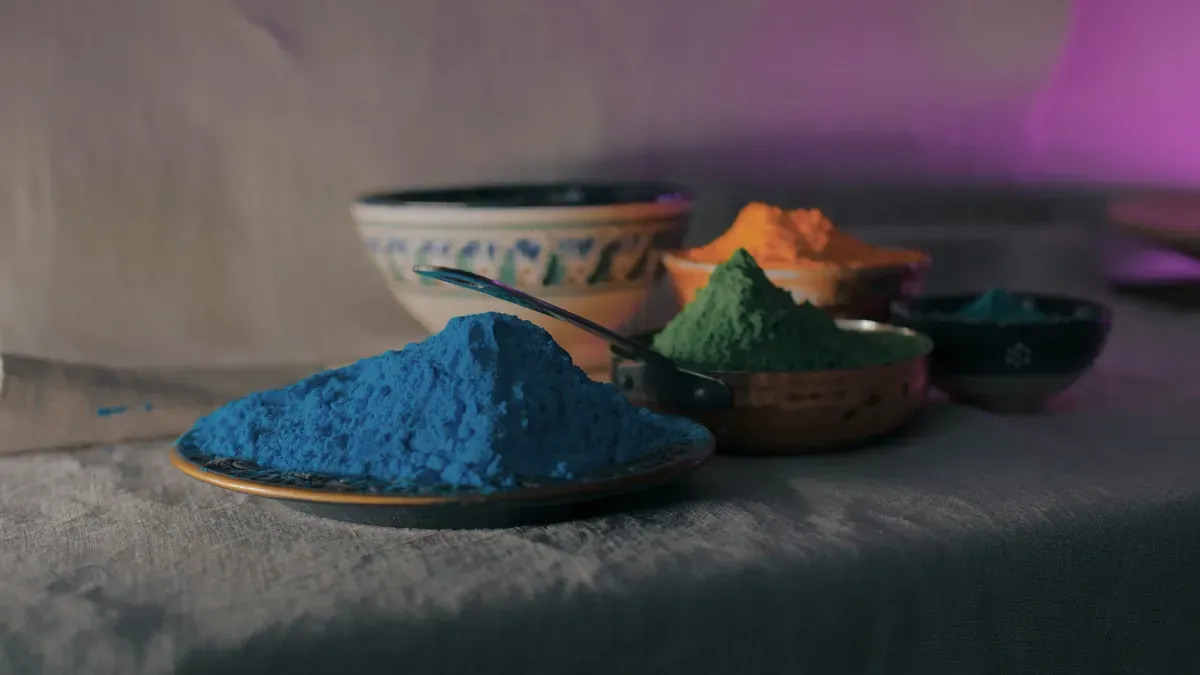
Natural blue colors come from plants and algae. Here are the main sources for each color:
Gardenia Blue is from the fruit of Gardenia jasminoides.
Blue pigments also come from iridoid compounds in genipap (Genipa americana).
Phycocyanin is made from the microalga Spirulina platensis.
These sources let you pick between plant-based and algae-based blue colors for your food.
Extraction Methods
To get Gardenia Blue, you take the pigment from the gardenia fruit. Water or alcohol helps pull out the color. After that, you filter and clean the pigment to make it safe for food.
For phycocyanin, you start with spirulina powder. Water breaks open the cells and releases the blue protein. Then, you filter and dry the extract. This keeps the color strong but can make it less stable in some foods.
Tip: If you want a blue color that stays bright in many foods, choose a pigment with an easy extraction process and high purity.
Chemical Structure
The chemical structure of each pigment changes how it works in food. You can see the main differences in the table below:
Feature | Gardenia Blue | Phycocyanin/Spirulina Extract |
|---|---|---|
Source | Comes from Gardenia Fruit (Genipin) | Comes from Spirulina |
Stability | Stays stable across pH 3.0-8.0 | Only stable between pH 4.5-8.0 |
Heat Resistance | Keeps color up to 80 °C | Loses color above 60 °C |
This table shows Gardenia Blue is more stable and heat resistant. You can use it in more foods without losing color.
Color Stability and Performance
Heat and Light Resistance
You want your food to look bright and appealing. Heat and light can change the color of natural blue pigments. Gardenia Blue stands out because it keeps its color even when you heat it up to 80°C. This means you can use it in baked goods, candies, or drinks that need pasteurization. Phycocyanin, which comes from spirulina, does not handle heat as well. It starts to lose its blue color above 60°C. If you leave foods with phycocyanin in sunlight or under store lights, the color can fade quickly.
Note: If you need a blue color for products that face high temperatures or strong light, Gardenia Blue gives you better results.
pH Stability
The pH level in food can change how a color looks. Some foods are acidic, like sodas or fruit-flavored snacks. Others are more neutral, like milk or bread. Gardenia Blue stays stable in a wide pH range, from 3.0 to 8.0. You can use it in both sour and neutral foods without worrying about color loss. Phycocyanin only works well between pH 4.5 and 8.0. If you add it to acidic foods, the blue color fades or turns green.
Here is a quick comparison:
Pigment | pH Range for Stability | Color Change in Acidic Foods |
|---|---|---|
Gardenia Blue | 3.0 – 8.0 | Stays blue |
Phycocyanin | 4.5 – 8.0 | Fades or turns green |
Shelf Life in Foods
You want your food to look good for as long as possible. Shelf life matters for both manufacturers and shoppers. Gardenia Blue keeps its color for months in most foods, even when stored at room temperature. It does not break down easily. Phycocyanin has a shorter shelf life. It can lose color after a few weeks, especially if the food is not kept cold or if the packaging lets in light.
If you make products that sit on shelves for a long time, Gardenia Blue helps your food keep its bright blue color.
If you use phycocyanin, you may need special packaging or refrigeration to protect the color.
Tip: Always check how long your chosen blue pigment will last in your product. This helps you avoid surprises and keeps your customers happy.
Regulatory Status and Safety
FDA Approval for Gardenia Blue
It is important to know if a color is safe. The FDA says Gardenia Blue is safe for food. You can use it in many foods and drinks. The table below shows where you can use Gardenia Blue in the U.S.:
Food Category | Approval Status | Date |
|---|---|---|
Sports Drinks | Approved | July 2025 |
Flavored or Enhanced Non-Carbonated Water | Approved | July 2025 |
Fruit Drinks | Approved | July 2025 |
Ready-to-Drink Teas | Approved | July 2025 |
Hard and Soft Candy | Approved | July 2025 |
This means Gardenia Blue is a good choice for many foods.
Global Regulatory Landscape
Rules for blue colors are not the same everywhere. In the U.S., the FDA has clear rules for Gardenia Blue. In Europe and Asia, the rules can be different. Some places let you use both Gardenia Blue and phycocyanin. Other places only let you use one. You should always check the rules in your country. This helps you follow the law and keep food safe.
Safety and Allergen Concerns
You want your food to be safe for everyone. Both Gardenia Blue and phycocyanin have passed safety tests. Studies show people can eat these colors without problems. For example:
A 90-day study showed no harm from blue pigments, even at high amounts.
The Ames test found no gene changes from either pigment.
Pepsin digestion tests show phycocyanin breaks down fast in the stomach, so allergies are not likely.
Only one rare allergy case from phycocyanin has been found.
You can trust these blue colors in your food. They are safe for most people and do not cause common allergies.
Application in Food Categories
Beverages
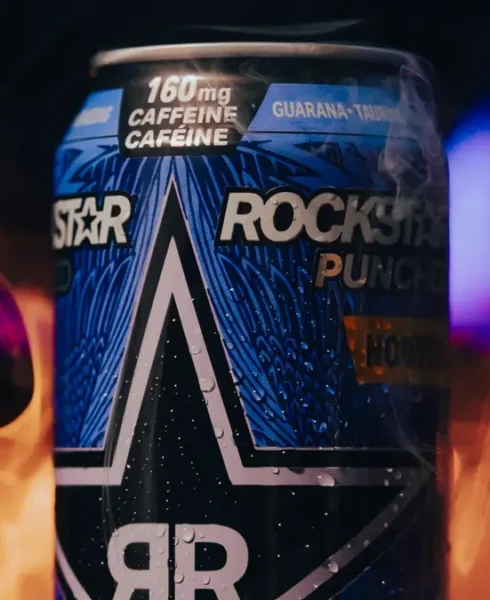
Blue colors are used in drinks like soda and energy drinks. Gardenia Blue works well in these drinks. It stays strong in acid and light. You can use it in citrus drinks. The color does not fade. It also keeps its color in fizzy and alcoholic drinks. Phycocyanin comes from spirulina. It gives a bright blue shade. But it does not handle heat or acid well. If you use phycocyanin in drinks, the color may fade. It can change in sour or pasteurized drinks.
Tip: Gardenia Blue is a good choice if you want blue color to last in many drinks.
Confectionery
Natural blue colors make candies look fun. Phycocyanin gives gummies and hard candies a bright blue. It does not change how candies taste or feel. Many people like phycocyanin because it acts as an antioxidant. This adds health benefits. But it is sensitive to heat and pH changes. Gardenia Blue resists pH changes and light. It works well in candies that need to stay bright on shelves.
Feature | Gardenia Blue | Phycocyanin |
|---|---|---|
Heat Stability | High | Low |
pH Stability | High | Low |
Visual Appeal | Bright blue | Vibrant blue |
Dairy Products
Blue colors can be used in yogurt and ice cream. Phycocyanin is popular because it is natural. It fits clean-label trends. You must store it in the dark. Keep it below 45°C and at pH 5.5–6. Without stabilizers, phycocyanin does not last in dairy. It breaks down in acid and light. Gardenia Blue is more stable in dairy foods. You can use it in more dairy products.
Note: Check storage and processing needs before picking a blue color for dairy.
Baked Goods
You can add blue to cakes and cookies. Gardenia Blue keeps its color during baking. It resists heat and light. Your baked goods stay blue after cooking. Phycocyanin loses color with high heat. Gardenia Blue is more reliable for baked foods.
Practical Considerations
Cost and Supply Chain
You need to think about price and supply when picking a blue color. Gardenia Blue costs less and is easy to find in many places. Phycocyanin costs more because spirulina needs special steps to grow and extract. The table below shows how prices change with purity and grade:
Purity Grade | Color Value | Food-Grade Price (FOB China) | Analytical-Grade Price (FOB China) |
|---|---|---|---|
Entry Food Grade | 1,000–1,500 | $50–70/kg | $150–250/kg |
Standard Food Grade | 1,500–2,000 | $70–100/kg | $250–350/kg |
Premium Food Grade | 2,000–3,000 | $100–150/kg | $350–500/kg |
Check if your supplier grows and extracts the pigment themselves. Outdoor farming can change how much phycocyanin you get each year. This can make supply less steady.
Tip: If you want steady supply and lower price, Gardenia Blue is a smart pick.
Consumer Appeal
People want food that looks nice and feels safe. Many like plant-based colors. Both Gardenia Blue and phycocyanin fit clean-label trends. Phycocyanin is popular in health foods because it comes from spirulina and may have extra health perks. Gardenia Blue stands out for its bright color and low cost. You can use it in many foods without making them expensive.
Gardenia Blue helps with clean-label goals.
Phycocyanin adds value for brands focused on health.
Ease of Use in Manufacturing
You want a color that is easy to use in your factory. Gardenia Blue works well in many foods because it stays stable in heat and acid. You do not need special tools or steps. Phycocyanin can be harder to use. It breaks down in heat and acid. It can also change the taste of your food if you use too much. Sometimes, the quality of phycocyanin changes from batch to batch. This can make it hard to keep your product the same every time.
Challenge Type | Description |
|---|---|
Phycocyanin loses color in heat and acid. | |
Sensory Interference | Spirulina can add unwanted flavors at high levels. |
Standardization Issues | Quality can change, making it hard to keep products consistent. |
Note: If you want fewer problems in production, Gardenia Blue gives you more control and fewer surprises.
Summary and Recommendations
Comparative Table
Here is a quick side-by-side look at the two natural blue colorants. This table helps you see which one fits your needs best:
Feature | Gardenia Blue | Phycocyanin |
|---|---|---|
Source | Gardenia fruit | Spirulina (blue-green algae) |
Heat Stability | High (up to 80°C) | Low (fades above 60°C) |
pH Range | 3.0 – 8.0 | 4.5 – 8.0 |
Shelf Life | Long, stable | Shorter, needs protection |
Regulatory Approval | FDA, global | FDA, EU, global |
Main Food Uses | Beverages, baked goods, candy | Dairy, candy, ice cream |
Cost | Lower | Higher |
Allergen Risk | Very low | Very low |
Use this table to match the right blue color to your product.
Best Uses for Gardenia Blue
You can use Gardenia Blue in many industries and products. Here are the top ways to get the best results:
Store it in a cool, dry place away from light to keep the color strong.
Test how much you need for your drink or snack to get the blue you want.
Check each batch for color and quality before you use it.
You will find Gardenia Blue in drinks, cakes, pastries, and snacks. It also works in cosmetics like eye shadow and bath products. Some drug makers use it to color pills and syrups.
If you want a stable, bright blue for foods or drinks that face heat or acid, choose Gardenia Blue.
Best Uses for Phycocyanin
Phycocyanin comes from spirulina and gives a bright blue color. You can use it in many foods:
Add it to chewing gum, candy, and milk products for a natural blue.
Use it in ice cream and yogurt to make them look fun and fresh.
Mix it with other colors in juice drinks for new shades.
Phycocyanin is safe and non-toxic. Many countries use it in food and cosmetics. It is popular in health foods and superfoods because it comes from algae.
Choose phycocyanin if you want a natural blue for cold foods or products that highlight health benefits.
You want your food to look bright and stay safe. Gardenia Blue stands out because it keeps its color during heat and storage. It works in many foods, from drinks to baked goods. You can trust it for stable results and easy approval. Phycocyanin gives health benefits and clean-label appeal, but it fades in heat and acid. If you need a blue color for products that face tough conditions, choose Gardenia Blue. If you want to highlight health and natural ingredients, phycocyanin fits best.
Gardenia Blue stays vibrant in processing and storage.
Phycocyanin offers health perks and helps brands stand out.
Pick the color that matches your product’s needs and your customer’s preferences.
FAQ
What foods work best with Gardenia Blue?
You can use Gardenia Blue in drinks, baked goods, and candy. It stays bright in foods that need heat or have acid. You get a stable blue color in many products.
Is phycocyanin safe for people with allergies?
Most people can eat phycocyanin safely. Studies show it does not cause common allergies. Only one rare allergy case has been reported. You should always check with your doctor if you have concerns.
Does Gardenia Blue change the taste of food?
Gardenia Blue does not add strong flavors to your food. You will not notice a taste difference in most recipes. It lets you keep the original flavor of your product.
How do you store phycocyanin to keep its color?
You should keep phycocyanin in a cool, dark place. Use airtight packaging. Avoid heat and light. This helps the blue color last longer in your foods.