You might wonder what is malt extract. This ingredient comes from malted barley and delivers a sweet, malty flavor high in maltose. Malt extract plays a key role in brewing, where it brings rich flavor and helps fermentation. In baking, you can use malt extract to boost yeast activity and shorten baking time. Malt also improves the color and aroma of bread and pastries.
Many bakers rely on malt for smoother dough and a pleasant malty taste in biscuits and crackers.
Key Takeaways
Malt extract is a sweetener that comes from malted barley. It gives food a strong taste and important nutrients.
You can use malt extract in baking. It helps yeast work better. It makes bread and pastries softer. It also helps them get a golden crust.
You can pick liquid or dried malt extract. Liquid is simple for beginners. Dried lasts longer and is easy to measure.
Malt extract works in many foods. You can use it in sweet or savory dishes. It makes flavors deeper and more interesting.
Keep malt extract in a cool, dry place. This helps it stay fresh and good for baking or brewing.
What Is Malt Extract

Definition and Key Features
Malt extract is made from malted barley. The grains sprout and then dry. This makes them sweet and gives a strong malty taste. You can buy malt extract as syrup or powder. Both types make food darker and smell nice.
Malt extract has special nutrients and sugars. Here are some things that make it different from other sweeteners:
Has amino acids that help your body make proteins
Full of vitamins and minerals, especially B vitamins like thiamine, riboflavin, niacin, and folic acid
Has lots of maltose, which is a kind of sugar
Has little fat and no trans fats
Has natural antioxidants like polyphenols
You can use malt extract to make recipes healthier. It feeds yeast, so bread rises better. It also helps baked goods turn golden brown.
Malt extract has mostly maltose. Maltose is made of two glucose molecules. Table sugar and corn syrup have more fructose than malt extract. Malt extract has less than 1% fructose. This makes it a better choice for many people. Your body turns maltose into glucose. Glucose gives energy to your brain and muscles. Malt extract has more nutrients and antioxidants than regular sugar, so it is healthier.
Tip: Try malt extract if you want sweet food with more nutrition than regular sugar.
How Malt Extract Differs from Whole Barley
You may wonder how malt extract is different from whole barley. Both come from barley, but they are not the same. The table below shows the main differences:
Component | Malt Extract | Whole Barley |
|---|---|---|
Sugars | Has sugars, mostly maltose | Has less sugar |
Proteins | Has proteins and amino acids | Protein amount varies |
Fiber | Has soluble fiber | Has more fiber |
Vitamins | B2, B3, B6 | Lower vitamin levels |
Minerals | Iron, calcium, potassium, magnesium, manganese | More minerals |
Malt extract has more sugar and less fiber than whole barley. It gives quick energy and adds flavor to food. Whole barley has more fiber, which helps digestion.
Malt extract comes from barley that is soaked, sprouted, and dried. This changes the grain and makes nutrients easier to use. Malt extract adds sweetness, color, and nutrition to food. Whole barley is good for texture and fiber.
If you want to know what malt extract is, remember it is a strong form of barley’s best parts. It brings out the sweet taste and nutrition, so bakers and brewers like it.
Types of Malt Extract
You can find different types of malt extract for many uses in your kitchen or brewery. Each type has its own texture, flavor, and best way to store it. Knowing these differences helps you choose the right one for your needs.
Liquid Malt Extract
Liquid malt extract comes as a thick, sticky syrup. You will notice its rich, sweet aroma when you open the container. This type is easy to use, especially if you are new to brewing or baking. You can pour it straight into your recipe without much measuring. Liquid malt extract usually has a moisture content of about 20%. You should store it in a cool, dark place to keep it fresh and prevent off-flavors. It works best if you use it within six months.
Aspect | Liquid Malt Extract (LME) | Dried Malt Extract (DME) |
|---|---|---|
Texture | Sticky and viscous | Powdered and easy to measure |
Usage | Convenient for beginners | Requires precise measurement |
Storage | Best used within 6 months | Can last up to 2 years |
Tip: Liquid malt extract is ready-to-use, so you can save time during quick brewing sessions.
Dried Malt Extract
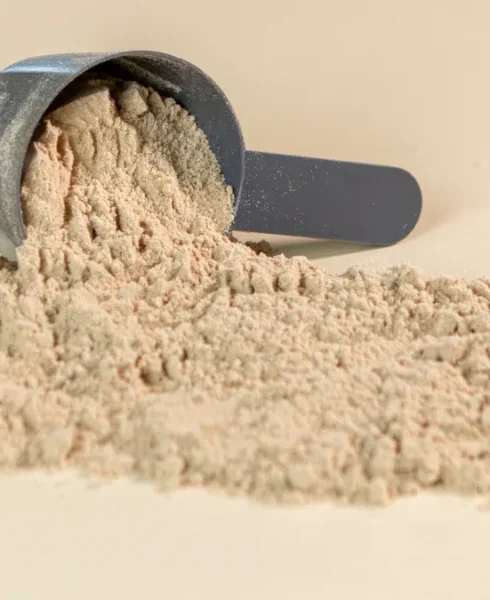
Dried malt extract, also called dry malt extract, comes as a fine powder. You can measure it easily and mix it into recipes for consistent results. Dried malt extract has a very low moisture content, usually between 1-2%. This makes it less likely to spoil and lets you store it for up to two years. You should keep it in a sealed container away from moisture. Dried malt extract is popular with experienced brewers who want precise control over their recipes.
Dried malt extract is easy to store and lasts longer than liquid malt extract.
You can use dried malt extract for baking, brewing, or even making energy bars.
Barley Malt Syrup and Specialty Types
Barley malt syrup is an unrefined sweetener made from sprouted, roasted, and dried barley grains. It keeps a strong malty flavor and has a thick texture like molasses. Barley malt syrup is less sweet than regular sugar, so you can use it when you want a deep, rich taste without too much sweetness. Some malt extracts use other grains or go through more processing, but barley malt syrup stays close to its natural form.
You can also find specialty types of malt extract for different recipes:
Extra light or Pilsner: Best for light lagers and golden ales.
Pale or gold: Good for pale ales and IPAs.
Amber: Adds color and flavor to amber ales.
Dark: Perfect for porters and stouts.
Wheat: Used for wheat beers like Hefeweizen.
Maris Otter: Brings a nutty taste to British ales.
Munich: Adds a classic German malt flavor.
Rye: Gives a spicy kick to rye ales.
Rauch: Offers a smoky flavor for smoked beers.
Sorghum: A gluten-free choice for special diets.
You can try different types of malt extract to match your favorite style or recipe.
Malt Extract Production
Malting and Mashing
You start making malt extract with malted grains, usually malted barley. The process changes the grains so you can get the most sugar and nutrients. Here are the main steps you follow:
Milling: You grind the malted grains to break them into smaller pieces. This helps water reach the starch inside.
Mashing: You mix the ground malt with warm water. The heat activates enzymes that break down starch into sugars.
Separation: You separate the sweet liquid, called wort, from the leftover grain. This liquid holds the sugars you need.
Boiling/Whirlpool: You boil the wort to kill germs and help proteins clump together.
Whirlpool Tanks and Trub Removal: You spin the wort to remove unwanted solids and make it clear.
During mashing, you want to get as much maltose as possible. The temperature you use is important. At 62°C, the enzymes work best and make more maltose. The table below shows how this works:
Step | Explanation |
|---|---|
Starch gelatinization at 62°C | Enzymes break down starch and make more maltose. |
Short-chain amylose | Easier for enzymes to turn into sugar. |
Higher gelatinization temperature | Less maltose forms because enzymes do not work as well. |
You get a sweet, malty liquid from these steps. This liquid is the base for all malt extract.
Concentration and Drying
After you get the wort, you need to make it thicker. You use vacuum evaporation to remove water. This keeps the flavor and color strong. Some companies use special malts to add more taste or color. You can use the thick liquid as is, or you can dry it into a powder.
Spray drying turns the liquid into a fine powder. This makes it easy to store and use. The drying process keeps most of the nutrients in the malt. Sugars like fructooligosaccharides help protect vitamins and minerals during drying. This means you get a malt extract that is rich in nutrients and flavor.
You use malt extract as a sweetener, a flavor booster, or a fermentable ingredient. The process keeps the best parts of malted grains, so you get a product that is both tasty and healthy.
Why Malt Extract Is Used
Flavor and Sweetness
Malt extract makes food taste sweeter and richer. It gives a strong flavor in baking and brewing. Some special compounds in malt make food taste better:
Amyl alcohols, like 3-methyl-butanol and 2-methyl-butanol, give fruity smells and a light ‘alcohol’ scent.
2-Phenylethanol adds a rose or flower smell.
Esters, such as ethyl acetate and isoamyl acetate, bring fruity and sweet flavors.
When you bake with malt, the sweetness is deeper and more toasted than regular sugar. Malt extract is a natural sweetener. You can use it to add flavor without fake ingredients.
Texture and Color
Malt changes how baked goods look and feel. It makes bread softer and gives a golden crust. The sugars in malt caramelize when you bake. This makes bread and pastries golden and smell good.
Malt extract makes baked goods sweeter and more toasted.
Caramelized sugars give bread a golden crust that looks fresh.
The golden color from malt shows quality and freshness to people.
Nutritional Value
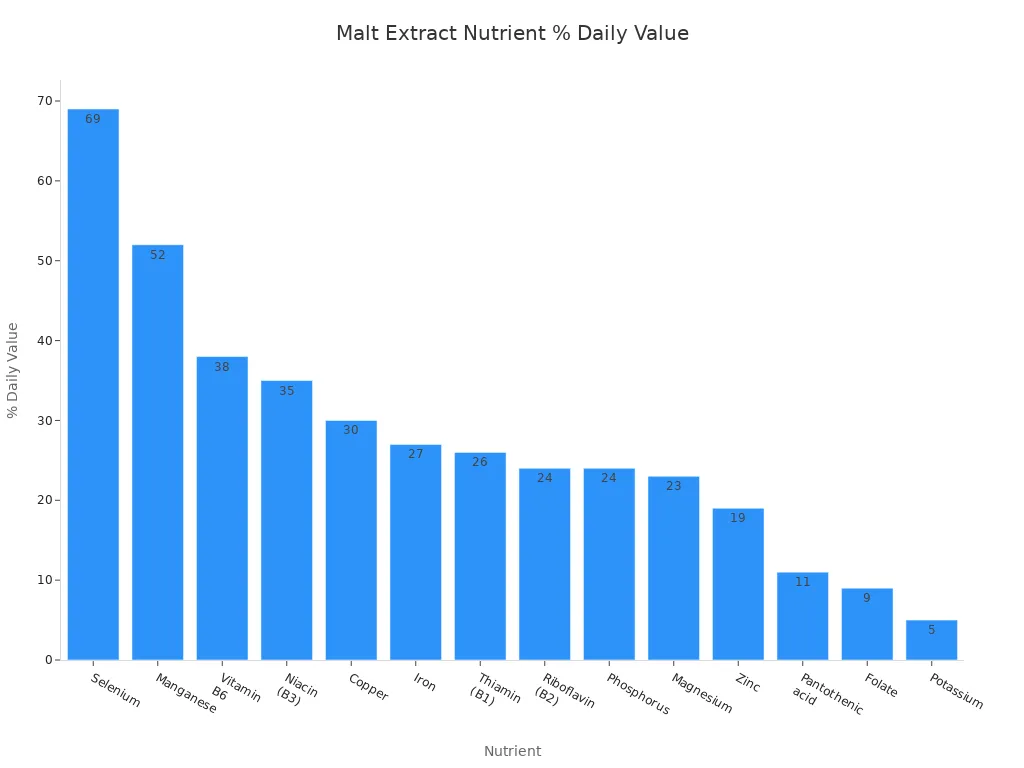
Malt extract does more than taste good. It adds nutrients to your food. You get B vitamins, magnesium, and antioxidants. These help your body use energy and stay healthy. Some brands add vitamin B12 and iron. These help your nerves and blood cells.
Nutrient | Quantity | % Daily Value (DV) |
|---|---|---|
Selenium | 37.7 mcg | 69% |
Manganese | 1.19 mg | 52% |
Vitamin B6 | 0.655 mg | 38% |
Niacin (B3) | 5.64 mg | 35% |
Copper | 0.27 mg | 30% |
Iron | 4.7 mg | 27% |
Thiamin (B1) | 0.309 mg | 26% |
Riboflavin (B2) | 0.308 mg | 24% |
Phosphorus | 303 mg | 24% |
Magnesium | 97 mg | 23% |
Zinc | 2.06 mg | 19% |
Pantothenic acid | 0.577 mg | 11% |
Folate | 38 mcg | 9% |
Potassium | 224 mg | 5% |
Malt also has soluble fiber. This helps with digestion and cholesterol. Malt extract has a lower glycemic index than regular sugar. It is a better choice for sweetening baked goods.
Malt Extract Uses

Brewing Applications
You can use malt extract in many brewing setups. It plays a central role in all-extract breweries, helping you make beer with less waste and less need for storage. If you use full mash systems, malt extract can boost the flavor range of your beer. Many brewers blend extracts with local ingredients to create unique flavors. You can also control your budget by mixing different types of extracts.
Application Type | Description |
|---|---|
All-extract breweries | Central role in producing beer with minimal waste and storage needs. |
Full mash systems | Enhances the flavor range of products when used alongside traditional brewing methods. |
Customization and blending | Allows brewers to innovate by blending extracts with local ingredients for unique flavor profiles. |
Budget-friendly brewing | Achieves high quality within budget constraints by blending different types of extracts. |
If you enjoy home brewing, malt extract makes the process easier and more consistent.
Baking and Cooking
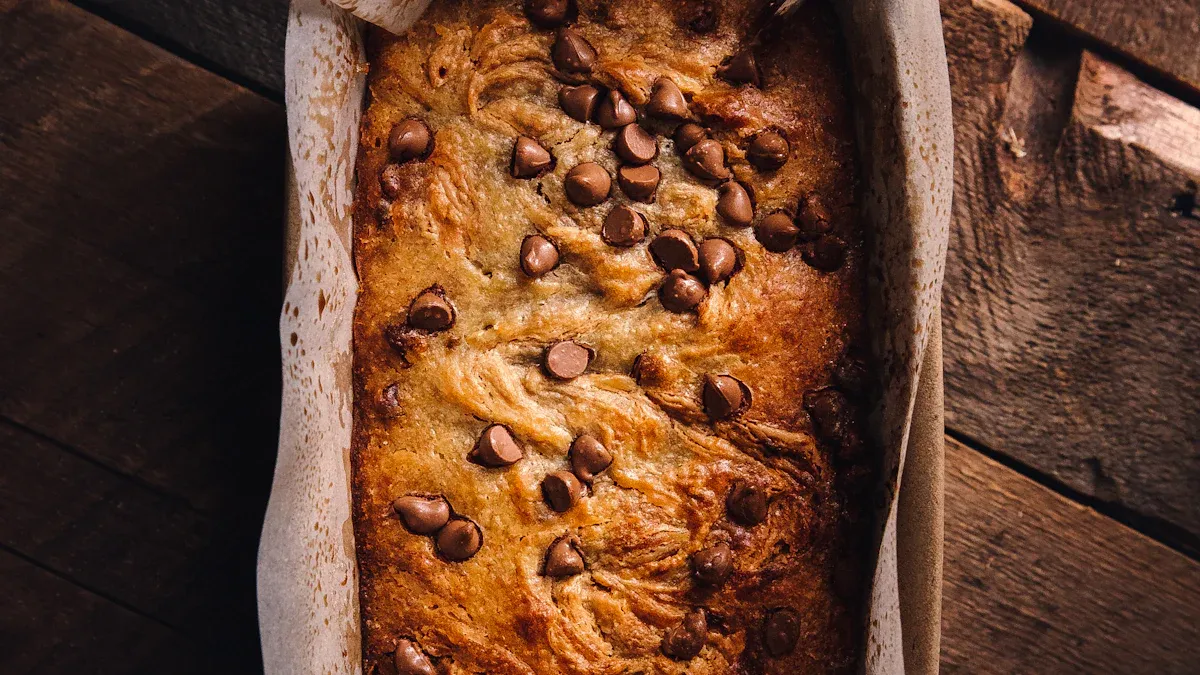
You can add malt extract to your baking for better results. It helps bread dough hold water, so you get a moist crumb and a thinner crust. Your bread will feel soft and taste rich. Malt also works well in cakes, cookies, and crackers. It gives a deep, toasted sweetness and a golden color.
Try malt in savory dishes too. Here are some ideas:
Glazed carrots with a touch of malt for extra sweetness.
Chocolate-infused turkey chili for a rich flavor.
Creamy mushroom risotto with a malty twist.
Chocolate malt BBQ sauce for a sweet and smoky taste.
You can use malt in both sweet and savory recipes to enhance flavor.
Culture Media and Other Uses
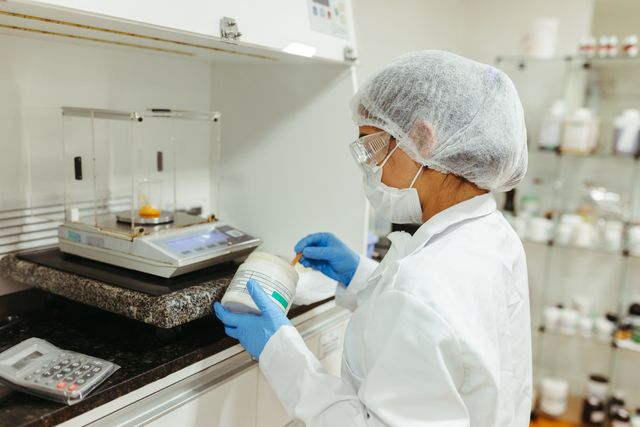
Malt extract is important in science labs. You can use it as a nutritive medium for growing yeasts and molds. It comes from malted barley and contains lots of maltose, which helps microbes grow. Labs use malt extract agar for testing foods, cosmetics, and clinical samples.
Practical Tips for Using Malt Extract
Store malt extract in a cool, dry place. The best temperature is between 70–80 ºF. Avoid heat above 90 ºF to keep the color and flavor fresh. If you open a container, use it soon and keep it cool to stop mold growth. For home brewing or baking, use a first-in, first-out system. If you need a substitute for malt extract, try honey or molasses, but expect a different flavor.
Tip: Always seal your malt tightly after each use to keep it fresh for your next baking or home brewing project.
Malt Extract vs. Similar Ingredients
Comparison with Molasses and Honey
You may wonder how malt extract compares to molasses and honey. Each sweetener brings its own taste and sugar mix to your recipes. Here is a quick look at their differences:
Malt extract contains maltose, fructose, and glucose. You taste nutty and mildly sweet flavors with roasted and caramel notes.
Molasses gives a more intense, sweet, and smoky flavor. Dark molasses can taste bitter.
Honey offers a range of sweetness, from delicate to strong. The flavor changes with the type of honey you use.
If you want a toasted, cereal-like sweetness, malt extract works best. Molasses adds depth and smokiness, while honey brings floral or fruity notes. You can choose based on the flavor you want in your food.
When to Choose Malt Extract
You may ask when to use malt extract instead of other sweeteners. The answer depends on your goals and recipe needs. The table below shows some reasons to pick malt extract:
Benefit/Scenario | Description |
|---|---|
Malt extract gives a natural sweetness that boosts the flavor of baked goods and brews. | |
Rich Flavor | You get a unique malty taste that fits many recipes. |
Texture Improvement | It helps baked goods stay soft and moist. |
Flavor Enhancement | Malt extract rounds out and lifts other flavors in soups and sauces. |
You should consider a few factors before choosing malt extract:
Skill Level: Beginners find extract brewing simple and easy to learn.
Brewing Goals: Extract brewing saves time and gives consistent results.
You can check the composition of malt extract to match your recipe. Some extracts blend different grains, which changes the flavor. You may want to steep extra grains for more taste.
If you want a sweetener that improves texture, adds rich flavor, and works well for beginners, malt extract is a smart choice.
You have learned that malt extract comes from malted barley and brings a sweet, malty flavor to many foods. You can use it in bread, cakes, cookies, and beer. Malt extract adds depth to flavor, helps yeast work better, and saves you time in the kitchen. Try using malt extract in your next recipe to see how it improves taste and texture. For more ideas, check out baking and brewing guides online.
FAQ
What is the best way to store malt extract?
You should keep malt extract in a cool, dry place. Seal the container tightly after each use. If you use liquid malt extract, refrigerate it after opening to keep it fresh.
Can you use malt extract as a sugar substitute in recipes?
Yes, you can use malt extract instead of sugar. It adds a malty flavor and extra nutrients. You may need to adjust the amount because malt extract is less sweet than table sugar.
Is malt extract gluten-free?
No, most malt extract comes from barley, which contains gluten. If you need a gluten-free option, look for malt extract made from sorghum.
How does malt extract affect bread texture?
Malt extract helps bread rise and gives it a soft, moist crumb. It also helps the crust turn golden brown. Your bread will taste richer and look more appealing.
Can you use malt extract in savory dishes?
Yes! You can add malt extract to sauces, glazes, or marinades. It brings a deep, rich flavor and a touch of sweetness to savory foods.