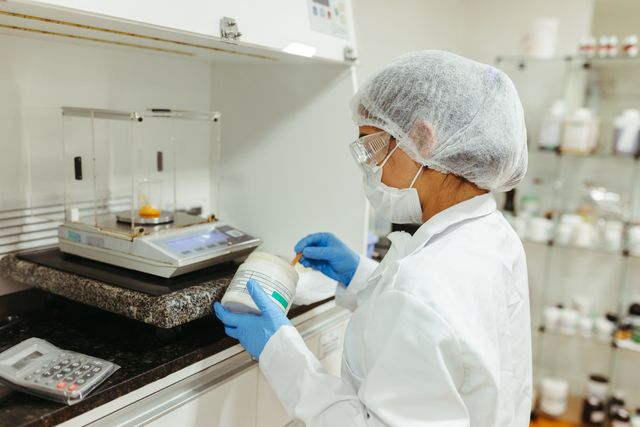

You may ask if mono and di glycerides are safe for you. Experts at the FDA and EFSA say these food additives are safe. These additives are in many packaged foods. They help make food feel better and last longer. The use of these additives is growing. People want food that is easy and healthy. Some people worry about chemical names. But most mono and di glycerides come from natural things.
The world market for these additives was $1.41 billion in 2024.
More people want gluten-free and plant-based food, so demand goes up.
Tip: Keep asking questions and learn the facts before you choose what to eat.
Key Takeaways
Mono and di glycerides are safe to eat in small amounts. Food safety experts like the FDA and EFSA say this.
These additives help food feel better and last longer. They make bread and ice cream smoother and fresher.
Eating too many foods with mono and di glycerides is not good. It may raise your risk of heart disease and some cancers. So, it is important to not eat too much.
Always look at food labels for mono and di glycerides. This is extra important if you have allergies or special diets.
Picking whole foods instead of processed foods is a good idea. It helps you avoid additives and stay healthier.
What are mono and di glycerides?
Definition
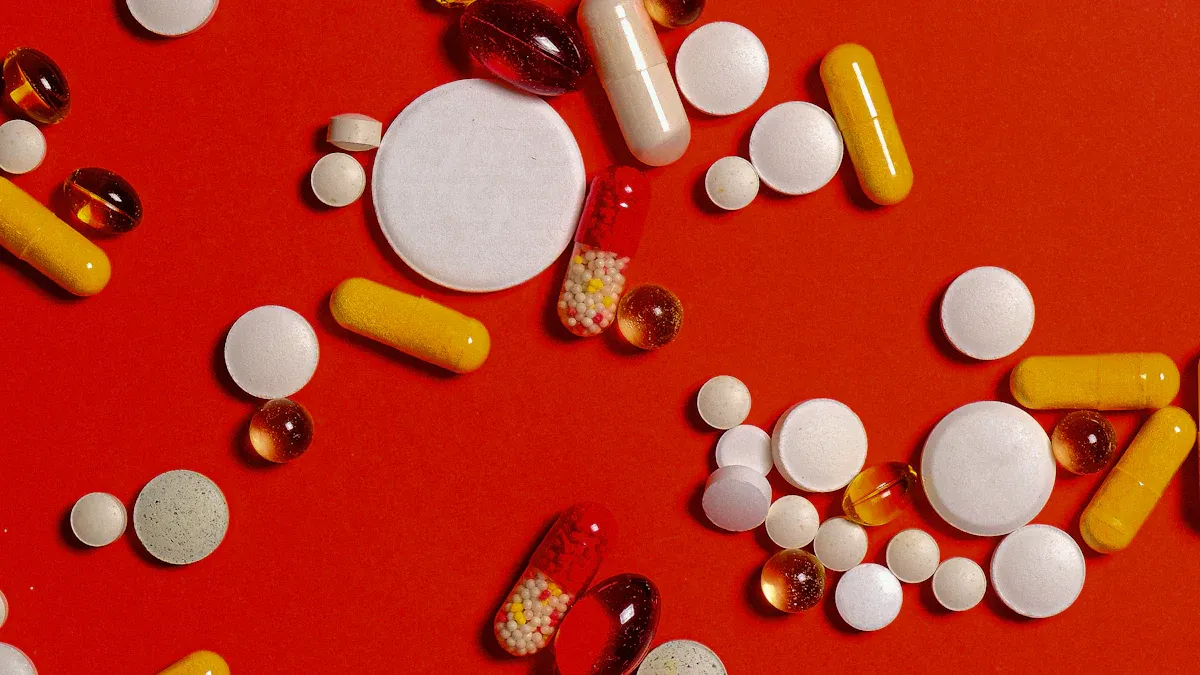
Mono and di glycerides are in lots of foods. These food additives work as emulsifiers. They help mix things like oil and water. You might wonder what they are made from. Chemists make them by joining glycerol and fatty acids. They often use plant oils or animal fats for this. The final product keeps food smooth and stable.
Here is a simple table to help you understand:
Aspect | Description |
|---|---|
Chemical Composition | Mono and diglycerides are emulsifiers made from glycerol and fatty acids. |
Production Method | They are made by joining glycerol with triglycerides, usually from plant oils or animal fats. |
Function in Food Products | They help oil and water mix, stop separation, and give food a steady texture. |
You can feel safe because these ingredients have a clear job in your food.
Common uses
Mono and di glycerides are in many foods you eat. They help make food feel better and last longer. Here are some foods that have these additives:
Infant formula
Salad dressings
Peanut butter
Chocolate
Frozen foods
Confectionary products
Bakery products
These additives help foods stay smooth and taste good. They stop ingredients from coming apart and keep baked goods soft. You get better texture and food lasts longer. These emulsifiers make food easier to eat and store. If you look at food labels, you will see them a lot. They are important in making modern foods and can affect your health if you eat too much.
Mono and di glycerides: food safety
Regulatory status
You might ask if mono and di glycerides are safe to eat. Food safety groups in many countries have checked these additives. The FDA, EFSA, and JECFA help make rules for food safety. The table below shows what each group does:
Regulatory Agency | Role in Regulation |
|---|---|
FDA | Makes rules and safety standards for food ingredients, including mono and diglycerides. |
EFSA | Sets safety checks and rules for food additives in the EU. |
JECFA | Gives global safety rules for food additives. |
These groups say mono and di glycerides are usually safe (GRAS). There are no strict rules for how much you can eat. Companies must use only what is needed to keep food safe and good.
You see these additives in lots of foods because they help with texture and shelf life. Food safety experts keep checking how they are used.
Recent research
You may hear new worries about mono and di glycerides and health. Some new studies look at what happens if you eat more of these emulsifiers. Some research shows eating more of these additives may raise your risk for cancer and heart disease.
Study Title | Findings |
|---|---|
Food additive emulsifiers and cancer risk: Results from the French prospective NutriNet-Santé cohort | Found links between eating more carrageenans and mono- and diglycerides and higher risk for some cancers. |
Food additive emulsifiers and risk of cardiovascular disease in the NutriNet-Santé cohort | Found that eating more monoglycerides and diglycerides is linked to higher risk for heart disease. |
Breast Cancer ICYMI | Found a link between eating more emulsifiers and higher risk for some cancers, like breast and prostate cancer. |
You should know that eating a lot of mono and di glycerides can mean you eat more trans fats. Trans fats can raise bad cholesterol and lower good cholesterol. This can make heart disease, stroke, and diabetes more likely. Trans fats also cause more swelling in the body and can lead to weight gain. The EFSA says some mono and di glycerides are made from hydrogenated fats, which may have trans fats.
Eating a lot of mono and di glycerides can mean more trans fats, which are linked to higher risk for heart disease, stroke, and diabetes.
Trans fats can cause swelling, weight gain, raise bad cholesterol, and lower good cholesterol.
The European Food Safety Authority says mono and di glycerides can be made from hydrogenated fats, which may have trans fats.
One study found that eating more emulsifiers, including mono and di glycerides, is linked to more heart disease.
You often find mono and di glycerides in processed foods. These foods can have a lot of white flour, sugar, or fat. Foods with these additives are usually not as healthy as whole foods.
Foods with mono and di glycerides are often processed and can have more fats, sugars, and salt.
Mono and di glycerides are usually found in foods that are less healthy than whole foods.
Foods with these additives are likely to have more white flour, sugar, or fat.
Note: You can make better choices by eating less processed food and more whole foods. This helps you eat fewer food additives and stay healthier.
Pros
Food processing benefits
Mono and di glycerides are in lots of foods. They help mix oil and water, so food stays smooth. Bread feels soft, and cakes stay fresh longer. Ice cream and sauces look and taste better. You see fewer lumps and less separation in your food.
Here is a table that shows how mono and di glycerides help foods:
Food Category | Benefits |
|---|---|
Baked Goods | Makes bread softer, helps it rise, and keeps it fresh longer. |
Dairy Products | Makes things smoother, adds air, and stops ice crystals from growing. |
Processed Meats | Makes meat products hold water and feel better. |
Foods last longer and look nice on the shelf. These additives help food makers keep foods fresh and good-looking. Bread dough is stronger, and frozen desserts do not melt as fast.
Tip: Foods with mono and di glycerides have better texture and last longer.
Low toxicity at approved levels
You might wonder if these additives are safe. Studies show mono and di glycerides are safe at allowed amounts. Scientists tested them in animals and saw no harm, even with high doses. Most of the additive is used by your body and does not build up. No signs of cancer or gene problems were found.
Here is a table with safety facts:
Study Type | Findings |
|---|---|
Absorption | Most is absorbed, little leaves the body unused. |
Toxicity | No harm seen in animal tests, even at high amounts. |
Genotoxicity | No gene problems found in studies. |
Chronic Toxicity | No long-term problems found. |
Carcinogenic Potential | No proof of cancer risk. |
Food safety experts say mono and di glycerides are safe. These emulsifiers make food better and do not hurt you when used right.
Cons
Potential health risks
You might ask if mono and di glycerides are bad for you. Some studies say eating a lot of these additives can raise your risk for cancer and heart disease. People who eat more foods with these additives may have more heart problems and some cancers, like breast and prostate cancer. Health experts now tell people to eat less of these additives to stay safe.
Here are some health risks linked to mono and di glycerides:
They can have trans fats, which may make heart disease, stroke, diabetes, and obesity more likely.
Eating a lot of these additives is not good for your health because they have a lot of fat.
Sometimes, bad additives or toxins can get into food when it is made.
Mono and di glycerides are often in processed foods. These foods may have lower quality ingredients and more unhealthy fats, sugars, or salt.
Note: Picking whole foods instead of processed foods can help you avoid bad additives and keep you healthy.
Allergies and sensitivities
Most people do not get allergies from mono and di glycerides. But you could react if you have a food allergy or sensitivity. Some people get skin rashes, itching, or swelling after eating foods with these additives. If you are allergic to soy, eggs, or some oils, you should check food labels. Sometimes, food additives come from things that can cause allergies.
Digestive concerns
Mono and di glycerides can cause stomach problems for some people. You might feel bloating, gas, diarrhea, stomach cramps, or nausea after eating foods with these additives. People with celiac disease or sensitive stomachs may have more symptoms. These problems can happen if your gut bacteria change or if your body does not have enough enzymes to break down the additives. The kind of fatty acids in the additives and how they mix with other food additives can also change how your stomach feels.
Bloating and gas
Diarrhea and stomach cramps
Nausea
More symptoms in people with sensitive digestion
If you notice these problems, try to eat less food with mono and di glycerides. This can help your stomach stay healthy.
Who should limit mono and di glycerides?
Sensitive groups
Some people need to be extra careful with mono and di glycerides. Babies younger than 16 weeks are most at risk. Their bodies work differently from older kids and adults. They need special food to grow well. Experts studied these additives in babies. They found babies process them like adults do. At the amounts in food, there is no danger for these babies. Still, it is important to watch what very young babies eat.
Babies under 16 weeks have the highest risk for problems.
This group needs special food for healthy growth.
Experts say babies handle these additives like adults, so normal amounts are safe.
Dietary restrictions
Some people have diets or health issues that mean they should eat less mono and di glycerides. If you eat halal, you need to check where these additives come from. Some are made from animals. People with inflammatory bowel disease may feel better if they eat fewer emulsifiers. One study showed that eating less of these additives can help people with this disease feel better and live healthier.
Dietary Restriction | Reason for Limiting Mono- and Diglycerides |
|---|---|
Halal Diet | Some mono- and diglycerides come from animal sources, which may not be halal. |
Inflammatory Bowel Disease | A low-emulsifier diet may help reduce symptoms and improve health. |
Tip: If you have a special diet or health problem, always read food labels. This helps you make good choices for your health.
Practical tips
Reading labels
You can make better choices by checking food labels. Mono and diglycerides are in bread, margarine, ice cream, mayonnaise, salad dressings, peanut butter, and cheap cooking sprays. These additives help oil and water mix. They also make bread bigger and keep foods soft and fresh. If you want to eat less of these, look for them on the label. Sometimes, you will see names like DATEM or E472e, especially in foods from Europe.
Tip: If you have allergies or a special diet, always check the label. Mono and diglycerides can come from animals or plants.
When to avoid
Sometimes, you should not eat foods with mono and diglycerides. If you have special diets, religious rules, or care about animals, these additives may not be right for you. They can be made from animal fats. People with heart or blood problems may want to eat less of these for better health. Eating fewer processed foods can help you have less of these additives.
Circumstance | Reason |
|---|---|
Mono and diglycerides may be made from animal fats or oils. | |
Heart or circulation concerns | Limiting these ingredients may support better health. |
Note: If you want to be healthier, try to eat more whole foods and less processed food.
Healthier choices
You can find other things instead of mono and diglycerides in foods. Food makers use enzymes like lipase, xylanase, and amylase to help with texture. Hydrocolloids such as alginates, pectin, and methylcellulose keep foods smooth. Lecithin, psyllium gum, and carboxymethyl celluloses are natural emulsifiers too. Dairy companies often pick pectin and acacia gum for their products. These choices help you eat fewer additives and stay healthy.
Enzymes (lipase, xylanase, amylase)
Hydrocolloids (alginates, pectin, methylcellulose)
Lecithin
Psyllium gum
Carboxymethyl celluloses
Tip: Pick foods with easy-to-read ingredient lists and natural emulsifiers. This helps you make good choices for your health.
People have different views about mono and diglycerides in 2025. Some health experts say these emulsifiers might make diseases like diabetes and heart problems more likely. A few studies show they could change gut health and raise cancer risk. There are good things about them, too. Mono and diglycerides help food feel better and last longer. The table below lists the main good and bad points:
Pros of Mono and Diglycerides | Cons of Mono and Diglycerides |
|---|---|
Make food texture better | Might change gut bacteria |
Help food last longer | |
Lower how much it costs to make food | Some people may be sensitive |
Can replace fat in foods | Not much proof about blood sugar effects |
You can stay healthy by eating more whole foods and checking labels. Try to eat fewer processed foods if you want less risk.
FAQ
Are mono and di glycerides safe for you to eat?
You can eat mono and di glycerides in small amounts. Food safety groups say they are safe. You should not worry if you eat them sometimes.
Do mono and di glycerides have animal ingredients?
Some mono and di glycerides come from animal fats. You should check food labels if you follow a vegan or halal diet.
Can mono and di glycerides cause allergies?
Most people do not get allergies from these additives. You may react if you have a food allergy or sensitivity. Always read labels to stay safe.
How can you avoid mono and di glycerides in your food?
You can pick whole foods like fruits, vegetables, and grains. You should read ingredient lists and choose products with fewer additives.
Tip: If you want to eat less processed food, shop the outer aisles of the grocery store.