Sodium polyacrylate is a superabsorbent polymer found in many products. The table below gives some important facts:
Property | Description |
|---|---|
Chemical Formula | (C3H3O2Na) n |
Type | Superabsorbent polymer (SAP) |
Characteristics | Amazing at soaking up water |
Applications | Used in personal care, industry, and the environment |
You see it most in baby diapers and adult incontinence items. It is also used in farming to help soil keep water. This material can soak up almost 800 times its own weight in distilled water. That makes it very good at absorbing liquids.
Key Takeaways
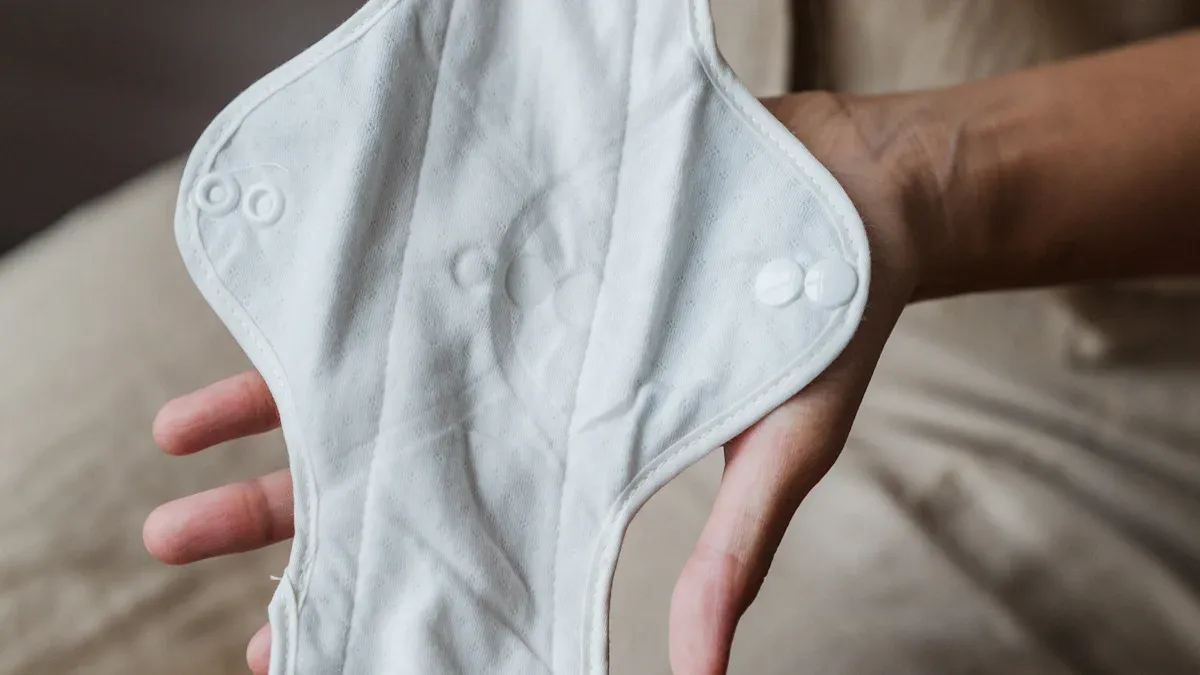
Sodium polyacrylate is a superabsorbent polymer. It can soak up to 800 times its weight in water. This makes it great for things like diapers and feminine hygiene items.
This polymer is safe for most people and pets. But keep it away from young children. Do not let pets chew on it. This helps prevent choking hazards.
Sodium polyacrylate is used in many industries. It helps soil hold water in farming. It also makes concrete better in construction.
Throw away products with sodium polyacrylate the right way. Do not flush them down the toilet or sink. This helps protect the environment.
Scientists are working to make sodium polyacrylate break down easier. They want it to be safer for the environment in the future.
Sodium Polyacrylate Overview
Chemical Structure
Sodium polyacrylate is made from long chains of acrylic acid. Scientists use sodium hydroxide to add sodium ions to these chains. This turns the chains into a sodium salt of polyacrylic acid. The structure has many carboxylic groups with negative charges. These groups pull in water and help the polymer soak up liquids fast.
Feature | Description |
|---|---|
Molecular Structure | Sodium salt of polyacrylic acid with the formula [−CH2−CH(CO2Na)−]n |
Acrylate compound chains with negatively charged groups and sodium ions | |
Absorbency | Can absorb 100 to 1000 times its mass in water |
Tip: The carboxylic groups with negative charges make sodium polyacrylate super absorbent. This is why it works so well in things like diapers and water gels.
Physical Properties
Sodium polyacrylate looks like a white, grainy powder. It does not dissolve in water. When it gets wet, it swells up and turns into a gel. Its density is about 1.22 to 1.32 grams per cubic centimeter at room temperature. You do not need to melt it because it does not melt like normal plastic. It breaks down if it gets too hot.
Density: 1.22–1.32 g/cm³ at 25 °C
Appearance: White, odorless powder or granules
Solubility: Swells in water, does not dissolve
Texture: Gel-like when wet
Superabsorbent Qualities
Sodium polyacrylate shows its real power when it touches water. It can soak up hundreds of times its own weight in water. It forms a thick gel that holds the water and stops leaks. Some types can hold up to 1734 grams of water for every gram of polymer. The swelling happens quickly, usually in less than fifteen minutes. This makes sodium polyacrylate better than cotton or paper for soaking up liquids. You see this in products like diapers, pads, and water gels.
Study Aspect | Details |
|---|---|
Methodology | Samples immersed in deionized water or NaCl solution; absorption measured until equilibrium |
Key Findings | Some types reached 1734 g/g absorption, outperforming previous studies (1130 g/g) |
Influencing Factors | Cross-linking and foaming modifications improved absorption rates and capacities |
Other choices for superabsorbent uses are potassium-based polyacrylate and water-retaining hydrogels. You might see these in gardening or special products. Sodium polyacrylate is still the most common because it works fast and holds a lot of water.
Uses of Sodium Polyacrylate

Everyday Products
You use things with sodium polyacrylate almost every day. You might not even notice it. This material is in many things at home. The table below lists some common items:
Diapers |
Feminine hygiene products |
Lotions |
Creams |
Gels |
Sodium polyacrylate is the main absorbent in diapers. It soaks up liquid fast and keeps babies dry. It is also in feminine hygiene products to trap moisture. Lotions, creams, and gels use it to help skin stay moist. Cleaning products like dish soap, laundry soap, stain removers, bleach, and shower cleaners have sodium polyacrylate too. It helps them clean better by soaking up spills or holding water.
Note: Companies pick sodium polyacrylate because it can soak up a lot of liquid. It is safe for most people’s skin. That is why it is good for personal care items.
Industrial Applications
Many industries use sodium polyacrylate for its special features. You find it in hygiene items, farming, and building work. Farmers put it in soil to help keep water in the ground. This helps crops get more water, even when it is dry. Crops grow better and need less watering. Builders use sodium polyacrylate to help concrete set and to make buildings resist water. As cities get bigger, more of this polymer is needed.
Here are some main uses in industry:
Hygiene items (like pads for adults)
Soil helpers for farms
Concrete setting and waterproofing in building
New changes have made sodium polyacrylate even better. New types can hold more water and break down faster in nature. Companies spend more money on research to make safer and stronger products. The table below shows some of these new changes:
Advancements | Description |
|---|---|
Enhanced Polymer Formulations | Better at soaking up water and breaking down in nature |
Market Penetration Strategies | Working together to sell in new farm and hygiene markets |
R&D Investments | Focus on safer and stronger types |
Competitive Dynamics | New ideas make better products |
Tip: The cost of sodium polyacrylate is not the same everywhere. In the USA, it is about $2,843 for one metric ton. In China and Germany, it costs a little less.
Science and Education
You might see sodium polyacrylate in science class. Teachers use it to show how polymers work. One fun experiment is guessing which cup has water. If you pour water into a cup with sodium polyacrylate, it turns into a gel and does not spill. This helps you learn about soaking up water and chemical changes.
Other science projects use sodium polyacrylate too. You can make fake snow or test how much water things can hold. These activities make learning science fun and easy to understand.
Note: Scientists have made many inventions with sodium polyacrylate. One famous invention is a cross-linked absorbent that holds more liquid. This shows how new ideas help make better products for everyone.
Safety and Handling
Human and Pet Safety
Most people and pets can use products with sodium polyacrylate safely. Studies show it does not hurt your skin. The molecules are too big to go through your skin. Most products have only a little acrylic acid left. Studies say this small amount is safe. But there are some rare risks you should know:
Some kids have choked after swallowing things with this polymer. Keep these items away from young children.
Dogs and rats have acted strange after eating polyacrylic acid hydrogels. They seemed confused, had trouble walking, and shook. Do not let pets chew on things with this material.
Most people do not get allergies, but a few do. Here is a table with possible symptoms:
Common Allergic Reactions | Specific Symptoms |
|---|---|
Allergic Contact Dermatitis | Hand eczema, widespread dermatitis |
Respiratory Hypersensitivity | Wheezing, asthma, runny nose, red eyes |
Ocular Disorders | Conjunctivitis |
Tip: If you see any of these signs, stop using the product. Talk to a doctor for help.
Handling Precautions
Be careful when you use sodium polyacrylate, especially as a powder. Try not to breathe in the powder. It can bother your lungs. Wet polymer makes floors very slippery. Clean up spills right away. Never pour it down the drain or toilet. It can swell and block pipes. This can cause plumbing problems.
In the U.S., the government says sodium polyacrylate can be used in food for some things. It helps control mineral scale in sugar making. Other countries may have different rules. Check local rules if you use it outside the U.S.
Store products in a dry place.
Keep them away from kids and pets.
Wash your hands after you touch it.
Note: This material is usually safe. Always use it the right way to avoid problems.
Environmental Impact

Biodegradability
You might ask how sodium polyacrylate breaks down outside. This polymer does not break down fast in nature. Studies show it stays mostly the same after 24 weeks in soil. Only a tiny bit breaks down in that time. The table below shows what happens in different soils:
Soil Type | Degradation Rate (24 weeks) | Temperature (°C) | Notes |
|---|---|---|---|
Loamy Sand | 0.45% | 20/30 | Low degradation rate |
Loam | 0.82% | 20/30 | Low degradation rate |
Various | 0.12-0.24% per 6 months | – | Main chain degradation rates |

Sodium polyacrylate can stay in soil or water for years. It does not break down easily. This means it can build up in landfills and water. When it builds up, it can cause problems for nature.
Ecological Effects
Most plants and animals are not harmed by sodium polyacrylate. Scientists tested it on fish, algae, earthworms, corn, and wheat. They found no bad effects at normal amounts. But the polymer can pile up in soil or water. Over time, this might change how these places work.
Sodium polyacrylate can last many years in nature.
The way it gets into the environment can change the risks.
Scientists need to study more to know the long-term effects.
Throwing it away the right way helps keep nature safe. Do not flush sodium polyacrylate down the drain. Try these tips for disposal:
Practice Type | Description |
|---|---|
Use recycling programs for products with sodium polyacrylate to lower landfill waste. | |
Composting Innovations | Try composting if you have biodegradable versions. |
Regulatory Measures | Follow local rules for safe disposal. |
Product Labeling | Look for clear labels to guide you on how to throw away these products. |
It is hard to recycle sodium polyacrylate. Used items may have germs and waste. You must clean them before recycling. This material does not melt, so you cannot recycle it like bottles. Most recycling is for other parts, not the polymer.
Europe has strict rules for using and throwing away sodium polyacrylate. These rules help protect nature and make companies create safer products. Always check your local rules for the best way to throw away things with this polymer.
You find sodium polyacrylate in lots of products. It soaks up water fast and keeps things dry. This helps in farming, hygiene, and science projects. Some good things about it are better soil moisture and strong water holding. It is also safe to use in many daily items.
Remember: Be careful with powders and throw them away the right way to help nature.
Scientists are still working on ways to help it break down faster and be better for the environment.
FAQ
What happens if you touch sodium polyacrylate?
You can touch sodium polyacrylate safely. It does not hurt your skin. Wash your hands after handling it, especially if you use the powder form.
Can you put sodium polyacrylate in the garden?
You can use sodium polyacrylate in soil to help plants keep water. Do not use too much. Too much can stop roots from getting enough air.
Is sodium polyacrylate safe for pets?
Most pets stay safe around sodium polyacrylate. Do not let pets eat it. Eating large amounts can cause stomach problems or choking.
How do you throw away products with sodium polyacrylate?
Tip: Place used products in the trash. Do not flush them down the toilet or sink. This helps prevent plumbing clogs and protects the environment.