
Propylene Glycol is a clear liquid with no smell. It is often added to many products. The U.S. Food and Drug Administration says it is safe for food and medicine. Companies use it for different reasons:
It helps food stay moist.
It mixes ingredients in medicine.
It makes skin soft in cosmetics.
It cools machines in factories.
Knowing about its safety and use in daily products helps people make smart choices.
Key Takeaways
Propylene Glycol is a clear liquid with no smell. It is used in food, medicine, cosmetics, and industry. It helps keep things wet, mix ingredients, and protect products.
It is usually safe for most people. The FDA says it is okay to use. But babies, pregnant women, and people with kidney or liver problems should be careful.
Propylene Glycol helps medicines dissolve. It keeps skin soft in cosmetics. It stops engines and planes from freezing. It is a safer antifreeze.
People can avoid it by reading product labels. They can pick items without propylene glycol. They should test skin products before using them. This helps stop skin irritation.
High doses can cause health problems. Normal use is safe. If you feel sick or have allergies, talk to a doctor for help.
Propylene Glycol Overview

Properties
Propylene Glycol is a clear liquid. It does not have a smell. It feels thick and sticky. Scientists like it because it is stable. It can be used in many ways. The table below shows its main features:
Property | Value / Description |
|---|---|
Molecular Formula | CH3CHOHCH2OH |
Molecular Weight | 76.10 |
Melting Point | About -60 °C |
Boiling Point | About 187-188 °C |
Density | About 1.036 g/mL at 25 °C |
Solubility | Mixes with water, acetone, and ethyl acetate |
Odor | No smell or a very light alcohol smell |
pH | 6-8 (100 g/L in water at 20 °C) |
Stability | Stays stable in heat and light; more stable when cold |
Chemical Reactivity | Can react with acids to make esters |
Note: Propylene Glycol is safe and breaks down easily. This makes it better for food and skin products than some other chemicals.
Composition
Propylene Glycol is made by people in labs. Its formula is C3H8O2. It has three carbon atoms in a row. Two hydroxyl groups are on the first and second carbons. This makes it a diol called 1,2-propanediol. The hydroxyl groups help it hold water. That is why it keeps things moist in many products.
Production
People make Propylene Glycol in different ways:
Most of it comes from breaking down propylene oxide, which uses oil-based materials.
Some companies use plant-based sources. They make it from glycerol, which comes from making biodiesel.
The United States makes about 1,400 million pounds every year. North America makes the most in the world.
Big companies that make it are Dow Chemical Company, BASF, and LyondellBasell Industries.
Making it from plants uses copper-chromite catalysts. It also needs steps like reactive distillation and acetol hydrogenation.
These ways of making Propylene Glycol help meet the need for it in food, medicine, beauty, and factories.
Propylene Glycol Uses

Food
Propylene Glycol is used in many foods. It helps make food thicker and taste better. It lets oil and water mix in things like low-fat foods. It keeps mixtures smooth and stops them from separating. It also stops powders from sticking together. It helps snacks and baked goods stay moist. It protects food from going bad by stopping oxidation. Food makers use it to help food look good.
Rules limit how much Propylene Glycol can be in food. In the U.S., the FDA says up to 5% is okay in alcoholic drinks. Higher amounts are allowed in flavorings and seasonings. Europe allows less, like 0.1% in drinks and 3 grams per kilogram in flavorings. Companies must change recipes for each country.
Region | Food Category | Maximum Allowed Level of Propylene Glycol |
|---|---|---|
EU | Final foods (carry-over) | 1,000 mg/kg |
EU | Enzyme preparations | 500 g/kg |
EU | Beverages | 1,000 mg/L |
US | Alcoholic beverages | 5% (by weight/volume) |
US | Confections and frostings | 24% |
US | Frozen dairy products | 2.5% |
US | Seasonings and flavorings | 97% |
US | Nuts and nut products | 5% |
US | All other food categories | 2% (equivalent to 20,000 mg/kg or mg/mL) |

Pharmaceuticals
Pharmaceutical companies use Propylene Glycol in many medicines. It helps dissolve drugs that do not mix with water. This makes medicine easier to swallow or put on skin. It is found in tablets, capsules, shots, and creams. It carries vitamins and other important parts so they work well. Many pain relievers, antibiotics, and allergy pills have it.
About 400,000 metric tons are used each year in medicine. High-purity Propylene Glycol is needed for safe drugs. It mixes well with water and other things. This helps make medicine that works the same every time.
Cosmetics
Propylene Glycol is in many personal care items. It pulls water into the skin to keep it moist. It helps mix ingredients and makes products feel nice. It makes skin soft and smooth. It also stops germs from growing, so products last longer.
Most lotions, shampoos, and deodorants have Propylene Glycol. Doctors say it is safe for most people. Some people may get mild skin irritation. The amount in products can be less than 1% or as high as 50%, depending on what it is used for.
Product Type / Use Case | Typical Concentration Range (%) | Notes |
|---|---|---|
Moisturizers and skincare | 1 to 20 | Typical range for leave-on products |
Emollient-rich formulas (serums) | 5 to 20 | Used in richer, leave-on products |
Intense formulations/ointments | Up to 50 | Higher levels may increase skin sensitivity |
Deodorants (leave-on products) | 3 to 73 | Highest leave-on product concentration reported |

Industrial
Propylene Glycol is used in many factories. It is a main part of antifreeze and de-icing fluids. It keeps engines and planes from freezing. It is safer than ethylene glycol because it is less toxic. It is used in heating and cooling systems, solar panels, and energy storage. Special chemicals are added to stop rust and help machines last longer.
Aspect | Details |
|---|---|
Main Industrial Applications | Antifreeze agent, de-icing fluid, heat transfer fluid, solvent, humectant, preservative |
Key End-User Industries | Automotive, aerospace, construction, pharmaceuticals, food & beverage, personal care |
Advantages | Low toxicity, environmental safety, thermal stability; preferred over ethylene glycol in antifreeze |
Global Market Size (2025) | USD 5,347.5 million |
Projected Market Size (2034) | USD 9,627.5 million |
Antifreeze Market Size (2023) | |
Antifreeze Market Projection | USD 2.4 billion by 2032, CAGR 8.5% |
Major End-Users | Automotive (engine coolants, thermal management), aerospace (aircraft deicing) |
Regional Market Leaders | Asia-Pacific (largest share, ~37.9% in 2025), North America (highest CAGR due to bio-based PG demand) |

Industrial heat transfer fluids with Propylene Glycol have special chemicals. These protect metal and make the fluid last longer. The fluids break down easily and are safe for food and water systems.
E-Cigarettes
Propylene Glycol is a big part of e-cigarette liquids. It helps dissolve nicotine and flavors. About 94% of e-liquids have Propylene Glycol. The amount can be less than 1% or almost 98%. The average is about 57%. Makers often mix it with glycerol to make vapor. Most labels list Propylene Glycol, but some do not.
Propylene Glycol makes smooth vapor and carries flavors well. This is why it is used in many e-cigarette liquids.
Propylene Glycol Safety
FDA Status
Propylene Glycol is called “Generally Recognized As Safe” by the FDA. This means experts think it is safe when used the right way. Companies can say it is GRAS or ask the FDA to agree. Once something is GRAS, the FDA does not check it often. There must be strong science to prove it is safe, like for food additives. GRAS lets companies use Propylene Glycol in foods and products without telling the FDA every time.
GRAS items do not have to follow most food additive rules.
The Ensuring Safe and Toxic-Free Foods Act wants stricter rules. It would make the FDA check GRAS items and share more information with the public.
Regulatory Agency | Classification / Limit Type | Maximum Allowable Daily Intake or Usage Limit |
|---|---|---|
US FDA | GRAS (Generally Recognized as Safe) | Usage limits vary by product type, e.g., 0.1% in baked goods, 0.2% in soft drinks |
EFSA (Europe) | Acceptable Daily Intake (ADI) | 25 mg per kg of body weight per day |
WHO | Recommended Maximum Intake | 25 mg per kg of body weight per day |
Note: Both the European Food Safety Authority and the World Health Organization say not to have more than 25 mg per kg of body weight each day.
Toxicity
Most people are fine with Propylene Glycol at normal amounts. Problems are rare and usually happen with very high doses. Some people cannot break it down well. If too much gets in the body, it can cause health problems. These may include acid in the blood, kidney trouble, or nerve issues. People might have seizures, confusion, odd heartbeats, or even go into a coma. Doctors use blood tests to check for high levels. They treat bad cases with medicine or dialysis.
Symptom/Health Risk | Description | Affected Populations |
|---|---|---|
Dermatitis, dry and itchy skin, rashes, conjunctivitis (pinkeye) | General population | |
Neurological problems | CNS depression, seizures, convulsions, loss of balance, coma, increased breathing rate | Humans (acute toxicity), animals |
Heart problems | Irregular heart rhythms, high blood salt levels; mainly in young children (<4 years) | Young children |
Lactic acid buildup causing organ dysfunction | General, especially with toxic doses | |
Kidney failure | Resulting from untreated acidosis and impaired clearance | Individuals with kidney disease |
Multi-organ failure | Severe consequence of untreated toxicity | Severe cases |
Vulnerable groups | Young children, pregnant women, individuals with liver or kidney disease | High risk due to reduced metabolism and clearance |
Treatment for toxicity means stopping use, fixing acid in the blood, and using dialysis if needed.
Sensitive Groups
Some people have a higher chance of problems from Propylene Glycol. Babies, kids, pregnant women, and people with kidney or liver problems may not handle it well. People with epilepsy or burns also have more risk. These groups can get seizures, low blood sugar, or heart changes even with lower amounts.
Sensitive Populations | Documented Adverse Effects | Exposure Routes |
|---|---|---|
Infants and pediatric patients | CNS toxicity, hyperosmolarity, hemolysis, cardiac arrhythmia, seizures, agitation, lactic acidosis, hypoglycemia | Oral, intravenous, topical |
Patients with renal or hepatic insufficiency | Increased risk of toxicity | Various |
Epilepsy patients | Seizures | Oral (e.g., vitamin D vehicle) |
Burn patients | Serum hyperosmolality, CNS depression, systemic cutaneous reactions (allergic and irritant contact dermatitis) | Extensive dermal application |
Doctors say these groups should be watched closely and use lower doses to stay safe.
Avoidance
People who want to stay away from Propylene Glycol can do a few things:
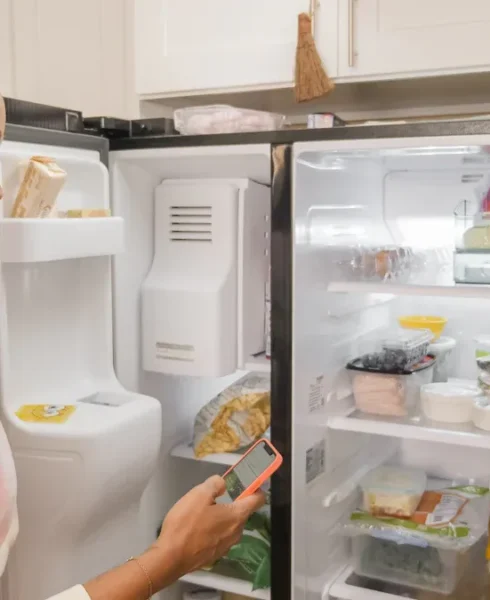
Look at ingredient lists on foods, cosmetics, and medicines for Propylene Glycol or other names.
Pick products that say “propylene glycol-free.”
Ask a pharmacist, doctor, or skin doctor for safe choices.
Try a patch test before using new skin products. Put a little on your arm and wait 24 hours.
Stay away from processed foods and ready meals, which often have Propylene Glycol.
Eat healthy foods like fish, berries, and yogurt to help your immune system.
Drink enough water to help your body handle chemicals.
People who are sensitive should talk to a doctor for advice and allergy tests.
Propylene glycol is clear and has no smell. It is used in food, medicine, cosmetics, and factories. Most experts say it is safe for most people. Some people might get skin rashes or other health problems. People should read labels to see if it is in a product. Buying from trusted brands can help lower the risk. Doctors say babies, pregnant women, and people with kidney or liver problems should not use products with propylene glycol. If someone feels sick or worried, they should talk to a doctor.

FAQ
What is the main difference between propylene glycol and ethylene glycol?
Propylene glycol is not as harmful as ethylene glycol. People use propylene glycol in food, medicine, and beauty items. Ethylene glycol is mostly in antifreeze and is very unsafe to eat.
Can people with allergies use products with propylene glycol?
Some people can get itchy skin or a rash from propylene glycol. People who are sensitive should read labels and try a small amount on their skin first.
Does propylene glycol build up in the body?
The body gets rid of propylene glycol fast. Most people pass it out in their urine. It does not stay in the body of healthy people.
Is propylene glycol safe for pets?
Vets say propylene glycol is okay for most dogs but not for cats. Cats cannot break it down well. People should not give cats anything with propylene glycol.
How can someone spot propylene glycol on product labels?
Check for words like “propylene glycol,” “PG,” or “1,2-propanediol” on the label. In Europe, some products use the code E1520.
Tip: Always check ingredient lists so you know what is in your products