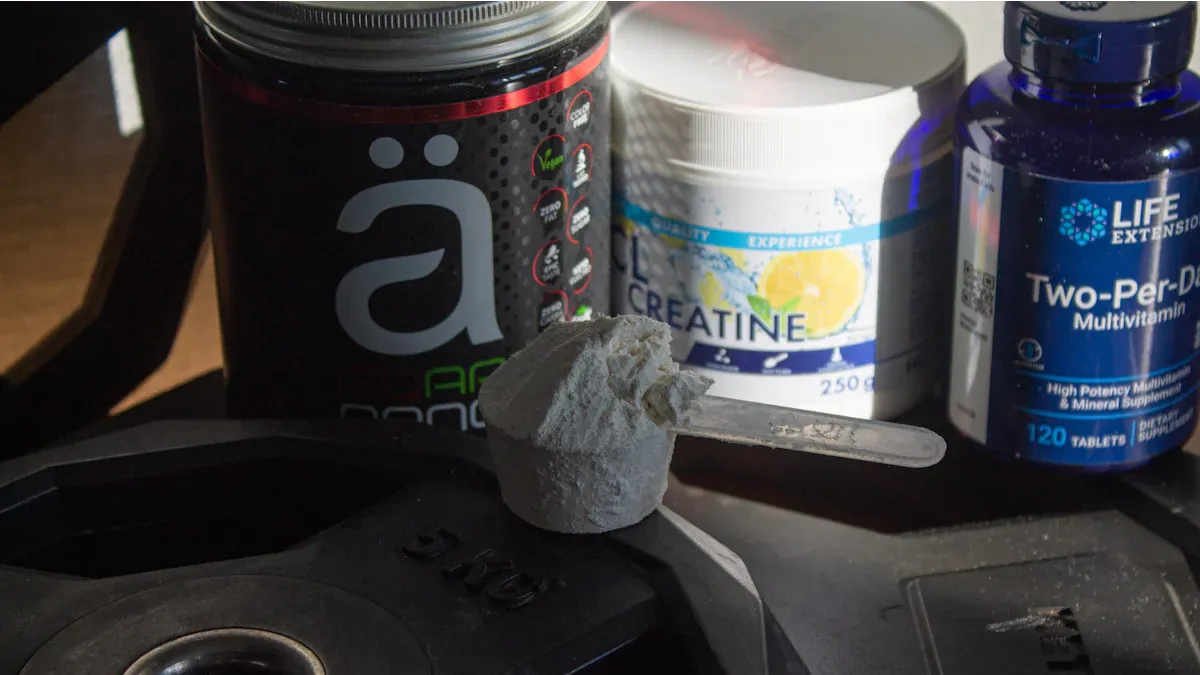
You might feel unsure when you see glutamine vs glutathione in stores. Many people ask which one is better for their health. If you want a healthier gut or to heal faster, glutamine helps your cells and muscles. On the other hand, if you want to clean your body or slow aging, glutathione protects you from harm and helps your liver. This guide explains the differences between glutamine vs glutathione, so you can pick what you need.
Key Takeaways
Glutamine helps your gut and muscles get better. Pick it if you want to heal fast after working out or help your stomach work well.
Glutathione is a strong antioxidant. It helps clean your body and might help you look younger. Choose it to protect your cells and help your skin.
You can take both supplements for more health benefits. They help your body in different ways.
Talk to a doctor before you start any supplement. This is very important if you have health problems or are pregnant. Being safe is the best way to use supplements.
Choose the right supplement for your health goals. Write down what you want to do and pick the one that fits.
Glutamine vs Glutathione Overview
Glutamine Basics
L-glutamine is the most common amino acid in your body. This amino acid does many important jobs. L-glutamine helps your cells grow and split. It gives energy to your immune system, especially when you are sick or hurt. Your muscles keep l-glutamine, and you use it to make protein and get energy. L-glutamine is also important for your gut health. It keeps your digestive system strong and helps fix tissue.
Glutamine is a main fuel for fast-growing cells like enterocytes and immune cells. It helps keep cells working well and gives them energy. Glutamine also moves nitrogen between organs. This helps your body make and break down protein and get rid of ammonia.
L-glutamine is very important when you are stressed. Your immune cells use a lot of l-glutamine, sometimes more than glucose. You can get l-glutamine from foods with lots of protein and from supplements. When you look at glutamine vs glutathione, you see l-glutamine helps muscles heal, fixes your gut, and keeps you hydrated.
Glutathione Basics
L-glutathione is your body’s main antioxidant. Your body makes l-glutathione from three amino acids. Every cell makes l-glutathione, but your liver makes the most. L-glutathione protects you from toxins and free radicals. It keeps your cells safe from damage caused by stress.
Glutathione cleans up peroxides and other harmful things, stopping cell stress. It catches free radicals and keeps cells balanced. Glutathione also helps control your immune system and cell life.
You use l-glutathione to clean your body and help your immune system. L-glutathione can also make your skin brighter and slow aging. You can find l-glutathione in fruits, vegetables, meats, and supplements. When you compare glutathione vs glutamine, you see l-glutathione helps with cleaning, fighting damage, and making skin glow.
Key Differences
When you compare glutamine vs glutathione, you see they are different. L-glutamine is one amino acid. L-glutathione is made from three amino acids. L-glutamine is found most in your muscles. L-glutathione is not stored; your body makes it when needed. L-glutamine is easy to absorb when you take it by mouth. L-glutathione is harder for your body to absorb this way.
Aspect | Glutamine | Glutathione |
|---|---|---|
Single amino acid | Tripeptide (3 amino acids) | |
Molecular Weight | 146.14 g/mol | 307.32 g/mol |
Primary Function | Protein synthesis, fuel | Antioxidant, detox |
Production Site | Skeletal muscles | All cells, liver |
Bioavailability | High oral absorption | Limited oral absorption |
Storage | Muscle stores | Produced on demand |
You use glutamine and glutathione for different reasons. L-glutamine helps you heal after exercise and keeps your gut healthy. L-glutathione protects you from toxins, helps your immune system, and makes your skin look better. When you pick between glutathione and glutamine, choose the one that fits your health goals.
Glutathione Role and Glutamine Function
Glutathione Role in the Body
People call glutathione the master antioxidant. Your body needs glutathione to keep every cell safe. This strong molecule works inside your cells to keep them healthy. Glutathione stops harmful things called free radicals. Free radicals can hurt your cells and make you age faster. You also need glutathione to clean your body. It helps your liver break down and get rid of toxins.
Glutathione does more than just stop damage. It helps other antioxidants like vitamins C and E last longer. Your cells use glutathione to control important jobs like fixing DNA and cell death. The glutathione redox system is your main shield against stress from oxidation. If you do not have enough glutathione, your body cannot fight off toxins well. This can cause problems with your immune system and may lead to diseases like liver disorders or brain problems.
Here are some ways glutathione protects you:
Cleans out harmful things
Helps other antioxidants work longer
Controls cell growth and death
If your body cannot make enough glutathione or if it breaks down too fast, you may feel tired or get sick more often. Keeping your glutathione levels healthy helps your energy, immune system, and health.
Glutamine Function in the Body
Glutamine is an amino acid your body uses for many jobs. You need glutamine to keep your gut strong. It is the main fuel for the cells in your intestines. When you have enough glutamine, your gut barrier works better and keeps out germs. Glutamine also helps your immune cells fight sickness.
Your body uses glutamine to fix tissues and make new cells. It helps control swelling and keeps your gut from leaking. Glutamine helps your body make glutathione, so you get extra cell protection. If you do not get enough glutamine, your body may not heal as fast, and your immune system can get weaker.
Some key jobs of glutamine include:
Giving fuel to gut and immune cells
Helping fix and grow tissues
Controlling swelling
Helping make glutathione for cell safety
By keeping your glutamine levels steady, you help your body heal from stress, injury, or sickness. You also help your gut and immune system stay strong every day.
Glutathione vs Glutamine Benefits
Gut Health
A healthy gut is important for your whole body. Glutamine gives energy to the cells in your intestines. It helps fix the gut lining and keeps out bad germs. Studies show glutamine can make the gut less leaky, especially in adults with gut issues. You can see the results in the table below:
Study Type | Population | Intervention | Control | Outcome | Findings |
|---|---|---|---|---|---|
Clinical Trials | Adults with gastrointestinal conditions | Glutamine supplementation | Placebo or no treatment | Intestinal permeability | Significant reduction in permeability with doses over 30g/day |
Glutathione helps your gut too. It lowers swelling in your gut and acts as an antioxidant. This means it fights stress in your digestive system. Glutathione also protects you from free radicals that can hurt your cells. Here are some ways glutathione helps your gut:
Glutathione lowers gut swelling.
It fights stress in your digestive system.
When you have enough glutathione, your gut gets more protection. Both glutamine and glutathione work together to keep your gut safe and help you feel better.
Immune Support
Your immune system needs many things to work well. Glutamine helps your immune cells grow and do their jobs. It helps your body make special proteins that lower swelling and protect cells. Glutamine is also important for athletes because it helps the immune system during hard exercise.
Glutamine helps make proteins that lower swelling.
It helps immune cells fight germs and recover from stress.
Glutathione is important for your immune system too. It helps balance different T-helper cells. When you have enough glutathione, your body makes more interleukin-12. This helps T-cells grow and fight sickness. Glutathione also helps your body fight off bacteria.
You need both glutamine and glutathione for a strong immune system. They help you stay healthy and get better faster when you are sick.
Detoxification
Your body deals with toxins every day. Glutathione is your main antioxidant in the liver. It fights harmful oxygen and helps your body get rid of bad stuff. The detox process has several steps:
Step | Description |
|---|---|
1 | Free Radical Neutralization: Glutathione neutralizes reactive oxygen species (ROS) to prevent cellular damage. |
2 | GSH-S-Transferase Activation: Activates enzymes that conjugate glutathione with various toxins. |
3 | Sulfation Support: Provides sulfur groups for sulfation, aiding in the elimination of hormones and toxins. |
4 | Bile Excretion: Conjugates are transported into bile for elimination through the intestines. |
5 | ROS Quenching: Continuously neutralizes harmful free radicals during detoxification. |
When you have enough glutathione, your liver works better and your cells are safer. You also have less swelling in your liver and better fat use.
Glutamine helps with detox in a different way. It helps make important chemicals and removes ammonia through the urea cycle. Glutamine also helps keep your blood sugar steady when you do not eat. Both glutathione and glutamine help your body get rid of toxins and keep you feeling good.
Aging and Energy
You want to feel young and full of energy. Glutathione helps slow down aging, especially for your skin. Studies show glutathione can make your skin lighter, reduce wrinkles, and make skin stretchier. These changes mean your skin is healthier. Glutathione also protects your cells from stress that can make you age faster.
Glutamine helps your energy, especially if you are active. It helps your muscles store glycogen, which gives you energy when you move. Glutamine also stops ammonia from building up, so you feel less tired. You get better energy and feel less worn out when you have enough glutamine.
Both glutathione and glutamine help you stay active and healthy as you get older. They protect your cells, help your skin, and keep you feeling good.
Muscle Recovery
You want your muscles to heal fast after exercise. Glutamine helps your muscles fix themselves and get stronger. Studies show glutamine helps your muscles store more glycogen and recover from being tired. The table below shows some important studies:
Study | Participants | Supplementation Protocol | Exercise Protocol | Results |
|---|---|---|---|---|
Varnier et al. (1995) | 18 untrained subjects | Three infusions after exercise: glutamine, alanine+glycine, saline | Cycling at 70–140% VO2max for 90 min | Higher muscle concentrations of glutamine and glycogen in glutamine group |
Bowtell et al. (1999) | 7 male subjects | Glucose polymer solution, glucose+glutamine, or placebo | Glycogen-depleting exercise at 70% VO2max | Glucose and glutamine solution increased glucose disposal by 25%, promoted muscle glycogen |
Ohtani et al. (2001) | 23 elite rugby players | 3.6 g amino acids (including glutamine) 2x/day for 90 days | Rugby | Improved vigor, earlier recovery from fatigue, increased hemoglobin and red blood cells |
Glutathione helps your muscles too. It acts as an antioxidant and lowers stress during exercise. One study showed men who took glutathione before cycling felt less tired and had lower blood lactate. This means their bodies used energy better and recovered faster.
When you give your body glutathione and glutamine, your muscles heal faster, you have less stress, and you feel better overall. Your skin and collagen also stay healthy, which helps you look and feel your best.
Glutathione Synthesis and Sources
Glutathione Synthesis
Your cells make glutathione every day. This is called glutathione synthesis. Your body uses three amino acids: glutamate, cysteine, and glycine. You need these to keep your cells healthy. Here are the main steps for making glutathione:
First, your cells join glutamate and cysteine. This step uses an enzyme called glutamate–cysteine ligase. This is the most important step.
Next, your cells add glycine. Another enzyme, glutathione synthetase, helps finish the process. Now you have reduced glutathione, which protects your cells.
Many things affect how much glutathione you make. Your genes, what you eat, and your health all matter. If your body cannot make enough, you might feel tired or get sick more. The process of making glutathione also controls how much you have. You can lose glutathione if you are sick, stressed, or eat badly.
Tip: Eat foods with protein, vitamins, and antioxidants to help your body make glutathione.
Glutathione Dietary Sources
You can get glutathione from many foods. These are called glutathione foods. Eating both animal and plant foods helps your body make more. Here are some of the best foods:
Beef
Lean chicken
Fish
Organ meats
Brown rice
Brazil nuts
Cottage cheese
Cucumber
Avocado
Spinach
Green beans
Asparagus
Okra
You can also help your body by eating brassica vegetables like broccoli and cabbage. Foods with vitamin C, such as oranges and strawberries, help keep your glutathione levels high. Foods with polyphenols, like berries and herbs, also help your body stay strong.
Glutamine Dietary Sources
You find glutamine in many foods with protein. Glutamine foods come from both animals and plants. Here are some top choices:
Meats
Fish
Dairy products
Beans
Legumes
Add these foods to your meals to help your body get enough glutamine. If you need more, you can take supplements. Always ask your doctor before starting new supplements.
Note: Eating a balanced diet with lots of glutamine foods and glutathione foods helps your body stay healthy and strong.
Supplementation and Combining Both
Supplement Forms
You can buy supplements for glutamine and glutathione in many ways. Most people pick capsules or tablets because they are simple to use. Powders let you mix them with drinks like water or juice. Liquid supplements are good if you do not like pills. Some doctors use injections for fast results, but you need help from a medical expert.
Here is a table that shows the main supplement types:
Product Form | Description |
|---|---|
Oral Capsules/Tablets | Most popular and easy to use. |
Powders | Can be mixed with drinks. |
Liquid Formulations | Good for people who want liquids. |
Injections | Given directly into the body by doctors. |
Glutamine works well when you take it by mouth. Your body uses it fast, so you get most of the benefits. Glutathione supplements do not work as well in regular pill form. Your stomach breaks them down before your body can use them. Liposomal glutathione supplements help your body absorb more. Injections give quick effects, but you need a doctor.
Safety and Synergy
You should be careful when using any supplement. Most people can take glutamine and glutathione without problems. Start with a small dose and see how you feel. Always follow the instructions on the package. If you have health issues or take medicine, talk to your doctor.
You can use both glutamine and glutathione at the same time. They help your body in different ways. Glutamine helps your gut and muscles. Glutathione keeps your cells safe and helps your liver. Using both can help you heal, feel more energetic, and clean your body.
Tip: Pick the supplement form that fits you best. Powders and capsules are good for most people. Liposomal glutathione gives better absorption.
If you want to feel healthier, you can use both supplements safely. Listen to your body and ask your doctor if you are not sure.
Glutamine vs Glutathione Comparison Table
You may still not know which supplement is best for you. Looking at both side by side can make things easier. This table helps you match your health goals with the right supplement.
Feature | Glutamine | Glutathione |
|---|---|---|
Type | Amino acid | Tripeptide (3 amino acids) |
Main Role | Gut health, muscle repair, energy | Antioxidant, detox, cell protection |
Where Found | Muscles, blood, immune cells | All cells, highest in liver |
How Body Gets It | Food, supplements, made by body | Made by body, some from food |
Best Food Sources | Meat, fish, dairy, beans, legumes | Spinach, avocado, asparagus, meats |
Absorption | High when taken by mouth | Low by mouth, better as liposomal |
Key Benefits | Repairs gut lining, boosts recovery | Fights toxins, supports immunity |
Who Needs It Most | Athletes, people with gut issues | People under stress, aging adults |
Supplement Forms | Powder, capsules, tablets | Capsules, liposomal, injections |
Safety | Safe for most, check with doctor | Safe for most, check with doctor |
Tip: You can take glutamine and glutathione together. They help your body in different ways.
Quick Checklist:
Pick glutamine if you want to heal your gut or recover after exercise.
Choose glutathione if you want to clean your body, protect your cells, or age well.
Always ask your doctor before you start new supplements.
Now you can see how glutamine and glutathione are different. This table helps you pick what is best for your body and your goals.
Choosing the Right Supplement
Matching to Health Goals
You want to pick the best supplement for your health. First, think about what you want most. If you want a strong gut, better muscle healing, or more energy, glutamine is a good choice. Glutamine keeps your gut lining strong. It also helps your muscles get better after you exercise. You will feel more energy and ready for your day.
If you want to keep your cells safe, clean your body, or slow down aging, glutathione is better. Glutathione helps your body fight off toxins. It keeps your cells safe from stress. You may see your skin look brighter and your body feel cleaner. Both supplements help your health, but in different ways.
Here is an easy checklist to help you choose:
Pick glutamine for gut health, muscle repair, and energy.
Choose glutathione for detox, cell safety, and healthy aging.
Use both if you want full support for your health.
Tip: Write down your health goals. Match them with the supplement that fits you.
When to Consult a Professional
You should talk to a doctor before you start any supplement. Some people need to be extra careful. Look at the table below to see if you are in one of these groups.
Group | Reason |
|---|---|
Pregnant or Breastfeeding Women | Effects on pregnancy and breastfeeding are not well-researched. |
People with Low Zinc Levels | Taking glutathione may further deplete zinc, leading to deficiencies. |
Individuals with Allergies to Glutathione Ingredients | Some supplements may contain additives or fillers that can trigger allergies. |
You also need to ask a doctor if you have special health problems:
People with strong sulfur sensitivities should talk to their doctor before using supplements.
People with certain gene changes that affect sulfur use may need to be careful.
Your health is very important. If you are not sure, ask your doctor or pharmacist. They can help you make safe choices for your health. You protect yourself by checking with a professional first.
Note: Supplements can help your health, but you must use them safely. Always listen to your body and ask for advice if you have questions.
You have learned that glutamine and glutathione help your body in different ways. Glutamine helps your muscles heal after you exercise. It also helps your body make more red blood cells. Glutathione protects your cells from stress. It also helps your liver work well.
Glutamine is good for healing after exercise and helps protect your organs.
Glutathione keeps your cells safe and may help lower your chance of heart disease or diabetes.
Think about what you want for your health. Pick the supplement that matches your needs. Always ask your doctor before you try something new. Make choices that help you feel good every day!
FAQ
Can you take glutamine and glutathione together?
Yes, you can use both at the same time. They help your body in different ways. Glutamine is good for your gut and muscles. Glutathione keeps your cells safe and helps clean your body.
What foods boost glutathione levels naturally?
You can eat spinach, avocado, asparagus, and meats to help your body make glutathione. Broccoli and cabbage are also good for making more glutathione.
Is glutamine safe for daily use?
Most people can take glutamine every day without problems. You should use the amount on the label. If you have health problems, ask your doctor before you start any supplement.
Who should avoid glutathione supplements?
Do not use glutathione if you are pregnant, breastfeeding, or allergic to its ingredients. People with low zinc should be careful. Always talk to your doctor first.