
If you want to save money and make food last longer, you should think about using fumaric acid in many processed foods. Acidulants are important for taste, texture, and safety. Picking the right one can change your product and your profits.
The Food Additive part makes up 65.5% of market money in 2024. This shows that fumaric acid is used a lot in food making.
Fumaric acid helps control acidity, adds flavor, and keeps food fresh. It works best in soft drinks and baked goods.
Key Takeaways
Fumaric acid is cheap and works well in dry mixes. It is good for baked goods. It helps save money and makes food taste better.
Citric acid dissolves fast, so it is great for drinks. It is also good for canned foods. It gives a bright and clean sour taste.
Both acids help control pH levels. This keeps food safe and good. Fumaric acid keeps pH lower for a longer time.
Try both acids in small batches first. This helps you see which flavor is best for your recipe. It can make the taste better.
Always check safety rules and how much acid you can use. This helps you follow the law and keep food good.
Comparison Criteria
Effectiveness
You want acidulants that work well in foods. Manufacturers check how acids change pH and texture. They also look at how acids stop germs. Fumaric Acid and citric acid help with these jobs. They do it in different ways. Fumaric Acid gives strong acidity. It lasts longer in dry mixes. Citric acid dissolves fast. It works best in drinks and canned foods.
Cost
Cost is important when you pick an acidulant. Fumaric Acid usually costs less than citric acid. This is true for dry mixes and baked goods. Using Fumaric Acid can save you money. Citric acid may cost more. It is easy to find and always in stock.
Taste
Taste changes with the acid you use. Fumaric Acid gives a sharp, long tartness. Citric acid gives a bright, clean sour taste. Pick the acid that matches your food’s flavor.
Tip: Test both acids in small batches. See which flavor works best for your recipe.
Application
Manufacturers choose acidulants for how they work in foods. Fumaric Acid is good for dry mixes and baked goods. It also works in processed foods. Citric acid is best for drinks and canned foods. Your choice depends on how fast you want the acid to dissolve. It also depends on how much tartness you need.
Acidulant | Best Use Cases | Dissolution Rate | Tartness Level |
|---|---|---|---|
Fumaric Acid | Dry mixes, baked goods | Slow | Strong |
Citric Acid | Beverages, canned foods | Fast | Moderate |
Safety
You must check safety before using any acidulant. Both Fumaric Acid and citric acid are safe if used right. Always follow the rules to keep people safe.
Regulation
Regulation matters when you choose an acidulant. Manufacturers want acids that meet organic rules. They also want acids from good suppliers. Citric acid is common in organic drinks. It fits clean-label trends. Check global rules before you pick an acidulant.
Acidulants are checked for pH, texture, and stopping germs.
Rules and market trends, like plant-based foods, affect your choice.
Effectiveness
Acid Strength
When you choose an acidulant, you want to know how strong it is. Acid strength affects how much acid you need to reach the right taste and pH. Fumaric Acid stands out because it is 1.5 times stronger than citric acid. This means you can use less of it to get the same effect. You can see the difference in the table below:
Acid Type | Acidity Strength (Relative) |
|---|---|
Fumaric Acid | 1.5 times stronger |
Citric Acid | Baseline |
A stronger acidulant like Fumaric Acid helps you control costs and improve efficiency in your recipes.
pH Control
You need to control pH to keep food safe and tasty. Both Fumaric Acid and citric acid help lower pH, but they work in different ways.
Citric acid comes from citrus fruits. It has three carboxylate groups with pKa values of 3.15, 4.78, and 6.40.
Fumaric Acid acts as an acidity regulator and flavoring agent in many foods.
Citric acid also boosts antioxidant activity and serves as an acidity regulator.
Both acids lower pH at first, but citric acid dissolves faster and can lose its effect over time as it spreads out.
Fumaric Acid keeps the pH lower for a longer time, which helps maintain food quality.
Tip: If you want steady pH control in dry mixes or baked goods, Fumaric Acid is a smart choice.
Shelf Life
You want your products to stay fresh as long as possible. Fumaric Acid helps extend shelf life in several ways. It prevents fats and oils from breaking down by stopping oxidation. It also slows down the growth of germs and keeps the pH at a safe level. This means your food stays safe, tasty, and fresh for longer periods. When you use Fumaric Acid, you can expect your processed foods to last longer on the shelf.
Cost
Fumaric Acid Cost
Fumaric Acid is cheaper for dry mixes and baked goods. It usually costs less than citric acid. You can see the price ranges in this table:
Price Range (USD/MT) | Source |
|---|---|
Echemi | |
$400-450 | Echemi |
If you compare prices, Fumaric Acid is less per kilogram. This helps you spend less on ingredients. It is good for saving money when making dry mixes. You can use your budget better and keep your food prices low.
But there are some risks with supply. Most Fumaric Acid comes from China. About 65% of it is made there. Sometimes, shipping takes longer. For example, European buyers had to wait 6-8 weeks. These delays made prices go up by 15%. If you only order what you need, you might run out if a factory stops. This happened in Texas once.
Citric Acid Cost
Citric acid costs more than Fumaric Acid. In 2024, food-grade citric acid is $2.00 to $3.50 per kilogram. You pay more because it dissolves fast and tastes clean. That is why it is used in drinks and canned foods.
Citric acid is made from sugar and corn.
If crop prices change, citric acid can cost more or be harder to get.
Big factories, mostly in China, help keep citric acid easy to find most of the time.
Citric acid is easy to buy, but prices can change if crops do. If you want a steady supply, citric acid is more reliable than Fumaric Acid, but it costs more.
Tip: Always check the newest prices and shipping news before you pick your acidulant. This helps you plan and avoid extra costs.
Taste
Flavor Profile
You want your food to taste just right. The acid you choose changes the flavor in a big way. Fumaric acid gives foods a sour or tart taste. It helps control the pH and boosts the overall flavor. When you add fumaric acid, you get a taste that feels true to fruit. Many people say it tastes sweeter and less sour than citric acid. This makes it a good choice for foods where you want a round, balanced flavor.
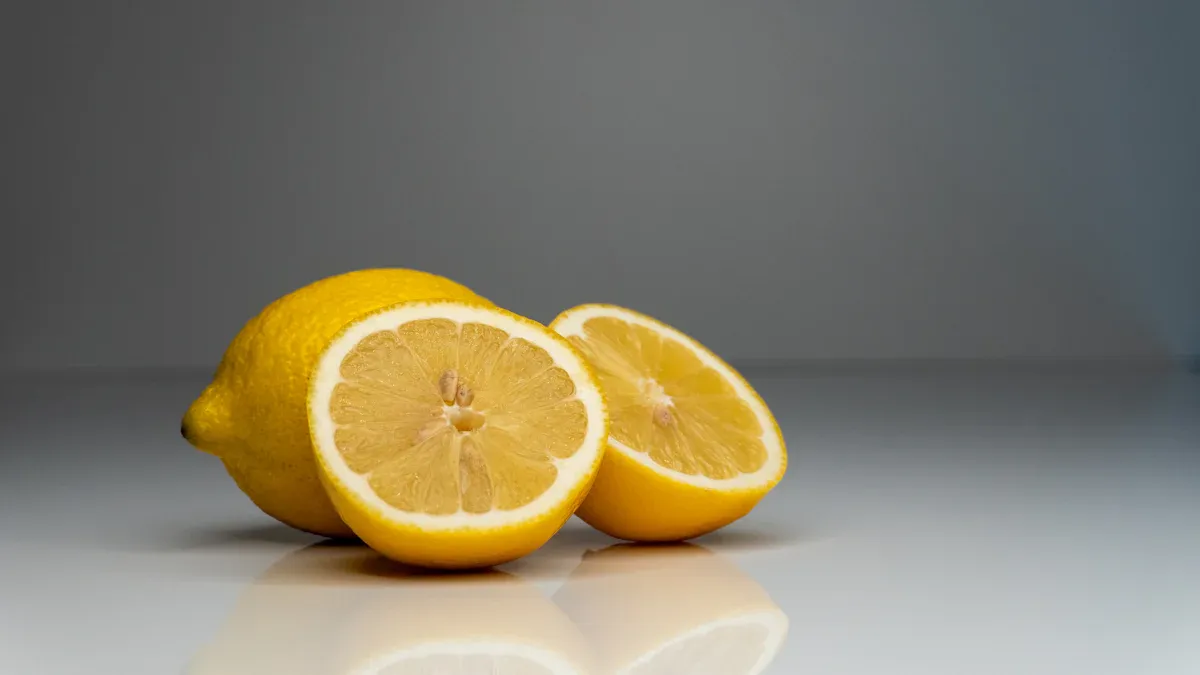
Citric acid works differently. It gives a bright, clean sourness. In drinks, citric acid often brings out more upfront sweetness. You might notice this in lemonade or soda. The sharpness of citric acid can make flavors pop, especially in beverages and canned foods.
Acids do more than just add sourness. They help release aromas in your food. When you use acids like fumaric or citric, they let out more smells that your nose can pick up. This makes the flavor feel richer and more complex. Your brain connects these smells and tastes, giving you a deeper eating experience.
You can also mix fumaric acid with other acids. This can make the flavor even more interesting. It does not change the color or feel of your food, but it adds layers to the taste.
Citric acid gives higher upfront sweetness in drinks.
Fumaric acid creates a true-to-fruit roundness and is less sour.
Mixing acids can boost flavor complexity.
Sensory Impact
When you taste food, you use more than just your tongue. Acids trigger your trigeminal system, which senses tingling or sharpness. This adds depth to what you feel and taste.
At first, you may not notice much difference between foods with fumaric acid and those with citric acid. For example, if you drink two sports drinks, one with each acid, they might taste almost the same. Over time, though, your taste buds start to pick up small differences. You might find that you like one acid more as you keep trying it. This is called hedonic adjustment. Your preferences can change as you get used to the flavors.
Acids also help keep the mouthfeel of your food smooth. Fumaric acid does not change the color or texture, so your food looks and feels the same. Citric acid can sometimes make foods feel a bit sharper or more tangy.
Tip: Try both acids in your recipes. Let people taste them more than once. You may find that preferences shift as people get used to the flavors.
Application

Fumaric Acid Applications
Fumaric Acid is used in many foods that need strong tartness. It works best in dry mixes, baked goods, and processed foods. This acid dissolves slowly, so the sour taste lasts longer. You can add it to cake mixes, tortillas, and cookies. It helps dough rise and keeps it fresh. In drinks like chocolate milk and eggnog, it makes the flavor better and keeps the drink stable. Fumaric Acid also gives a bold aftertaste in desserts like gelatin.
Here is a table that shows where Fumaric Acid is used:
Food Category | Uses of Fumaric Acid |
|---|---|
Beverages | Dry mixes, instant drinks, gelatin desserts for tartness without solubility issues |
Baked Goods | Leavening acid and dough conditioner in cake mixes, cookies, tortillas |
Confectionery | Intense, long-lasting sourness in sour candies and fruit chews |
Meat & Poultry | Flavor enhancer and pH control in marinades and cured meats |
Dairy Alternatives | Acidulant in cheese analogs and plant-based yogurts |
Jams, Jellies, & Fruit | pH adjustment and flavor boost in fruit preparations |
Seasonings & Sauces | Flavor stability in dry seasoning blends and powdered sauces |
Fumaric Acid helps make dough stronger and food last longer. It also keeps flavors stable in many foods.
Note: Use Fumaric Acid if you want strong tartness that stays and if your recipe needs slow dissolving acid.
Citric Acid Applications
Citric acid is best for foods and drinks that need quick sourness. It gives a clean taste. You will find it in sodas, juices, and canned foods. It dissolves fast, so it works well in drinks and gelatin desserts. Citric acid also helps frozen fruits stay fresh and bright. It stops them from turning brown. In dairy foods, it helps mix things together and makes cheese and ice cream smooth.
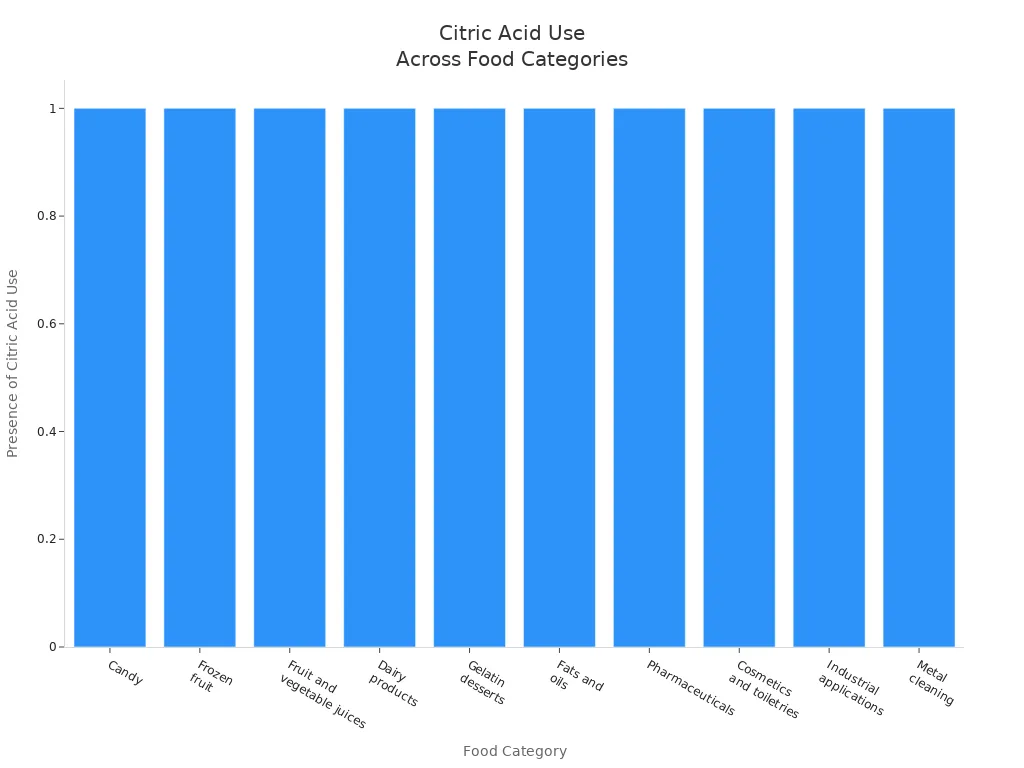
Here is a table that shows where citric acid is used:
Food Category | Use of Citric Acid |
|---|---|
Candy | Adds tartness, prevents sugar breakdown, and gives color |
Frozen fruit | Lowers pH, protects vitamins, stops browning |
Fruit and vegetable juices | Stabilizes and preserves flavor |
Dairy products | Emulsifier in ice cream, acidifier in cheese, antioxidant |
Gelatin desserts | Adjusts pH and helps set |
Fats and oils | Antioxidant, prevents spoilage |
Pharmaceuticals | Effervescent, acidulant, anticoagulant |
Cosmetics and toiletries | pH adjustment, antioxidant, buffer |
Industrial applications | Metal ion chelator, buffer, neutralizer |
Metal cleaning | Removes metal oxides |
Tip: Choose citric acid if you want fast tartness and a bright, clean taste, especially in drinks and canned foods.
You should pick your acid based on how fast you want it to dissolve and how strong you want the sourness. Fumaric Acid gives slow, lasting sourness. Citric acid gives quick, sharp tartness.
Safety
Toxicity
You need to make sure acids in food are safe. Fumaric acid and citric acid have been used safely for a long time. Scientists have checked these acids for many years. Both acids break down easily inside your body. Your body uses them for energy or gets rid of them as waste. There is no harmful buildup if you use the right amount.
Fumaric acid almost never causes allergies. It does not often cause irritation. Citric acid comes from citrus fruits and is safe for most people. Some people with very sensitive skin may feel mild irritation from pure citric acid. This does not happen in finished foods because the acid is mixed in.
Note: Always use the amount experts say is safe. Too much acid can change the taste and upset your stomach.
Usage Limits
You must follow rules when you add acids to food. Food safety groups set these limits to keep everyone safe. Each acid has its own highest amount allowed in different foods. Here is a table that shows the main usage limits for fumaric acid and citric acid:
Acid | Usage Limit |
|---|---|
Fumaric acid | 0.065 percent (or 1 oz to 100 lb) of the weight of the meat, poultry or the meat or poultry byproducts before processing. |
Citric acid | Not to exceed 30 percent in water solution used to spray surfaces of cured cuts, prior to packaging. |
You should always check the newest food safety rules in your country. These limits help you keep food safe and good quality. If you follow the rules, you can use fumaric acid and citric acid without worry.
Regulation
Global Approvals
You have to check if food acids are safe worldwide before using them. Many big food safety groups say fumaric acid and citric acid are okay for making food. These approvals mean you can trust your food will be safe for people to eat.
The U.S. Food and Drug Administration (FDA) says fumaric acid is safe in food.
The European Food Safety Authority (EFSA) lets people use fumaric acid in foods.
Codex Alimentarius gives rules for how much fumaric acid is allowed.
Citric acid is also approved in many places. You see it in lots of foods everywhere. These groups test both acids for safety and set limits on how much you can use.
Tip: Always look at the newest rules from these groups before picking an acidulant for your food.
Compliance
You have to follow special rules when adding acids to foods. These rules can change based on where you make or sell your food. The table below shows the main rules for using fumaric acid in the United States and European Union.
Region | Compliance Requirement |
|---|---|
United States | FDA says fumaric acid is Generally Recognized As Safe (GRAS) for food. |
European Union | EFSA says fumaric acid (E 297) is safe and keeps checking it. |
Citric acid follows similar rules. It is listed as safe in both places. You need to keep good records and use the right labels to follow the law.
What people like in each area can change your choice. Many shoppers want natural and clean-label foods. Over 35% of people look for natural acids like citric acid. This makes citric acid popular if you want to sell more.
Some companies have trouble with hard approval steps. Almost 38% of small businesses find these rules tough. They often pick citric acid because it has been used safely for a long time and has easy-to-follow rules.
Note: If you want to sell food in other countries, learn about their rules and what people like. This helps you avoid problems and keeps your food safe for everyone.
Practical Recommendations
When to Use Fumaric Acid
You should choose Fumaric Acid when you want strong, lasting sourness in your food. This acid works best in dry mixes, baked goods, and processed foods. You can use less of it because it is stronger than citric acid. This helps you lower your ingredient costs. If you want to boost fruit flavors or make sweeteners taste better, Fumaric Acid does a great job. It also helps bread and dough stay fresh longer and gives a better texture.
Here are some key reasons to pick Fumaric Acid:
You want a sour taste that lasts longer.
You need to save money by using less acid.
You want to improve the shelf life and texture of bread or baked goods.
You want to enhance fruit flavors or make sweeteners taste stronger.
You should also think about the other ingredients in your recipe. Some ingredients can hide or boost the sourness. The table below shows what you need to consider:
Factor | Effect |
|---|---|
pH Levels | Changes how sour the food tastes |
Type and Concentration of Acid | Controls how strong the sourness feels |
Other Ingredients | Can hide or boost the sourness |
Tip: Fumaric Acid gives you more control over the sour and salty flavors in your food. You can use it to make your products taste just right.
When to Use Citric Acid
You should use citric acid when you want a quick, clean sour taste. This acid works best in drinks, canned foods, and products that need fast dissolving. Citric acid is easy to find and works well in recipes where you want a bright, sharp flavor. It also helps keep fruits and vegetables from turning brown and keeps dairy products smooth.
Choose citric acid if:
You need a fast-acting acid for drinks or canned foods.
You want a clean, upfront sourness.
You need an acid that is easy to buy and always in stock.
You want to keep fruits and vegetables looking fresh.
You can also use citric acid in recipes where you want to highlight sweetness or make flavors pop. It works well with many other ingredients and fits clean-label trends.
Note: Always test both acids in your recipe. The right choice depends on your product, your budget, and the flavor you want.
You should pick your acidulant by looking at price and how well it works. Think about how it matches your food. Fumaric acid is best for dry mixes and processed foods. Citric acid is great for drinks and sweet foods. Both acids help keep food safe and tasting good.
Aspect | Fumaric Acid | Citric Acid |
|---|---|---|
Acidity regulator, flavor enhancer | Sour taste, preservation | |
Benefits | Improves quality and safety | Extends shelf life, boosts taste |
Fumaric acid helps your body take in nutrients.
Citric acid makes drinks taste better.
Always try acids in your recipes first. Ask experts if you have special needs.
FAQ
What foods use fumaric acid the most?
You often find fumaric acid in dry mixes, tortillas, baked goods, and sour candies. It helps keep these foods fresh and gives them a strong, lasting tartness.
Is citric acid natural or artificial?
Citric acid comes from citrus fruits like lemons and limes. Most food citric acid is made by fermenting sugar with special mold. You get a safe, food-grade acid that works well in many foods.
Can you use both acids in one recipe?
Yes, you can use both acids together. You get a more complex sour taste and better control over pH. Many candy and drink recipes use this mix for a unique flavor.
Are there any health risks if you eat too much?
If you eat too much of either acid, you may get an upset stomach. Always follow safe usage limits. Both acids are safe when you use them as experts suggest.
Tip: Always check food labels for acid content if you have a sensitive stomach.