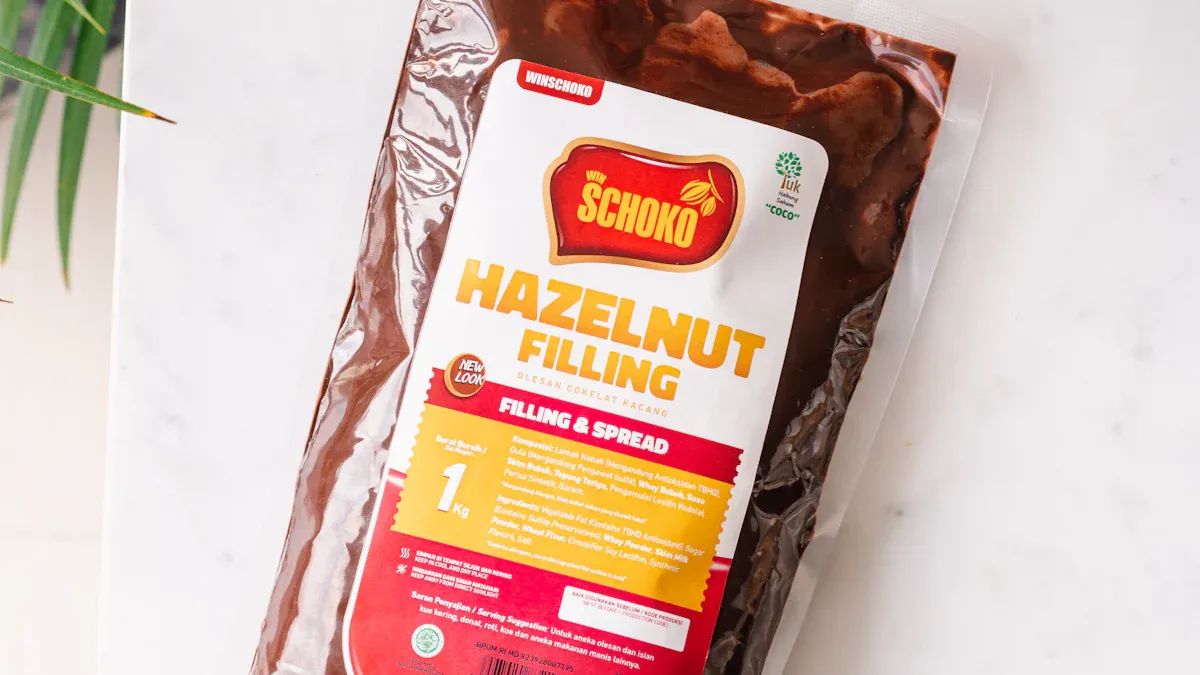
You can often find foods contain tbhq as a preservative in many processed products. The table below shows that foods contain tbhq because companies want to keep them fresh and safe. Foods contain tbhq in food and drinks all over the world, helping to stop oxidation and making food last longer.
Key Point | Details |
|---|---|
Prevalence of TBHQ | Foods contain tbhq widely in food manufacturing around the world as an antioxidant. |
Application Segment | Most foods contain tbhq in food and drinks. |
Purpose | Foods contain tbhq to stop fats and oils from going bad, so food lasts longer. |
Market Drivers | People want more processed foods contain tbhq, care about food safety, and the population is growing. |
Key Takeaways
TBHQ is a preservative used in many processed foods. It is also in snacks and fast foods. TBHQ helps food stay fresh and taste good. It stops food from going bad.
You can find TBHQ in chips, cookies, and frying oils. Look at ingredient labels for ‘TBHQ’ or ‘E319’. This will tell you if it is in your food.
TBHQ is safe when used in small amounts. But it is smart to eat fewer processed foods. Pick fresh fruits and vegetables when you can. Choose snacks that say ‘preservative-free’ for better health.
Foods Contain TBHQ

When you shop for snacks or eat out, you might notice that foods contain tbhq in many popular products. TBHQ, or tert-butylhydroquinone, helps keep food fresh and safe for longer periods. You can find it in snacks, fast food, processed foods, and even some oils and drinks.
Snacks
Many snack brands use TBHQ to protect their products from spoiling. You will see foods contain tbhq in items like crackers, cookies, and chips. TBHQ works as an antioxidant, stopping fats from breaking down and keeping snacks crunchy and tasty.
Pop-Tarts
Rice Krispies Treats
Cheez-Its
Little Debbie Swiss Rolls
Reese’s Peanut Butter Cups
You might also find foods contain tbhq in microwave popcorn, potato chips, and nuts. Snack makers use only a small amount, usually less than 0.02 percent of the oils, because TBHQ is very effective at low concentrations. This means you get longer-lasting snacks without a strong chemical taste.
TBHQ is common in snacks aimed at children, but some people worry about possible health risks, such as allergic reactions. Consumer groups like the Clean Label Project ask for more transparency about ingredients in snacks.
Fast Food
When you eat at fast-food restaurants, you often choose fried foods. Foods contain tbhq in many fried items to keep them fresh and safe. TBHQ is added to frying oils to slow down spoilage and reduce how often restaurants need to change the oil.
Chicken fingers
French fries
Fried meals and snacks at fast-food chains likely contain TBHQ. You might not see it listed on the menu, but it helps keep the oil stable and the food crispy. The food industry uses TBHQ because it works well in small amounts and keeps up with the demand for quick, convenient meals.
Processed Foods
You will find foods contain tbhq in many processed foods at the grocery store. TBHQ helps packaged foods last longer, especially those with fats and oils.
Microwave popcorn
Chips
Chicken nuggets
Crackers
Donuts
Some breads
Pre-made frozen foods
Packaged dinners
Instant noodles
Ramen noodles
Candy
Chocolate
TBHQ is used in these foods to prevent spoilage during shipping and storage. The rise of e-commerce means foods need to stay fresh for longer, so TBHQ has become even more important in processed foods.
Trend Description | Details |
|---|---|
Increased Demand for Processed Foods | More snacks and packaged meals mean more foods contain tbhq for preservation. |
Primary End-User | Food processing industry uses most TBHQ, driven by convenience food demand. |
E-commerce Impact | Stable products for shipping lead to more TBHQ use in packaged foods. |
Oils and Drinks
You may not realize that foods contain tbhq in oils and drinks, but it is common in many products. TBHQ keeps oils from going rancid and helps drinks stay fresh.
Processed fats and oils (like canola oil)
Frying and cooking oils at restaurants
Non-organic packaged foods
Frozen non-organic fish products
Soft drinks
Soy milk brands
Cereals
TBHQ is especially useful in oils used for frying, both at home and in restaurants. It also appears in some packaged drinks and frozen foods to help them last longer.
Some people think TBHQ comes from petroleum and causes health problems, but experts say it does not pose the same risks as raw petroleum. Regulatory agencies have found TBHQ safe at the levels used in food.
Foods contain tbhq in many products you eat every day. You can check ingredient labels to see if TBHQ is present. While TBHQ is also found in non-food items like cosmetics and hair dye, this section focuses on food products.
Why TBHQ Is Used

Preserving Freshness
You want your snacks to taste fresh every time. TBHQ helps make this happen. It works as an antioxidant. This means it stops fats and oils from breaking down. When food is exposed to air, oxidation happens. Oxidation can make food spoil or taste bad. It can also lower the nutrition in food. Foods contain tbhq so they stay crisp and tasty longer.
Here is a table that explains how TBHQ keeps food fresh:
Property | Description |
|---|---|
Chemical Formula | C₁₀H₁₄O₂ |
Appearance | White to light tan crystalline powder |
Function | Prevents spoilage caused by oxidation in processed foods, especially those with unsaturated fats and oils |
Shelf Life Extension | Delays rancidity and preserves flavor |
You will not notice any change in color or taste. TBHQ works at very low levels. Snack makers and fast-food companies like using it.
Shelf Life
When you buy chips or crackers, you want them to last. TBHQ helps foods last for weeks or months. It protects against oxidation. Oxidation makes fats and oils go bad. Foods contain tbhq to stay safe and tasty during shipping and storage.
This table shows how TBHQ helps snack foods and oils last longer:
Source | Key Points |
|---|---|
Optimizing Food Shelf-Life | TBHQ inhibits lipid peroxidation, preventing rancidity and preserving taste and nutritional quality. |
What Is TBHQ, and What Does It Do in Our Food? | TBHQ prevents fat oxidation, helping to maintain flavor and nutritional value, thus extending shelf life. |
What is TBHQ (E319) in food: Uses, Mechanism and Safety | TBHQ protects against oxidative deterioration in fats and oils, enhancing storage stability. |
TBHQ: A synthetic antioxidant for food | TBHQ is widely used to extend shelf life by preventing oxidation in oils and fats. |
Foods contain tbhq in instant noodles and microwave popcorn. Processed meats also use TBHQ to stay fresh. If TBHQ is removed, food spoils faster. It can taste bad and not last as long.
Removing TBHQ can make fats and oils less stable. This affects the quality and safety of processed foods. TBHQ can cut spoilage by up to 70%. It helps your food stay fresh while stored.
Safety and Regulation
You might wonder if TBHQ is safe to eat. Food safety agencies like the FDA have studied TBHQ. The FDA allows TBHQ in foods up to 0.02% of the oil or fat. This amount is safe for most people. The FDA also sets a daily limit of 0.7 mg per kilogram of body weight.
The FDA has rules for TBHQ under 21 CFR 172.185. These rules include purity and melting point.
TBHQ melts between 126.5 °C and 128.5 °C. This helps check its purity.
It is hard to know the exact amount of TBHQ in food. Labels do not always show the details.
You can trust that foods contain tbhq only in approved amounts. The European Food Safety Authority also checks TBHQ. It does not list a maximum level in its rules.
TBHQ and similar preservatives are approved by the Food and Drug Administration for a ‘safe’ amount. But this ‘safe’ dose does not count all processed foods kids, teens, and adults eat in a day, or if someone eats more than the serving size.
Health Concerns
You may have heard people talk about TBHQ safety. Scientists have studied TBHQ for many years. Some studies look at risks like cancer or allergies. They also check changes in cells. Most research says TBHQ is safe at allowed levels. Some experts want more studies, especially for people who eat lots of processed foods.
Here is a table showing some main studies on TBHQ and health:
Study Title | Focus | Year |
|---|---|---|
Toxicology of tert-butylhydroquinone (TBHQ) | Reviews mutagenicity, metabolism, enzyme activities, reproduction, long-term toxicity, and carcinogenicity | N/A |
Mutachromosomal effects of tert-butylhydroquinone in bone-marrow cells of mice | Evaluates mutagenic effects | 1984 |
Short-time pathological and proliferative effects of butylated hydroxyanisole and other phenolic antioxidants in the forestomach of Fischer 344 rats | Investigates pathological effects | 1984 |
Biochemical Studies on tert-Butylhydroquinone (TBHQ) | Analyzes biochemical impacts | N/A |
The Oral Ingestion of t-Butylhydroquinone (TBHQ) by Humans | Studies human ingestion effects | N/A |
Long-term Feedings of TBHQ Levels and Autopsied Fat Analyses | Examines long-term feeding effects | N/A |
Report of the Working Group on the Toxicology and Metabolism of Antioxidants | Reviews antioxidant toxicity | 1982 |
Two-year Chronic Feeding Studies with Tertiary Butyl Hydroquinone (TBHQ) in Dogs | Investigates chronic feeding effects | 1968 |
Most foods contain tbhq in very small amounts. If you eat a balanced diet and check labels, you can limit how much you get. Some companies now use natural antioxidants instead of TBHQ. Examples are ascorbyl palmitate or CytoGUARD ZOX. These meet the demand for clean-label foods.
Tip: If you want to avoid TBHQ, look for products labeled “preservative-free” or “contains natural antioxidants.
You find TBHQ in many processed snacks, oils, and fast foods. It helps keep food fresh but may raise health concerns with frequent exposure.
Check ingredient lists for TBHQ or E319.
Choose whole foods, fresh produce, and natural oils to reduce intake.
Limit processed foods for a balanced diet.
FAQ
What does TBHQ stand for?
TBHQ stands for tert-butylhydroquinone. You find it listed as TBHQ or E319 on food labels.
How can you avoid TBHQ in your food?
Check ingredient lists for “TBHQ” or “E319”.
Choose fresh foods and snacks labeled “preservative-free“.
Is TBHQ safe for children?
You can safely eat foods with TBHQ in small amounts. Experts say the approved levels do not harm children or adults.