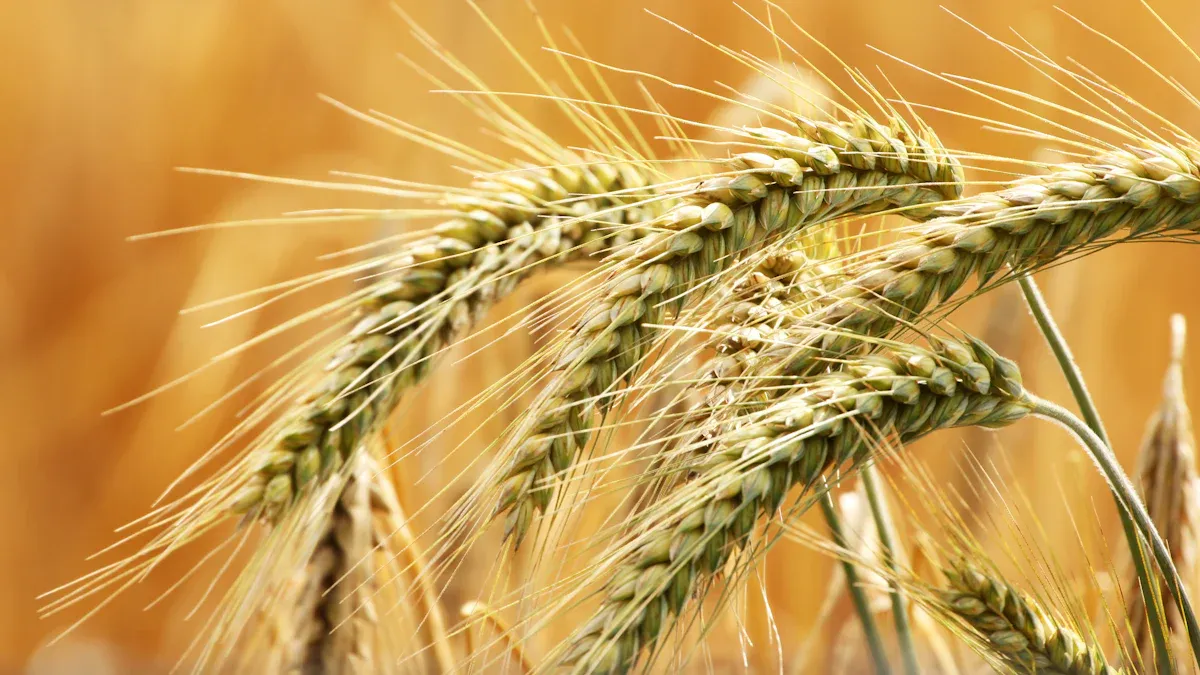
Barley malt extract is not safe for your gluten-free diet. This ingredient comes from barley, which contains gluten. If you see barley malt extract on a label, you should know it has gluten. Many foods with this extract do not list gluten as an allergen, but they still pose a risk.
The FDA does not allow barley malt extract in foods labeled gluten-free.
The FDA rules say gluten-free foods must not contain grains or ingredients that have not been processed to remove gluten.
Does barley malt extract have gluten? Yes, it does.
You need to check ingredient lists and avoid products with barley malt extract to protect your gluten-free diet.
Key Takeaways
Barley malt extract has gluten. It is not safe for a gluten-free diet. You should never eat foods with this ingredient.
The FDA does not allow barley malt extract in gluten-free foods. Always read labels to make sure food is safe.
Words like ‘malt’ or ‘malt syrup’ mean the food has barley and gluten. Learn these words to keep yourself healthy.
If you have celiac disease or gluten sensitivity, even a little gluten can make you very sick. Always be careful.
Pick gluten-free foods like rice, quinoa, and beans. These foods are safe and tasty without any gluten.
What Is Barley Malt Extract

Barley malt extract is a sweet, syrupy ingredient made from barley. You often find it in cereals, baked goods, and snacks. Many people wonder, does barley malt extract have gluten? The answer is yes. This ingredient comes from barley, which always contains gluten. You need to know how malted barley extract is made and why it is not safe for a gluten-free diet.
How Malted Barley Extract Is Made
You can understand malted barley extract better by looking at its production process. The steps include:
Malting: Barley grains go through steeping, germination, and kilning. These steps prepare the barley for further processing.
Steeping: The barley soaks in water to reach the right moisture level.
Germination: The wet barley starts to sprout. This step helps develop enzymes that break down starches and proteins.
Kilning: The sprouted barley dries out. This step locks in flavor and keeps the enzymes active.
After these steps, the barley becomes malted barley. Manufacturers then extract the syrupy liquid, which you know as barley malt extract. This process keeps most of the gluten in the final product.
Note: Malted barley extract has a high amount of starch (about 62%), dietary fiber (about 22.6%), and protein (about 9.5%). The malting process also boosts healthy compounds like GABA and ferulic acid.
You may see other malt products on the market. These can come from grains like wheat or rye. Malted barley extract is different because it always comes from barley and keeps more starch and fiber than other malt products.
Does Barley Malt Extract Have Gluten
You might ask, does barley malt extract have gluten? Yes, it does. Lab tests show that untreated barley malt wort can have gluten levels around 246 parts per million (ppm). Even after some treatments, the gluten content often stays above safe levels for people with celiac disease or gluten sensitivity.
Barley malt extract used in foods can sometimes contain less than 20 ppm of gluten. Some countries allow foods with this level to be labeled gluten-free. However, if you have celiac disease or gluten intolerance, you should avoid barley malt extract. The risk of gluten exposure is still high.
You need to remember that malted barley extract, barley malt extract, and barley malt all contain gluten. If you see any of these on a label, you should not eat the product if you follow a gluten-free diet.
Barley Malt Extract and Gluten-Free Diet
Barley Gluten-Free Myths
You may hear people say that barley malt extract is safe for a gluten free diet. This idea is not true. Many myths surround barley gluten-free foods and ingredients. You need to know the facts before you choose what to eat.
Some people believe that barley malt extract contains only a small amount of gluten. Tests show that barley malt extract can have very high gluten levels. Some samples had 320, 960, or even 1300 parts per million of gluten. These numbers are much higher than the safe limit for a gluten free diet.
You might see cereals or snacks with barley malt extract and think they are safe. Final food products can still have high gluten levels. One cereal had 795 parts per million, while another had 171 parts per million.
Some people think that barley malt extract can be processed to remove gluten. Reliable testing methods do not always show if the gluten is gone. You cannot trust that barley malt extract is safe for a gluten free diet unless the label clearly says it is gluten free and meets strict standards.
The FDA says that foods labeled gluten free cannot contain ingredients from gluten containing grains, like barley, unless they are processed to remove gluten. Barley malt extract does not meet this rule.
Tip: Always check the ingredient list for barley malt extract. If you see it, the product is not safe for a gluten free diet.
Risks for Gluten Sensitivity
If you have celiac disease or gluten sensitivity, you face real risks when you eat foods with barley malt extract. Scientific studies show that barley malt extract can cause problems for people who need a gluten free diet. The malting and brewing process does not remove all gluten. Some harmful gluten peptides can stay in the food and cause symptoms.
You may not know that gluten detection methods do not always find every harmful peptide. This makes it hard to know if a product is truly safe for a gluten free diet. You should avoid barley malt extract to protect your health.
Here are some symptoms that people with celiac disease report after eating barley malt extract:
Diarrhea |
Bloating |
Weight loss |
Anemia |
Bone pain |
Chronic fatigue |
Weakness |
Nutritional deficiencies |
Muscle cramps |
Failure to thrive (in children) |
You may experience these symptoms if you eat foods with barley malt extract or other gluten containing grains. Even small amounts of gluten can trigger a reaction. You need to follow a strict gluten free diet and avoid all sources of gluten, including barley malt extract.
Note: If you have gluten sensitivity, you should talk to your doctor about safe foods. Always read labels and look for hidden sources of gluten.
You can protect yourself by learning about barley malt extract and gluten containing grains. Choose foods that are labeled gluten free and do not list barley malt extract as an ingredient. This helps you stay healthy and avoid symptoms.
Labeling and Identifying Barley Malt Extract

Reading Ingredient Lists
You need to read ingredient lists carefully to avoid gluten in your food. Barley malt extract can appear under different names. If you see “malt,” “malt extract,” or “malt syrup,” you should know these all mean the same thing—they come from barley and contain gluten. Here is a table to help you recognize these names:
Common Name | Meaning |
|---|---|
Malt | Barley Malt |
Malt Extract | Barley Malt Extract |
Malt Syrup | Barley Malt Syrup |
You should always check the ingredient list for these terms. Sometimes, food labels do not clearly say “barley,” but if you see “malt,” you should avoid the product if you need a gluten-free diet.
To protect yourself, follow these steps:
Know the ingredients. Learn which terms mean barley or gluten.
Read labels thoroughly. Look for any mention of barley or its derivatives.
Seek certification. Choose products with gluten-free certification.
Research and inquire. If you are unsure, contact the manufacturer.
Stay updated. Check labels often because recipes can change.
Tip: Always check food labels for barley and its derivatives. Even if a product looks safe, hidden gluten can still be present.
Malt and Gluten on Food Labels
You may notice that food labels in the United States do not always list barley as an allergen. Current laws require wheat to be listed, but not barley or rye. This can make it harder for you to spot gluten in packaged foods. The Food Labeling Modernization Act of 2021 aims to change this by requiring barley and rye to appear in the “Contains” statement. This would help you find gluten-containing grains more easily.
Manufacturers sometimes use barley malt extract in foods labeled as gluten-free. However, the FDA says that barley malt extract cannot be used in gluten-free foods, no matter how much gluten is present. Testing for gluten in barley malt extract is also difficult. Some tests may not detect all gluten, so you cannot rely only on test results.
The FDA states that malt syrup and malt extract are always made from barley.
These ingredients are not processed to remove gluten.
If you see “malt extract” or “malt syrup,” you should assume they contain gluten.
You should avoid any product with barley malt extract, malt extract, or malt syrup if you need to stay gluten-free. Always look for clear gluten-free labeling and stay informed about changes in labeling laws.
Avoiding Barley Malt Extract
Safer Alternatives for Gluten Free Diet
You have many safe choices when you want to avoid barley malt extract and gluten in your meals. Many grains and flours do not contain gluten and work well in recipes. You can use these options for baking, cooking, or as a base for breakfast cereals and snacks.
Here are some popular gluten-free alternatives:
Rice
Millet
Quinoa
Buckwheat
Amaranth
Arrowroot
Beans
Cassava
Chia
Corn
Flax
Gluten-free oats
Nut flours
Potato
Sorghum
Soy
Tapioca
Teff
Yucca
These ingredients help you make tasty foods without risking gluten exposure. You can find gluten-free versions of bread, pasta, and snacks made from these grains. Always check that the product is labeled gluten-free to avoid hidden gluten.
Tip: Gluten-free certification programs, like those approved by the FDA and GFCO, review ingredients and test for gluten. They do not allow barley malt extract in certified products. Look for these labels to help you stay safe.
Practical Tips
You can protect yourself from gluten by following some simple steps when shopping or eating out. Use these tips to avoid barley malt extract and other sources of gluten:
Read labels carefully. Watch for hidden barley ingredients such as malt or yeast extract. If you see these, the product likely contains gluten unless it is labeled gluten-free.
Stay alert about malt. Barley malt is hydrolyzed, which makes it hard for some tests to find gluten. Do not rely only on testing devices.
Do not trust a Nima sensor for malt. These sensors cannot detect gluten in hydrolyzed products like barley malt extract.
Watch out for “wheat-free” labels. Wheat-free does not always mean gluten-free. Barley malt extract can still be present.
Be careful with imported foods. In the U.S., food labels do not always list barley. Other countries may have different rules, so check all labels closely.
You can lower your risk of gluten exposure by choosing certified gluten-free products and learning to spot risky ingredients. Staying informed and careful helps you enjoy a safe, gluten-free diet.
If you eat gluten-free, do not eat barley malt extract. Barley malt extract has gluten. Gluten can hurt people with celiac disease or gluten intolerance. Always look at food labels for “malt” or “barley malt extract.” Many processed foods hide gluten. Reading labels carefully keeps you safe.
Keep up with FDA rules about gluten on labels. These guides help you pick safe foods.
Misconception | Clarification |
|---|---|
Barley malt extract lacks nutritional value | |
Malt extract is similar to artificial sweeteners | It is a natural sweetener made from glucose and maltose. |
Malt extract is bad for digestive health | It helps gut health by helping good bacteria grow. |
Pick certified gluten-free foods. Keep learning about new labeling laws.
FAQ
Is barley malt extract always made from barley?
Yes, barley malt extract always comes from barley. You should avoid it if you need a gluten-free diet. Other malt extracts, like wheat malt, also contain gluten.
Can you eat foods with barley malt extract if you have celiac disease?
No, you cannot eat foods with barley malt extract if you have celiac disease. This ingredient contains gluten and can trigger symptoms.
What foods often contain barley malt extract?
You often find barley malt extract in breakfast cereals, granola bars, baked goods, and some candies. Always check the ingredient list before eating.
How can you spot barley malt extract on a label?
Look for words like “malt,” “malt extract,” or “barley malt syrup.” These all mean the product contains gluten. If you see these, do not eat the food.
Are there gluten-free substitutes for barley malt extract?
Yes! You can use rice syrup, honey, or maple syrup as gluten-free sweeteners. These options do not contain gluten and work well in recipes.