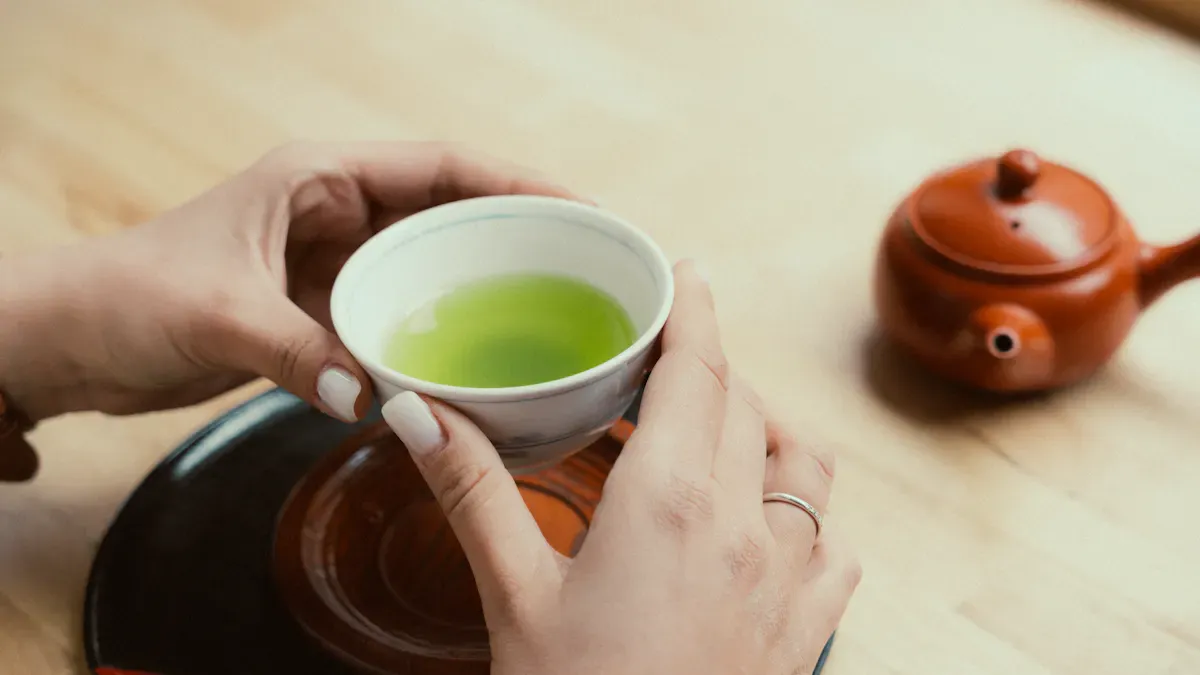
Does matcha have more caffeine than you think
Wondering how much caffeine in matcha? A typical serving has 38–88 mg, rivaling coffee and far exceeding green tea.

Wondering how much caffeine in matcha? A typical serving has 38–88 mg, rivaling coffee and far exceeding green tea.
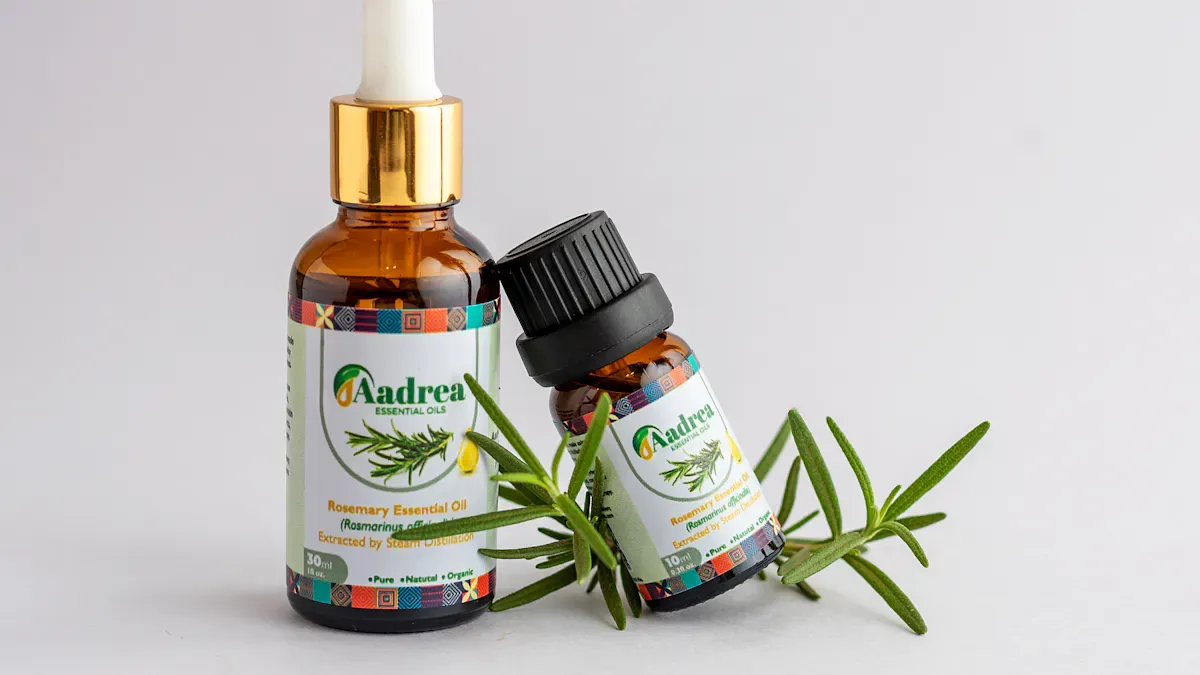
Rosemary extract food preservative naturally extends shelf life, fights spoilage, and keeps your meals fresh and safe without artificial additives.
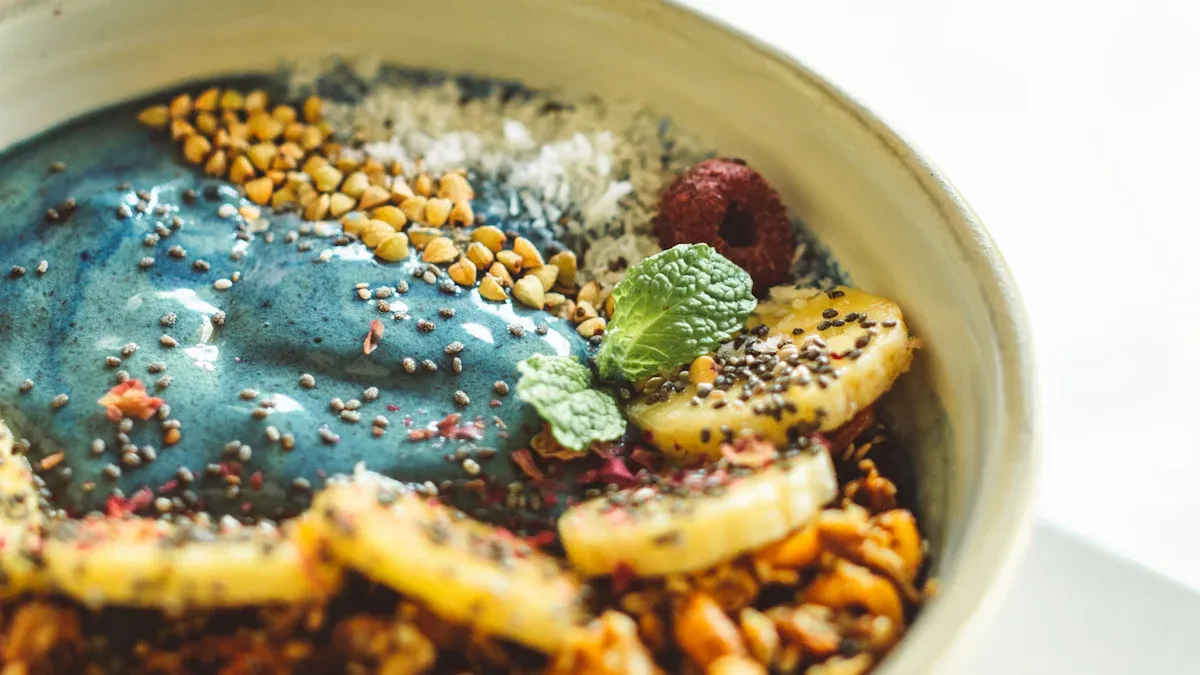
Blue spirulina tastes mild, neutral, and less earthy than regular spirulina. Wondering what does blue spirulina taste like? It blends easily without strong flavors.
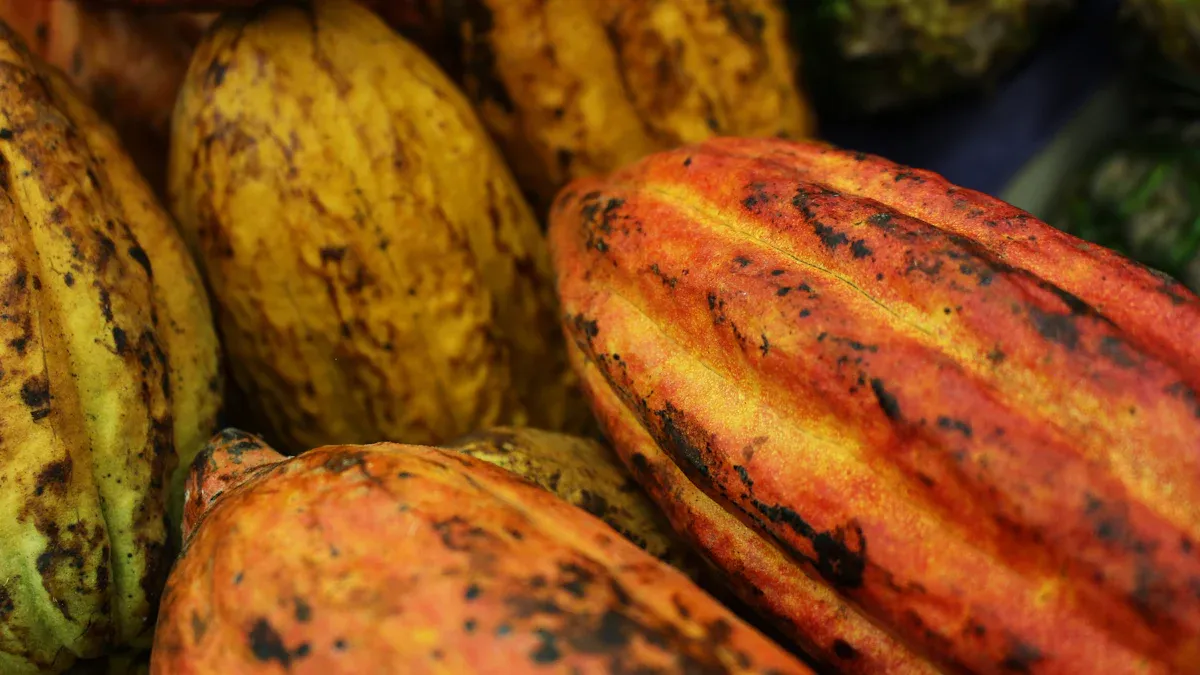
Is cacao powder the same as cocoa powder? No—cacao is less processed, keeps more nutrients, and tastes more bitter than sweeter, milder cocoa powder.
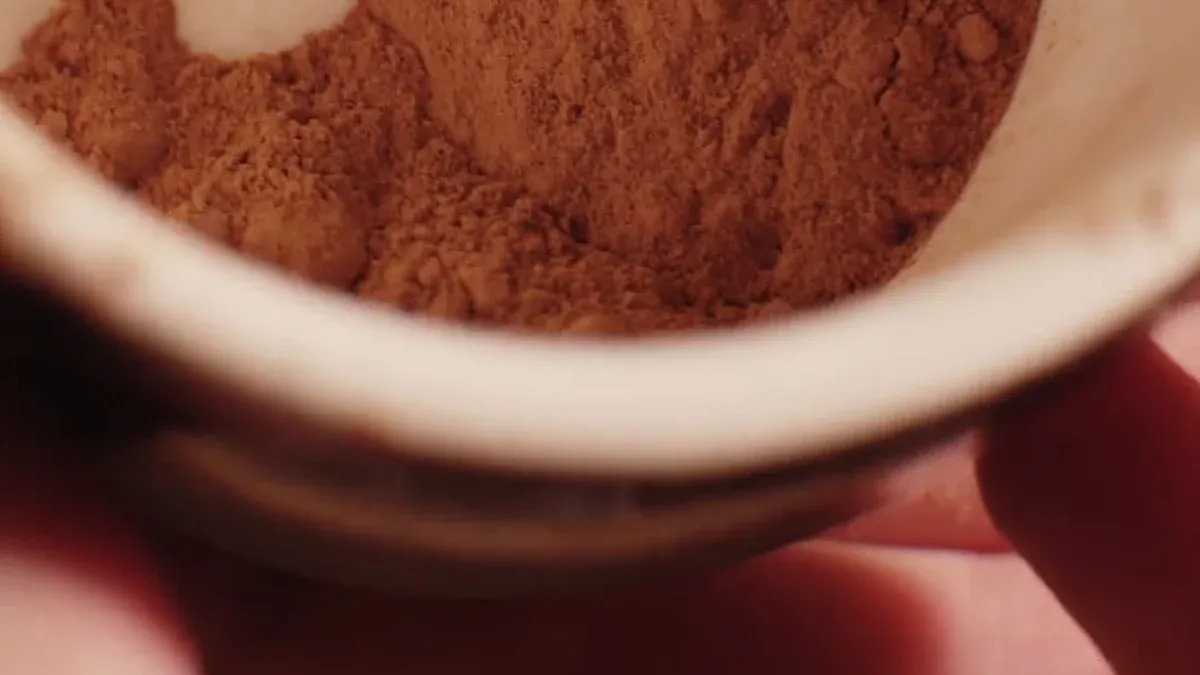
Pure cocoa powder is gluten free, but always check labels for cross-contamination or added gluten ingredients to ensure safety for gluten-free diets.
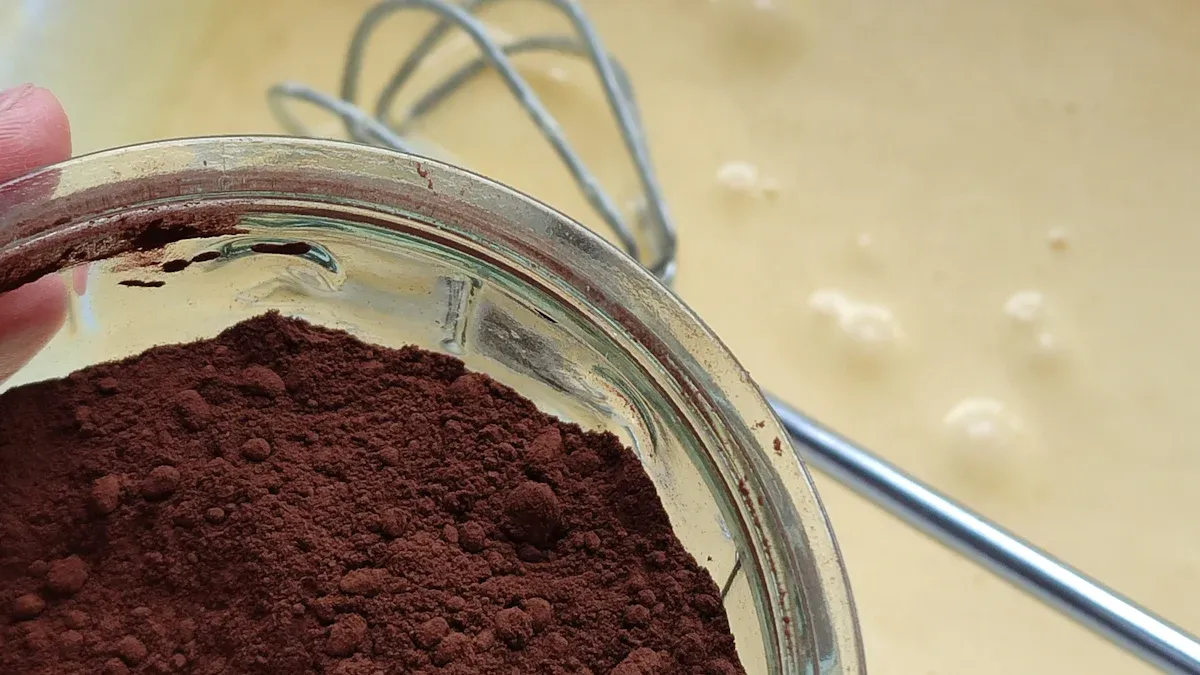
Cocoa powder contains caffeine, about 12–26 mg per tablespoon—much less than coffee. Check labels for exact caffeine and theobromine levels.
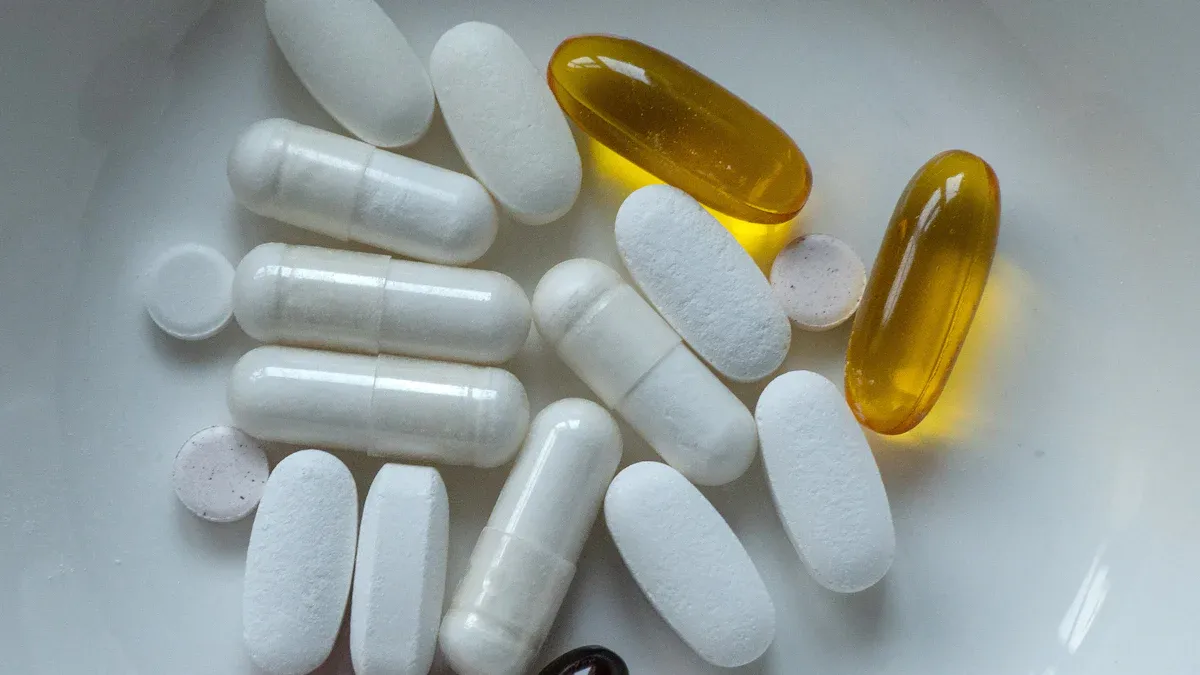
CoQ10 vs ubiquinol: Find out which form is best for your age, health, and absorption needs. Learn who benefits most from each type and how to choose wisely.

Disclosure: Anrui Biotech provided benchmark methods and may supply MCC (E460(i)) and silicon dioxide (E551) grades. Any performance claims below are method‑based expectations and literature‑anchored;

High‑fat snacks and edible oils fight the same enemy: oxygen. Oxidation dulls color, produces off‑flavors, and shortens sellable life—driving waste, customer complaints, and line rework.