Gardenia yellow makes your snacks look brighter Gardenia yellow, a natural food additive, gives snacks a bright look while supporting clean-label trends and offering a safe, plant-based coloring option. Read more
What Is Sodium Lactate Used For Sodium lactate is used to preserve food, moisturize skin in cosmetics, and balance fluids in medical IV solutions. Read more
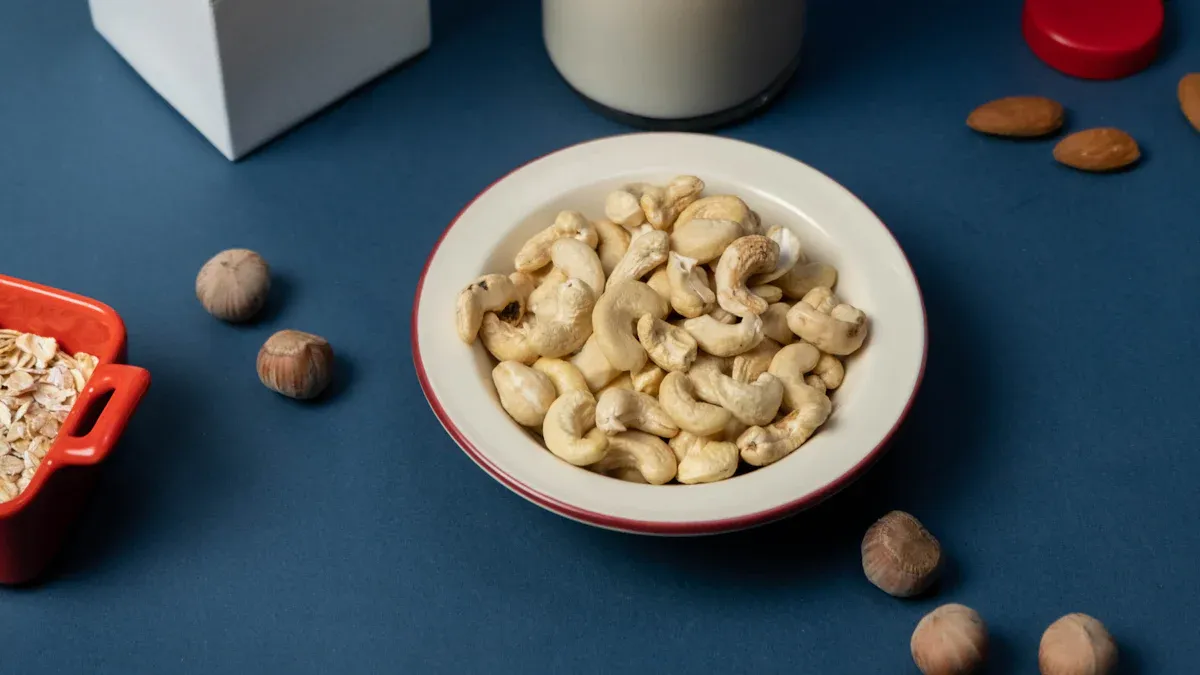
Top Tips for Non Dairy Sour Cream Substitutes Find the best non dairy substitute for sour cream for baking, dips, and vegan diets. Get tips on taste, texture, and allergy-friendly options. Read more
Dairy vs Non Dairy Whipping Cream for Baking and Cooking Compare dairy and non dairy whipping cream for baking and cooking. Find out which suits your recipes, dietary needs, and taste preferences best. Read more
Comparing Sorbic Acid and Potassium Sorbate in Food Preservation Compare sorbic acid vs potassium sorbate for food safety, effectiveness, solubility, and best uses to choose the right preservative for your product. Read more
What links spirulina and phycocyanin in nutrition Phycocyanin is the key antioxidant pigment in spirulina, boosting its nutritional and anti-inflammatory benefits for better health. Read more
Comparing Cellulose Gum and Carrageenan in Food Products Cellulose gum vs carrageenan: compare safety, health risks, and uses in food to help you choose the best additive for your diet and digestive health. Read more
Top 3 spirulina and chlorella benefits for better health Spirulina and chlorella benefits include immune support, heart health, and detox. Find out how these superfoods boost energy and overall wellness. Read more
Niacin vs Niacinamide Exploring Health and Skincare Benefits Niacin vs niacinamide: Understand their unique roles in heart health, cholesterol, and skincare to choose the best vitamin B3 form for your needs. Read more
What is DATEM and Why is it Used in Food What is DATEM? DATEM is a food emulsifier that improves bread texture, keeps baked goods soft, and is considered safe by the FDA for use in food. Read more