E319 · Oil-Soluble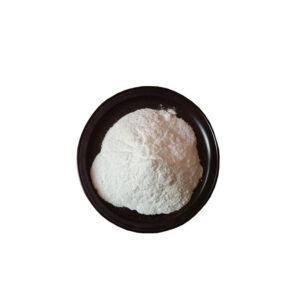
TBHQ
A commonly requested antioxidant for edible oils, frying oils, snacks, instant noodles and other fat-containing foods.
View Product Details →
Source TBHQ, BHA, BHT, ascorbyl palmitate, sodium erythorbate and plant-derived antioxidant ingredients for edible oils, snacks, meat products, bakery, pet food and nutrition applications. Anrui supports grade selection, samples, bulk supply and export documentation.
Use this overview to compare commonly requested antioxidants for fat-rich foods, aqueous products and plant-derived formulations. Final suitability depends on grade, dosage, product matrix, process, packaging, storage and destination-market requirements.
| Product | Type / Identifier | Phase Compatibility | Typical Applications | Selection Reference | Product Page |
|---|---|---|---|---|---|
| TBHQ | Synthetic phenolic · E319 | Oil-soluble | Edible oils, frying oils, snacks, instant noodles, meat and fat-containing foods | Commonly evaluated for oxidative stability in vegetable oils and high-temperature fat systems | View TBHQ |
| BHA | Synthetic phenolic · E320 | Fat- and oil-soluble | Fats, oils, cereals, bakery, snacks, chewing gum and flavour systems | Often used in fat-containing products; confirm permitted food categories and maximum level | View BHA |
| BHT | Synthetic phenolic · E321 | Fat- and oil-soluble | Edible fats, cereals, snacks, chewing gum, feed and selected oil-based products | May be evaluated alone or in an antioxidant system; market permissions vary | View BHT |
| L-Ascorbyl Palmitate | Vitamin C ester · E304(i) | Oil-compatible; very low water solubility | Edible oils, fats, nutrition products, emulsions and selected powdered foods | Fat-compatible option often considered with tocopherols or other antioxidant systems | View E304(i) |
| D-Sodium Isoascorbate | Sodium erythorbate · E316 | Water-soluble | Processed meat, seafood, beverages, fruit and vegetable products | Suitable for aqueous systems; performance depends on pH, oxygen exposure and process sequence | View E316 |
| Tea Polyphenols | Plant-derived polyphenols | Grade dependent | Beverages, oils, meat products, bakery, nutrition and functional foods | Specify assay, catechin profile, colour, flavour impact and water- or oil-compatible grade | View Tea Polyphenols |
| Tannic Acid | Plant-derived polyphenol | Water-soluble | Beverage clarification, flavour systems and selected food or industrial applications | Review purity, botanical source, astringency, colour and destination-market permitted use | View Tannic Acid |
| Grape Seed Extract | Plant-derived extract | Grade dependent | Functional beverages, nutrition products, supplements and selected food formulations | Specify polyphenol or OPC assay, carrier, colour, flavour and required declarations | View Grape Seed |
This table is a sourcing overview, not a final dosage or regulatory specification. Antioxidants do not replace appropriate raw-material control, processing, packaging and storage. Request the product-specific specification, COA and sample before final selection.
Compare fast-moving oil-soluble, water-soluble, synthetic and plant-derived options according to the food matrix, process and target market.
A commonly requested antioxidant for edible oils, frying oils, snacks, instant noodles and other fat-containing foods.
View Product Details →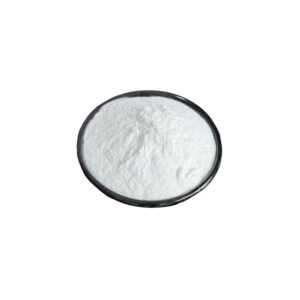
A fat-compatible antioxidant used in permitted applications such as oils, cereals, bakery, snacks and flavour systems.
View Product Details →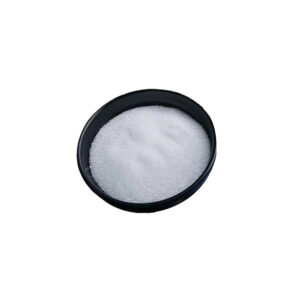
A synthetic phenolic antioxidant for selected edible fats, snacks, cereals, chewing gum, feed and oil-based products.
View Product Details →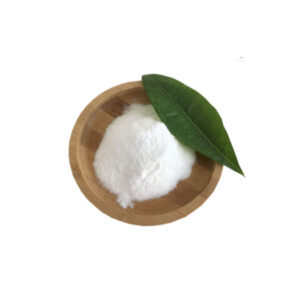
A fat-compatible vitamin C ester for edible oils, fats, nutrition products, emulsions and selected powdered foods.
View Product Details →
Also known as sodium erythorbate, this water-soluble option is used in selected meat, seafood and beverage systems.
View Product Details →
A plant-derived antioxidant category for beverages, oils, meat products, bakery, nutrition and functional foods.
View Product Details →Selection depends on the oxidisable substrate, fat composition, product phase, oxygen and light exposure, processing temperature, packaging and required shelf life.

Evaluate oil-compatible antioxidant systems for vegetable oils, frying oils, margarine and fat-based ingredients.

Support oxidative stability in instant noodles, chips, nuts, cereals and other oil-containing snack systems.
Match water- or fat-compatible options with the process, packaging, colour and flavour-stability requirements.

Consider the fat phase, baking temperature, flavour system and packaging in bread, cakes, cereals and premixes.

Support the stability of fats, palatants, vitamins and other oxidation-sensitive components in feed systems.

Review purity, assay, phase compatibility, colour and flavour impact for powders, capsules, beverages and emulsions.
A suitable antioxidant must match the oxidation mechanism, product phase, processing conditions, label objective and destination-market rules.
Review the fat source, unsaturation level, metal ions, pigments, vitamins, flavours and current signs of rancidity, colour loss or nutrient degradation.
Select oil-compatible antioxidants for lipid phases and water-soluble options for aqueous systems. Emulsions may require protection in more than one phase.
Consider addition point, heating, frying, mixing, oxygen pickup, light exposure, packaging headspace and storage temperature.
Single antioxidants or compatible combinations may be assessed together with chelators, packaging and process controls where permitted.
Check permitted food categories and use levels, then complete suitable oxidative-stability, peroxide-value, sensory and shelf-life testing.

Document availability depends on the selected antioxidant, grade and batch. Tell us the product name, application, destination market and required files.
Request the Certificate of Analysis for batch-specific assay and specification review.
Safety documentation is available for transport, handling and procurement processes.
Confirm product-specific regulatory information according to the destination market and food category.
Halal, Kosher, non-GMO, allergen and origin documents should be checked by product, grade and batch.
From sample evaluation to bulk export, our team supports food manufacturers, brands and distributors with sourcing, documentation and logistics coordination.
Regular inventory supports efficient handling of selected fast-moving antioxidants and bulk procurement requirements.
Source antioxidants together with preservatives, emulsifiers, thickeners, vitamins and other food ingredients.
Selected in-stock ingredients can be processed quickly to support urgent sampling and production schedules.
We support international buyers with document checks, specification matching and shipment coordination.
Send the product name, application, fat or water phase, target specification, expected quantity and destination market. Our team will check suitable options and documents.
Please provide the antioxidant name, food application, target grade, expected quantity, destination country and required documents. For product matching, also include the oil or fat type, processing temperature, packaging and target shelf life.
Antioxidants mainly help slow oxidative changes such as rancidity, colour loss and degradation of oxidation-sensitive components. Antimicrobial preservatives target spoilage or pathogenic microorganisms. Some products require both strategies.
The choice depends on the oil or fat, processing temperature, food category, target market, sensory requirements and permitted use level. Application testing and regulatory review are required before commercial use.
Tea polyphenols, grape seed extract and tannic acid are available for selected applications. Specify the assay, botanical source, colour, flavour impact, phase compatibility and destination-market requirements.
Compatible antioxidants may show complementary performance, and some systems also use permitted chelators or process controls. Compatibility, dosage, sensory impact and market regulations must be validated.
Yes. Sample availability and documents should be checked according to the selected product, grade and batch. Samples can be used for oxidative-stability and finished-product evaluation.
We can provide available product documents and regulatory information for review. The buyer and finished-food manufacturer should confirm the permitted food category, maximum level and labelling with the relevant authority.
Packaging and delivery arrangements depend on the selected antioxidant, grade, order quantity and destination. Request a quotation with the estimated volume and delivery location for confirmation.
Tell us the food application, product name, oil or water phase, required quantity and destination country. Our team will check suitable options, available documents and supply arrangements.
Tell us the ingredient, application and required quantity. Our team will recommend a suitable product and provide a competitive quotation.