You see a fast rise in natural blue food color demand. Many people want foods with clean-label ingredients. They try to stay away from artificial colors. Surveys show almost 60% of people avoid synthetic food colors. About 75% look for foods without artificial additives. The blue spirulina segment will grow at a rate of 8.9% from 2026 to 2033. Getting a true blue color in food is still hard. Phycocyanin gives a good way to solve this problem. This change is important for both buyers and food makers.
Key Takeaways
Natural blue food colors, like phycocyanin from spirulina, are becoming more popular. People want cleaner and safer ingredients in their food. New rules are making food companies use fewer synthetic dyes. This makes natural colors more important and needed. Better ways to get and use these colors help keep them bright and stable in foods. The market for natural blue colors will grow a lot. This is because people want clean-label foods and healthier choices. When you shop, check for phycocyanin on labels. This helps you pick foods with natural blue colors.
Drivers of Natural Blue Color Demand
Consumer Shift to Natural Ingredients
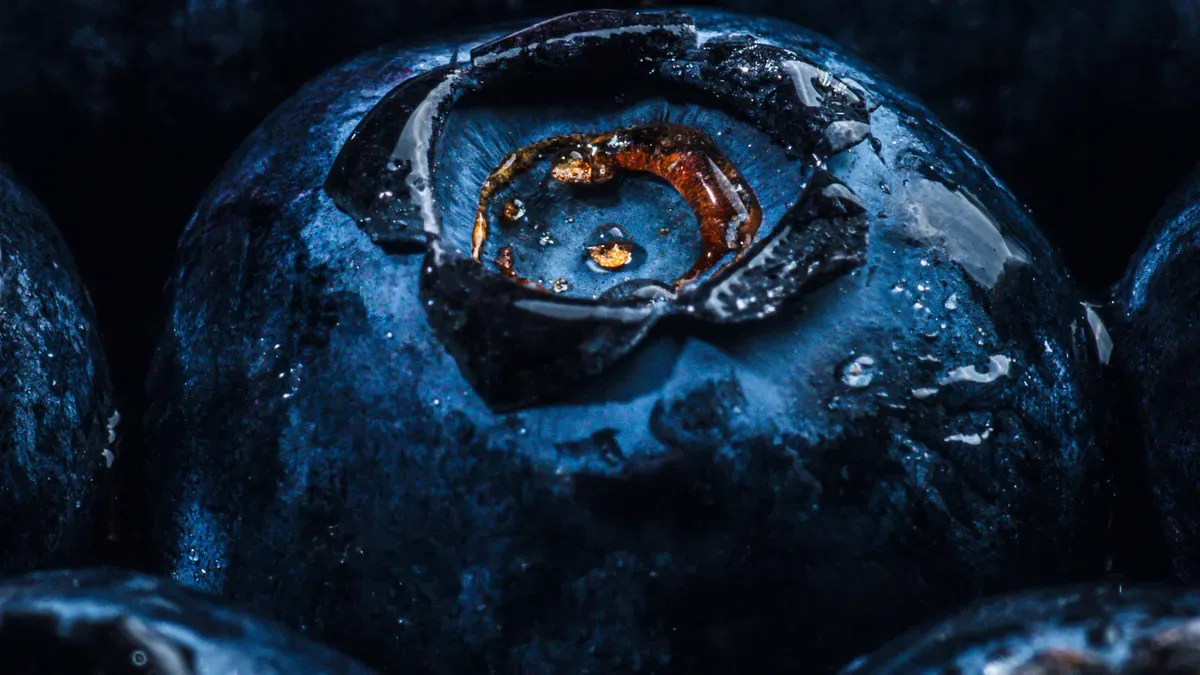
People are changing how they pick food. Many want natural ingredients and skip artificial colors. Health worries and new rules make you choose clean-label foods. Almost 60% of shoppers now avoid artificial ingredients. You want to know what is in your food and trust the label. This is not just a trend. It is a real change in what you want from food companies.
Note: Many food types now use natural colors. You see this in bakery, drinks, dairy, and processed foods.
Application Segment | Key Drivers |
|---|---|
Bakery and Confectionery | More people want pretty foods and natural choices. |
Beverages | Social media and health trends push natural blue colors. |
Dairy and Frozen Products | New products and better ways to keep blue colors bright. |
Processed Foods | Healthier ingredients and teamwork for custom solutions. |
Companies use natural blue colors like phycocyanin to meet your needs. This pigment comes from spirulina and gives foods a bright blue color. You see it more in drinks, candy, and dairy foods.
Regulatory Push Against Synthetic Dyes
New rules now limit synthetic dyes. Food safety groups in the U.S., Europe, and Asia check artificial colors more. Some countries ban or limit dyes like Blue 1, Red 40, and Yellow 5. The European Union has strict rules and warning labels for some colors. In the U.S., the FDA wants warning labels and California plans to remove Blue 1 from school food. Canada and Mexico also want more natural ingredients.
Country/Region | |
|---|---|
United States | Tough rules on fake colors, support for natural ones. |
European Union | Strict rules with bans and labels for some colors. |
Canada | Rules support using natural ingredients. |
Mexico | Better food safety rules to use natural colors. |
You want safer food, and these rules help companies use natural blue colors. Phycocyanin is now a safe and approved choice.
Industry Innovation
You get new ideas from the food industry. Companies spend money on research to use natural blue colors better. They use new ways to get and mix these colors. These steps help blue colors stay bright and last longer in food.
Innovation Type | Description |
|---|---|
Multifunctional and Hybrid Forms | Custom solutions for taste and looks. |
Novel Extraction Techniques | New ways like supercritical fluid extraction and biofermentation make colors last longer. |
Advanced Formulation Techniques | Make bright and lasting blue colors in baked foods. |
Integration of Technologies | Meet needs for looks and use, helping the market grow. |
Big brands like PepsiCo and Kraft Heinz work on new blue colors. They try to make phycocyanin more stable and easy to use. These new ideas help bring more natural blue foods to you.
Challenges of Natural Blue Color
Limited Natural Pigments
It is hard to find a true blue color in nature. Most natural pigments are red, yellow, or green. Blue is not common. There are only a few natural blue pigments. This makes it tough for food companies to make bright blue foods without fake dyes.
There are fewer natural blue pigment choices than other colors.
You must use special recipes and packaging to keep the blue bright.
These pigments can be hard to keep stable in different foods.
If you look at blue pigments and others, you see they are not the same:
Pigment Type | Applications | |
|---|---|---|
Phycobiliproteins | 5.0–7.5 | Color confections, dairy, soft drinks |
Other Natural Colorants | Acidic pH | Various food products |
Stability Issues
You want your food to look nice and last longer. Natural blue colors can fade or change fast. Light, heat, and acid can make the blue go away. Sunlight can cause up to 40% color loss in 40 hours. Washing and cleaning can also break down the color. If food gets too wet, bacteria and fungi can eat the pigment. Heat and wetness make this happen faster, so food looks pale.
Note: You must store and handle foods with natural blue colors with care to keep them looking good.
Market Needs
More foods use natural blue colors each year. The market for these colors grows fast, about 10.2% each year. Fake blue dyes are used less, dropping by 2.5% each year. People want clean-label foods, so big brands use more natural blue colors like phycocyanin. New technology helps make these colors last longer and cost less.
The market grows because people want clean-label foods.
Biotechnology helps blue colors stay bright and be cheaper.
Big brands change recipes to use natural blue colorants.
People want better, safer, and more natural blue foods.
Phycocyanin as a Blue Color Solution
Source and Extraction
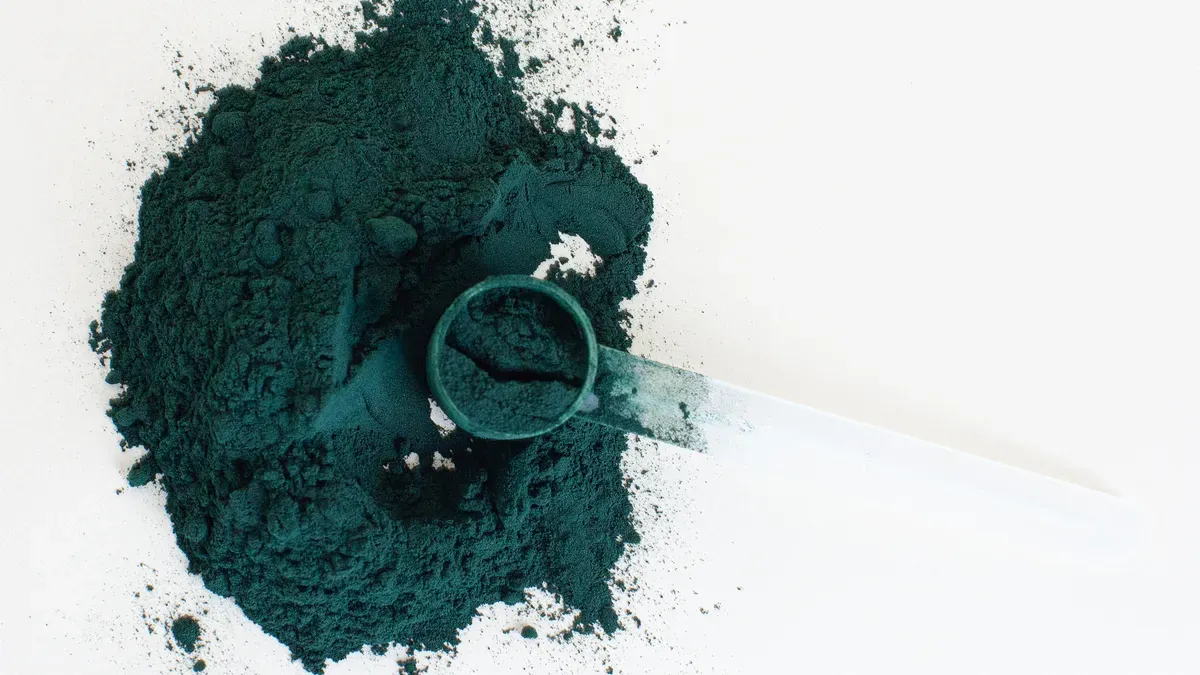
Have you ever wondered where blue food color comes from? Phycocyanin is a natural blue pigment from spirulina algae. Food makers use water to get this pigment out. This keeps the color safe for you to eat. It also helps keep the blue shade bright.
Source | Description | Extraction Method |
|---|---|---|
Spirulina Algae | LINABLUE is a blue pigment from spirulina. It is safe to eat. | Water-based processes |
More foods and drinks use phycocyanin now. People want natural colors in their food. Almost half of the phycocyanin market is for food and drinks. This happens because many people want safer, plant-based colors.
Note: Using water keeps phycocyanin pure and safe for food.
Versatility in Foods
Phycocyanin is found in many foods you eat. It gives ice cream, gum, candy, gummies, and jelly a bright blue color. Food makers use it in sweet treats and drinks. You may have seen blue Smarties or blue spirulina lattes. Blue functional drinks also use phycocyanin. These products have a clean-label blue color.
Food Products | Description |
|---|---|
Ice cream | Dessert with phycocyanin |
Gum | Chewy treat with blue color |
Candy | Many types of sweets |
Gummies | Soft, chewy candies |
Jelly | Gelatin dessert |
Blue Smarties (Nestlé)
Blue spirulina lattes
Blue functional drinks
Clean-label blue sweets
Phycocyanin is used in more foods each year. Food makers pick it because it works in many recipes. It meets your need for natural ingredients.
Comparison to Synthetic Dyes
You might wonder how phycocyanin compares to synthetic blue dyes. Phycocyanin gives a bright cobalt to sky blue color. FD&C Blue No. 1 is bright but looks a bit greenish blue. Phycocyanin comes from plants. FD&C Blue No. 1 is made from petroleum.
Parameter | Phycocyanin | FD&C Blue No. 1 |
|---|---|---|
Color Shade | Cobalt to sky blue | Bright, greenish blue |
Heat Stability | Breaks down above 55°C | Stable above 200°C |
Light Stability | Needs UV-protective pack | Stable in light |
Cost per Unit of Color | $12–18/kg | |
Consumer Perception | Positive (natural) | Negative (artificial) |
Phycocyanin is safer and more natural, but costs more. It needs careful handling. Many people like phycocyanin because it is plant-based. It does not have the same health worries as synthetic dyes. Food safety groups say phycocyanin is safe in many countries. Synthetic dyes like FD&C Blue No. 1 are banned or have warning labels in some places.
Parameter | Phycocyanin (Natural, E18) | FD&C Blue #1 (Brilliant Blue FCF) |
|---|---|---|
Source | From spirulina | Made from petroleum |
Regulatory Restrictions | Approved in many places |
Tip: If you want natural blue color, check for phycocyanin on the label.
Technical and Regulatory Barriers
Heat and pH Stability
Natural blue colors can lose their brightness in food. Phycocyanin comes from spirulina and is very sensitive. Heat or acid can make the blue color fade or vanish. This is a problem for foods like baked goods, sodas, or yogurts. Food makers need special ways to keep the blue color stable. Many companies use new packaging and gentle processing to help. These steps help phycocyanin stay bright and last longer.
Tip: Keep foods with natural blue color in cool, dark places. This helps the color stay strong.
Safety and Approval
You want your food to be safe. Food safety groups check new colors before they are sold. In the U.S., phycocyanin has GRAS status for some foods. This means experts say it is safe in certain foods. But phycocyanin can still fade from heat, light, or acid. Food makers must prove their products stay safe and look good.
Regulatory Hurdle | Description |
|---|---|
GRAS Status | In the U.S., phycocyanin has GRAS status for some uses, showing some approval. |
Stability Issues | Phycocyanin’s color fades with heat, light, or acid, so it is hard to use in many foods without extra help. |
Supply and Cost
Natural blue foods can cost more money. Making phycocyanin is expensive and needs special tools. The process to get and clean this pigment is hard. Phycocyanin is also sensitive to heat, light, and pH when stored or shipped. These things make it tough for small companies to sell it cheaply. The supply chain is tricky if you want the color to stay bright and the price low. This is why foods with natural blue color can be more expensive, especially in places where cost matters.
Note: As technology gets better, natural blue foods may become cheaper and more stable.
Impact on Products and Consumers
Reformulation Trends
You see many food companies changing how they make products to use natural blue colorants like phycocyanin. These changes help keep foods bright and appealing without synthetic dyes. Companies use new methods to add phycocyanin at the right time and in the right way. For example:
Gummy makers add phycocyanin after cooking, during the cooling step. They adjust the pH to keep the color stable and improve taste. This change led to an 18% jump in sales.
Sports drink brands use encapsulated phycocyanin. They change how they process the drinks to protect the color. This approach increased purchase intent by 23%, even though the shelf life became shorter.
Cafés create blue lattes by mixing phycocyanin with ascorbic acid. They serve these drinks in opaque cups to protect the color. These lattes attract more people and get lots of attention on social media.
You benefit from these reformulations because you get more natural choices and exciting new products.
Labeling and Transparency
When you pick foods with natural blue color, you want to trust what you see on the label. Companies that use plant-based colors like phycocyanin often highlight this on their packaging. This builds trust and lets brands charge more for their products. You also see brands stand out by using clean-label claims.
More than 40% of new products will use organic or sustainably sourced colorants by 2027.
Companies use digital supply chain tools to show where their ingredients come from. By 2027, 70% of brands will use these tools to give you more information and reduce risks.
You can check labels and feel confident about what you eat.
Consumer Experience
You want food that looks good and feels safe. Products with phycocyanin give you bright blue colors from natural sources. Many people like plant-based ingredients more than synthetic ones. You see more clean-label foods in stores because shoppers like you ask for them. Synthetic dyes often make people worry about health, but natural blue colors do not have the same concerns.
You enjoy foods that look fun and taste good.
You trust brands that use natural colors.
You help drive the demand for safer, cleaner foods.
Tip: Look for phycocyanin or spirulina extract on labels if you want natural blue foods.
Future of Natural Blue Color
Research and Innovation
Scientists work hard to make natural blue food colors better. They study anthocyanins, which make blueberries look blue. Microencapsulation helps protect these pigments from fading. Xanthan gum and carboxymethyl starch keep the color bright for longer. After a month, most samples still look blue and fresh. Supercritical carbon dioxide extraction gets more color out of plants. This method can recover almost all the pigment. Adding ferulic acid and rutin to blackberry extracts keeps the color strong. These steps help foods stay blue and look nice for longer.
Anthocyanins help give foods a blue color.
New ways to get pigment give more color.
Plant compounds help foods keep their color longer.
Expansion in Food Categories
You see natural blue colors in more foods every year. Ice cream, candy, and drinks already use phycocyanin and anthocyanins. Now, cereals, yogurts, and snacks also have blue colors. Food makers try these pigments in baked goods and sauces. They want to give you more clean-label choices. You find more blue foods in stores and restaurants.
Food Category | Blue Color Use |
|---|---|
Dairy | Yogurt, cheese |
Bakery | Muffins, bread |
Snacks | Chips, crackers |
Beverages | Juices, sodas |
Industry Outlook
You help the market for natural blue colors grow. Companies use new technology to make pigments cheaper and stronger. More brands pick plant-based colors for their foods. The market grows because people want safer and cleaner foods. Experts think sales of natural blue colors will keep going up. You will see more foods with bright blue shades and clear labels.
Tip: Look for new foods with natural blue colors. When you pick clean-label foods, you help shape the future.
You see the demand for natural blue food colors grow because you want safer and cleaner foods. Phycocyanin gives you a plant-based blue color that meets your needs. Ongoing research helps make these colors brighter and more stable. Innovation and strong rules support this growth. You can expect more choices and better products as the food industry listens to what you want.
FAQ
What is phycocyanin and where does it come from?
Phycocyanin is a natural blue pigment. You get it from spirulina, a type of blue-green algae. Food makers use water to extract it. This pigment gives foods a bright blue color without using artificial dyes.
Is natural blue food color safe for you?
Yes, you can trust natural blue colors like phycocyanin. Food safety groups in the U.S. and Europe approve them for many foods. You should always check labels for allergies or special dietary needs.
Why is blue a rare color in natural foods?
You do not see many blue foods in nature. Most plants make red, yellow, or green pigments. Only a few, like spirulina or blueberries, give a true blue shade. This makes blue a special and rare color in foods.
How do you keep natural blue foods bright?
You should store foods with natural blue color in cool, dark places. Heat, light, and acid can fade the color. Food makers use special packaging and gentle processing to help the blue stay bright longer.