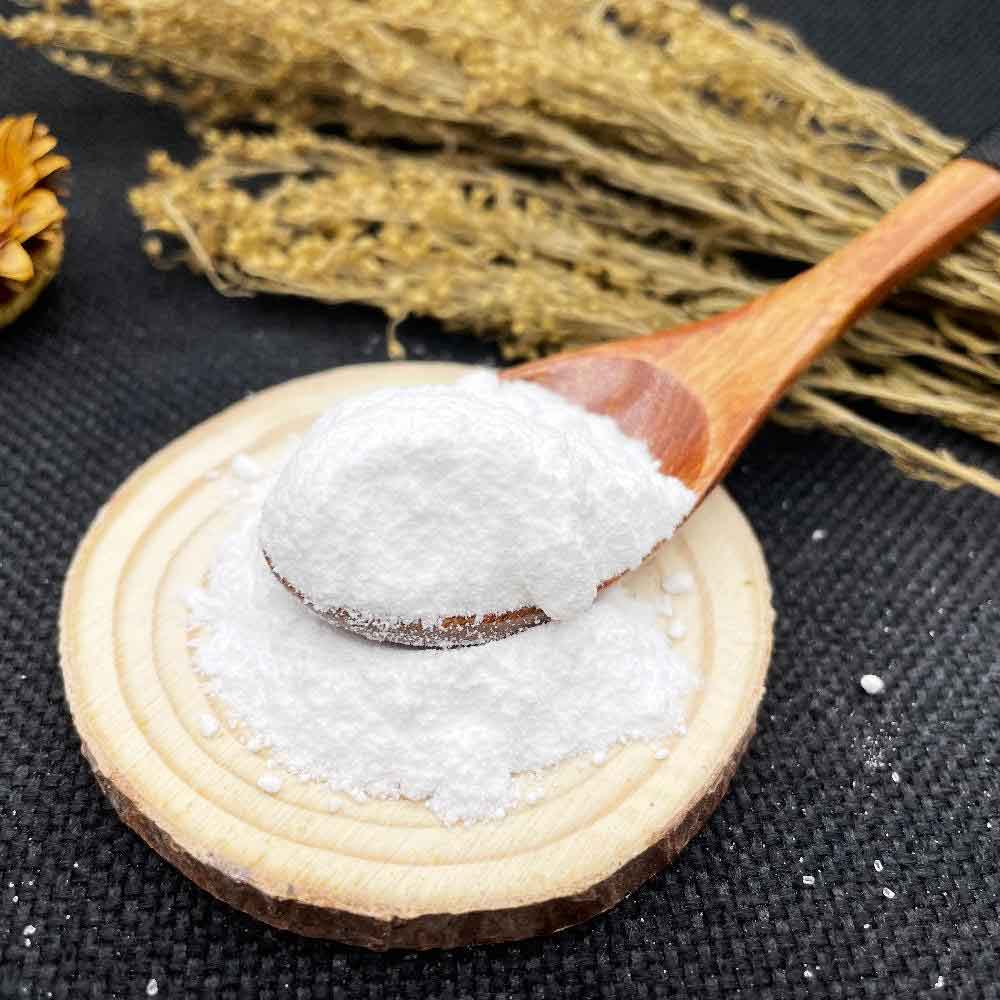
Sodium lactate is the sodium salt of lactic acid used in the food industry primarily as a broad-spectrum antimicrobial preservative and a humectant to maintain product moisture.
How is Sodium lactate made?
Step No.
Production Stage
Key Action
Control Point & Note
1
Fermentation
Ferment a purified carbohydrate source (e.g., glucose from corn starch) using a specific strain of lactic acid bacteria (e.g., Lactobacillus sp.) to produce lactic acid.
Control of Temperature, pH, and Nutrients is critical for optimal bacterial activity and yield. The process must be kept sterile to prevent contamination by unwanted microbes.
2
Neutralization
Neutralize the lactic acid produced in the fermentation broth with a high-purity sodium source, typically sodium hydroxide or sodium carbonate, to form a crude sodium lactate solution.
The addition of the neutralizing agent must be carefully controlled to reach a target pH range (typically 6.5-7.5). The reaction is exothermic and requires temperature management.
3
Primary Purification
Process the crude solution through filtration systems (e.g., ultrafiltration) to remove bacterial cells and proteins. The filtrate is then treated with activated carbon.
Filter Integrity: Ensures complete removal of biomass. Activated Carbon Dosage: Optimized to effectively decolorize the solution and remove organic impurities without significant product loss.
4
Secondary Purification
Pass the decolorized solution through ion-exchange chromatography columns to remove residual salts, heavy metals, and other charged impurities.
Effluent Conductivity is continuously monitored to ensure efficient removal of ions. The resin beds require periodic regeneration to maintain their purification capacity.
5
Concentration
Concentrate the purified, dilute sodium lactate solution to the final target strength (typically a 60% solution) using a multi-effect vacuum evaporator.
Evaporation under vacuum allows for water removal at lower temperatures, preventing thermal degradation and color development. Final concentration is precisely monitored using a refractometer or density meter.
6
Final Filtration & Packaging
Perform a final polishing or sterile filtration (e.g., through a 0.2-micron filter) on the concentrated solution before filling it into approved, sanitized containers.
Final Quality Assurance: The finished product is tested for concentration, purity, pH, color, and microbiological limits to ensure it meets all food-grade or pharma-grade specifications before release.
Sample Package
Aluminum Foil Bag
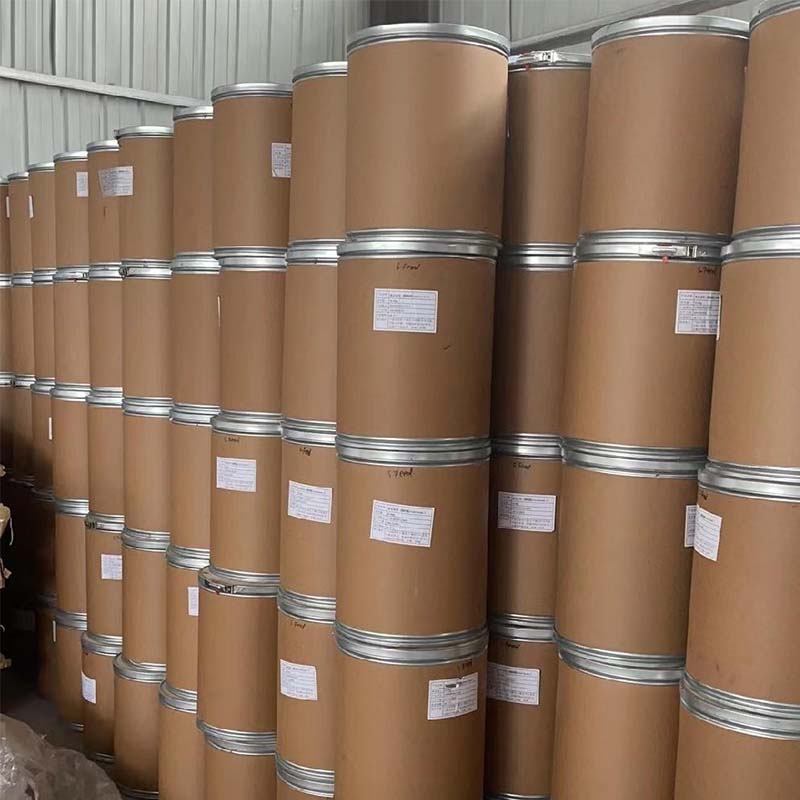
Barrel Package
lron-ringed Cardboard Drum
General Package
25kqs by Drum
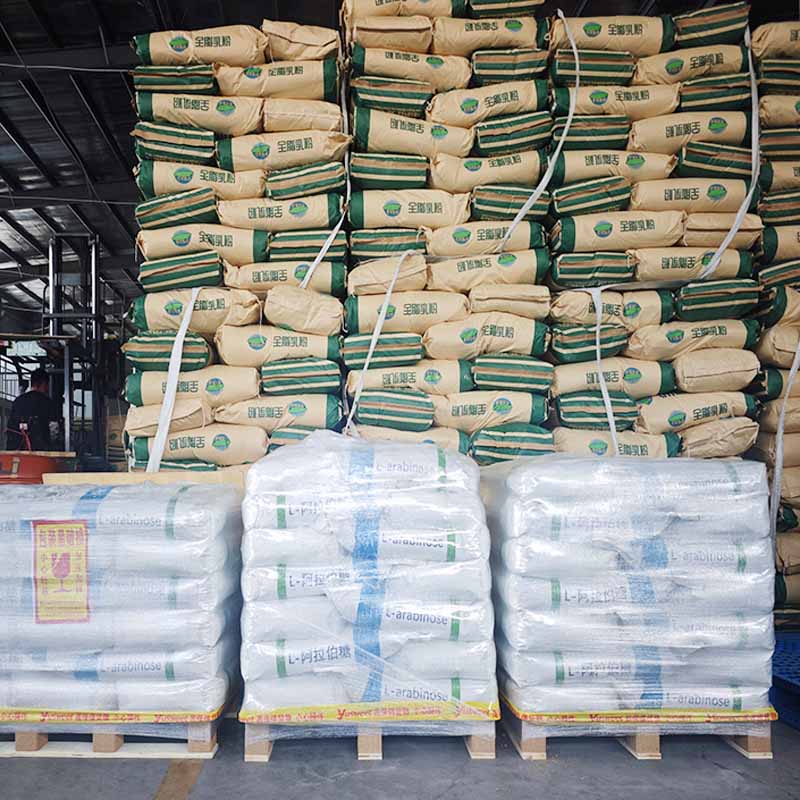
General Package
25kqs by Drum
About the Manufacturer
Anrui Biotechnology Co., Ltd. is a specialized exporter of high-quality food ingredients and additives. We focus on global trade and custom formulation services for functional ingredients, delivering consistent, compliant, and premium-quality supply solutions to our worldwide clients.
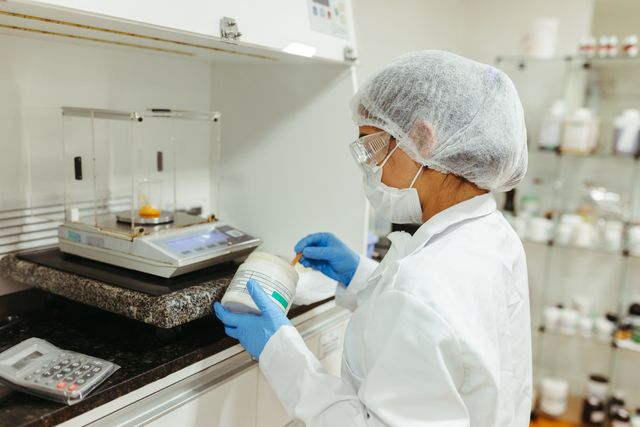
Headquartered in Guangzhou, China, Anrui collaborates with GMP-certified manufacturing partners equipped with advanced testing facilities, including HPLC, UV-VIS spectrophotometry, and microbiological analysis, ensuring every batch meets strict international quality and regulatory standards.
Our products are exported to over 60 countries, serving industries such as food, beverages, supplements, and cosmetics.
WhyChooseAnruiBio.
Ready Stock & Fast Shipping
We maintain regular inventory of our most popular sweeteners in our 6,000 m² warehouse, ensuring ready stock and 24-hour dispatch for most orders.
Extensive Product Range
From natural sweeteners like stevia and monk fruit to sugar alcohols and synthetic options, we offer a complete range of sweetening solutions.
Comprehensive Product Certification
Our products are exported globally with full
documentation support (COA, MSDS, etc.).
Global Export Experience
Trusted by clients in 50+ countries, we understand the requirements of international food and nutrition markets.
Claim Your Free Sample Today
Product Enquiry
Request a Free Sample
Tell us the ingredient, application and required quantity. Our team
will recommend a suitable product and provide a competitive quotation.