| 1 |
Raw Material Preparation |
Select, clean, and crush high-tannin raw materials, typically Chinese or Turkish gallnuts. |
Control Point: Quality and origin of gallnuts.
Note: The raw material is the primary determinant of final product quality. It must be free from mold and foreign contaminants. Crushing to a specific particle size maximizes extraction efficiency. |
| 2 |
Aqueous-Solvent Extraction |
Extract the crushed material with a carefully prepared solvent mixture (typically water, ether, and/or alcohol) in a counter-current extraction system. |
Control Point: Solvent ratio, extraction temperature (e.g., 60-70°C), and duration.
Note: These parameters are optimized to maximize the yield of hydrolysable tannins while minimizing the extraction of unwanted impurities and preventing thermal degradation. |
| 3 |
Filtration & Clarification |
Filter the crude liquid extract through filter presses or centrifuges to remove all suspended solid plant matter. |
Control Point: Clarity of the filtrate.
Note: Complete removal of insoluble solids is critical to prevent impurities and haze in the final product. Multiple filtration stages may be used. |
| 4 |
Primary Concentration |
Concentrate the clarified extract by evaporating the solvent, typically using a vacuum evaporator. |
Control Point: Vacuum level and temperature.
Note: Operating under vacuum lowers the solvent’s boiling point, protecting the heat-sensitive tannic acid from decomposition. The solution is concentrated to a specific density. |
| 5 |
Purification (Liquid-Liquid Separation) |
Purify the concentrated aqueous solution by treating it with a non-miscible solvent like ethyl acetate. The tannic acid preferentially dissolves in the solvent layer. |
Control Point: Purity of the separation solvent and pH of the solution.
Note: This step separates the tannic acid from sugars, gallic acid, and other water-soluble impurities. Multiple separation cycles may be required for food or pharmaceutical grades. |
| 6 |
Solvent Recovery & Final Concentration |
Separate the purified solvent layer and recover the solvent via vacuum distillation, leaving a highly concentrated, syrupy tannic acid solution. |
Control Point: Final solids concentration of the syrup.
Note: Efficient solvent recovery is vital for economic and environmental reasons. The final syrup consistency must be suitable for the subsequent drying stage. |
| 7 |
Drying |
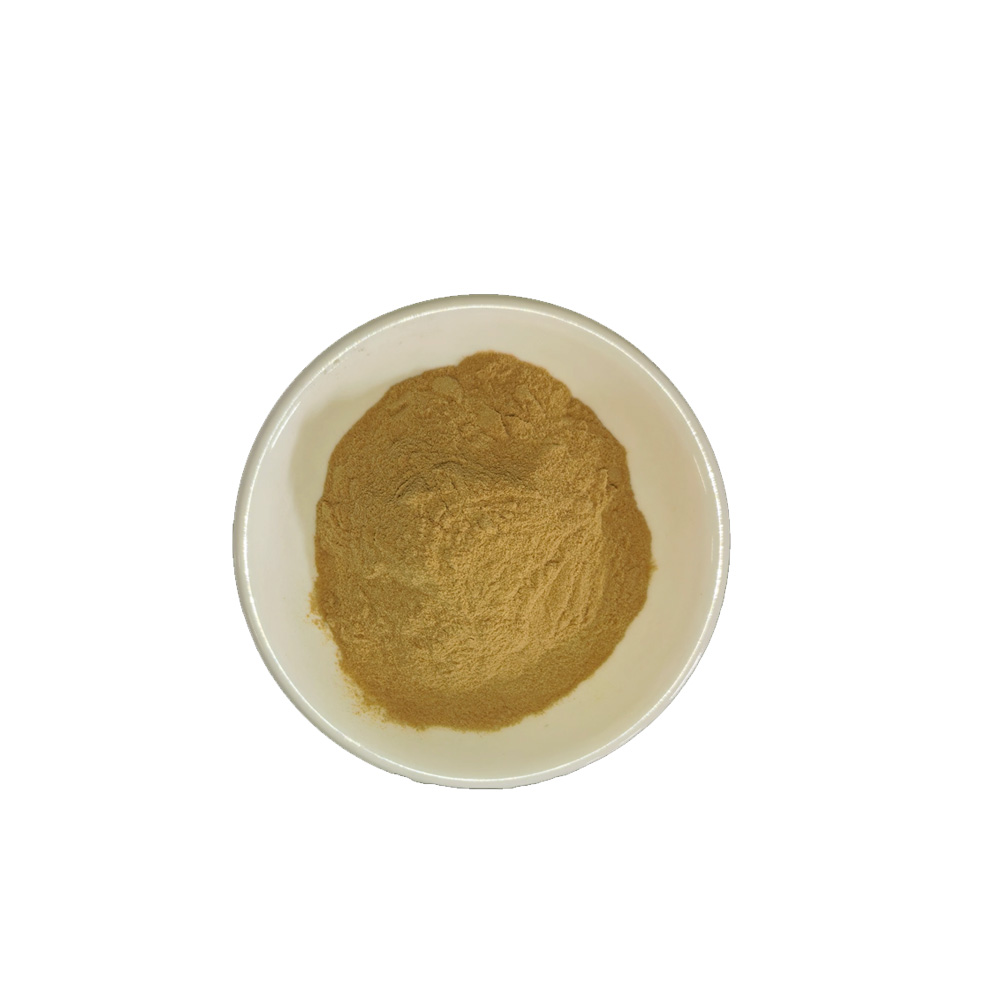
Convert the concentrated tannic acid syrup into a fine, light-colored powder using a spray dryer. |
Control Point: Dryer inlet/outlet temperatures and atomization pressure.
Note: Spray drying is the preferred method as it provides rapid drying with minimal heat exposure, resulting in a high-quality, stable, amorphous powder. |
| 8 |
Finishing & Packaging |
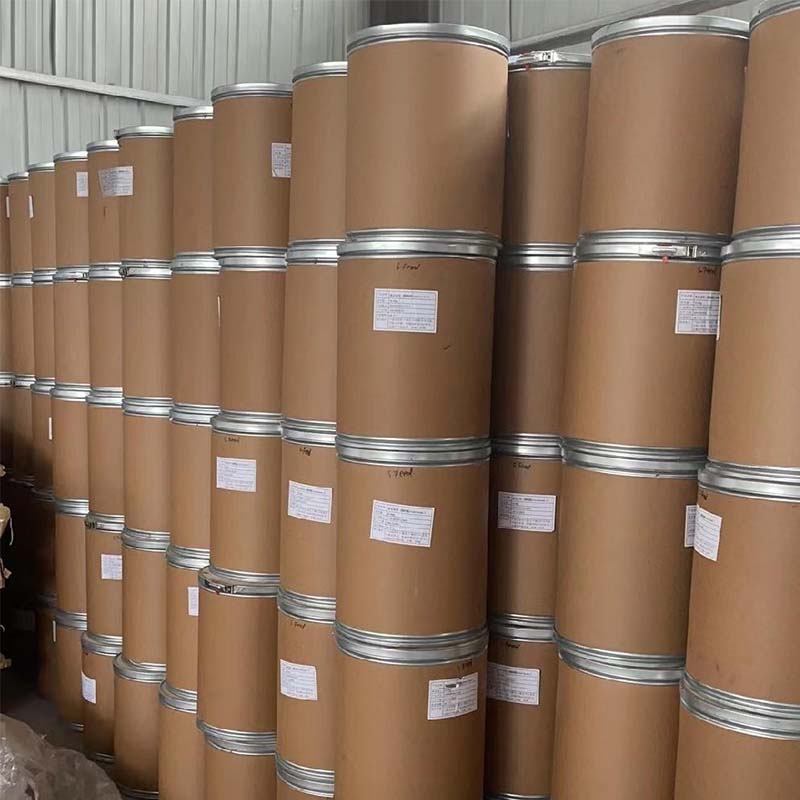
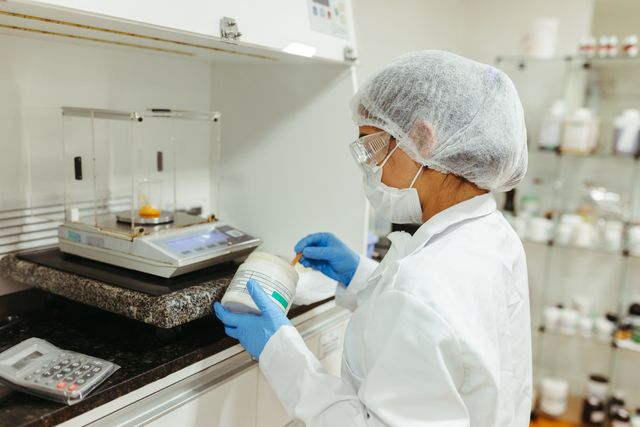
Sieve the dried powder to ensure a uniform particle size, perform final quality control tests (purity, heavy metals, ash), and package into sealed, moisture-proof containers. |
Control Point: Final product specifications and packaging integrity.
Note: Tannic acid is hygroscopic (absorbs moisture) and light-sensitive. Proper packaging is essential to maintain product stability and shelf-life. |