When considering pea protein vs soy protein, you might wonder which is better for you. The answer depends on your individual needs. Many people choose plant-based proteins for health reasons, and about 12% of Americans prefer plant-based diets, while around 7% follow a flexitarian diet. When comparing pea protein vs soy protein, people make their choice based on factors like allergies, nutrition, and environmental impact. Pea protein vs soy protein also differs in sustainability—pea protein needs less land and water, and peas help keep the soil healthy. Both options provide quality protein and essential amino acids. Before deciding between pea protein vs soy protein, consider your allergies, fitness goals, and dietary needs.
Key Takeaways
Pea protein is good for people with allergies. It does not often cause allergic reactions. This makes it safer for most people.
Soy protein has a bit more protein in each serving. It has isoflavones, which can change hormones. Talk to your doctor if you are worried about this.
Both proteins help muscles grow and heal. They give important amino acids for fixing muscles after you exercise.
Pea protein is better for the environment. It uses less water and land. This helps lower your carbon footprint.
Think about your diet and goals before you choose a protein. Both choices work in a healthy, plant-based diet.
Pea Protein vs Soy Protein Overview
Key Differences
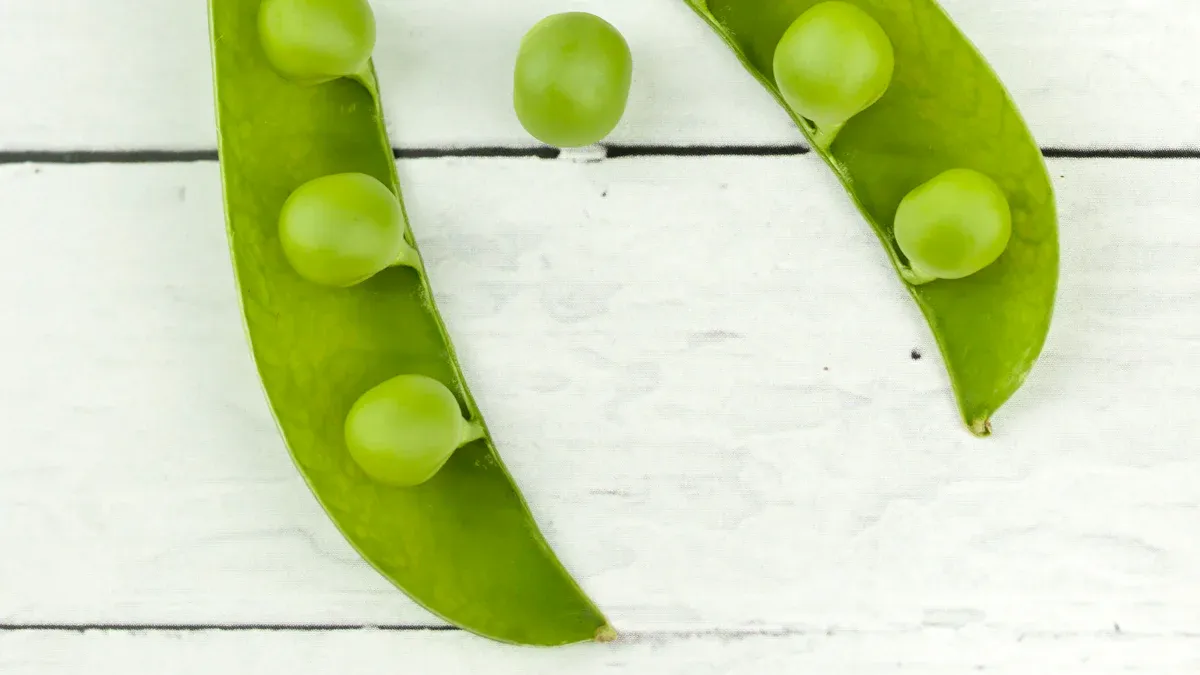
Pea protein and soy protein are not the same. Pea protein comes from yellow split peas. Soy protein is made from soybeans. Soy protein has a bit more protein per serving. Both have all the amino acids your body needs. Soy protein has isoflavones, but pea protein does not. Isoflavones are plant chemicals that can change your hormones. You should think about this if you have health worries.
Pea protein is less likely to cause allergies. Most people can use it without trouble. Soy protein can cause allergies in some people. If you are allergic to soy, do not use soy protein. Both proteins are easy to digest. Soy protein gets a perfect score of 1 on the PDCAAS scale. Pea protein gets a score of 0.9. This means your body can use almost all the protein from both.
Here is a table to help you compare:
Nutritional Aspect | Pea Protein | Soy Protein |
|---|---|---|
Protein Content | Slightly less than soy | Slightly more than pea |
Isoflavones | None | Contains isoflavones |
Digestibility (PDCAAS) | 0.9 | 1 |
Allergies | Rare | Common in some individuals |
Similarities
Pea protein and soy protein are alike in many ways. Both are complete proteins. They give your body all the amino acids it needs. Both have minerals like phosphorus, manganese, copper, and iron. They taste mild, so you can mix them in shakes or food.
Both are good for people who want plant-based protein. They help your muscles grow and heal. You can use them if you do not eat dairy or animal foods. Most people can digest both proteins easily.
Tip: If you want a protein that is easy on your stomach and not likely to cause allergies, pea protein is a smart pick.
Nutrition Comparison
Protein & Amino Acids
Pea protein and soy protein both give you plant protein. Pea protein is good quality. Soy protein has a little more protein in each serving. The amino acids in each are not the same. Your body needs all the essential amino acids to work right. Here is a table that shows how they are different:
Amino Acid | Pea Protein | Soy Protein | Whey Protein |
|---|---|---|---|
Leucine | Lower | Lower | Higher |
Arginine | Higher | Higher | Lower |
Phenylalanine | Higher | Higher | Lower |
Methionine | Lower | Lower | Higher |
Lysine | Lower | Lower | Higher |
Soy protein has a bit more protein per scoop. Pea protein has more arginine and phenylalanine. Both help your muscles grow and heal after you exercise.
Calories & Macros
You may want to know how many calories and macros are in each. Here is a table to help you compare:
Nutrient | Pea Protein (20g) | Soy Protein (20g) |
|---|---|---|
Calories | 80 | 75 |
Protein | 15g | 18g |
Dietary Fat | 2g | 0.5g |
Carbohydrates | 1g | 0.3g |
Soy protein gives you more protein and fewer calories. Pea protein has more fat, but both have low carbs. You can pick either if you want a high-protein, low-calorie diet.
Micronutrients
Both pea and soy protein have important minerals. You get iron, phosphorus, manganese, and copper from both. These minerals help your body make energy and keep bones strong. There is not much fiber in these protein powders. You can eat other foods to get more fiber. Both proteins are good if you want to meet your nutrition goals.
Note: Always look at the nutrition label on your protein powder. Different brands can have different amounts of protein, fat, and carbs.
Health Effects
Allergies & Sensitivities
You need to think about allergies before you choose a protein. Soy protein can cause allergic reactions in some people. Pea protein rarely causes allergies. Here is a table that shows how common soy allergies are:
Food | Prevalence (%) |
|---|---|
Soy | 0.35 |
Pea | N/A |
Soy allergies affect about 0.35% of people. Pea allergies are not common enough to have a clear number. If you have a soy allergy, you should avoid soy protein. Pea protein is a safer choice for most people. You can use pea protein if you want to lower your risk of allergic reactions.
Digestibility
Your body can digest both pea and soy protein easily. Soy protein has a digestibility score of 1. Pea protein has a score of 0.9. This means your body can use almost all the protein from both sources. You may notice that pea protein feels gentle on your stomach. Soy protein is also easy to digest for most people. If you have trouble with dairy or gluten, both pea and soy protein are good options.
Tip: If you want a protein that is easy to digest and gentle on your stomach, pea protein is a smart pick.
Hormonal Impact
Soy protein contains phytoestrogens called isoflavones. These plant chemicals look like estrogen in your body. Some studies show that eating soy may lower the risk of heart disease after menopause. Other studies do not show clear benefits for menopause symptoms or hormone-related cancers. High doses of isoflavones can affect breast and uterus tissue. If you have a history of breast cancer, you should talk to your doctor before using soy protein.
Some people report changes in hormone levels after eating a lot of soy.
A case report showed a man developed gynecomastia (breast tissue growth) after eating soy. His symptoms went away when he stopped.
Most people do not have problems with normal amounts of soy protein.
Pea protein does not contain phytoestrogens. You do not need to worry about hormonal effects with pea protein.
Muscle Growth Support
Building Muscle
You want to build muscle and get stronger. Both pea protein and soy protein can help you reach your goals. These plant proteins give your body the amino acids it needs to repair and grow muscle after exercise. Soy protein has a little more protein per scoop, but pea protein offers more arginine, which helps with blood flow during workouts.
Many athletes use plant-based proteins to support muscle growth. Studies show that plant proteins like soy and pea can improve muscle strength and body mass index. You may not see the same increase in lean muscle as with whey protein, but you still get solid results. For best muscle-building effects, try to get at least 30 grams of protein with about 2.5 grams of leucine in each serving.
Tip: Blending pea and soy protein or adding other plant proteins can boost your results. This mix gives you a better amino acid profile.
Recovery
After a tough workout, your muscles need time to heal. Both pea and soy protein help your body recover faster. Clinical trials show that plant-based proteins can reduce muscle soreness and speed up recovery. Here is a table that shows some results from these studies:
Outcome | Result | Significance |
|---|---|---|
Running performance | p = 0.016 | |
Maximum aerobic capacity | Significant enhancement | p = 0.003 |
Running velocity | Decreased lactate values (-12%) |
You may notice less soreness and better performance when you use these proteins after exercise. Out of 24 studies, 9 found positive effects on muscle recovery. Some people saw better muscle protein synthesis and less muscle pain. Higher doses and blends worked best.
Plant proteins help with muscle repair.
You may see better recovery with larger servings.
Most studies say plant proteins do not beat whey for recovery, but they still help you heal and get back to training.
Note: If you want a plant-based option for muscle growth and recovery, both pea and soy protein are good choices. You can use them to support your fitness journey.
Taste & Culinary Uses
Flavor & Texture
Pea protein and soy protein taste and feel different. Pea protein has an earthy taste and feels thick or a bit grainy. Some people think it tastes mild, but others notice a strange aftertaste. Soy protein tastes smoother and more plain. It mixes into foods without changing the flavor much.
People have different thoughts about these proteins in taste tests:
Pea protein can make meat substitutes taste odd and feel chewy.
People like foods that are crunchy, juicy, and have no weird aftertaste.
Most people do not like foods that are dense or chewy.
Beyond Meat sausage, made with pea protein, is soft and mealy with a mild taste.
OmniPork, made with soy protein, is chewy and tough. It tastes salty and a little sweet.
In some tests, people liked the taste of a pea protein burger more than a mixed-protein burger.
Tip: Soy protein is good if you want a powder that mixes well in shakes or baked goods. Pea protein is better if you like thick shakes or a heavier texture.
Cooking Applications
You can cook with both pea and soy protein in many ways. Each one works best in certain foods. Here is a table to show where you might use each protein:
Culinary Use | Description |
|---|---|
Traditional Meat Systems | Used in sausages, burgers, meatballs, and döner kebabs to boost texture and protein. |
Meat Alternatives | Mimics muscle meat in patties, nuggets, and vegan mince. Good for people with allergies. |
Protein Shakes & Smoothies | Both blend well, but soy protein gives a smoother finish. |
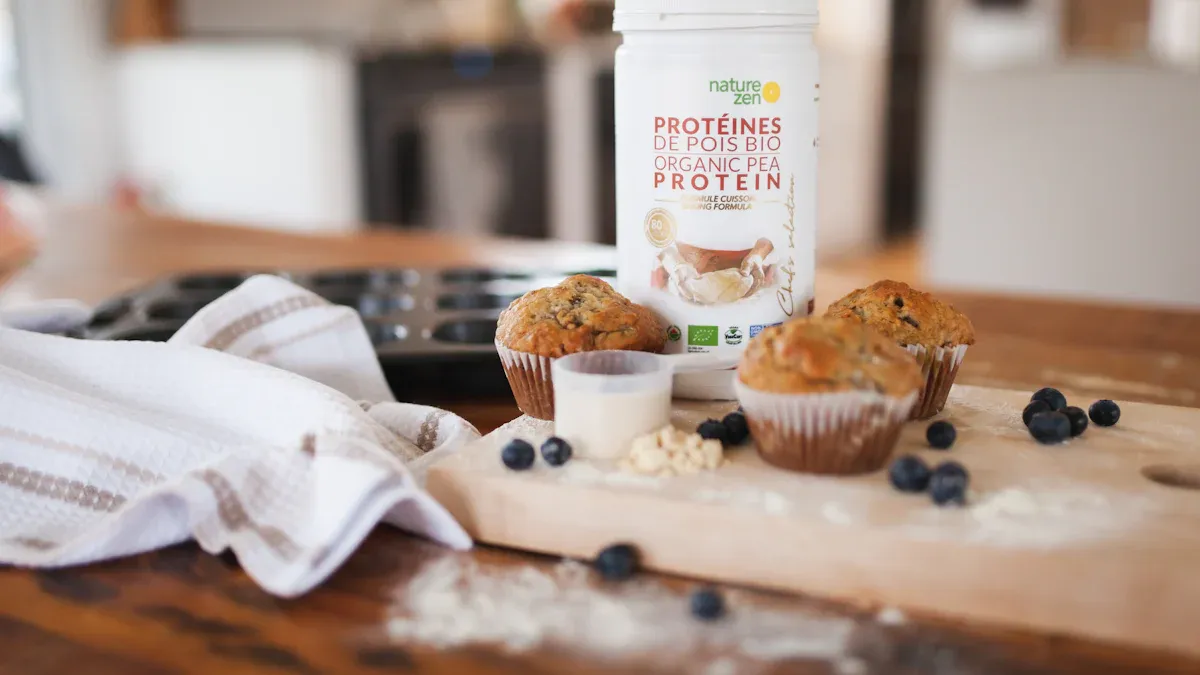
Baked Goods & Snacks | Pea protein adds thickness and nutrition to muffins, bars, and cookies. |
Pea protein is in many gluten-free, GMO-free, and low-allergen foods. It is popular in vegan snacks and protein shakes. Soy protein is found in high-protein foods and meat-like products. You can pick either one based on what you like and how you cook.
Sustainability
Environmental Impact
You might care about how your food choices affect the planet. Pea protein and soy protein both have a lower carbon footprint than animal-based proteins. When you look at the numbers, you see a big difference:
Pea protein creates about 0.3 kg of carbon dioxide for every kilogram produced.
Tofu, which comes from soybeans, creates about 1.2 kg of carbon dioxide per kilogram.
Cellular meat has a much higher footprint at 5.6 kg CO₂ per kilogram.
Beef has the highest impact, with 25.6 kg CO₂ per kilogram.
Choosing pea protein helps you lower your carbon footprint. Soy protein also helps, but peas are even better for the environment.
🌱 If you want to make a greener choice, pea protein stands out as one of the most eco-friendly options.
Farming Practices
You may wonder how much water and land these crops need. Soybeans use about 2,145 cubic meters of water for every ton grown. Peas need less water, so they help save resources. Both crops use less land than animal farming. Plant-based proteins need between 2.0 and 5.5 square meters of land for each kilogram produced. This is much less than what you need for meat.
Peas also help the soil. They add nitrogen back into the ground, which makes the soil healthier for future crops. Soybeans do not improve the soil in the same way. Farmers like growing peas because they fit well into crop rotations and help keep the land fertile.
Here is a quick comparison:
Factor | Pea Protein | Soy Protein |
|---|---|---|
Water Usage | Lower | Higher |
Land Use | Low | Low |
Soil Health | Improves | Neutral |
Note: If you want to support sustainable farming, pea protein is a smart pick. You help conserve water, use less land, and keep the soil healthy.
Choosing the Right Protein
Dietary Needs
Think about your own diet before you pick a protein. Some people have allergies or food problems that change what they can eat. Soy allergies are one big reason people skip soy protein. Kids can have stronger reactions to soy than adults. If you are allergic to soy, pick pea protein instead. Yellow pea protein is not a top food allergen. This makes it safer for most people who need to avoid soy. Pea protein is hypoallergenic, so it almost never causes allergies.
Some people follow special diets for health or personal reasons. You might stay away from gluten, dairy, or genetically modified foods. Both pea protein and soy protein work for people who do not eat animal foods. If you have many food rules, always check the label. Some protein powders have extra flavors, sweeteners, or fillers.
Here is a quick guide to help you choose:
Dietary Need | Best Protein Choice | Why? |
|---|---|---|
Soy allergy | Pea protein | Rarely causes allergic reactions |
Gluten-free | Pea or soy protein | Most are gluten-free, check the label |
Vegan or vegetarian | Pea or soy protein | Both are plant-based |
Multiple restrictions | Pea protein | Hypoallergenic and simple ingredient list |
Tip: If you have food allergies, start with a small amount. Watch for side effects like bloating, gas, or an upset stomach.
Personal Goals
Your goals matter when you pick pea protein or soy protein. You might want to build muscle, lose weight, or just be healthy. Each protein is good for different goals.
If you want to build muscle, both proteins can help. Studies show pea protein can make muscles bigger and stronger, especially with exercise. Soy protein also helps muscles grow. Some athletes like pea protein because it does not cause allergies and is better for the planet.
If you want to lose weight, look for a protein low in calories and fat. Soy protein usually has fewer calories than pea protein. Both can help you feel full and lose weight.
If you care about the earth, pea protein is a great pick. Pea protein uses less water and land than soy protein. Many people pick plant proteins to help the planet and eat healthier.
Here are some reasons athletes and active people pick one protein over the other:
Some athletes pick pea protein because it is gentle on the stomach and does not cause allergies.
Others pick soy protein for its full amino acid profile, but it can cause allergies.
Many people like pea protein because it is better for the earth and fits a plant-based life.
You should also think about how easy it is to use your protein every day. Your taste, daily habits, and health beliefs all matter. If you like the taste and texture, you will use it more often. If you are busy, you may want a protein that mixes fast and is easy to take with you.
Factor | Description |
|---|---|
Protein Type | Different proteins help muscles grow in different ways. |
Amino Acid Composition | Essential amino acids help your muscles heal and grow. |
Digestion Kinetics | Some proteins digest faster, which helps after workouts. |
Personal Preferences | Your taste and habits affect how often you use the protein. |
Lifestyle Integration | The easier it fits your day, the more likely you will use it. |
Psychological Aspects | Your motivation and health beliefs help you stick with your choice. |
Note: If you want a protein for your fitness goals, think about your workouts and daily habits. Both pea protein and soy protein can help you, but the best one is the one you like and use every day.
If you want a protein that is safe for allergies, fits many diets, and helps your health and the planet, pea protein is a strong choice. If you want a protein with all the amino acids and fewer calories, soy protein is also a good pick. Always think about your own needs and goals before you decide.
You might pick pea or soy protein for different reasons. Pea protein is best if you want something that does not cause allergies. Both proteins help athletes build muscle in the same way. People who care about the earth often choose pea protein because it is better for the environment. The table below shows which protein is good for each group:
Group | Best Choice | Reason |
|---|---|---|
Allergy concerns | Pea protein | Rarely causes reactions |
Muscle building | Both | |
Eco-friendly choice | Pea protein |
Both proteins help you stay healthy and build muscle. Choose the one that fits your goals, what you like, and how you live.
FAQ
Is pea protein or soy protein better for building muscle?
You can use both to build muscle. Both give your body all the amino acids it needs. Soy protein has a bit more protein per scoop. Pea protein gives you more arginine, which helps with blood flow during workouts.
Can you use pea protein if you have a soy allergy?
Yes, you can. Pea protein is hypoallergenic. It rarely causes allergic reactions. If you have a soy allergy, pea protein is a safe choice for you.
Does soy protein affect your hormones?
Soy protein has isoflavones, which act like weak estrogen in your body. Most people do not notice changes. If you have hormone concerns, talk to your doctor before using soy protein.
Which protein is better for the environment?
Pea protein is better for the environment. It uses less water and land. Peas also help keep soil healthy. Soy protein is still better than animal protein for the planet.