
Isoascorbic Acid helps keep meat and seafood fresh longer. This strong antioxidant slows spoilage. It also protects taste and color. Studies show it works on Atlantic mackerel fillets. It lowers bacteria by up to 1.7 Log CFU/g in nine days. You see less browning and better flavor. It stops oxidation from hurting the meat. This is very helpful for fatty cuts.
Key Takeaways
Isoascorbic Acid is a strong antioxidant. It helps meat and seafood stay fresh longer. It slows down spoilage.
Isoascorbic Acid can make food taste better. It can help food look brighter. It can also make food feel nicer to eat. This makes food more attractive to buyers.
Adding Isoascorbic Acid when making food can help it last much longer. This means less food gets thrown away. It also makes the food worth more.
Isoascorbic Acid is safe to use. The FDA says it is okay. You should always measure it carefully. This helps you use the right amount for good results.
People like foods with natural ingredients. Isoascorbic Acid is a natural choice. It also helps make food better.
Isoascorbic Acid Science
Antioxidant Action
Isoascorbic Acid helps meat and seafood stay safe from oxygen damage. This compound acts as an antioxidant and grabs free radicals. It also lowers hypervalent iron, which makes food spoil faster. When you add Isoascorbic Acid to fish or meat, it blocks bad reactions. These reactions break down proteins and fats. They can cause bad smells and tastes. The benefits show up best in foods like herring and tuna. Oxidation can quickly make these foods lose quality.
Isoascorbic Acid works inside food to stop oxidation early. You get fresher taste and better texture for a longer time.
Preventing Oxidation and Spoilage
Isoascorbic Acid does more than stop oxidation. It also helps slow down bacteria growth. This compound can move through cell membranes because it is hydrophobic. Once inside, it makes the area more acidic. This messes up the enzymes bacteria need to live. You see less spoilage and fewer bad flavors in meat and seafood. Isoascorbic Acid sticks to metals like copper and iron. These metals often start oxidation. By removing them, it keeps food looking bright and fresh.
Here is a table that shows common sources of Isoascorbic Acid in food:
Source | Application in Food Industry |
|---|---|
Sucrose | Synthesized isoascorbic acid |
Beets | Used in meats, poultry, and soft drinks |
Sugar cane | Used in various food products |
Corn | Used in beverages and as a preservative |
Penicillium | Strains used for synthesis of isoascorbic acid |
Isoascorbic Acid is used in many fish products, especially tuna. It helps keep the color bright and the flavor mild. When you use it, you make shelf life longer and waste less food. You get more value from every batch.
Isoascorbic Acid in Processing

Usage in Meat and Seafood
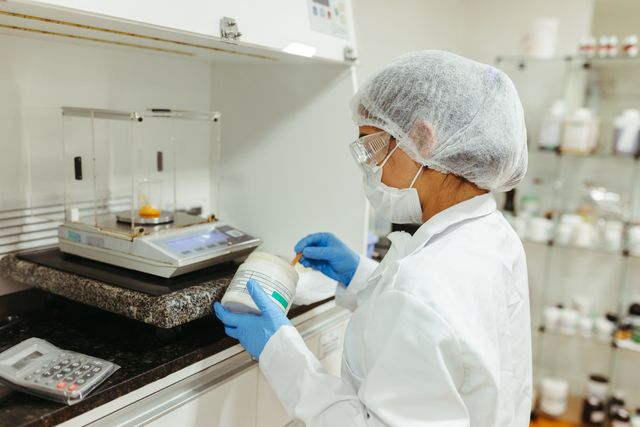
When you work with meat or seafood, you want it to stay fresh. Isoascorbic acid can be added during mixing, curing, or marinating. Most people use between 200 and 500 ppm. This amount keeps food safe but does not change how it tastes or feels.
Sometimes, isoascorbic acid is called sodium erythorbate on labels. You can mix it into ground meat. You can also sprinkle it on fillets or dissolve it in brine for seafood. This helps the antioxidant reach all parts of the food. Using it this way slows spoilage and keeps food safe longer.
Tip: Always measure isoascorbic acid with care. The right amount helps food last longer and stay good.
Effects on Quality and Freshness
Isoascorbic acid does more than slow spoilage. It helps meat and seafood look and taste better for longer. Adding it keeps beef red and fish bright. This makes the food look nice to customers.
Here is a table that shows what studies found about color stability in processed meat:
Study | Findings |
|---|---|
Carnosine and Ascorbic Acid on Color Stability | Carnosine stopped brown color and metmyoglobin. With ascorbic acid, color stayed stable. |
Effects of Antioxidants on Beef Patties | Ascorbic acid slowed myoglobin oxidation a little. Carnosine stopped fat oxidation. |
Ascorbic Acid with Carnosine | The mix kept beef patties red and fresh for longer. |
Isoascorbic acid also slows oxidation in tuna and other seafood. This keeps the flavor mild and the texture firm. Studies show that antioxidants like ascorbic acid and sodium ascorbate help stop spoilage during storage. This means your food stays fresh and safe to eat longer.
You can see the difference in shelf life. In taste tests, fillets with sodium erythorbate lasted up to 15 months. Fillets without it spoiled in less than 2.5 months. You get better taste, color, and texture when you use isoascorbic acid.
Note: Using isoascorbic acid helps you waste less food. You also give customers better looking and tasting meat and seafood.
Comparing Shelf Life Extenders
Isoascorbic Acid vs. Others
There are many ways to keep meat and seafood fresh. Isoascorbic Acid is one way, but there are others too. High-pressure processing, or HPP, uses strong pressure to stop bacteria and enzymes. This helps seafood last longer and keeps it safe. HPP does not use chemicals, so some people like it more.
Here are some other shelf life extenders you might find:
Mold inhibitors
Antioxidants like tocopherols, citric acid, and phosphates
Sodium lactate and potassium lactate
Organic acids
Natural antioxidants from spices
Rosemary extract
Dried plum extract
Each extender has its own good points. Some, like rosemary extract and spice antioxidants, come from plants. Others, like sodium lactate, help stop bacteria and keep food moist. You can use one extender or mix a few for better results.
Tip: Try different shelf life extenders to see what works best. You may need to test a few to get the right taste and freshness.
Advantages and Limitations
Isoascorbic Acid helps food stay fresh and keeps its color. It slows spoilage and protects how food tastes. You can use it in many kinds of meat and seafood. It works well with fatty fish and red meats.
Here is a table that shows some advantages and limits:
Shelf Life Extender | Advantages | Limitations |
|---|---|---|
Isoascorbic Acid | Keeps color, slows spoilage | May cause oxidative stress |
High-pressure processing | No chemicals, kills bacteria | Needs special equipment |
Rosemary extract | Natural, mild flavor | May change taste |
Sodium lactate | Controls bacteria, keeps moisture | Can affect texture |
Isoascorbic Acid can sometimes cause oxidative stress. Some experts worry about health effects from sulfhydryl molecules. You need to use the right amount and check your food for changes.
Note: Always check how each extender works with your food. Some work better for seafood, while others help meat stay fresh.
Safety and Acceptance
Regulations
It is important to know the food safety rules for isoascorbic acid. The FDA says isoascorbic acid is safe to use in food. On labels, it might be called sodium erythorbate or D-isoascorbic acid. Food companies must follow rules about how much they add. Most places only allow 200 to 500 parts per million in meat and seafood. These rules are used in the United States, Canada, and the European Union.
Food safety groups check that isoascorbic acid is pure and handled safely. You should always use the kind made for food. This keeps people safe when they eat your products. If you work with food, you must write down how much isoascorbic acid you use. You also need to put it on the label. This helps customers trust what they buy.
Tip: Always look for new food safety news. Rules can change, so stay up to date.
Here is a table that shows how different places set rules for isoascorbic acid:
Region | Maximum Allowed Level | Label Requirement |
|---|---|---|
United States | 500 ppm | Must list on label |
European Union | 300 ppm | Must list on label |
Canada | 500 ppm | Must list on label |
Consumer Perception
More people want food with safe and natural ingredients. Isoascorbic acid is good for this because it comes from plants like beets and corn. Many shoppers want foods with simple labels and not many fake additives. Isoascorbic acid helps meet these wishes.
The use of D-isoascorbic acid is going up. More foods now use it as a natural way to keep food fresh. In 2023, the market was about $1.2 billion. Experts think it will grow to $2.3 billion by 2032. This means more people want antioxidants in their food.
More food and drink companies are using isoascorbic acid.
Shoppers like foods with natural ways to keep them fresh.
The clean-label trend makes more people want D-isoascorbic acid.
When you use safe and approved ingredients, your customers feel good about buying your food. Isoascorbic acid helps you give them fresh and high-quality meat and seafood. You also help people make healthier choices.
Note: Picking isoascorbic acid shows you care about safety and quality. This helps customers trust you and come back again.
Isoascorbic Acid helps you keep meat and seafood fresh. You protect flavor and color with this antioxidant. You can use it to slow spoilage and reduce waste.
You get longer shelf life for your products.
You give customers better quality and taste.
Tip: Try adding Isoascorbic Acid to your process. You will see fresher food and happier customers.
FAQ
What is isoascorbic acid?
Isoascorbic acid is a food additive. You use it to keep meat and seafood fresh. It acts as an antioxidant and helps protect color and flavor.
Is isoascorbic acid safe to eat?
You can safely eat isoascorbic acid. The FDA approves it for use in food. You should always check labels for the right amount.
How do you add isoascorbic acid to meat or seafood?
You can mix isoascorbic acid into ground meat. You can also dissolve it in brine or sprinkle it on fillets. Always measure carefully for best results.
Does isoascorbic acid change the taste of food?
Isoascorbic acid does not change the taste of meat or seafood. You keep the natural flavor and color. You also help food stay fresh longer.