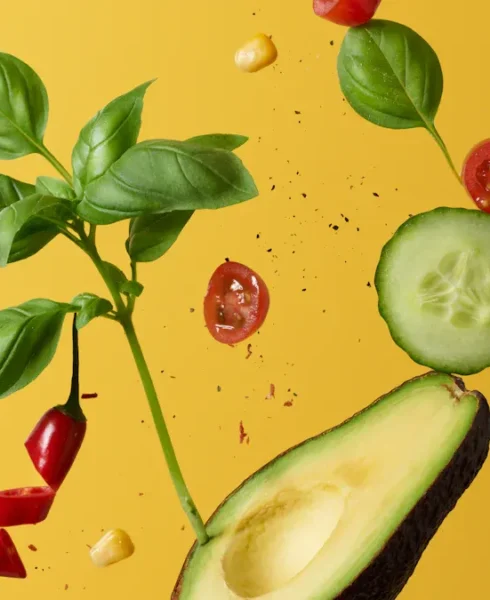

Malic acid is a natural compound found in many fruits. Apples have a lot of malic acid. Studies show malic acid is about 94% to 98% of all acid in apples. This is much more than in most other fruits. The high amount gives apples their sour taste. It also changes how apples are used in food.
People add malic acid to foods like candies and drinks to make them taste tart.
It helps keep foods fresh by lowering pH and stopping bacteria from growing.
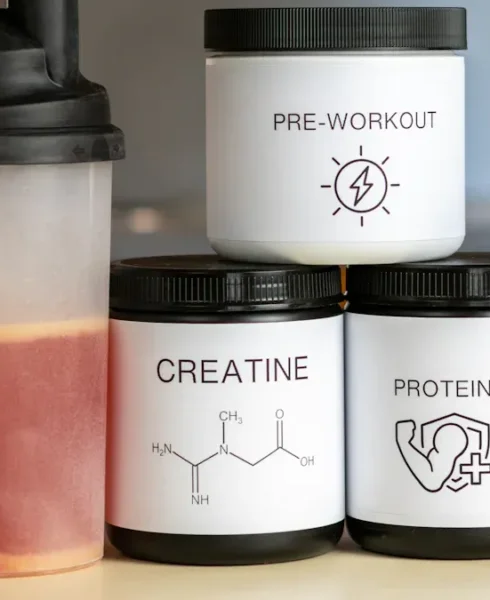
In health and wellness, malic acid helps make energy, supports oral care, and helps athletes perform better. It gives many benefits.
Apples and other fruits are natural sources. This makes malic acid important for taste and health.
Key Takeaways
Malic acid makes apples and other fruits taste sour. It is used to give foods and drinks a smooth, long-lasting tart flavor.
It helps keep food fresh by stopping bacteria from growing. It also slows down food from going bad. This makes it a natural preservative in many foods.
Malic acid helps the body make energy. It can help people feel less tired. It may also help people do better in sports and recover faster.
It is good for oral health because it makes more saliva. It may help whiten teeth. When used with magnesium, it can help clean the liver.
Malic acid is safe for most people in food or supplements. But pregnant women, young kids, and people with health problems should ask a doctor first.
Malic Acid Overview
Chemical Properties
Malic acid is part of a group called alpha hydroxy acids (AHAs). It has a special structure with a hydroxyl group next to a carboxyl group. This makes malic acid a dicarboxylic acid. Its atoms are arranged in a unique way. Malic acid is bigger than other AHAs like glycolic acid or lactic acid. Because of its size, it goes into the skin slowly and spreads out evenly. This means it does not irritate the skin much. It is good for people with sensitive skin. Malic acid helps skin keep moisture. It also protects skin from things in the environment. People often call malic acid “apple acid” since apples have a lot of it.
Malic acid comes in two types: natural and synthetic. The natural type is called L-malic acid. It is found in fruits and is used by our bodies. The synthetic type is DL-malic acid. It is made in labs and has both D- and L- forms. Only the L-form works in our bodies. Both types are safe to use. But natural malic acid is better for foods, drinks, and health products.
Note: Natural malic acid is kinder to the environment and is picked for products with a “clean label.”
Aspect | Synthetic Malic Acid (DL-malic acid) | Natural Malic Acid (L-malic acid) |
|---|---|---|
Composition | D- and L-isomers (50:50) | Only L-isomer |
Production | Chemically synthesized | Extracted from fruits or fermentation |
Metabolic Activity | D-isomer not active in humans | L-isomer used by the body |
Safety & Usage | Safe, less preferred for food/health | Safe, preferred for food/health |
Environmental Impact | Less eco-friendly | More eco-friendly |
Consumer Preference | Used in industry | Favored for natural products |
Natural Occurrence
Malic acid is found in many fruits and vegetables. Apples have the most malic acid. This gives apples their sour taste. Cherries, grapes, pears, apricots, and plums also have a lot of malic acid. Some vegetables like tomatoes and potatoes have a little malic acid. Apples, pears, and loquats have malic acid as their main organic acid. Citrus fruits have more citric acid instead. Wild apples usually have more malic acid than farmed apples. Malic acid is important for the taste of wines. It is found in white wines and young red wines. Winemakers check malic acid levels to change the flavor and sourness of wine.
Food Uses of Malic Acid

Flavor and Sourness
Malic acid gives foods a special sour taste. This taste is smooth and fruity, not sharp. It is sweeter than citric acid. The sourness from malic acid feels deep and strong. It stays on your tongue for a while. It tastes like a green apple. Tartaric acid tastes sharp and makes your mouth water. Citric acid tastes more like citrus and is sharper. The table below shows how malic acid and citric acid are different in taste and texture:
Attribute | Malic Acid | Citric Acid |
|---|---|---|
Flavor Profile | Sweeter, fruitier, smooth tartness like green apple | Sharper, more tart, citrusy flavor |
pH Level | Around 3.4 (less acidic) | Around 2.2 (more acidic) |
Sourness | More lasting and potent acidic taste despite higher pH | Sharper but less lasting sourness |
Texture Effect | Produces softer, gummier texture in foods | Creates firmer, more elastic texture |
Shelf Life Impact | Improves shelf life by protecting against spoilage | Also prevents spoilage |
Malic acid gives a quick sour taste when you eat it. It helps hide bad aftertastes from some sweeteners. It mixes flavors together in foods. Food makers use malic acid in drinks, jams, jellies, and candies. It makes fruit flavors like strawberry and cherry taste stronger. The taste lasts longer too. Malic acid helps make a smooth sour taste that stays in your mouth.
Preservation Effects
Malic acid helps keep food fresh. It lowers the pH and stops bacteria from growing. At 10% or more, it fights spoilage bacteria. Even at low amounts, it acts as an antioxidant. This stops food from going bad. Malic acid grabs metal ions. This slows down oxidation and keeps food safe. It also helps keep gels and fillings firm and fresh.
Studies show malic acid works well with other natural preservatives. These include grapefruit seed extract and essential oils. For example:
Malic acid with grapefruit seed extract lowered bad bacteria on lettuce for 14 days.
Edible coatings with malic acid and oils kept melon fresh for over 21 days.
In fruit juices, 2% to 2.5% malic acid killed bacteria like Listeria and Salmonella.
Malic acid dissolves easily in foods. It does not soak up water from the air. This makes it easy to use in many foods. It helps keep food safe and fresh for a long time.
Common Food Products
Many processed foods have malic acid added. It makes them taste better and last longer. You can find it in sour candies, soft drinks, jams, jellies, and baked goods. Chewing gum, gelatines, puddings, and fruit cakes also use malic acid. The FDA sets limits for how much malic acid can be in foods. The chart below shows these limits:
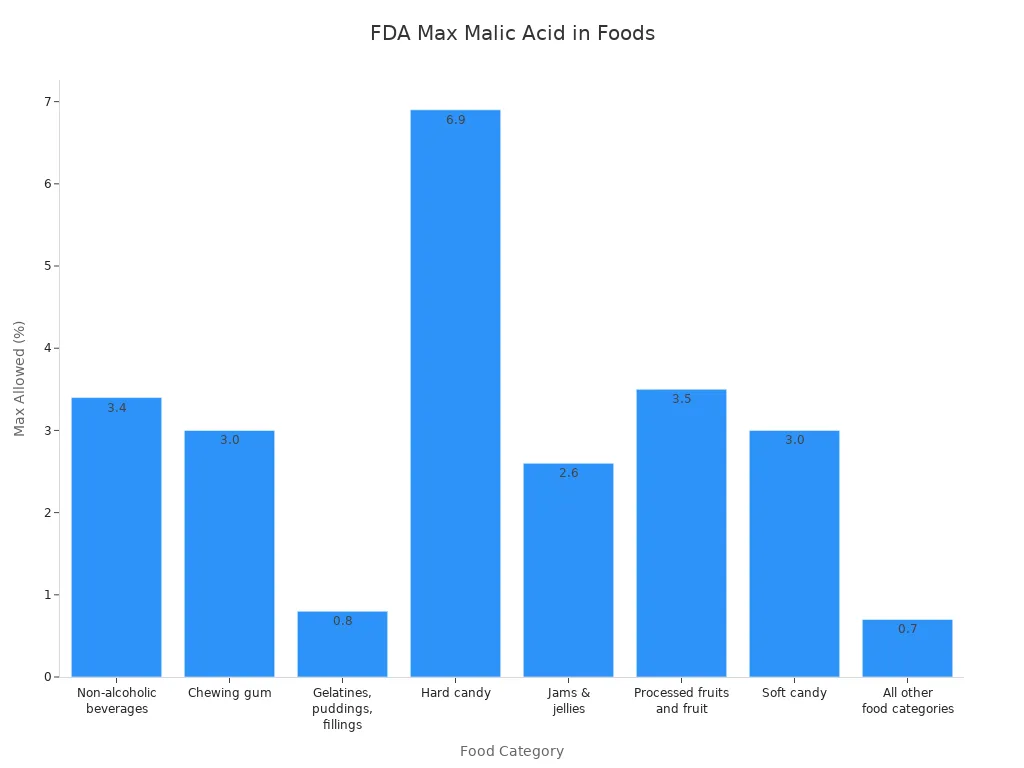
Most foods have less than 1 gram of malic acid. Some tablets can have up to 40%. Drinks can have up to 3.4%. Hard candy can have up to 6.9%. In 2024, the world market for malic acid in food was over $229 million. Most of it is used in drinks, snacks, and sweets. Powdered malic acid is best for mixing and keeping foods fresh.
Malic acid makes food taste good and stay fresh. It helps keep food safe to eat. Its use in many foods shows it is important as a flavor booster and a preservative.
Health Benefits of Malic Acid
Energy and Metabolism
Malic acid helps make energy in our cells. It is part of the Krebs cycle, which turns food into energy. Malic acid moves energy inside the cell. This helps our bodies use oxygen to make energy. It keeps our energy levels steady.
Malic acid moves NADH from one cell part to another. This helps the electron chain work and makes more ATP.
It keeps the cell’s redox balance, which helps make energy all the time.
Malic acid fills up the cycle so the body can use different fuels.
It also helps build amino acids and keeps cells healthy.
Athletes and active people may get help from malic acid. Studies show malate with oligosaccharides can help you last longer when you exercise. It can also help you feel less tired. Malic acid keeps blood sugar higher and helps clear out lactate faster. This means less muscle damage and quicker recovery. Some studies say malic acid with magnesium may help people with fibromyalgia feel less pain and tiredness. But these studies are small and need more proof.
Malic acid helps make energy, supports the heart, and lowers tiredness from sports. This makes it good for people who want more energy and better performance.
Oral and Liver Health
Malic acid is good for your mouth and liver. Fruits like strawberries and watermelon have malic acid. They may help with dry mouth. Malic acid can make you produce more saliva. More saliva helps clean your mouth and protect your teeth. Some people use sprays or lozenges with malic acid for dry mouth.
Malic acid may help whiten teeth by cleaning off stains.
It can treat dry mouth by making more saliva.
There is not much proof that malic acid lowers plaque or helps gums.
Malic acid also helps the liver. It can grab metals like aluminum and help the body get rid of them. This helps the body’s natural cleaning system. Malic acid works with magnesium to help liver enzymes break down toxins. Magnesium also helps make glutathione, which protects the liver. Together, malic acid and magnesium help the body take in nutrients and clean the liver.
Benefit | How Malic Acid Helps |
|---|---|
Treat dry mouth | Makes more saliva, cleans mouth |
Teeth whitening | Cleans off stains |
Liver detoxification | Grabs metals, helps enzymes |
Enhance absorption | Works with magnesium for better results |
Malic acid helps the mouth feel better and supports the liver. It treats dry mouth and may help the body clean itself.
Skin and Muscle Support
Malic acid is used in many skin care products. It is an alpha hydroxy acid that helps remove dead skin. Malic acid breaks the glue between old skin cells. This shows new, brighter skin. Because it is bigger than other acids, it goes into the skin slowly. This means it does not bother the skin much. It is good for people with sensitive or older skin.
Malic acid pulls water to the skin to keep it moist.
It helps make collagen, which keeps skin strong and smooth.
Doctors suggest malic acid for gentle skin peeling and better moisture.
People use malic acid in skin care to help other things soak in better and to fix dry skin. It helps the skin take in minerals and water, so products work better.
Malic acid also helps muscles. It helps make energy in muscles during exercise. This may help you do better and feel less tired. Some studies say malic acid with citrulline or magnesium helps clear out waste from muscles. This may lower soreness and help you recover faster. But there is not much proof for malic acid alone.
Malic acid helps skin by peeling, adding moisture, and making skin smoother. It also helps muscles make energy and may lower soreness after exercise.
Food Sources of Malic Acid
Fruits and Vegetables
Many fruits and vegetables have malic acid. Apples have the most malic acid of all fruits. Sweet cherries also have a lot of malic acid. Almost all their acid is malic acid. Grapes have more tartaric acid, so they have less malic acid. Strawberries and blueberries have some malic acid. But citric acid is found more in these berries. Eggplant is special because malic acid is its main acid.
Fruit | Malic Acid Content (mg/100 g fresh weight) |
|---|---|
Strawberry | |
Blueberry | 102–721 (dry weight) |
Sweet Cherry | High (exact value not specified) |
Eggplant | Major acid, value not specified |
Apples and sweet cherries have the most malic acid. Strawberries and blueberries have less malic acid but still help.
Supplements and Synthetic Forms
People can take malic acid supplements if they want more. These supplements are sold as capsules. Some bottles have 90 capsules inside. The label tells you how to use them. It is best to follow these directions. You should talk to a doctor before using new supplements.
Malic acid supplements come from two sources. Natural supplements have the L-isomer, which the body uses. Synthetic supplements have both D- and L-isomers. Only the L-form works in people. Synthetic malic acid has about half the effect of natural malic acid. Natural L-malic acid is better for health and absorption.
Natural malic acid works better because the body uses it all.
Synthetic forms may not give the same benefits.
Eating fruits and vegetables is the best way to get malic acid. Supplements help if you need more, but natural foods work best and give better results.
How to Take Malic Acid and Safety
Dietary Intake
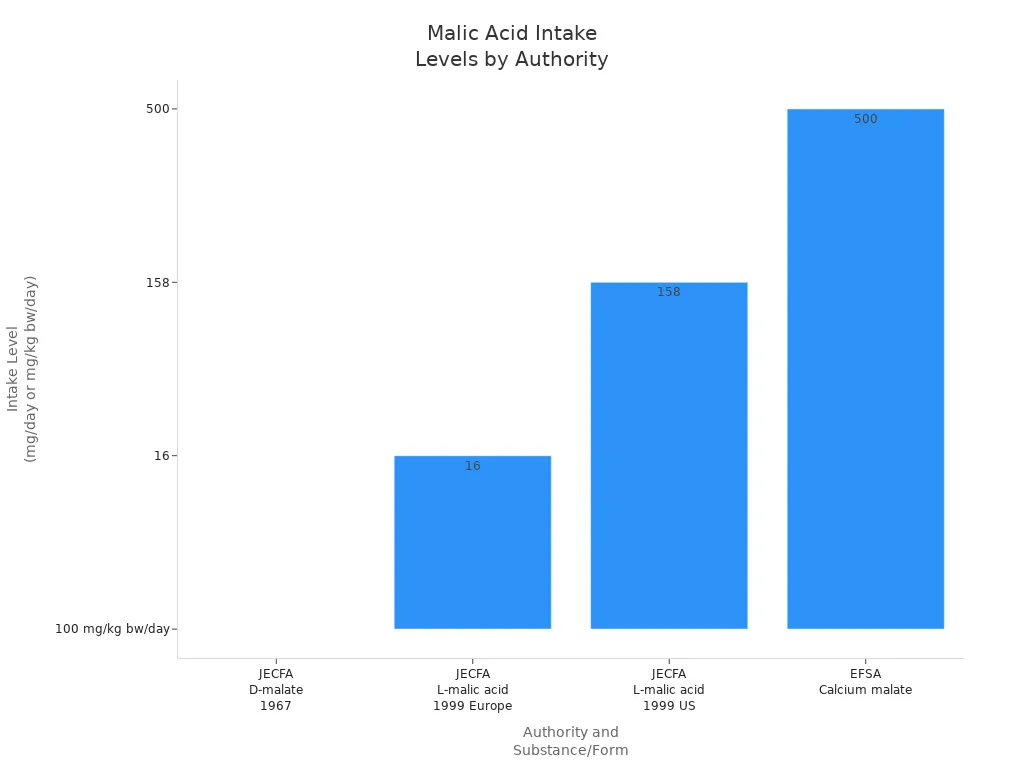
Most people get malic acid from fruits and vegetables. Apples, cherries, and grapes are good sources. You do not need to worry about getting enough. A normal diet gives you all you need. Health groups like JECFA and EFSA checked how much is safe. They found L-malic acid in food is safe. The table below shows what different groups say about safe amounts:
Authority | Substance/Form | ADI or Intake Level | Safety Conclusion | Restrictions |
|---|---|---|---|---|
JECFA (1965) | L-malate | ADI not specified | No safety concern due to established metabolism and consumption | |
JECFA (1967) | D-malate | Conditional ADI 100 mg/kg bw/day | Limited data; restriction for very young infants | |
JECFA (1970) | D-malate | Conditional ADI withdrawn for adults | Adults can metabolize D-malate; restriction for infants remains | |
JECFA (1999) | L-malic acid (flavouring) | No safety concern at 16 mg/day (Europe), 158 mg/day (US) | Safe at current intake levels | |
JECFA (1980, 1986) | dl-malate and calcium, potassium, sodium salts | ADI not specified (group ADI) | No safety concern at current intake levels | |
EFSA | Calcium malate | Exposure ~500 mg/day malic acid | No safety concern; corresponds to tolerable upper intake for calcium | |
JECFA & EFSA | Very young infants | N/A | Addition of malic acid to foods for very young infants not recommended |
Supplement Guidelines
Some people take malic acid supplements for energy or kidney health. These come as capsules or powders. There are no official rules for how much to take. Most products tell you to follow the label. Babies should not get synthetic DL-malic acid. Their bodies cannot use the D-form well. Adults can use malic acid supplements in normal food amounts. Always talk to a doctor before starting new supplements, especially if you have health problems.
The FDA says malic acid is “Generally Recognized as Safe” (GRAS) in foods. This means it is okay for flavor, pH control, and keeping food fresh. The FDA does not give a special rule for malic acid as a supplement.
Safety and Precautions
Most people can use malic acid in food and supplements safely. Some people may get side effects if they take too much. Common side effects are:
Bloating or stomach pain
Nausea or diarrhea
Headaches, sometimes from not drinking enough water
Skin or eye irritation if pure malic acid touches you
Drinking more water can help with headaches. If you still feel bad, talk to a doctor.
Pregnant or breastfeeding women should not take malic acid by mouth. There is not enough safety information. Creams with less than 10% malic acid are likely safe for skin during pregnancy or breastfeeding. Malic acid in skin products can make skin more sensitive to the sun. Sunscreen is important. Mild redness, itching, or swelling can happen with skin use.
Always read labels and follow directions when using malic acid supplements or skin creams.
Malic acid helps food taste better and stay fresh. It is also good for health. Experts say you should get malic acid from foods like apples and grapes. Most people can use malic acid without problems. Some people may get side effects. Always follow the directions on products. Start with a small amount if you use it on your skin. Talk to a doctor before taking supplements or if you have health problems.
Look out for side effects like stomach pain or skin problems.
Pick good quality products and do not use too much.
Pregnant women, kids, and people with health issues should ask a doctor first.
FAQ
What foods have the highest malic acid?
Apples have the most malic acid. Cherries, grapes, and pears also have a lot. Tomatoes and potatoes have less malic acid.
Is malic acid safe for children?
Experts say malic acid in food is safe for kids. Babies should not have synthetic DL-malic acid. Their bodies cannot use the D-form well.
Can malic acid help with muscle soreness?
Some studies say malic acid may help sore muscles. Athletes use it for energy and recovery. More research is needed to know for sure.
Does malic acid cause allergies?
Malic acid almost never causes allergies. Most people do not have problems. Some may get a mild stomach ache or skin irritation. Always read product labels.