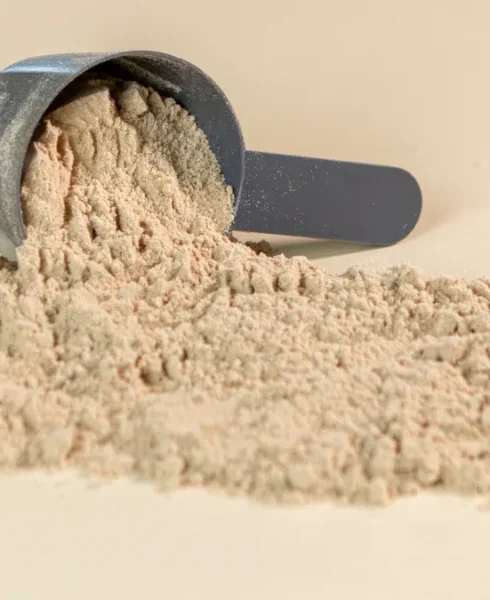

You will see that sodium caseinate and calcium caseinate both come from casein. Casein is a milk protein with special features. Calcium caseinate is often found in sports nutrition products. It is also in protein bars and smoothies. It works well in many foods. Sodium caseinate helps make food texture better. It also helps keep food stable. These caseinates give different benefits. The benefits depend on their minerals and how they work in foods.
|
Caseinate Type |
Market Share in 2025 |
Usage in Food Products Globally |
|---|---|---|
|
Calcium Caseinate |
48% |
Used in many foods like sports nutrition products, protein bars, and smoothies because it works well |
|
Sodium Caseinate |
N/A |
Listed as a product type but no market share or number of foods given |
Key Takeaways
-
Sodium caseinate mixes fast with water. It makes foods smooth and creamy. It works well in drinks and sauces. It is good for gluten-free or keto diets.
-
Calcium caseinate digests slowly. It gives extra calcium. This helps bone health. It gives long-lasting protein in sports bars and shakes.
-
Sodium caseinate has more sodium. People who watch salt should pick calcium caseinate. Calcium caseinate has less sodium and more calcium.
-
Both caseinates give high-quality protein. Sodium caseinate helps fast muscle recovery. Calcium caseinate gives slow protein release.
-
Look at food labels to choose the right caseinate. Pick based on your health goals. Think about the texture or nutrition you want in your food.
Key Differences
Overview
You may ask what makes sodium caseinate and calcium caseinate different. Both come from casein, which is a main milk protein. Their production and use in food are not the same. Sodium caseinate is made when acid casein mixes with sodium hydroxide. This step is fast and makes a protein that dissolves easily. Calcium caseinate is made when acid casein reacts with calcium hydroxide. This step takes more time and sometimes uses ammonia to help. The result is a protein with more calcium and a new structure.
Sodium caseinate mixes well with water. It helps foods stay smooth and stable. You can find it in coffee creamers, soups, and meats. Calcium caseinate does not dissolve as well but handles heat better. It adds calcium to foods and is used in protein bars and shakes. Their structures change how your body breaks them down. Sodium caseinate digests quickly. Calcium caseinate gives amino acids slowly.
Think about their nutrition too. Sodium caseinate has more sodium and less calcium. Calcium caseinate gives extra calcium for bones and muscles. These facts make each caseinate good for different foods and diets.
Tip: Pick sodium caseinate if you want a protein that mixes fast and makes food smooth. Choose calcium caseinate if you need more calcium or want a protein that digests slowly.
Comparison Table
|
Feature/Aspect |
Sodium Caseinate |
Calcium Caseinate |
|---|---|---|
|
Source |
Made from casein with sodium hydroxide |
Made from casein with calcium hydroxide |
|
Production Speed |
Quick (30-60 minutes) |
Slower, may use ammonia and extra steps |
|
Solubility |
Mixes very well with water |
Does not mix as well with water |
|
Heat Stability |
Good with heat, but changes above about 50°C |
|
|
Structure |
Small protein groups, no micelles |
Bigger groups, some micellar structure |
|
Digestion Rate |
Digests slow, releases amino acids over time |
|
|
Mouthfeel |
Creamy, smooth, looks clear when mixed |
Looks cloudy, feels dry, less thick |
|
Mineral Content |
More sodium, less calcium |
More calcium, less sodium |
|
Coffee creamers, soups, sauces, meats |
||
|
Helps mix, keeps food stable, holds moisture |
Adds calcium, helps slow protein absorption |
The table shows both caseinates have special uses. Sodium caseinate is best for foods that need to mix well and feel smooth. Calcium caseinate is great for adding calcium or making protein last longer in your body. Both are important in food and nutrition.
Sodium Caseinate

What Is Sodium Caseinate
You might see sodium caseinate on food labels. It comes from casein, which is the main milk protein. To make it, people first take casein out of milk with acid. Then, they add sodium hydroxide. This turns it into a salt that can mix with water. The process makes a mix of alpha, beta, and kappa caseins. These proteins form small pieces that blend well with water. Sodium caseinate does not have just one shape. It is a mix of proteins that can make films and help mix things together. This is why it is used a lot in food.
Properties
Sodium caseinate has many helpful properties. It dissolves fast in water and holds water well. It can also mix fat and water, so foods stay smooth and creamy. It can make films and coatings for food packaging. But these films can be weak and let water vapor pass. To fix this, food makers add other things to make the films stronger. Sodium caseinate can also carry vitamins and nutrients. This helps make foods healthier.
Tip: Pick sodium caseinate if you want a protein that mixes fast and keeps foods smooth.
Food Uses
Sodium caseinate is in many foods you eat. You can find it in milk, cheese, and ice cream. In ice cream, it stops crystals and keeps things mixed. Processed meats like sausages use it to hold meat together and keep it juicy. Bakeries put it in bread and gluten-free foods to help texture and shelf life. It is also in protein powders, coffee creamers, margarine, chocolate, whipped toppings, and desserts. In these foods, sodium caseinate helps mix things, keeps food stable, makes it thicker, and helps it foam. It makes food taste better and keeps it moist and healthy.
Calcium Caseinate
What Is Calcium Caseinate
Calcium caseinate is a milk protein found in many foods. People make it by mixing casein with calcium hydroxide. This makes a protein salt with more calcium than other caseinates. Calcium caseinate has a special structure with calcium ions. This structure helps it work well in different foods. It is used when slow protein release and extra calcium are needed.
Properties
Calcium caseinate has many useful properties:
-
It makes strong films that hold up well, especially at pH 8.
-
The protein changes shape with pH, making micelles bigger and films less breakable.
-
Films from calcium caseinate keep out moisture better at higher pH, so food stays fresh.
-
Glycerol or nonfat dry milk can make films bend more and cost less.
-
Calcium ions help the protein form a firm texture and hold water.
-
Lower pH lets in more moisture, which can make films weaker.
Note: Calcium caseinate’s structure lets it make gels and stable emulsions. This is good for food texture and keeping foods stable.
Food Uses
Calcium caseinate is in many foods you eat. It is in dairy drinks, soups, sauces, whipped toppings, baked goods, and ice cream. Many protein bars and powdered supplements use it for slow-digesting protein and calcium. In foods, calcium caseinate works as an emulsifier, stabilizer, and texture helper. It covers fat to make stable mixtures, even when heated. Meat products like frankfurters and salamis use it to make texture better, replace fat, and improve mouthfeel. It is also in candy to keep it smooth and creamy. These uses show how helpful calcium caseinate is for nutrition and food quality.
Caseinates: Functional Comparison
Solubility
When you check how caseinates mix with water, you see big differences. Sodium caseinate mixes better with water than calcium caseinate. If you use a little sodium caseinate, the liquid looks clear. Calcium caseinate often makes the liquid look cloudy, even with less. The pH level is the most important thing. Both caseinates mix best when the pH is between 5.6 and 6.2. Adding sodium phosphate helps them dissolve. Temperature does not change how well they mix, so focus on pH when making food. If you want a smooth drink or sauce, sodium caseinate works better.
|
Property |
Sodium Caseinate |
Calcium Caseinate |
|---|---|---|
|
Clear |
Cloudy |
|
|
Best pH Range |
5.6–6.2 |
5.6–6.2 |
|
Effect of Temperature |
Small |
Small |
Note: pH is the most important thing for caseinate mixing, not temperature.
Heat Stability
You should think about how caseinates act when heated. Sodium caseinate stays strong when you heat it, but it can change. High heat can break the protein and make new bonds. This can help food mixtures stay together, but the protein changes shape. Calcium and magnesium in foods can change how stable caseinates are when heated. Calcium does not cause as much clumping as magnesium, but both can change how caseinates act. The minerals in your recipe can change heat stability.
Emulsification & Texture
If you want creamy foods, look at how caseinates mix fat and water. Sodium caseinate is special because it has phosphoproteins. These help it hold water and keep mixtures smooth. Foods with sodium caseinate feel creamy and smooth. Calcium caseinate does not mix fat and water as well. The calcium ions make the protein stick together, which can break the mixture and make foods less stable. You will see more separation and less smoothness with calcium caseinate.
Tip: For creamy texture and stable mixtures, pick sodium caseinate.
Digestion & Absorption
Your body breaks down and uses caseinates at different speeds. Sodium caseinate breaks down and gets into your blood faster than calcium caseinate. Studies show that after you eat sodium caseinate, your blood amino acids go up quickly. Calcium caseinate breaks down slower because the calcium makes the protein clump in your stomach. This slows down how fast your body can use the protein. If you want to recover fast after exercise, sodium caseinate is better. For longer-lasting protein, calcium caseinate is a good choice.
Nutrition Differences

Protein Content
You might wonder how much protein is in caseinates. Both sodium caseinate and calcium caseinate have a lot of protein. These proteins come from casein, which is found in milk. Caseinates are used in sports drinks, diet foods, and shakes. They help build muscle and help your body recover. Sodium caseinate has about 90% protein by weight. Calcium caseinate has about the same amount of protein. It also gives you more calcium. When you pick caseinate for sports or diet foods, you get all the amino acids you need. This helps you stay strong and healthy.
|
Caseinate Type |
Protein Content (per 100g) |
Main Benefit |
|---|---|---|
|
Sodium Caseinate |
~90g |
Fast absorption |
|
Calcium Caseinate |
~90g |
Slow release, calcium |
Both caseinates give you good protein. The main difference is how fast your body uses them.
Sodium vs Calcium Levels
You should check the minerals when you pick a caseinate. Sodium caseinate has more sodium. Eating too much sodium can raise your blood pressure. Calcium caseinate has more calcium. Calcium is good for your bones and muscles. If you want more calcium, pick calcium caseinate. If you need less sodium, read food labels and choose carefully.
|
Caseinate Type |
Sodium (mg/100g) |
Calcium (mg/100g) |
|---|---|---|
|
Sodium Caseinate |
600–800 |
20–40 |
|
Calcium Caseinate |
10–50 |
1200–1400 |
Calcium caseinate helps your bones. Sodium caseinate can add more sodium, so think about your health needs.
Suitability for Diets
You may want to know which caseinate fits your diet. Here are some things to help you choose:
-
Sodium caseinate is good for gluten-free diets. It helps make gluten-free bread and cakes better.
-
If you eat a keto diet, sodium caseinate is a good pick. It digests slowly and helps you feel full.
-
Sodium caseinate helps keep blood sugar steady. It is good for people who need to watch their blood sugar.
-
Calcium caseinate is best if you need more calcium. You find it in foods that help your bones.
-
Calcium caseinate makes foods feel thicker and smoother. It is in shakes and bars for slow protein release.
Tip: Pick sodium caseinate for gluten-free, keto, or diabetic diets. Choose calcium caseinate if you want more calcium or need bone support.
Choosing Caseinates
Factors to Consider
You need to think about your goals before picking a caseinate. Decide what you want from your food or drink. Sodium caseinate mixes fast and makes drinks smooth. Calcium caseinate adds more calcium to your diet. Your body digests sodium caseinate quickly. Calcium caseinate digests slowly and keeps you full longer.
Check the sodium and calcium in each caseinate. If you need less sodium, calcium caseinate is better. If you want more calcium, pick calcium caseinate. Sodium caseinate helps you recover fast after exercise. Calcium caseinate stays in your body longer.
Some foods need special texture or mixing. Sodium caseinate makes foods creamy and stable. Calcium caseinate works well in sports bars and shakes. Both caseinates have their own strengths.
Tip: Always read the label to know which caseinate is in your food. This helps you choose the right one for your needs.
Pros and Cons
Both caseinates have good and bad sides. Here is a simple table to help you compare:
|
Caseinate Type |
Pros |
Cons |
|---|---|---|
|
Sodium Caseinate |
Mixes easily, smooth texture, fast digestion |
Higher sodium, less calcium |
|
Calcium Caseinate |
High calcium, slow digestion, good for bones |
Less soluble, can feel dry or chalky |
Sodium caseinate is great for creamy foods and drinks. It helps you recover quickly after sports. The higher sodium may not be good for everyone. Calcium caseinate gives you more calcium and helps you stay full longer. It may not mix as well and can feel dry.
Note: Think about your health and the texture you want when you pick a caseinate.
Practical Tips
Here are some easy tips to help you choose:
-
Check your health goals. Pick calcium caseinate for strong bones. Choose sodium caseinate for fast muscle recovery.
-
Look at the food label for sodium and calcium amounts.
-
Try different products. Some foods use both caseinates for better texture and nutrition.
-
Use sodium caseinate for drinks, sauces, and foods that need to be smooth.
-
Use calcium caseinate for sports bars, shakes, and foods that need slow protein release.
-
Match the caseinate to your recipe or health goal.
📝 Remember: Picking the right caseinate helps you get the best results for your food, nutrition, and lifestyle.
You have learned the main ways sodium caseinate and calcium caseinate are different. Sodium caseinate helps make foods smooth and stable. This makes it popular with food makers and people who want creamy, high-protein foods. This form of casein helps muscles grow. It also works well for keto and gluten-free diets. If you want protein that digests slowly or need more calcium, calcium caseinate is better for sports and health foods.
Checklist: How to Choose the Right Caseinate
-
Want foods that are creamy and mix well? Pick sodium caseinate.
-
Need protein that digests slowly or want more calcium? Choose calcium caseinate.
-
Looking for foods that are gluten-free or fit keto diets? Sodium caseinate is a good choice.
-
Want foods for sports or strong bones? Calcium caseinate may be best for you.
FAQ
What is the main difference between sodium caseinate and calcium caseinate?
Sodium caseinate mixes with water very easily. It makes foods feel creamy and smooth. Calcium caseinate gives you more calcium. It takes longer for your body to digest. Both come from milk protein. They work best in different kinds of foods.
Can you use sodium caseinate if you have lactose intolerance?
Sodium caseinate has only a tiny bit of lactose. Most people with lactose intolerance can eat it. You should always check food labels for milk ingredients.
Which caseinate is better for muscle recovery?
Sodium caseinate helps your muscles recover fast. Your body digests it quickly. It gives you amino acids right away. Calcium caseinate is better for slow protein release.
Are caseinates safe for people with milk allergies?
People with milk allergies should not eat caseinates. Sodium caseinate and calcium caseinate come from milk. They can cause allergic reactions.