
Sodium caseinate is found in many foods people eat.
It helps cheese, yogurt, and ice cream taste better.
It also helps baked goods and ready meals last longer.
Food makers use it to mix things together.
It keeps fat spread out and helps make foam.
Common Uses | |
|---|---|
Dairy | |
Bakery | Baked goods |
Meat & Ready Meals | Processed meats, ready-to-eat foods |
Beverages | Protein drinks, milk-based beverages |
Most sodium caseinate is used by food and drink companies. It makes food feel nice and helps it stay fresh.
Key Takeaways
Sodium caseinate is a milk protein. It helps mix fat and water. This makes foods smooth and creamy. It also keeps foods stable.
It makes foods like cheese and baked goods better. It helps processed meats and protein drinks too. It improves texture and keeps foods fresh.
This ingredient helps foods stay good longer. It keeps moisture in and stops things from separating.
Food makers use sodium caseinate to add protein. It also makes products look, feel, and taste better. It does this without changing the flavor.
Sodium caseinate is safe for most people. People with milk allergies should not eat it.
Sodium Caseinate Overview
What Is Sodium Caseinate
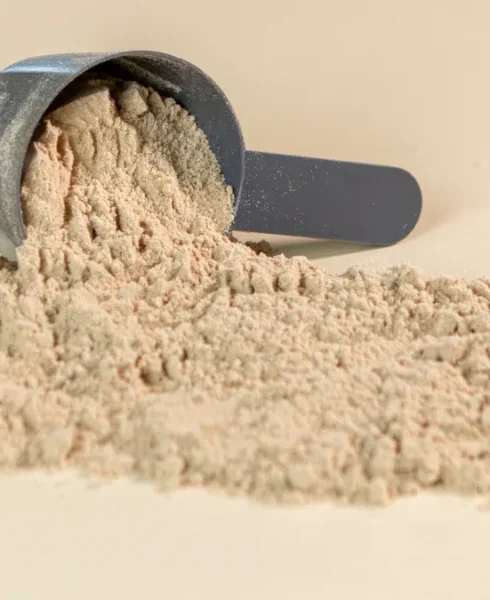
Sodium Caseinate is a protein that comes from milk. People make it by mixing casein with sodium hydroxide. This turns casein into a powder that can mix with water. The powder is white or yellow and melts in water fast. Casein has alpha, beta, and kappa caseins. These join with calcium and phosphorus to make clusters. When acid or rennet is added, casein leaves the milk. After adding sodium hydroxide, Sodium Caseinate is ready for food.
This ingredient mixes well with water but not with alcohol. Its pH is neutral, so it is safe for most foods. Food makers use Sodium Caseinate to make food feel better and add protein. You can find it in baked goods, dairy foods, drinks, and even in cosmetics. To make it, people mix casein with water, add sodium hydroxide, and dry it into powder.
Note: Sodium Caseinate is made from milk. People with milk allergies should always check food labels.
Functional Properties
Sodium Caseinate does many helpful things in food and drinks.
It helps fat and water mix together well.
It makes foam, which helps ice cream and toppings feel nice.
It makes soups and sauces thicker and creamier.
It keeps water in food, so food stays moist and fresh.
Description and Effect | Application Examples | |
|---|---|---|
Emulsifying Ability | Mixes fat and water, stops them from splitting | Sausages, ice cream |
Foaming Capacity | Makes foam that lasts, helps texture | Ice cream, whipped toppings |
Thickening and Bonding | Makes food thicker, holds things together | Soups, snacks, meat products |
Water Solubility | Melts in water, easy to use in many foods | Dairy drinks, protein beverages |
Texture and Mouthfeel | Makes food smooth and creamy | Baked goods, protein drinks |
Sodium Caseinate works as well as other caseinates or even better. It mixes with water easily and helps fat and water stay together. This makes it popular with food makers. The protein can make thin layers and hold food together. These things help food taste good and last longer.
Dairy Applications
Dairy foods use special ingredients to get the right feel and look. Sodium caseinate is important in many dairy foods. It works as an emulsifier, stabilizer, and foaming agent. These things help make foods smooth, creamy, and steady. People enjoy these foods every day.
Coffee Creamers
Coffee creamers must mix well in hot drinks. They should not separate or make lumps. Sodium caseinate helps creamers blend with coffee. It keeps oil and water mixed together. This protein covers tiny fat drops. It stops them from joining and floating up. So, creamers stay smooth and white in hot coffee.
Coffee creamers with sodium caseinate do not leak water. They do not break apart. They also do not make flakes in hot drinks. Tests show sodium caseinate keeps the mix stable for months. The fat drops stay small and easy to mix again if needed. This gives a better look and feel to the drink.
Processed Cheese
Processed cheese must melt evenly and keep its shape. Sodium caseinate helps by holding water and fat together. This makes cheese smooth and stretchy. It melts well on pizza or sandwiches. The protein makes a net that traps fat and water. This stops them from splitting when heated.
Makers can change how much sodium caseinate they use. This controls how firm and melty the cheese is. The protein helps cheese stay creamy and even. It works after storing or heating the cheese.
Function in Cheese | Benefit for Product |
|---|---|
Emulsification | Smooth, even melt |
Water binding | Prevents dryness |
Texture improvement | Creamy, stretchy feel |
Whipped Toppings
Whipped toppings need to hold air and stay fluffy. Sodium caseinate helps by lowering tension between oil and water. This lets air mix in and make foam. The protein makes a thin layer around fat drops. This helps keep the foam steady.
Studies show whipped topping stability depends on fat drops. Solid fat drops and sodium caseinate make a texture like real whipped cream. Adding things like pectin can help foam last longer. Sodium caseinate alone may not make the best foam. But it still helps make whipped toppings light and airy.
Tip: For the best whipped topping, makers use sodium caseinate with other stabilizers. This gives more volume and keeps the foam steady.
Bakery and Confectionery
Baked Goods
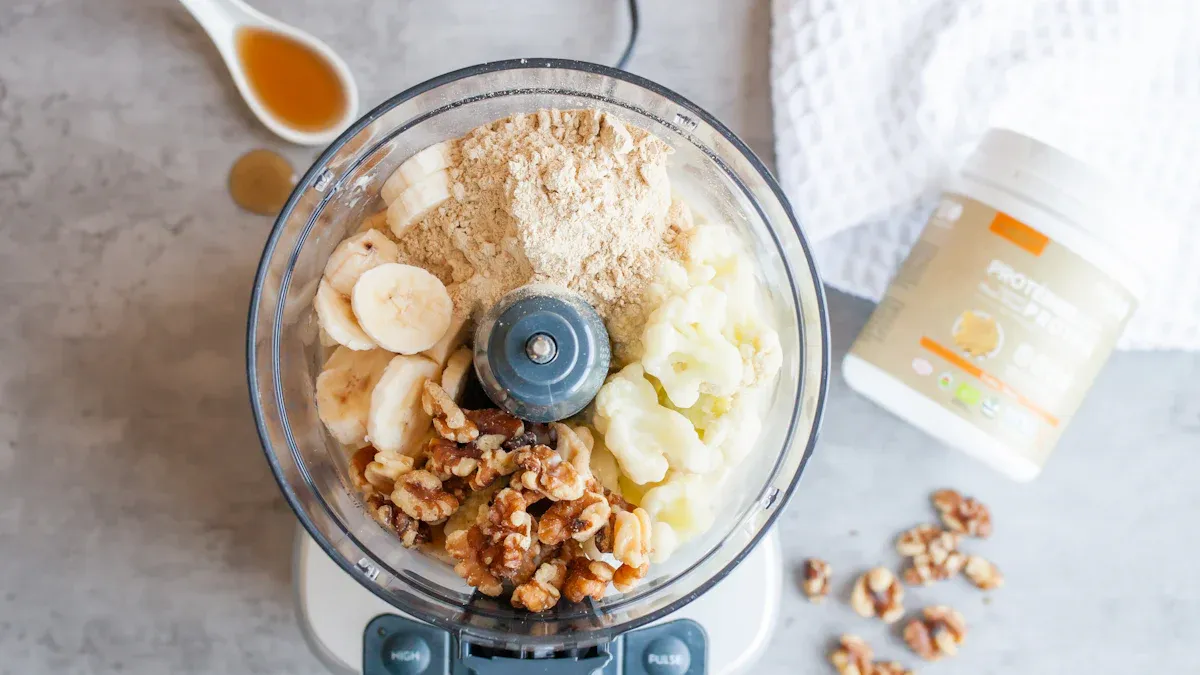
Sodium caseinate is important in baked goods. Bakers use it to help mix oil and water. It also helps keep dough and batter smooth. This ingredient keeps bread, cakes, and pastries moist. It works well in gluten-free bread. Sodium caseinate acts like gluten and makes bread softer. It helps bread feel lighter.
Reports say sodium caseinate makes baked goods last longer. It keeps them from drying out. The protein helps bread and cakes rise better. This gives them a light crumb. Many companies use sodium caseinate because it adds protein. It also helps make clean-label foods. The FDA and FAO say it is safe. Bakers trust it for their products.
Tip: Sodium caseinate is good for ready-to-eat bakery foods. It keeps quality high and does not change the taste.
Main Benefits in Baked Goods:
Makes dough bigger and crumb lighter
Helps keep baked goods moist
Adds more protein
Makes shelf life longer
Function | Benefit for Baked Goods |
|---|---|
Emulsifier | Makes texture smooth |
Stabilizer | Keeps quality steady |
Binder | Holds things together |
Protein Source | Adds nutrition |
Candy and Sweets
Candy makers use sodium caseinate to make sweets better. This protein helps mix fats and sugars. It makes candies smooth and creamy. In chewy candies and caramels, it keeps the mix together. It helps sweets keep their shape and stay fresh.
Sodium caseinate helps candies last longer by keeping moisture in. This stops treats from getting hard. Its protein can make sweets healthier. Many candies like nougat, toffee, and marshmallows use it. It helps make their texture better.
Note: Sodium caseinate helps candy makers make good products. These sweets look nice and last longer in stores.
Meat and Seafood
Processed Meats
Sodium caseinate is important in processed meats. Food makers use it in sausages, deli meats, and patties. This protein helps meat stick together and look nice. Sodium caseinate is a natural binder, so it is safer than some other choices.
Sodium caseinate sticks meat proteins together. This makes meat juicy and gives it a better feel.
It helps meat keep its shape and stops it from falling apart.
The phosphoprotein part soaks up water. This keeps meat moist and soft.
Its emulsifying power mixes fat in, so there are no greasy spots.
The stabilizing effect makes the texture and look the same every time.
These things help processed meats stay fresh and taste good. Sodium caseinate lets food makers skip fake binders. The protein holds water in the meat, so it does not dry out when cooked or stored. This is why sodium caseinate is used to make processed meats better and safer.
Tip: Sodium caseinate is good for low-fat and low-salt meats. It keeps flavor and texture strong, even if recipes change.
Seafood Products
Sodium caseinate is also useful in seafood. Makers add it to fish sticks, crab cakes, and surimi. It helps these foods feel juicy and firm. Studies show that mixing sodium caseinate with vegetable oils makes seafood taste better. The protein helps seafood hold together and gives a firmer bite.
Delgado-Pando and others found sodium caseinate helps seafood bind and keep water. This means fish and shellfish stay juicy and do not break apart. Cooking seafood at 72 °C for 65 minutes keeps more water inside. Sodium caseinate acts as a binder, so seafood keeps its texture and juiciness when cooked or stored.
Makers pick sodium caseinate because it helps products stay the same. It makes seafood look and taste good, even after freezing or reheating. This protein makes seafood more appealing and easier to work with in factories.
Note: Sodium caseinate keeps seafood moist and firm. This makes it a good choice for ready-to-eat meals and snacks.
Sauces and Ready Meals
Sauces and Dressings
Sodium caseinate is important in many sauces and dressings. Food makers put it in salad dressings, mayonnaise, and creamy sauces. This milk protein helps oil and water mix well. It makes a layer around oil drops. This stops them from joining together. The sauce stays smooth and does not split or get watery.
Sodium caseinate works better than other milk proteins. It has special parts that help it cover oil drops. These parts let it open up and spread out.
It keeps sauces thick and creamy by making them thicker and forming gels.
The phosphoprotein part helps sauces hold water. This keeps them moist and fresh.
When mixed with things like pectin or xanthan gum, it makes strong layers. These layers keep sauces stable, even if pH, salt, or temperature changes.
Sodium caseinate helps sauces and dressings keep their texture for longer. It also makes sauces taste better and feel smoother.
Sauce Type | Sodium Caseinate Function | Benefit |
|---|---|---|
Salad Dressing | Emulsifier, stabilizer | Prevents separation |
Mayonnaise | Emulsifier, thickener | Creamy texture |
Creamy Sauces | Moisture retention, gelation | Smooth mouthfeel |
Soups and Gravies
Soups and gravies need to be thick and smooth. Sodium caseinate helps by holding water and oil together. This makes soups and gravies creamy and steady. It works with other thickeners like guar gum or locust bean gum. When mixed with these, sodium caseinate makes soups thicker and helps form stretchy networks. These networks trap water and oil, so they do not split.
Sodium caseinate keeps oil and water mixed by making the drops push apart.
It makes soups and gravies thicker by raising the thickness of the liquid.
Mixing at high pressure and using the right pH helps it work better. This makes the drops smaller and keeps the mix steady.
Mixing protein and polysaccharides gives soups and gravies a better texture than using just one.
Food makers use sodium caseinate in ready meals because it keeps soups and gravies creamy, even after heating or storing. This protein helps foods look and taste good.
Soups and gravies with sodium caseinate do not split or get watery. They stay thick and smooth, so people enjoy eating them more.
Nutrition and Supplements
Protein Drinks
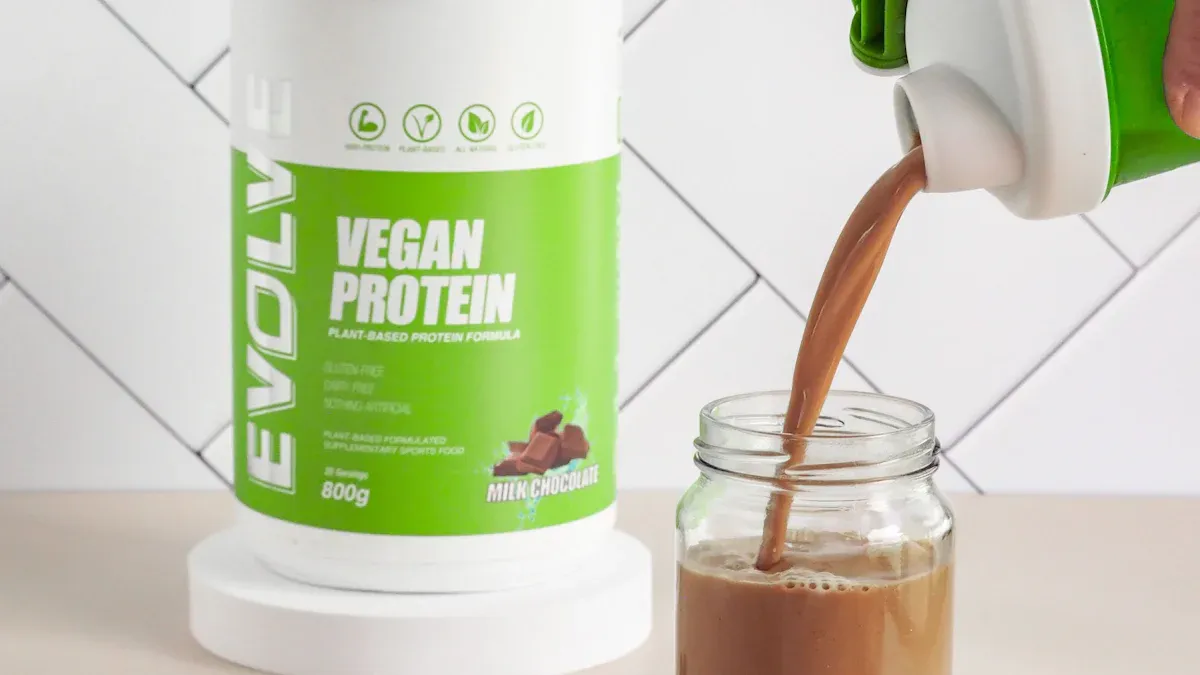
Protein drinks help people get more protein each day. Many brands add sodium caseinate because it has lots of protein, about 88%. This ingredient mixes well with water, so shakes are easy to make. How well sodium caseinate dissolves depends on pH. It works best in drinks that are either acidic or alkaline, but not near pH 4.0–5.0. When mixed with other milk proteins, sodium caseinate helps the powder dissolve faster. This makes the drink smooth and without lumps.
Sodium caseinate also stops casein micelles from sticking together. This helps the powder mix better in drinks. When companies use dry-blending, sodium caseinate can help milk protein powders dissolve up to 97.5%. This means the drink will have a steady texture and lots of protein. People who drink these get more protein in every serving.
Tip: For best results, mix protein drinks with sodium caseinate in water or milk at the right temperature.
Dietary Supplements
Dietary supplements often have sodium caseinate to help give important nutrients. This protein acts as a carrier and stabilizer for fat-soluble vitamins like vitamin A. It forms a shell around the vitamin to keep it safe from light and air. This helps the vitamin stay strong and last longer in the supplement.
Studies show sodium caseinate helps the body take in more vitamin A. It forms complexes that protect the vitamin in the stomach’s acid. In lab tests, these complexes help more vitamin A reach the body’s cells. Modified sodium caseinate can hold even more vitamin A, making the supplement better. The natural structure of this protein helps it carry and protect other nutrients too.
Note: Sodium caseinate helps supplements work better by making nutrients easier to deliver and more stable.
Benefits for Manufacturers
Versatility
Sodium caseinate is a very useful ingredient. Food makers use it in many foods like dairy, bakery, meat, and drinks. This protein mixes with water and holds fat well. It also adds more protein to foods. Its special structure lets it carry vitamins and antioxidants. These casein micelles help protect nutrients when food is made. They also help our bodies use these nutrients better.
Sodium caseinate gives more benefits than other milk proteins. It works as a stabilizer, emulsifier, and thickener. Food makers pick it because it keeps foods smooth and creamy. It helps make films and coatings that protect food. These coatings help food last longer. Whey proteins work in some foods, but sodium caseinate helps more foods stay stable and healthy.
Sodium caseinate is made to be pure and safe. This makes it a good choice for many foods.
Key advantages for manufacturers include:
Makes food texture and look the same
Mixes well and adds more protein
Helps food stay fresh longer
Supports healthy and clean-label foods
Works in lots of recipes
Stability and Texture
Food makers like sodium caseinate because it helps food stay stable. It keeps food from splitting or losing quality over time. In powders, sodium caseinate helps them stick together. But if not stored right, powders can clump or change on the surface. In mixes with fat, sodium caseinate makes a shield around fat drops. This shield uses special forces to keep drops apart.
The table below shows how sodium caseinate helps food:
Function | Benefit for Food Products |
|---|---|
Emulsification | Stops food from splitting |
Moisture retention | Keeps food moist and fresh |
Texture improvement | Makes food smooth and creamy |
Shelf life extension | Helps food last longer |
Food makers use sodium caseinate because it keeps food steady in many conditions. It helps food look and taste good after storage or heating. This makes sodium caseinate a trusted ingredient for making high-quality foods.
Sodium Caseinate is used in many foods like bread, candy, dairy, meat, and drinks. It helps mix things together and makes food thicker and more stable. It also makes food feel better when you eat it. Food makers pick it because it keeps things mixed, makes food last longer, and gives a better texture. Its natural form makes it safe and easy to use. People who want to use sodium caseinate should buy it from good suppliers. They should use the right amount and sometimes mix it with other things for best results.
Key benefits:
Makes food feel and stay better
Stops things from coming apart
Gives more nutrition
FAQ
What is sodium caseinate made from?
Sodium caseinate comes from cow’s milk. Makers take casein protein out of milk. They mix it with sodium hydroxide. This makes a powder that can dissolve in water. Food makers use this powder in many foods.
Is sodium caseinate safe for people with milk allergies?
People with milk allergies should not eat sodium caseinate. It has milk proteins that may cause allergies. Always look at food labels for this ingredient.
Why do food companies use sodium caseinate?
Food companies use sodium caseinate for many reasons. It helps fat and water mix together. It makes food feel smoother and adds protein. It keeps foods fresh and creamy. Many foods like cheese, drinks, and baked goods have it.
Does sodium caseinate change the taste of food?
Sodium caseinate tastes mild. It does not change how most foods taste. It helps make food feel better in your mouth. It does not add a strong flavor.
How should sodium caseinate be stored?
Keep sodium caseinate in a cool, dry spot.
Close the container tightly after using it.
Keep it away from water so it does not clump.
Storing sodium caseinate the right way helps it last longer. It also keeps the quality good.