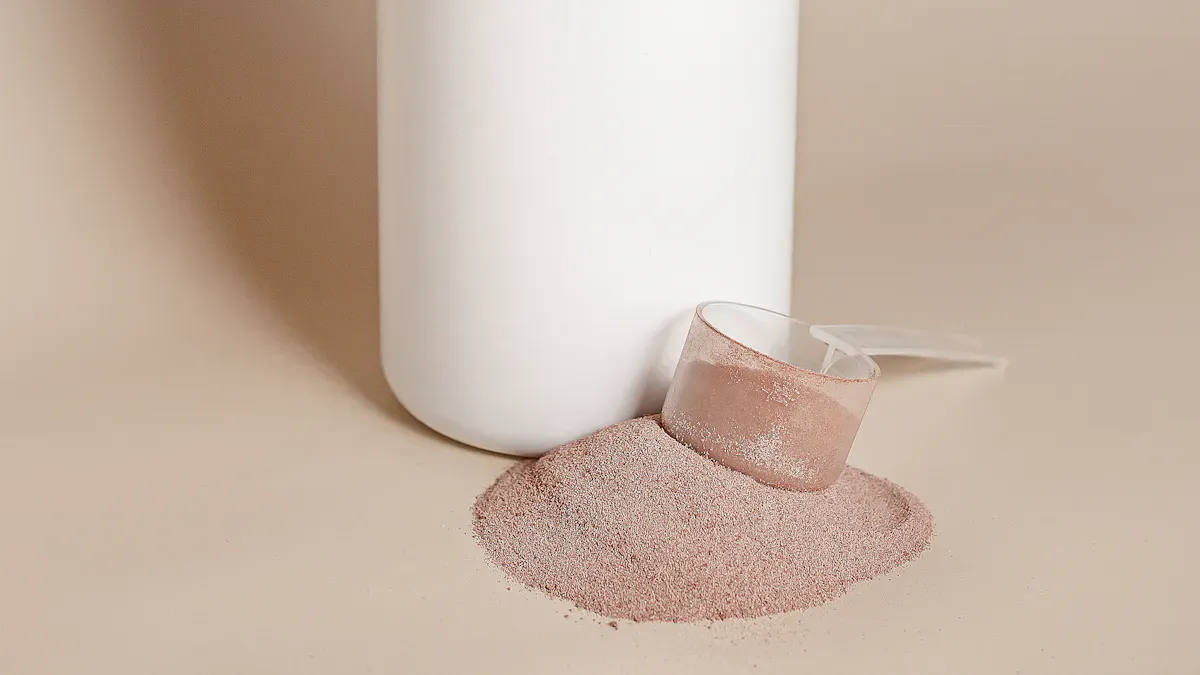
If you’re looking for a protein powder that delivers complete nutrition, pea and rice protein powder is an excellent choice. It supports your health and fits seamlessly into your lifestyle. Pea and rice protein powder stands out because it contains all the essential amino acids your body needs. It’s also ideal for people with common allergies, making it a safe option for many. Plus, choosing pea and rice protein powder is better for the planet. Many individuals are allergic to dairy, soy, or gluten—about 10% of people worldwide face these allergies. In the U.S., milk allergies affect 2–3% of children, while soy allergies impact 0.4% of the population. As a result, plant-based protein powders like pea and rice protein powder are gaining popularity, with the market expected to reach USD 12.2 billion by 2032. With pea and rice protein powder, you get clean, allergy-friendly nutrition without sacrificing quality.
Key Takeaways
Pea and rice protein powder has all the amino acids you need. This makes it a complete protein for building and fixing muscles.
This protein powder is good for people with allergies. It does not have dairy, soy, or gluten. This makes it safe for many diets.
Picking pea and rice protein powder helps the planet. It uses less water and land than animal proteins. It also lowers your carbon footprint.
Pea and rice protein powder tastes mild and a little nutty. You can use it in many recipes, like smoothies or baked treats.
Choosing this plant-based protein is good for your health. It also helps the environment and gives you better nutrition.
Complete Protein with Amino Acids
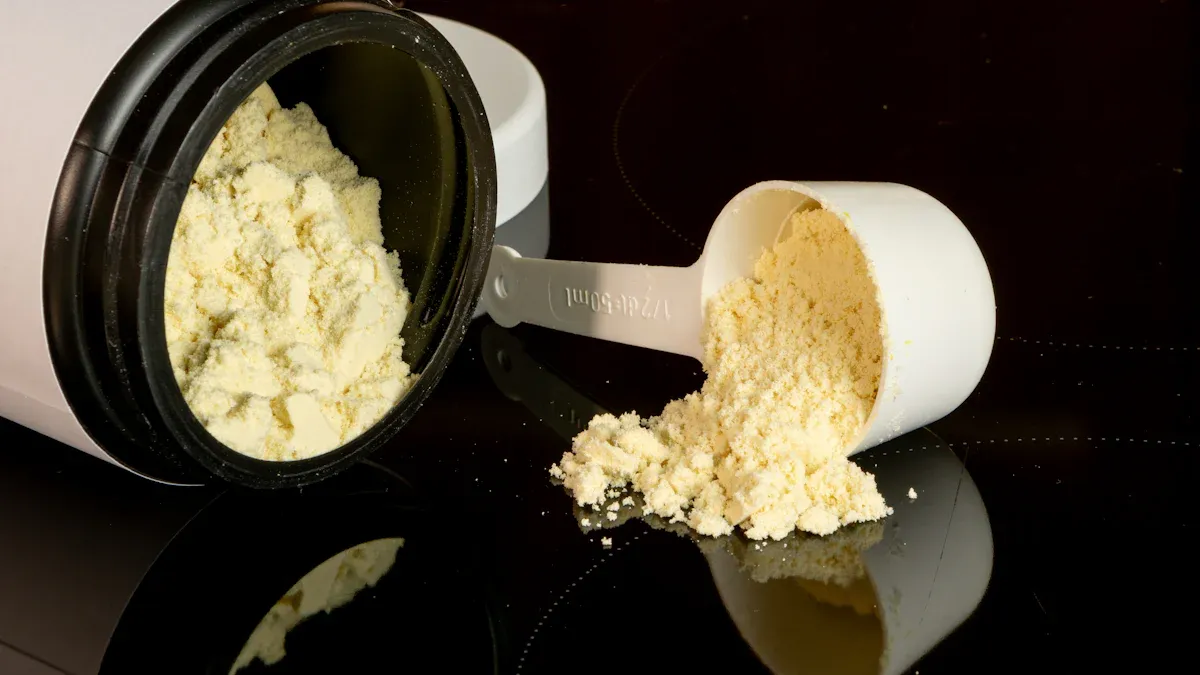
Pea and Rice Protein Powder Amino Profile
You want a protein powder that helps your body grow strong. Pea and rice protein powder can do this. When you mix pea protein and rice protein, you get all the amino acids you need. Pea protein has a lot of lysine. Rice protein gives you methionine. These two proteins together give your body every essential amino acid it needs. Your body cannot make these on its own. This mix is great for people who eat only plants.
Here is a simple table to show how these proteins compare:
Protein Type | Protein Content (per 30g) | Digestibility Rate | |
|---|---|---|---|
Pea Protein | 25g | Complete | 98% |
Brown Rice Protein | 15-20g | Incomplete (low in lysine) | 93% |
You get a plant-based protein that is easy to digest. If you use 30g of pea protein and 15g of rice protein, you get a full protein. This helps your muscles and body stay healthy and strong.
Muscle Growth and Recovery
You might ask if plant-based protein helps muscles like animal protein. The answer is yes, it does. Pea and rice protein powder has BCAAs. These help your muscles recover and lower tiredness after you exercise. Pea protein has many BCAAs. Rice protein adds even more.
Studies say pea protein works as well as whey protein for muscle growth. Rice protein also helps muscles recover, especially when mixed with other proteins. The mix in pea and rice protein powder helps your muscles grow and recover after you work out. You get a good plant-based protein that fits your active life.
Allergy-Friendly and Clean Nutrition
Free from Dairy, Soy, and Gluten
You may need a protein powder that does not cause allergies. Pea and rice protein powder is a good choice for this. Many people cannot eat dairy, soy, or gluten. Lactose intolerance is common around the world. In the USA, over one-third of people have it. Some groups have it more than others. This is why more people want dairy-free protein powders. Pea and rice protein powder does not have milk, eggs, fish, shellfish, tree nuts, peanuts, wheat, or soy. You can use it if you have food allergies.
Rice protein does not usually cause allergies. Pea protein is safe for most people. Some people with legume allergies may react to it. A study in Canada found some kids had bad reactions to foods with pea ingredients. Always check the label if you have legume allergies.
Here are some benefits:
Most people with allergies can use it
It does not have dairy, soy, or gluten
It works for many diets
No Artificial Additives
You want your food to be clean and simple. Pea and rice protein powder uses only a few ingredients. There are no fake colors, flavors, or sweeteners. The ingredient list is short and natural. This makes it easy for your body to use. Vegans and vegetarians can use this protein powder. Studies show pea and rice proteins help muscles grow and recover. They also give you all the amino acids you need.
Protein Type | Shelf Life (Months) | Storage Conditions |
|---|---|---|
Pea Protein | Store it right, like other plant proteins | |
Rice Protein | 24 | Keep it sealed and cool |
Other Protein Powders | 12 to 24 | Store like pea and rice protein |
If you store it right, it can last up to two years. You can put it in many foods. You get clean, allergy-friendly nutrition that helps your health and fits your life.
Sustainable and Versatile Plant-Based Choice
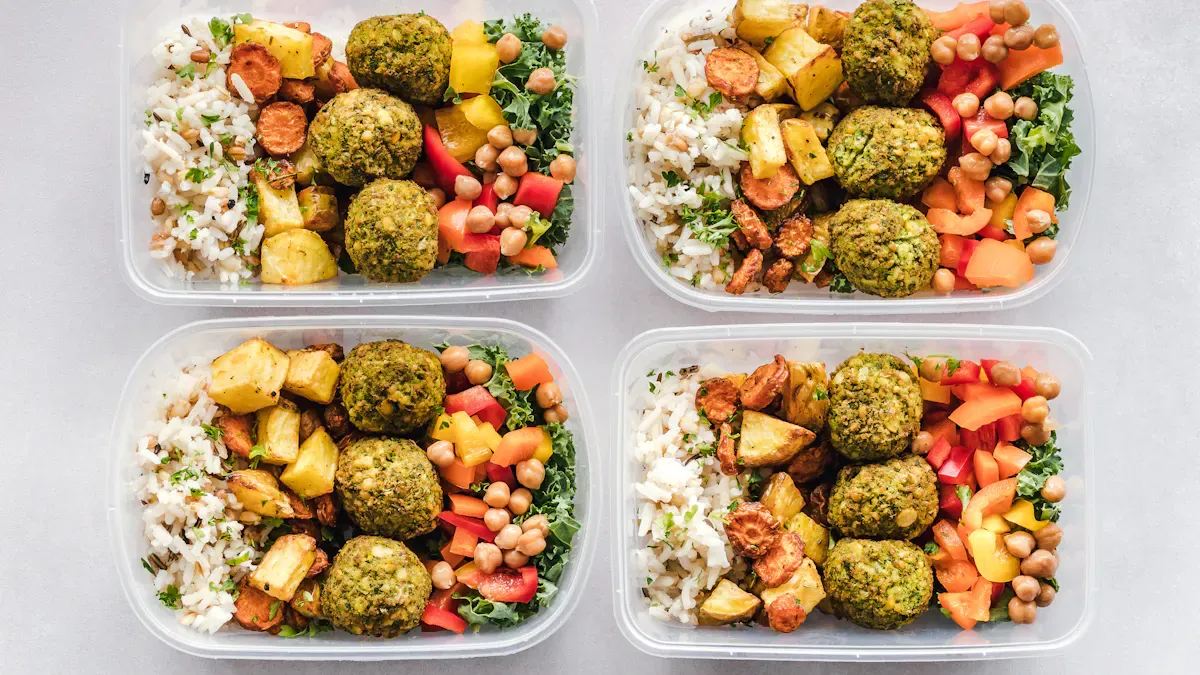
Eco-Friendly Protein Source
You help the planet when you choose plant-based proteins. Pea and rice protein powder uses fewer resources than animal-based options. Growing peas and rice needs less water and land. This means you lower your carbon footprint with every scoop. Many people now look for foods that are good for the earth and their health. You join a growing group of consumers who care about clean-label and hypoallergenic products. In 2022, about 75% of new plant-based protein products had simple ingredient lists and no artificial additives. You support better farming practices and a cleaner environment by picking plant-based protein.
You also help your body. Plant-based proteins can improve digestion and may help you feel full longer. Some studies show that eating more plant proteins can lower your risk of heart disease and help you live a longer, healthier life.
Choosing plant-based protein is a smart step for your health and the planet.
Easy to Mix and Enjoy
You can use pea and rice protein powder in many ways. It has a mild, nutty flavor that blends well with foods and drinks. You can add it to pancakes, breads, or even soups to boost protein. Many people use it in oatmeal, smoothies, or energy balls. You can even use it as a thickener in sauces or as a meat substitute in vegan dishes like chili.
Here are some popular ways to use it:
Stir into oatmeal or granola
Blend into smoothies or shakes
Add to soups, sauces, or casseroles
You get a protein powder that fits many diets and lifestyles. Vegans, vegetarians, and people with allergies can all enjoy it. You make your meals healthier and support ethical food choices at the same time.
When you pick pea and rice protein powder, you get lots of good things.
It has all the amino acids your body needs to help your muscles grow and heal.
You skip common allergens and get simple, clean ingredients.
You also help the earth by using a protein that works in many foods.
Give it a try as a smart and allergy-friendly way to get your daily nutrition.
FAQ
Is pea and rice protein powder good for building muscle?
Yes, you can use pea and rice protein powder to build muscle. It gives your body all the amino acids you need. Many athletes use it for muscle growth and recovery.
Can you use pea and rice protein powder if you have food allergies?
You can use this protein powder if you avoid dairy, soy, or gluten. Most people with allergies can use it safely. Always check the label if you have legume allergies.
How do you mix pea and rice protein powder?
You can mix it with water, milk, or plant-based drinks. Try adding it to smoothies, oatmeal, or pancakes. It blends well and does not clump easily.
Does pea and rice protein powder taste good?
Many people say it has a mild, nutty flavor. You can add fruits, cocoa, or spices to improve the taste. It works well in both sweet and savory recipes.
Is pea and rice protein powder safe for kids?
You can give it to kids, but talk to your doctor first. Make sure it fits your child’s diet and needs.