
You use the pepsin enzyme every time you eat protein. This enzyme breaks down large protein molecules in your stomach into smaller pieces your body can absorb. When you understand how pepsin works, you can make better choices for your digestive health. If you know what pepsin does, you can spot problems when your stomach does not digest protein well.
Key Takeaways
Pepsin helps break down proteins in your stomach. This makes nutrients easier for your body to take in.
Your stomach needs acid for pepsin to work well. Do not use medicine that lowers stomach acid.
Eating acidic foods can help pepsin work better. This can make digestion easier.
If you have trouble digesting protein, you can try pepsin supplements. Talk to a doctor first if you have health problems.
If you feel bloated or tired after eating, you may have low pepsin activity. Watch for these signs from your body.
Pepsin Enzyme Function
What Is Pepsin Enzyme
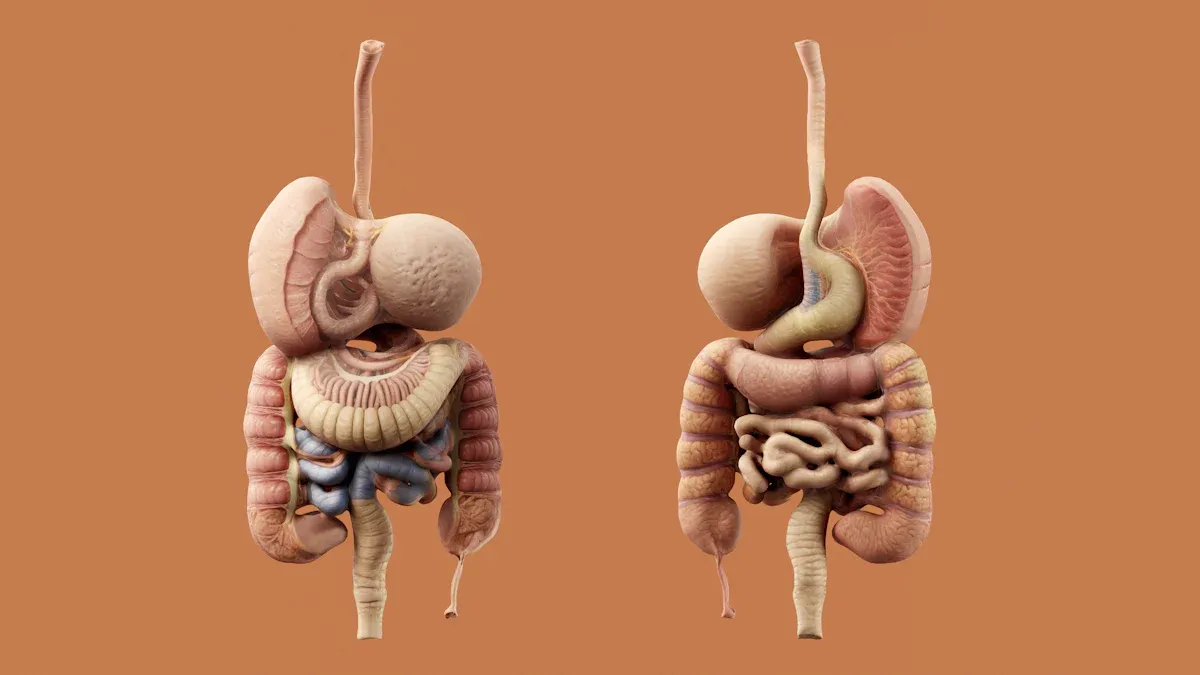
You can find the pepsin enzyme in your stomach. This enzyme helps break down proteins from food you eat. Pepsin is part of a group called proteases. These enzymes cut big protein molecules into smaller pieces. Your body can use these small pieces for growth, repair, and energy.
Pepsin has a special shape that helps it do its job well. The table below lists some important things about the pepsin enzyme:
Feature | Description |
|---|---|
Peptide Chain Length | Pepsin has one chain with 327 amino acids. |
Structure | It folds into a round shape with beta-sheets and alpha helices. |
Catalytic Residues | The active site has two special spots: Asp 32 and Asp 215. |
Secondary Structure | It has mostly beta-sheets held by hydrogen bonds, plus ten alpha helices and thirty-two beta strands. |
Active Site Composition | The active site is hydrophobic and has a negative charge because of the Asp residues. |
Functionality | Pepsin breaks down proteins using a nucleophilic reaction at its active site. |
This shape lets the pepsin enzyme work well in your stomach’s acid. Its special shape and active site help it find and cut protein chains fast.
Tip: Your stomach must stay acidic for pepsin to work best. If you take medicine that lowers stomach acid, pepsin may not work as well.
Role in Protein Digestion
When you eat foods like meat, eggs, or beans, your body needs to break down the proteins inside them. The pepsin enzyme starts this job in your stomach. It cuts long protein chains into smaller pieces called peptides.
Pepsin does not cut every protein bond the same way. It depends on the types of amino acids near each bond. Here is how pepsin picks where to cut:
Pepsin works best when amino acids like leucine (Leu) and phenylalanine (Phe) are near the bond.
Glycine (Gly) makes it harder for pepsin to cut the bond.
Other amino acids, like glutamic acid (Glu) and methionine (Met), help pepsin only if they are on the N-terminal side of the bond.
Some amino acids, like proline (Pro), lysine (Lys), histidine (His), and serine (Ser), make it harder for pepsin to cut if they are on the N-terminal side.
The area around the protein, like how hydrophobic or charged it is, also changes how well pepsin can cut.
You can see how well pepsin works by looking at experiments. Scientists tested how well pepsin breaks down different proteins. They found:
Samples with some proteins already partly broken down let pepsin work faster and better.
The degree of hydrolysis, or how much protein gets broken down, went up over time. Some samples reached up to 61% breakdown after two hours.
Pepsin released more peptides from these samples than from others, showing its strong ability to digest proteins.
In another test, pepsin helped make protein pieces that could block certain enzymes linked to blood pressure. The best results came when the enzyme-to-substrate ratio was higher and the reaction lasted longer.
Pepsin works better than other digestive enzymes, like trypsin or chymotrypsin, when breaking down proteins in your stomach. This is because pepsin works best in the acid of your stomach, while other enzymes need less acid. Pepsin can reach and cut protein chains that other enzymes cannot.
Note: If your stomach does not make enough acid, pepsin cannot work as well. This can cause problems digesting protein and absorbing nutrients.
By learning how the pepsin enzyme works, you can see why it is so important for your digestion and health.
Activation and Production
Pepsinogen to Pepsin
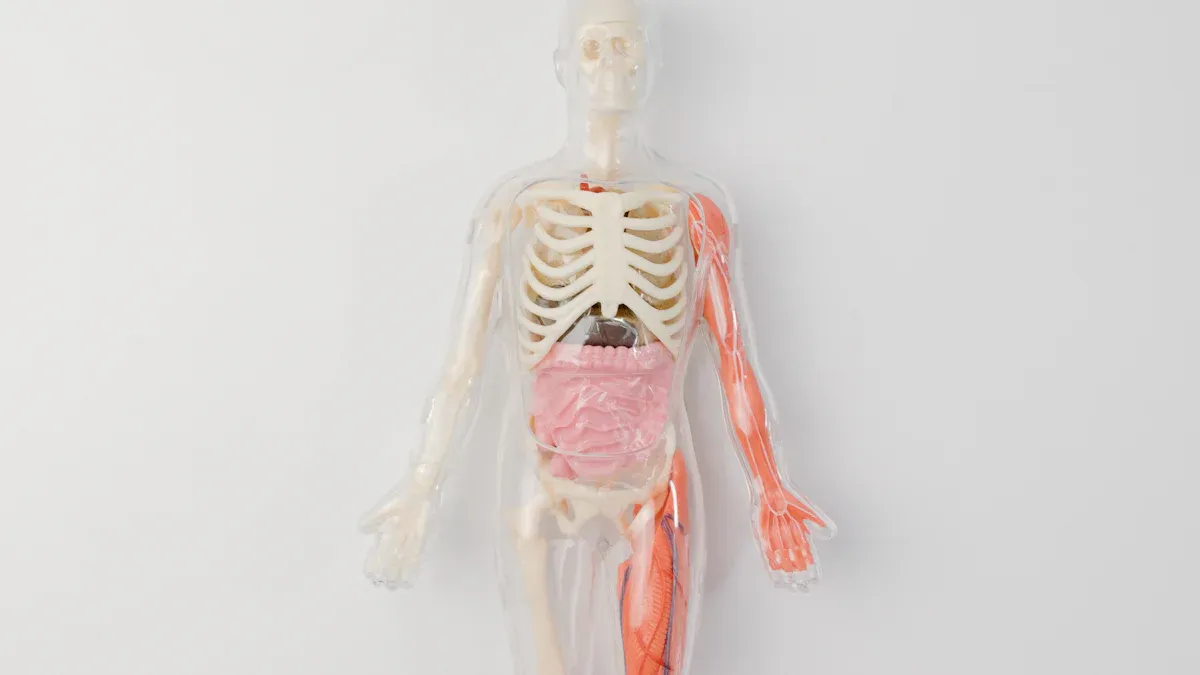
Your stomach does not make pepsin enzyme in its active form first. It makes something called pepsinogen instead. Pepsinogen is not active yet. When you eat, your stomach makes gastric acid. This acid lowers the pH in your stomach. The acid helps pepsinogen change into pepsin. The acid cuts off a small part from pepsinogen. This step is called cleavage. After cleavage, pepsinogen turns into pepsin. Then pepsin starts breaking down proteins.
The process keeps going after some pepsin forms. Pepsin can help change more pepsinogen into pepsin. This is called an autocatalytic reaction. More pepsin means faster protein digestion. Your stomach must stay acidic for this to work well.
Tip: If you take medicine that lowers stomach acid, you may not make enough active pepsin. This can make it harder to digest protein.
Dietary and Chemical Triggers
Some foods and drinks change how much pepsin your stomach makes. They also change how active it is. When you eat, your body sends signals to your stomach. These signals tell your stomach to make acid and pepsinogen. Acetylcholine and gastrin are two of these signals. They help your stomach get ready to digest food.
Some foods and drinks make your stomach more acidic. Soda, vinegar, and tomatoes have low pH. Drinking soda or eating vinegar makes your stomach more acidic. This helps activate the pepsin enzyme faster. Too much acid can cause problems. If you have reflux, acid can make things worse. Acidic drinks make pepsin more active. This can irritate your throat or esophagus.
Here is a quick list of common triggers:
Soda and fizzy drinks
Vinegar and pickled foods
Tomatoes and tomato-based sauces
You should notice how these foods make you feel. If you feel discomfort, you may want to eat less of them.
Uses and Applications
Natural Role in Digestion
You need the pepsin enzyme when you eat protein. It starts working in your stomach right after you eat. Pepsin breaks big protein molecules into smaller pieces called peptides. These small pieces are easier for your body to use. Your body uses them for energy, growth, and repair.
Here are some ways pepsin helps your digestion:
Pepsin gets turned on in your stomach when food comes in and the acid level goes up.
It cuts protein chains into smaller bits so your intestines can finish breaking them down.
Pepsin helps control how much acid your stomach makes by reacting to food.
It may help protect you by breaking down things in food that could cause allergies, stopping them from getting into your blood.
Note: You do not find pepsin in food. Your body makes it. Eating many different healthy foods can help your stomach make and use pepsin better.
Pepsin Enzyme in Supplements
Some people do not make enough pepsin by themselves. If you have trouble digesting foods with lots of protein, you might try supplements. These come as syrups, capsules, powders, or liquids. The FDA in the United States and the EFSA in Europe check these products to make sure they are safe.
Form | Market Value (USD Billion) |
|---|---|
Powder | 2.5 |
Liquid | 2.0 |
Gum | 2.201 |
Pepsin is also used in labs and factories. Scientists use it to learn how proteins break down. Factories use pepsin to help make cheese and clean leather by taking out extra proteins.
Tip: To help your body use pepsin, eat a balanced diet with lots of whole foods. Wild-caught fish and other natural foods may help your body make and use pepsin better.
Considerations and Side Effects
Potential Side Effects
You might wonder if pepsin enzyme supplements cause problems. Most people do not have trouble when they use pepsin as told. Studies say pepsin is very safe. Even with high doses, it does not cause harm. Rarely, some people may feel mild side effects. A few people get a little stomach pain or irritation. These problems usually go away fast.
Pepsin works best when your stomach is acidic. If you have too much acid, you might get heartburn or reflux. Pepsin can make these feelings worse. If your stomach is sensitive, watch for changes when you try a supplement.
Here is a table with important facts about pepsin supplements:
Evidence Type | Details |
|---|---|
Safety Profile | Excellent safety when used as directed; no toxicity at high doses. |
Side Effects | Minimal side effects; caution for ulcers or allergies. |
Optimal Timing | Take at the beginning of meals for best results. |
Acid Stability | Works well in stomach acid; fungal-derived forms are effective. |
Comprehensive Formulas | Multi-enzyme blends may support digestion better than single enzymes. |
Individual Variation | Needs change with age, health, and diet. |
Clinical Benefits | High-quality products help break down food and ease discomfort. |
Tip: Always start with a low dose and see how your body feels.
Who Should Avoid Pepsin
Some people should not use pepsin supplements. You need to ask your doctor if you have certain health problems. Pepsin can make some issues worse.
You have peptic ulcer disease. Pepsin can make ulcers worse.
You have some types of gastritis.
You have allergies to pepsin or its ingredients.
You have heartburn, acid reflux, or GERD often.
You have irritable bowel syndrome (IBS) and feel worse with acid or enzymes.
If you are in any of these groups, avoid pepsin or only use it with your doctor’s advice. Kids, pregnant women, and people with long-term stomach problems should be careful too.
Note: Always talk to your doctor before starting any new supplement, especially if you have a health problem.
You have learned that the pepsin enzyme helps break down proteins in your stomach. This process gives your body energy and helps you grow. Studies show pepsin works best when there is enough stomach acid. It can still work even if acid levels are low.
Key Finding | Description |
|---|---|
Role in Digestion | Pepsin is needed to break down proteins from food into smaller peptides. |
Stability | Pepsin stays active and stable, even if stomach acid changes. |
Look out for signs like bloating, pain, or reflux.
Ask your doctor before taking supplements or if you have stomach problems that do not go away.
FAQ
What happens if you do not have enough pepsin?
You may have trouble digesting protein. You could feel bloated or tired after eating. Your body might not get all the nutrients it needs from food.
Can you increase pepsin naturally?
You can support pepsin by eating a balanced diet. Foods that help your stomach make acid, like lean meats and fermented foods, may help. Drink water before meals, not during, to keep acid strong.
Is pepsin safe for everyone?
Most people can use pepsin safely. If you have ulcers, reflux, or allergies, you should talk to your doctor first. Children and pregnant women need extra care.
Does pepsin only work in the stomach?
Yes, pepsin works best in your stomach. It needs acid to stay active. When food moves to your intestines, pepsin stops working because the acid level drops.