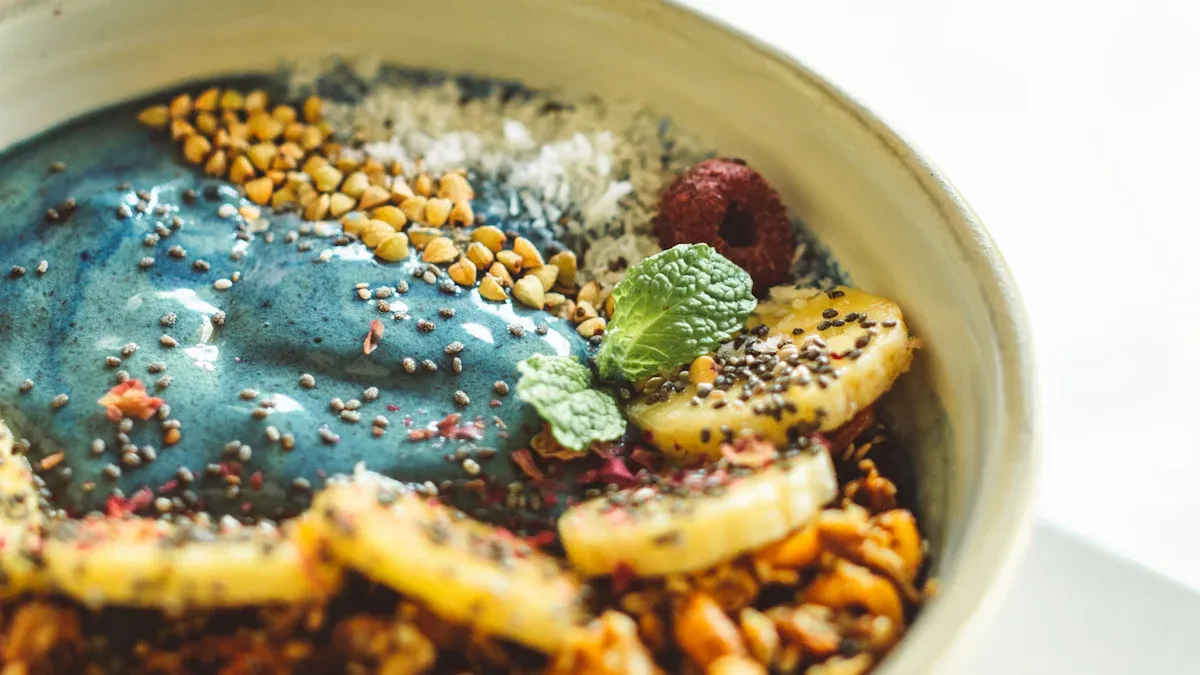
If you’re wondering what does blue spirulina taste like, you’ll notice it is much milder compared to regular spirulina. When asking what does blue spirulina taste like, most people describe it as having a soft, earthy, and seaweed-like flavor. In contrast, green spirulina tastes strong, grassy, and very much like the ocean. If you prefer a smoother taste, you may enjoy blue spirulina.
The bright color of blue spirulina can make food look more appealing, and often masks any bitter flavors, improving the overall taste. If you’re curious about what does blue spirulina taste like, its mildness is a big advantage.
Sensory studies show that green spirulina tastes very strong, green, and like sea plants, with an earthy undertone.
Spirulina Type | Taste Profile | Nutritional Aspect |
|---|---|---|
Green Spirulina | Tastes like seaweeds | Made only from algae |
Blue Spirulina | If you ask what does blue spirulina taste like, it’s a mild salty taste like the sea | Has concentrated phycocyanin pigment |
Key Takeaways
Blue spirulina has a mild, earthy flavor that is easy to enjoy. It blends well into smoothies and desserts without changing their taste.
Regular spirulina has a strong, fishy taste that can be hard to mask. It works best in recipes with bold flavors like citrus or chocolate.
Choosing blue spirulina is a great option for those who prefer a smoother taste. It adds vibrant color to food while keeping flavors neutral.
Flavor Profiles
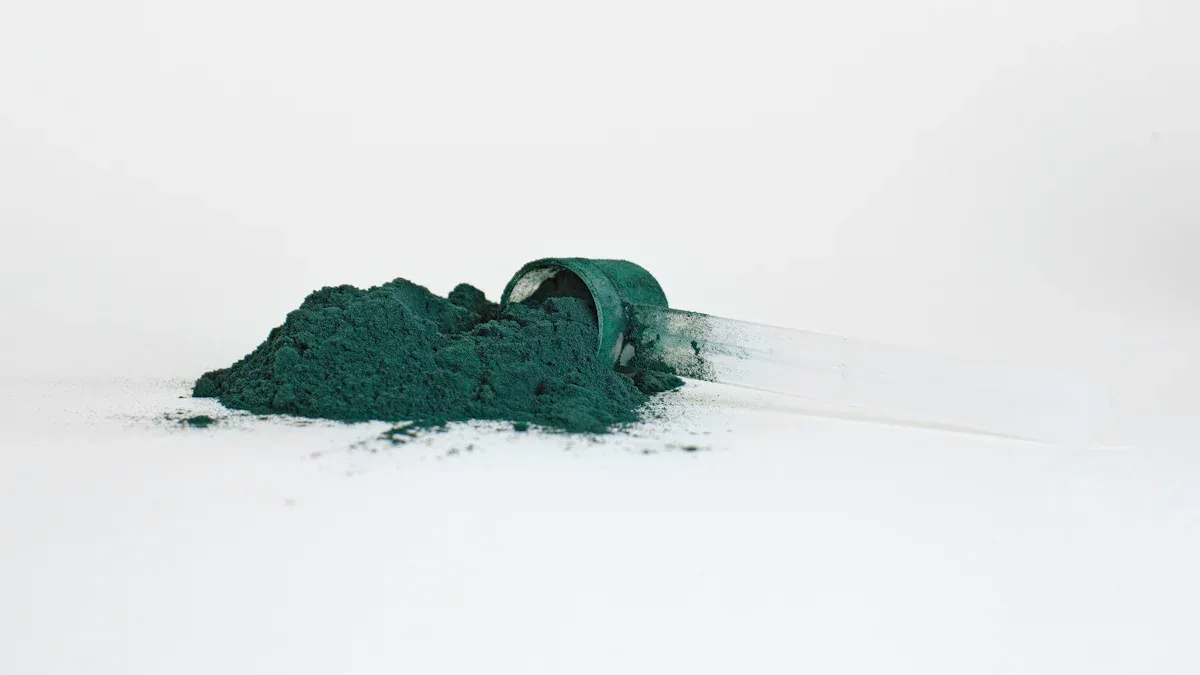
What Does Blue Spirulina Taste Like
Blue spirulina looks bright and colorful. Its taste is very mild. Most people say it tastes soft and earthy, like seaweed. Sometimes, there is a little bitterness, but it is not strong. Blue spirulina is made in a way that removes fats and proteins. These parts can make flavors stronger or unpleasant. The powder is almost fat-free and low in protein. This means you do not get the “pond” or fishy taste that regular spirulina has.
The taste of blue spirulina can change a bit. It depends on where it comes from and how it is made. You might taste hints of floral, woody, or umami flavors. Sometimes, there is a touch of earthiness or a faint fishy note, but these are rare. Most of the time, blue spirulina is almost tasteless and has no smell. This makes it easy to add to smoothies, drinks, or desserts. It does not change their flavor. If you wonder what blue spirulina tastes like, you will find it neutral and pleasant.
Tip: Blue spirulina is good for adding color to food. It does not change the taste.
Regular Spirulina Taste
Regular spirulina, also called green spirulina, tastes much stronger. You will notice grassy, ocean, and earthy flavors right away. Some people say it tastes like seaweed or even like a pond. If spirulina is not fresh, it can taste fishy or strong. The taste changes based on how fresh it is. Fresh spirulina tastes mild and clean. Old spirulina can taste strong and unpleasant.
Professional tasters use many words to describe regular spirulina. Here is a table with some main taste notes:
Taste Descriptor | Description |
|---|---|
Vegetable | Fresh vegetable notes |
Cooked Vegetable | Cooked flavor notes |
Herbaceous | Herbal characteristics |
Seaweed | Marine flavor |
Legumes | Bean-like taste |
Dried Fruit | Sweet, fruity notes |
Red Fruits | Berry-like flavors |
Honey | Sweet, floral notes |
Raisins | Dried fruit sweetness |
No Sensation | Absence of flavor |
Regular spirulina can taste a little sweet or fruity. But the strong seaweed and earthy flavors stand out most. Quality and freshness matter a lot. Spirulina harvested in the morning tastes gentler. It has lower levels of compounds that cause strong flavors.
Fresh spirulina tastes mild and clean.
Old spirulina can taste strong and unpleasant.
Harvesting in the morning gives a gentler flavor.
Good spirulina has intact chlorophyll, which helps with taste.
Taste Differences
Blue spirulina and regular spirulina taste very different. Blue spirulina is almost tasteless and has no smell. Regular spirulina has a strong, sometimes fishy taste. Most people find blue spirulina easier to use in food and drinks. It does not change the flavor. In blind taste tests, 87% of people said blue spirulina tasted “pleasantly neutral” in almond milk. Only 29% liked green spirulina in the same drink.
Here is a quick comparison:
Spirulina Type | Taste Description | Ease of Use |
|---|---|---|
Green Spirulina | Strong, ‘pond-like’ or fishy taste | Hard to use without changing flavor |
Blue Spirulina | Nearly tasteless and odorless | Easy to add to many foods and drinks |
Blue spirulina blends into smoothies, bowls, and desserts easily. It does not make them taste weird. Regular spirulina needs strong flavors, like citrus or chocolate, to cover up its taste.
Blue spirulina has a smoother, more neutral flavor.
Regular spirulina can be overpowering and hard to mask.
The extraction process for blue spirulina removes many strong-tasting parts.
If you want to know what blue spirulina tastes like, remember this: it is mild, gentle, and easy to enjoy. Most people think blue spirulina tastes better, especially if you do not like strong, earthy, or fishy flavors.
Using Spirulina in Food and Drinks
Recipe Tips for Blue Spirulina
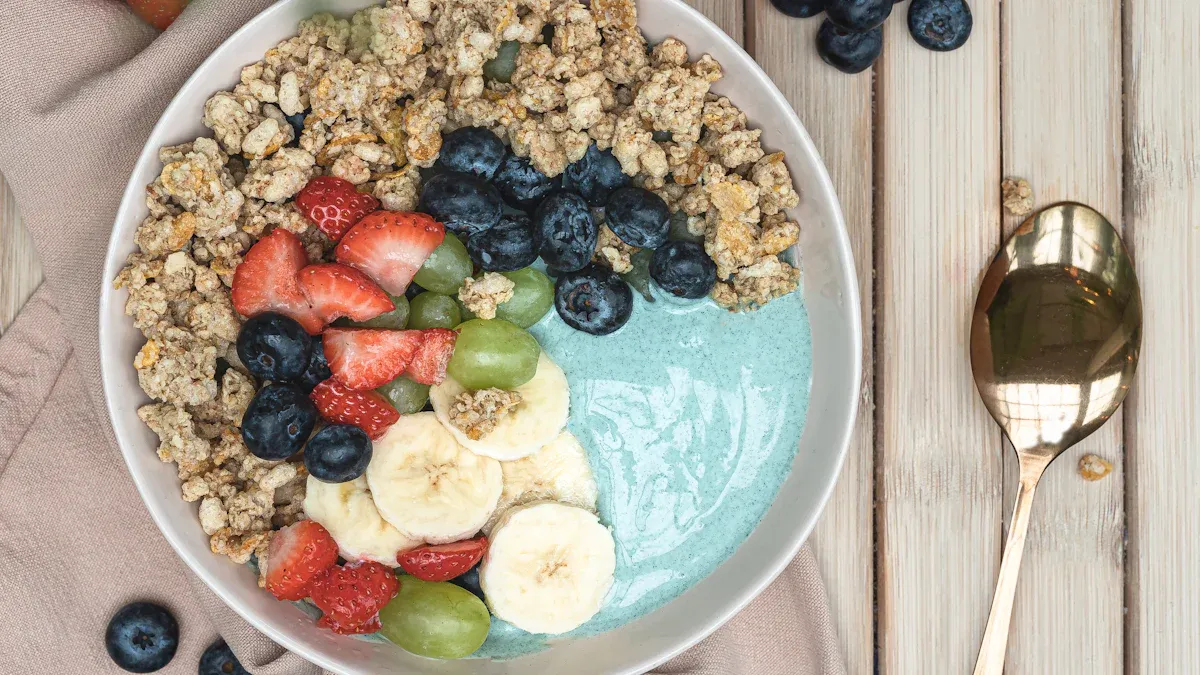
You might ask how to use blue spirulina at home. Its taste is mild, so you can mix it into many foods. If you wonder what does blue spirulina taste like, you will see it does not change the flavor. Here are some simple ways to use it:
Add blue spirulina to smoothies, ice cream, or chia pudding. It makes your food look bright and colorful.
Make a blue spirulina drink with coconut water, lemon juice, and sea salt. This drink tastes fresh and helps you stay hydrated.
Blend blue spirulina with frozen bananas and pineapple for a sweet smoothie. It turns out creamy and colorful.
You can put magnesium glycinate powder in your drink. This helps you relax more.
Tip: Blue spirulina is great for vegan recipes. It does not cover up other flavors.
Masking Spirulina Flavors
Regular spirulina tastes strong. You might want to hide its flavor in your food. Here are some easy tricks:
Mix spirulina with sweet fruits like mango, banana, or pineapple.
Use lemon or orange juice to cover earthy flavors.
Add strong flavors like cacao or cocoa powder.
Try vanilla extract or sweeteners like stevia.
Start with a little spirulina and add more as you get used to it.
Use fresh frozen spirulina pods to keep away bitterness.
Chefs often put spirulina in yogurt, parfaits, or ice cream. These foods help hide the taste and give health benefits.
Choosing Based on Taste
If taste matters to you, think about what does blue spirulina taste like compared to green spirulina. Blue spirulina tastes mild and almost has no flavor. You can add it to many foods and drinks without changing their taste. Green spirulina tastes much stronger and is harder to hide. If you want something easy to use, blue spirulina is best for most people.
Spirulina Type | Taste Strength | Best For |
|---|---|---|
Blue Spirulina | Mild/Neutral | Smoothies, desserts, drinks |
Green Spirulina | Strong/Earthy | Recipes with bold flavors |
Note: If you want more nutrition but do not want to change the taste, blue spirulina is the best choice.
You can look at this table to see how the tastes are different:
Spirulina Type | Taste Description | Versatility |
|---|---|---|
Blue Spirulina | Mild, neutral flavor | High |
Green Spirulina | Strong, earthy, fishy taste | Low |
Blue spirulina is much softer in taste. You can mix it into drinks or desserts. It will not change how they taste.
If you want something smooth and easy to use, choose blue spirulina for your recipes.
FAQ
Does blue spirulina taste sweet?
No, blue spirulina does not taste sweet. It has a plain flavor. You can put it in sweet foods. It will not make them taste different.
Can you taste spirulina in smoothies?
Blue spirulina does not add any taste to smoothies. Green spirulina can make your smoothie taste like plants or seaweed.
Is blue spirulina good for picky eaters?
Yes! 😊 You can mix blue spirulina into drinks or desserts. Picky eaters will not taste anything different.