
Many people ask if tbhq is safe to eat. Food safety experts and shoppers talk about this a lot. Tbhq is found in many processed foods. It is common in snacks and baked goods. Some people worry about health risks. Others say it is safe because of rules from the government.
Tbhq use is growing around the world. New market data shows high demand in Asia, North America, and Europe.
Aspect
Details
Global Market Value (2023)
Projected Value (2032)
USD 340M
Key Regions
Asia, NA, EU
Main Uses
Snacks, baked goods
Scientists are still checking if tbhq is safe. This keeps the debate going. Readers will get clear answers based on facts.
Key Takeaways
TBHQ is added to foods to help fats and oils stay fresh. It is found in many snacks and baked goods.
Groups like the FDA and EFSA say TBHQ is safe. They set rules so people do not eat too much.
Some research shows high TBHQ amounts may be risky. It might cause cancer or hurt the immune system. Experts do not all agree about this.
Most people eat less TBHQ than the safe amount. But people who eat lots of processed foods may get too much.
You can eat less TBHQ by checking food labels. Pick whole foods or foods with natural preservatives instead.
TBHQ Safety Debate
Regulatory Status
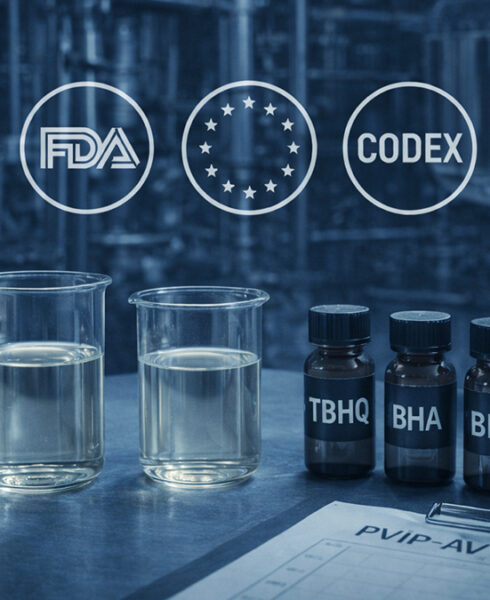
TBHQ is approved by big food safety groups worldwide. The United States Food and Drug Administration (FDA) says TBHQ is “Generally Recognized as Safe” (GRAS). The FDA has strict rules for how much TBHQ can be used. Foods can have up to 0.02% TBHQ by weight of fat or oil. This rule stops companies from using too much TBHQ in processed foods. The European Union also allows TBHQ but sets a daily limit. People there can eat up to 0.7 milligrams per kilogram of body weight. The European Food Safety Authority (EFSA) and the European Commission check TBHQ safety often. They make sure food additives follow tough rules. Other places like Canada and Asia-Pacific countries have their own food safety laws for TBHQ. These countries change their rules to match world standards and new studies.
Note: Organic food in the EU cannot have TBHQ. This is because shoppers want fewer man-made additives.
Region | Regulatory Authority | Regulatory Status and Limits | Additional Notes |
|---|---|---|---|
United States | Food and Drug Administration (FDA) | GRAS status given; maximum use from 0.02% to 0.1% by fat/oil weight | Used in many foods; helps big food companies |
European Union | European Food Safety Authority (EFSA) & European Commission | Allowed with a daily limit of 0.7 mg/kg body weight; strict checks needed | Slows market growth; some people do not trust synthetic preservatives; organic foods cannot use TBHQ |
Other Major Markets (Canada, Asia-Pacific) | Different food safety groups | Controlled by food safety laws; governments help food processing | Rules and environment laws (like EPA in U.S.) affect making TBHQ |
Countries like China, Japan, South Korea, Vietnam, and Hong Kong now have tougher food safety rules. They tell companies to follow stricter standards for TBHQ. In the United States, the FDA, World Health Organization (WHO), and Environmental Protection Agency (EPA) keep checking TBHQ for safety and health risks. Companies sometimes use less TBHQ or look for natural options.
Scientific Controversy
Even with approval, TBHQ is still debated. Scientists argue about what animal and cell studies mean for people. Some studies show health problems at high TBHQ doses. These problems include issues with the immune system, cancer, nerve symptoms, and trouble with having babies. Critics say the GRAS system does not test food additives long enough.
Scientists disagree about animal and cell study results and if they matter for people.
Some studies show health risks at high TBHQ levels, like immune system problems, cancer, nerve issues, and trouble having babies.
Groups like the FDA say TBHQ is GRAS and safe at low amounts, but critics think GRAS does not test long-term safety enough.
People argue about how much animal and cell studies matter for real food use.
Supporters say TBHQ stops fat from going bad, which can hurt people.
Opponents worry about immune and cancer risks, especially for women.
The main fight is about if safety data and rules are good enough for approving and checking food additives.
Critics talk about studies showing TBHQ can hurt the immune system in animals and labs. The Environmental Working Group looked at EPA data and found immune system problems. These worries got bigger during COVID-19, when people feared things that could weaken immunity. Critics also say the FDA approved TBHQ a long time ago and has not checked it with new science. Groups want the FDA to look at food chemicals like TBHQ more often to keep up with new studies.
Some well-known studies are:
The Centers for Science in the Public Interest (CSPI) talks about a government study that found more tumors in rats given TBHQ.
The National Library of Medicine (NLM) found vision and nerve problems in animals exposed to TBHQ.
The World Health Organization (WHO) says some people may eat TBHQ close to or above the safe daily limit.
A new study used modern science tools to see how TBHQ affects the body. It found possible risks to the liver, kidneys, and nerves. The study also showed TBHQ might hurt DNA and stress cells. These results make TBHQ more controversial and keep the debate going.
TBHQ is still allowed by big food safety groups, but more health worries and new studies mean stricter checks and calls for safer choices.
What Is TBHQ?
Use in Foods
TBHQ is a man-made antioxidant. It is also called tert-butylhydroquinone. It looks like a white or light tan crystal. Food makers add TBHQ to stop fats and oils from going bad. This helps food last longer and taste better. TBHQ stops something called oxidative rancidity. When fats break down, they smell and taste bad. TBHQ slows this process and keeps food fresh.
TBHQ’s chemical formula is C10H14O2. It has two special phenolic hydroxyl groups. These groups react with free radicals in fats and oils. TBHQ gives away hydroxyl protons to help stabilize these fats. This stops chain reactions that make food spoil. TBHQ dissolves in fat, so it works well in foods with vegetable oils. The Food and Drug Administration says TBHQ can be used in food. The Environmental Protection Agency also says TBHQ is used in many edible fats and oils.
TBHQ keeps food from spoiling and helps it last longer. This is why many processed foods use TBHQ as an additive.
Common Sources
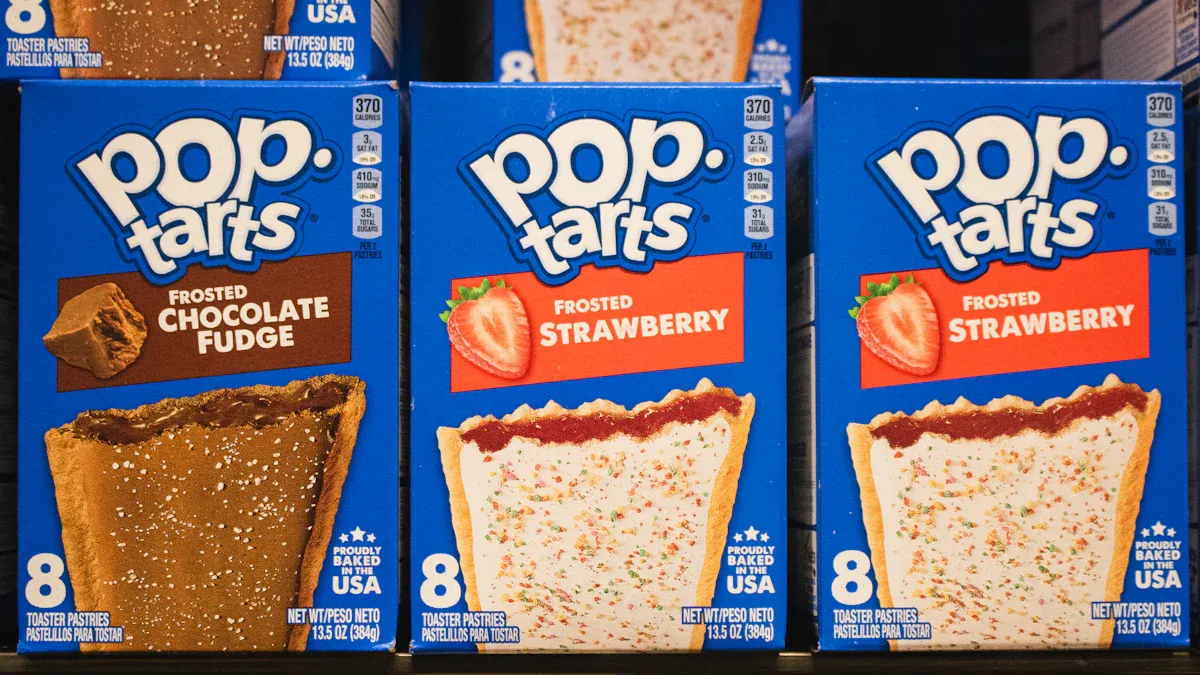
Many processed foods have TBHQ to keep them safe and fresh. Some snacks and treats use TBHQ to stop fats from spoiling. Here are some foods that often have TBHQ:
Pop-Tarts
Rice Krispies Treats
Cheez-Its
Little Debbie Swiss Rolls
Reese’s Peanut Butter Cups
These foods have oils or fats that need protection. TBHQ helps keep their taste and texture good. You can also find TBHQ in other snacks, frozen foods, and some fast food. If you check food labels, you can see if TBHQ is in your food and choose what you want to eat.
Potential Dangers of TBHQ
Cancer and DNA Risks
Scientists have looked at tbhq dangers for a long time. Animal tests show health problems when tbhq is given in high amounts. Some animals got pre-cancer tumors after tbhq exposure. For example, van Esch (1986) found stomach tumors in animals with lots of tbhq. Other research shows tbhq can hurt DNA and damage cells. Eskandani and others (2014) saw DNA damage and cell harm in animal cells. Kashanian and Dolatabadi (2009) explained that tbhq makes reactive oxygen species. These can hurt DNA and cause genotoxicity.
Study Aspect | Findings |
|---|---|
Animal tumor formation | High doses of TBHQ linked to stomach tumors in laboratory animals (van Esch, 1986). |
DNA damage | TBHQ induces DNA damage and cytotoxicity at cellular and molecular levels (Eskandani et al., 2014b; Okubo et al., 1997). |
Oxidative DNA damage mechanisms | TBHQ promotes formation of 8-hydroxydeoxyguanosine and reactive oxygen species (ROS), causing genotoxicity (Kashanian & Dolatabadi, 2009). |
Overall implication | TBHQ can cause oxidative DNA damage and may promote pre-cancerous conditions in animal models, though some evidence is conflicting. |
Big reviews show tbhq can hurt DNA, cause cell death, and raise cancer risk if the dose is high. These results made food safety groups set strict tbhq limits. But cancer groups do not all agree about tbhq dangers. Some research says tbhq can help protect cells in certain ways. Experts say more studies are needed. Not enough proof about long-term safety makes scientists careful.
Immune and Neurological Effects
Scientists also studied how tbhq affects the immune system and brain. Animal tests show tbhq can make allergies worse. Mice that ate tbhq had more IgE antibodies. These antibodies cause allergies. The mice had worse allergy symptoms and body temperature changes. Tbhq made mast cells more active, which causes allergy signs. This effect needed a protein called Nrf2. Mice without Nrf2 did not get worse allergies. Other preservatives did not cause these immune changes. There is no proof that tbhq does this in people, but animal and human immune systems are different.
Mice eating tbhq had worse allergic reactions to food.
Their IgE antibody levels went up and made allergies stronger.
They had more anaphylaxis and body temperature changes.
Mast cell activity increased and caused allergy symptoms.
Nrf2 protein was needed for these effects; mice without it did not get worse allergies.
Other preservatives did not cause these immune changes.
No proof for humans, but animal and human immune systems are not the same.
Zebrafish exposed to tbhq for a long time had trouble growing and surviving. Their pancreas did not develop right. Gene tests showed changes in immune genes. Some genes for phagosome and hypercytokinemia went up. Others for complement and humoral immunity went down. Past studies show tbhq can stop T-cells from working in mouse and human cells. These results mean tbhq can change animal immune responses, but it is not clear if it is dangerous for people.
Scientists also checked how tbhq affects the nervous system. TBHQ turns on NRF2 and AHR receptors. These help control stress and immune responses. These pathways are important for the brain. TBHQ made immune responses to viruses weaker in mice. It changed T cell activity and how mice cleared viruses. The NRF2 pathway may affect brain inflammation and stress, which are linked to brain problems. There is no proof tbhq causes brain symptoms, but it might affect the brain through these pathways.
Aspect | Evidence Summary |
|---|---|
Study Focus | Chronic exposure to TBHQ and its effects on gene expression related to immune response and viral infections |
Neurological Link | TBHQ activates NRF2 and AHR receptors, which regulate oxidative stress and immune responses relevant to neurological health |
Immune Modulation | TBHQ impairs immune responses to influenza virus in mice, affecting T cell activation and viral clearance |
Potential Neurological Impact | NRF2 pathway activation by TBHQ may influence neuroinflammation and oxidative stress, factors involved in neurological disorders |
Limitations | No direct evidence of TBHQ causing neurological symptoms, but modulation of immune and oxidative pathways suggests possible indirect effects |
Some research shows tbhq can help protect brain cells. For example, mice given toxic chemicals had shorter and fewer branches in brain cells. TBHQ helped fix these connections by turning on Nrf2, which protects the brain. In another study, mice with depression-like signs got better after tbhq treatment. TBHQ lowered brain inflammation by blocking some signals. These results mean tbhq might hurt or help the brain.
Study Model | Neurological Symptoms | TBHQ Effect | Molecular Mechanism | Implication |
|---|---|---|---|---|
Mice with depression-like behavior induced by LPS | Depression-like behaviors linked to neuroinflammation via NLRP3 inflammasome activation | TBHQ treatment significantly improved depression-like behaviors | TBHQ inhibited NLRP3 inflammasome components and microglial activation | TBHQ’s anti-inflammatory action via NLRP3 signaling modulation suggests a neuroprotective role in depression-related neuroinflammation |
Food Allergies and Intensification
There is no proof that tbhq causes food allergies in people. But animal tests show tbhq can make allergies worse. Mice given tbhq had stronger reactions to allergens. Scientists think tbhq might make allergies worse, but more studies are needed to know if this happens in people.
TBHQ is still debated because studies do not all agree. Some research shows health risks, but others show it can protect. The dangers of tbhq depend on how much, how long, and how sensitive someone is.
TBHQ Exposure and Limits
Typical Intake
People get TBHQ when they eat processed snacks and baked foods. Most people eat less TBHQ than the safe amount set by the FDA. The FDA says oils and fats can have up to 0.02% TBHQ. The safe daily amount is 0.7 milligrams for each kilogram you weigh. Most people do not eat this much. But some groups in the past ate more than the safe amount. For example, in the 1980s, people in the USA ate about 90% of the safe limit. In New Zealand and Australia, some people ate up to 180% of the safe amount.
In the 1980s, people in the USA ate almost all of the safe limit.
Some people in New Zealand and Australia ate even more than the safe amount.
Recent studies show most people eat much less than the safe limit. But some people who eat a lot can go over the safe amount. Some even eat up to 1100% of the safe limit. This means eating too much TBHQ could be risky for some people.
Population Group | Proportion of ADI (%) | |
|---|---|---|
Average consumers | 0.0012 – 3 | 0.0002% |
95th percentile consumers | 0.0006 | 0.09% |
Maximum permitted levels | 0.04 | 6.00 – 14.42% |
Most people eat less TBHQ than the safe limit, but some people who eat a lot may go over.
Safety Thresholds
Food safety groups make strict rules for TBHQ. The safe daily amount is 0 to 0.7 mg for each kilogram you weigh. Experts use animal tests to pick this number. They look for problems like liver changes, nerve problems, and seizures at high doses. Groups like the FDA and EFSA check these studies and change the rules when new science comes out.
The FDA and other groups say fats and oils can have up to 0.02% TBHQ.
Safety rules help keep people from getting sick.
Experts keep checking to make sure the rules are right.
Eating too much TBHQ for a long time can be bad for your health. Scientists found that high amounts can hurt DNA, cause cancer, and damage cells. The long-term effects of TBHQ are still being studied. Some reports say TBHQ can help cells, but most experts think more research is needed.
Health Risk Category | Evidence Summary |
|---|---|
Animal tests show TBHQ can cause cancers like bladder and stomach cancer. | |
Cytotoxicity | TBHQ can hurt cells in some lab tests. |
DNA Damage | TBHQ can break DNA and make cells stressed. |
Genotoxicity | TBHQ can change genes in animal and cell tests. |
Dose and Duration | Problems happen with high amounts over weeks or months. |
Scientists keep watching TBHQ and change safety rules to protect people’s health.
Avoiding TBHQ
Reading Labels
Many people want to keep TBHQ out of their food. They check the ingredient list for this additive. Food companies must put TBHQ on the package if they use it. People can look for names like “tert-butylhydroquinone” or “antioxidant (TBHQ)” on the label. But reading labels does not always keep you safe. Some foods might not list every additive. Sometimes, labels use other words for TBHQ. Scientists use special lab tests to find TBHQ in foods. These tests are called HPLC and GC-MS. They can find even tiny amounts that labels might miss. Reading labels helps, but only lab tests can be sure if TBHQ is there.
Tip: Always check the ingredient list for TBHQ or its full name, but remember that some additives may not be clearly listed.
Safer Food Choices
People can eat less TBHQ by picking better foods. Eating whole foods like fruits, vegetables, lean meats, and whole grains helps. These foods almost never have additives. Foods with fiber and prebiotics are good for your gut. Processed foods with long shelf lives often have preservatives. If you avoid these foods, you eat less TBHQ. When buying oils, pick extra virgin olive oil or avocado oil. These oils usually do not need synthetic preservatives. Some supplements, like fish oil, might have TBHQ. Look for brands that use natural ways to keep food fresh.
Many food companies now use safer things instead of TBHQ. The table below shows some common choices and how safe they are:
Antioxidant | Source | How It Works | Safety and Approval |
|---|---|---|---|
Rosemary Extract | Natural herb | Stops fat from spoiling | Safer, approved in Europe |
Tocopherols | Vitamin E | Protects oils from oxidation | Safe, found in many foods |
Ascorbyl Palmitate | Vitamin C type | Prevents oil from going bad | Safer than TBHQ, often combined |
TBHQ | Synthetic | Preserves oils and fats | Some health concerns, restricted use |
Choosing foods with natural antioxidants like rosemary extract or vitamin E can help people avoid TBHQ.
Food safety experts still argue about tbhq risks. This is because research does not always agree. There are strict rules for tbhq in food. Animal studies show tbhq might cause tumors and vision problems. It could also change how animals act.
Some people eat almost as much as the safe limit or even more.
People can make safer choices if they know what is in their food and look at ingredient lists.
FAQ
What does “Generally Recognized as Safe” mean?
The FDA says something is “Generally Recognized as Safe” when experts agree it is safe if used the right way. Scientists look at the facts and do not find big health risks at the allowed amounts.
Can children eat foods with synthetic antioxidants?
Kids can eat foods with synthetic antioxidants if they do not eat too much. Parents should look at food labels and pick whole foods when they can. Experts say eating fewer processed snacks is better for health.
How can someone avoid eating food additives?
People can stay away from food additives by eating fresh fruits, vegetables, and meats that are not processed. Checking ingredient lists helps find additives. Cooking at home lets you decide what goes in your food.
Are there natural alternatives to synthetic preservatives?
Yes, food companies use natural things like rosemary extract, vitamin E, and ascorbyl palmitate. These help keep food fresh and are usually safer than synthetic preservatives.
Does eating processed foods always mean higher health risks?
Eating processed foods can mean you get more additives and preservatives. Picking whole foods and reading labels can help lower these risks. Eating a mix of healthy foods is good for you.