Consumers often find tbhq in snacks and oils. Tbhq, which stands for tert-butylhydroquinone, offers three main benefits. It helps food last longer, preserves flavor and quality, and serves as a cheap and effective preservative. However, there are also three main risks associated with tbhq. Some health concerns have been raised, and there are ongoing debates about regulations for tbhq. People are also concerned about the effects of long-term use. Recent research suggests tbhq might impact animal immune systems, but there is no evidence that tbhq harms humans. Currently, regulations do not ban tbhq. More research is needed to determine its safety. Most foods contain tbhq in amounts considered safe, so while it’s good to stay informed, there is no need for major concern.
Key Takeaways
TBHQ helps food last longer by stopping fats and oils from spoiling, keeping snacks fresh during shipping and storage.
It preserves food flavor, color, and quality, especially in cooked or fried foods, making them taste better and look appealing.
TBHQ is cost-effective and works well in many foods, even at low amounts, helping food makers save money.
High amounts of TBHQ can harm cells and DNA in animals, so eating too much or for a long time may raise health risks.
Consumers should read food labels to check for TBHQ and choose foods with less if they are concerned about health.
TBHQ Benefits
Longer Shelf Life
TBHQ is a strong food additive that helps food stay fresh longer. It stops fats and oils from going bad. This happens because TBHQ blocks oxidation, which makes food spoil. TBHQ is an antioxidant. It gives hydrogen atoms to free radicals. Free radicals can hurt food, but TBHQ stops them. TBHQ works better than many other synthetic antioxidants. It protects vegetable oils and animal fats well. When TBHQ is mixed with tea polyphenols or ascorbic acid, it gets even stronger. These other antioxidants help TBHQ last longer and work better. TBHQ also slows down some bacteria and fungi. This means it helps stop germs from growing. Because of these effects, TBHQ is useful for keeping processed foods fresh.
Tip: Foods with TBHQ stay fresh during shipping and storage. This helps cut down on food waste.
Preserves Quality and Flavor
TBHQ does more than keep food from spoiling. It helps food keep its flavor, color, and smell. TBHQ is very stable and can handle high heat. This makes it good for cooked or fried foods. TBHQ is used in oils, snacks, and meat to protect taste and looks. By stopping oxidation, TBHQ keeps food from tasting bad or losing color. For example, TBHQ with rosemary extract and citric acid helps peanuts keep their flavor and texture. This mix also cuts down on oxidation. That means food stays tasty and looks good longer. Food makers like TBHQ because it works at low amounts. This makes it a cheap way to keep food quality high.
It works with other antioxidants to protect food.
Foods with TBHQ often taste fresher and look better.
Cost-Effective and Versatile
Food companies pick TBHQ because it is cheap and flexible. TBHQ works in many foods, especially those with lots of fat. It can handle heat better than BHA and BHT. This means it does not break down when cooked or fried. TBHQ also fights some bacteria, like Listeria and Staphylococcus, even at low amounts. This helps keep food safe from spoilage. Some natural antioxidants like lycopene and rosemary are popular now. But TBHQ is still a top choice because it works well and is easy to use. Food makers often mix TBHQ with other antioxidants for better results. This lets them use less of each additive but still protect the food.
Benefit | How TBHQ Helps |
|---|---|
Shelf Life | Stops fats and oils from spoiling |
Quality and Flavor | Keeps food tasting and looking fresh |
Cost-Effective | Works at low levels, saves money |
Versatile | Useful in many types of foods |
Antimicrobial | Slows down bacteria and fungi growth |
TBHQ is a strong food additive. It helps stop food from spoiling. It keeps food tasting and looking good. It also saves money. This is why many processed foods use TBHQ in 2025.
TBHQ Risks
Health Concerns
Scientists have looked at the risks of TBHQ in food. They saw that high amounts can hurt cells and DNA. TBHQ can cause cytotoxicity, which means it kills or damages cells. It can also cause genotoxicity, which means it harms genetic material. Some animal tests show TBHQ might cause cancer if used in very high amounts. The table below lists some effects found in new studies:
Effect Type | Model / Cell Type | Dose Level | Observed Effects |
|---|---|---|---|
Cytotoxicity | Human and animal cells | Dose- and time-dependent | Cell death, DNA fragmentation, early and late apoptosis |
Genotoxicity | Human and animal cells | Dose- and time-dependent | DNA damage, chromatin changes, cell cycle changes |
DNA Interaction | DNA samples | Various concentrations | DNA structure changes, oxidative lesions, altered DNA shape |
Carcinogenicity | Rats, mice | High doses | Tumors, kidney damage, brain cell death, possible link to breast cancer |
Metabolite Effects | Immune cells | Dose-dependent | Lower cell survival, increased autophagy |
Comparative Toxicity | Rat liver cells | Various hydroquinones | TBHQ most toxic among tested hydroquinones |
Toxicology studies say people can safely eat up to 0.7 mg per kg of body weight each day. Eating more than this can raise the risks. High amounts can hurt DNA, cause tumors in animals, and kill cells. TBHQ can also change the immune system. In animal tests, eating TBHQ often made immune responses weaker against viruses like influenza. TBHQ changed how genes work to fight infection and swelling. Some studies say it could even change how well vaccines work and may raise the chance of food allergies. Scientists have not found these effects in people yet, but they want more research and better safety checks.
Note: TBHQ is safe at low levels, but high or long use may raise health risks.
Regulatory Debates
Groups like the FDA check TBHQ safety often. The FDA looked at new studies and found no new toxic problems. They kept the same rules and said TBHQ is safe if used as told. But debates still go on. Some experts say the data is mixed and not always clear. Different groups, like the US FDA and the European Food Safety Authority, set different safe limits. This makes it hard to know what is really safe.
Some main points in the debate are:
Studies on TBHQ safety show mixed results in animals and people.
Groups do not agree on the best safe limits.
It is hard to know how much TBHQ people eat because diets are different.
Some worry that companies may affect safety choices.
New studies raise worries about effects on genes, the brain, and the immune system.
Some experts want more open rules and new laws for food additives.
Some people want better labels and safer choices.
Regulators must weigh the good and bad sides of TBHQ in food. They keep watching for new studies and may change rules if needed.
Consumer Concerns
Many people worry about TBHQ in their food. They want to know what is in their snacks and oils. Some feel unsure because of the risks from using TBHQ for a long time. New labels help with these worries. Smart labels now show real-time info about TBHQ levels, safety, and where it comes from. These labels can match a person’s health needs or allergies. This helps people pick better foods and builds trust.
Smart labels give:
Clear info about TBHQ in foods.
Details that fit personal health needs.
More trust between food makers and buyers.
Pressure on companies to be honest about food additives.
Using TBHQ in food for a long time still brings up questions. Animal tests show that eating TBHQ often may weaken the immune system and slow healing from sickness. TBHQ may also change how the body reacts to vaccines and could raise food allergies. These results mostly come from animal tests, so more studies in people are needed. Still, many people want to avoid TBHQ or eat less of it.
Tip: Always check food labels for TBHQ and pick foods with less if you are worried.
TBHQ in Foods
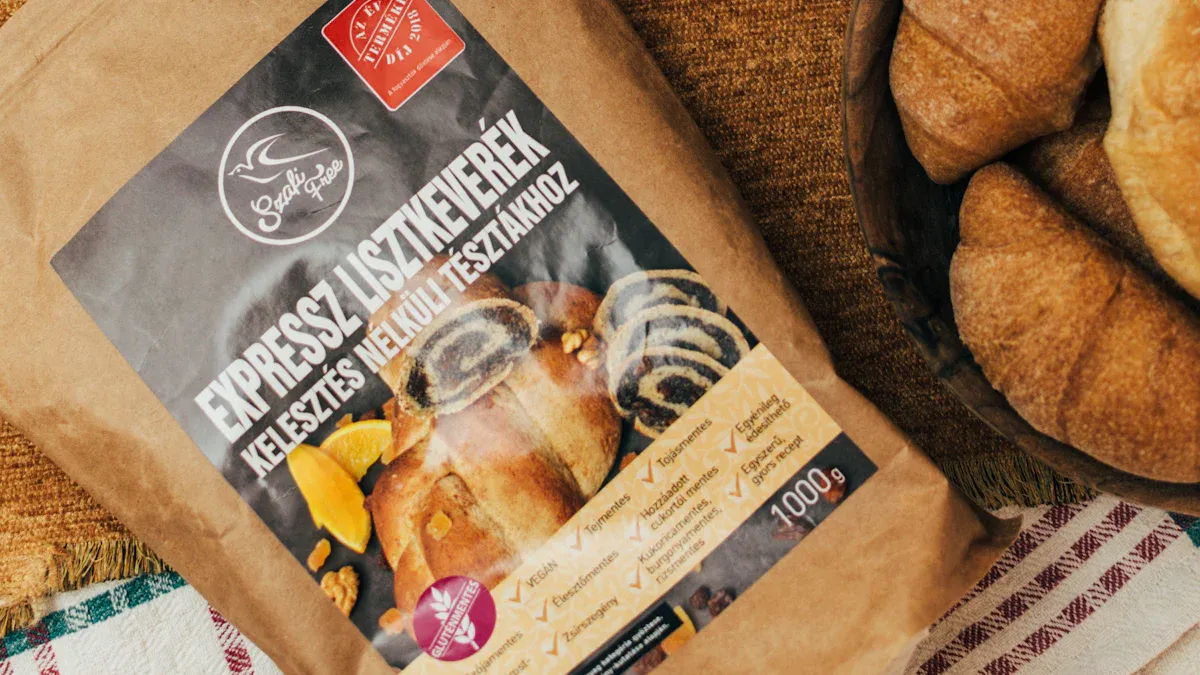
Finding TBHQ on Labels
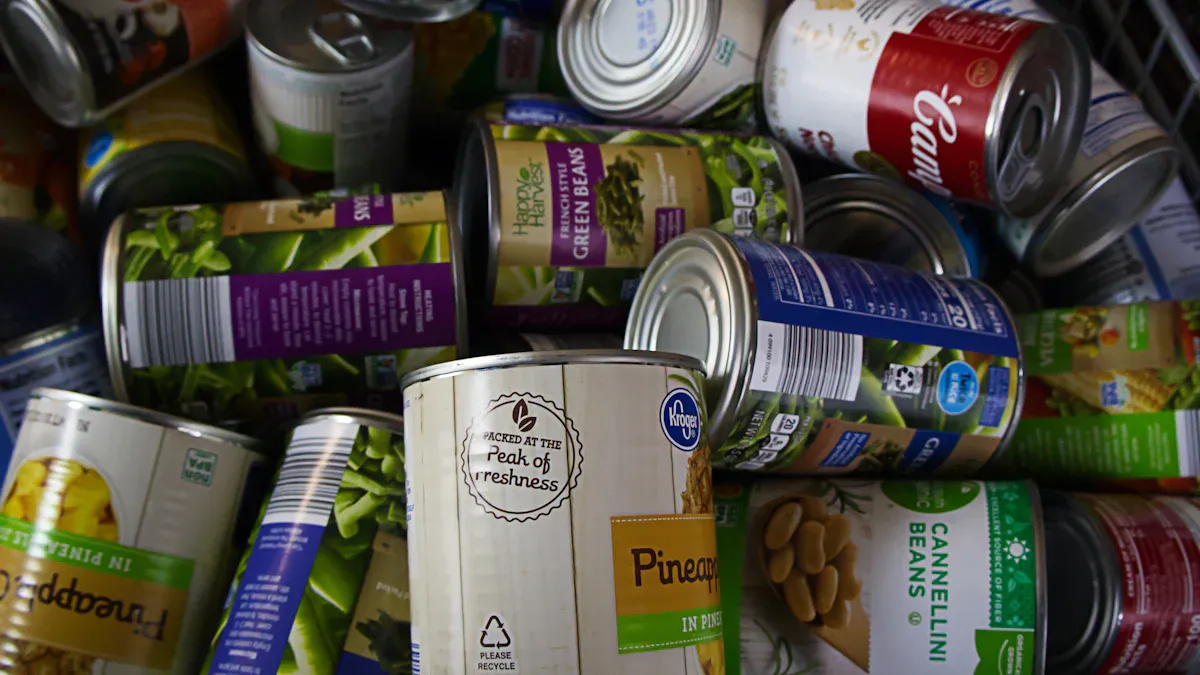
Consumers often want to know if their food contains tbhq. Food makers must list tbhq on ingredient labels. People can spot tbhq by looking for the full name, tert-butylhydroquinone, or the abbreviation tbhq. Some foods list it near the end of the ingredient list because companies use it in small amounts.
Many packaged snacks and processed foods contain tbhq. Common examples include:
Chips, crackers, and popcorn
Frozen pizza, processed meats, and fish sticks
Fast food fried items cooked in oils with tbhq
People should check labels on these foods to see how much tbhq they might eat. Some brands use smart labels or QR codes that show more details about tbhq and other additives. This helps shoppers make better choices.
Tip: If a label lists tbhq, it means the food uses it as a preservative to keep fats and oils fresh.
Making Informed Choices
People can take steps to decide how much tbhq they want in their diet. Nutritionists and food safety groups suggest these actions:
Research any ingredient that looks unfamiliar.
Ask three questions: What are the ingredients? Are they nutritious? Where do they come from?
Learn about chemicals in food, especially if they may cause allergies or affect the immune system.
Choose restaurants and brands that limit tbhq and other preservatives. Some places, like True Food Kitchen and Chipotle, use fewer additives.
Share information about tbhq with friends and family.
People should also think about how much tbhq they eat each day. Eating many foods with tbhq can add up. Some people may want to pick foods with less tbhq, especially if they have allergies or health concerns.
Note: Knowing how much tbhq is in your food helps you make choices that fit your health needs.
TBHQ has three big benefits. It helps food last longer. It keeps food tasting and looking good. It also saves money for food companies. But TBHQ has three main risks too. It might cause health problems. There are still arguments about rules for TBHQ. People worry about eating it for a long time.
Food safety groups in 2025 say TBHQ is safe if you do not eat too much.
TBHQ stops food from spoiling, but eating a lot or for many years could hurt your immune system or cause other health problems.
Experts say to read labels, eat less TBHQ, and pick more whole foods.
Learning about TBHQ helps people make smart choices about what they eat.
FAQ
What is tbhq and why do food companies use it?
Tbhq stands for tert-butylhydroquinone. Food companies use this food additive to keep snacks and oils fresh. It works as a food preservative by stopping fats from spoiling. Tbhq helps foods last longer on store shelves.
How much tbhq is safe to eat each day?
Experts say most people can safely eat up to 0.7 milligrams of tbhq for each kilogram of body weight daily. This amount keeps the potential risks low. People should check labels to see how much tbhq they might eat.
Does tbhq cause health problems?
Scientists have found that high amounts of tbhq may harm cells or DNA in animals. These effects show up only at large doses. Most foods contain much less tbhq, so the risk for people stays low.
Where can people find tbhq in foods?
Tbhq often appears in chips, crackers, frozen foods, and fried snacks. It helps these foods keep their taste and color. People can find tbhq listed on ingredient labels as tert-butylhydroquinone or tbhq.
Why do some people worry about tbhq?
Some people worry about tbhq because of possible health effects and long-term exposure. They want to avoid potential risks from this food preservative. Reading labels helps people choose foods with less tbhq.