
You might see sodium pyrophosphate listed in foods, but you may not know what it does. This food additive looks like a white powder. It mixes well with water. It is part of a group called inorganic phosphates. It comes in different types, such as:
Sodium Pyrophosphate, Anhydrous (CAS 7722-88-5)
Sodium pyrophosphate decahydrate (H20Na4O17P2, CID 3084150)
People use it in food to help mix things together. It makes food feel better and helps baked goods rise. Some people worry if it is safe or if it can cause health issues. You can learn about what it does and how it affects the food you eat.
Key Takeaways
Sodium pyrophosphate is used in many foods. It helps mix things together. It also makes food feel better to eat.
It helps baked goods rise. It makes them fluffy by making carbon dioxide gas.
This additive keeps food looking good. It stops potatoes from turning brown. It helps meat stay fresh.
Food safety groups like the FDA say it is safe. It is safe if used in the right amount.
To avoid sodium pyrophosphate, read food labels. Try to pick fresh and whole foods when you can.
Sodium Pyrophosphate Functions in Food
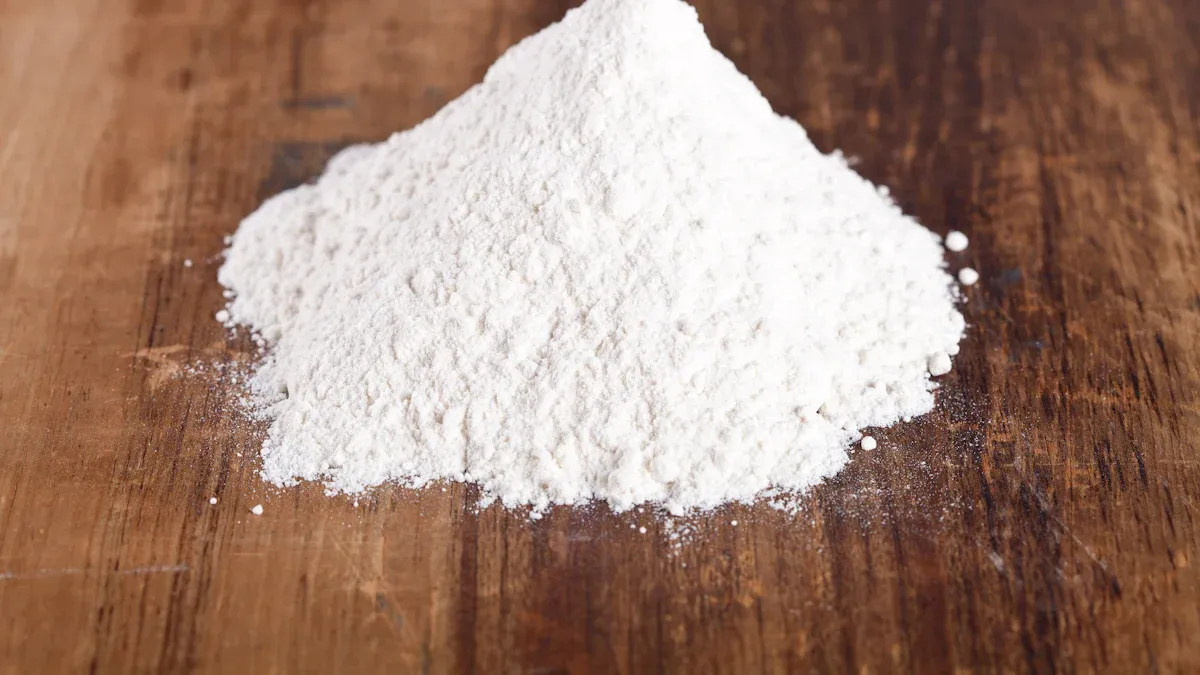
Sodium pyrophosphate does many things in food. Its chemical structure lets it work with other ingredients in special ways. You find this compound in lots of processed foods. It helps make food look, feel, and taste better.
Emulsifier and Texture Agent
Sodium pyrophosphate is often used as an emulsifier. This means it helps oil and water mix together. Oil and water do not mix by themselves. Foods like mashed potato mixes and processed cheese feel smooth because of it. It keeps mixtures stable and stops them from separating.
It makes foods thicker and creamier.
It helps control the pH level in processed foods. This can help food last longer and taste better.
Tip: If a food stays smooth and does not separate, sodium pyrophosphate may be helping.
In other industries, sodium pyrophosphate softens water and helps detergents clean better. It helps mix ingredients and adjust pH in cleaning products. In food, its main job is to keep mixtures stable and improve texture.
Leavening in Baking
If you like cakes, muffins, or pancakes, you benefit from sodium pyrophosphate. It works as a leavening agent. When mixed with baking soda, it makes carbon dioxide gas. This gas forms bubbles in dough or batter. The bubbles help baked goods rise and become light.
Sodium acid pyrophosphate (SAPP) is a common type for baking.
It controls how fast dough rises. This helps baked goods have the right texture and size.
You get soft bread and cakes because of this reaction. Bakers use sodium pyrophosphate to make sure their products turn out well.
Preserving Color
Some foods, like potatoes, can turn dark after cooking. Sodium pyrophosphate helps stop this from happening. It acts as a chelating agent. This means it grabs iron in the food. It stops iron from making food change color.
It keeps processed potatoes looking fresh.
It lowers the chance of dark spots, so foods keep their color.
In meat products, sodium pyrophosphate helps keep color and quality. It raises pH and helps meat hold moisture. This keeps meat juicy and looking good. You get better food because of these effects.
Note: Food makers use sodium pyrophosphate because it works in many ways. It helps food look, taste, and feel better. It is safe when used the right way.
Foods Containing Sodium Pyrophosphate
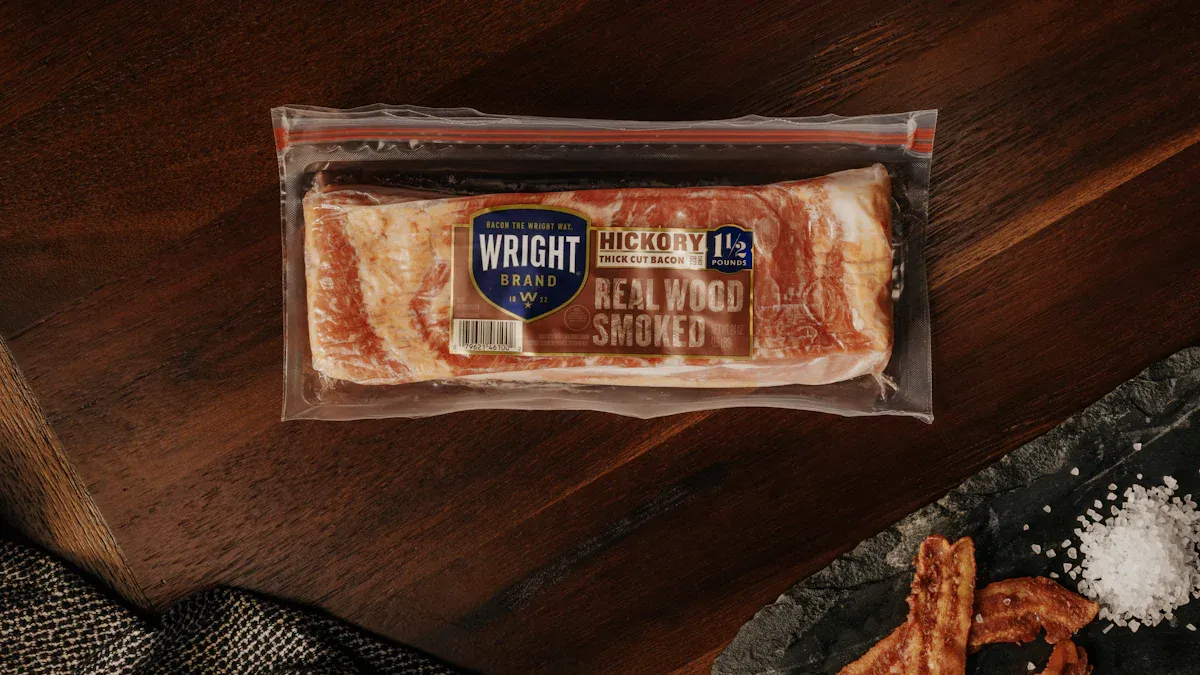
You see sodium pyrophosphate in lots of foods. Food makers add it to make foods taste and feel better. It helps foods stay fresh and mix well. The table below shows where you find sodium pyrophosphate most often:
Food Category | Use of Sodium Pyrophosphate |
|---|---|
Processed Meats | Emulsifier and preservative |
Dairy Products | Emulsifier and preservative |
Baked Goods | Emulsifier and preservative |
Processed Meats and Seafood
Sodium pyrophosphate is in meats like deli turkey and ham. It helps these meats hold water. This keeps them juicy and soft. You also find it in seafood like canned tuna and imitation crab. It keeps seafood looking bright and stops it from spoiling. When you eat these foods, they taste better and feel nicer because sodium pyrophosphate helps the ingredients mix well.
Tip: If your lunch meat is moist and fresh, sodium pyrophosphate may be the reason.
Baked Goods
Foods like pancakes, muffins, and cakes use sodium pyrophosphate. It helps dough rise and makes baked goods fluffy. You get soft bread and light cakes because it makes bubbles in the batter. It also helps baked goods keep their shape after baking. Many bakery items last longer and taste better because of this additive.
Dairy Products
You find sodium pyrophosphate in processed cheeses. It makes cheese smooth by sticking to calcium ions. This stops cheese from getting grainy. Cheese slices and sauces melt better because of it. Sodium pyrophosphate also helps cheese last longer by stopping spoilage germs from growing.
Makes cheese smoother by sticking to calcium ions
Helps cheese melt for grilled cheese and sauces
Stops graininess by blocking crystals
Keeps cheese fresh longer as a preservative
When you eat cheese that melts well or stays fresh, sodium pyrophosphate is helping.
Why Food Manufacturers Use Sodium Pyrophosphate
Product Quality Enhancement
People want food to taste good and look nice. Food makers add sodium pyrophosphate to help with this. It does many things to make food better:
It keeps meat moist and makes baked goods soft.
It controls how sour or acidic food is.
It stops meat from turning brown, so it looks fresh.
It grabs minerals like calcium and magnesium to keep flavors clear.
It helps food last longer by stopping changes.
When you see food that looks bright and tastes good, sodium pyrophosphate is often helping.
Cost and Efficiency
Food companies want to save money and time. Sodium pyrophosphate helps them do this in many ways. Here is a table that shows how it helps in different jobs:
Application Sector | Benefits |
|---|---|
Detergents and Cleaning | Makes cleaning better by removing hard water ions. |
Food Industry | Improves texture and helps mix ingredients for better quality. |
Metal Treatment | Removes impurities for smoother metal surfaces. |
Other Industrial Uses | Helps in oil drilling and textile work, making these jobs more efficient. |
In food, it helps make products faster and cheaper. This means you can buy tasty foods for less money.
Regulatory Approval
You might wonder if sodium pyrophosphate is safe. Groups like the FDA and EFSA check food safety. They say it is okay to use in food. It meets strict safety rules. You can trust that foods with sodium pyrophosphate follow the law. Food makers use it because it is approved and safe when used right.
Sodium Pyrophosphate Safety and Health
Regulatory Status
You might wonder if sodium pyrophosphate is safe to eat. Groups like the FDA and EFSA check this food additive. They say it is okay to use in food. These groups set strict rules for how much can be added. These rules help keep you safe. Food companies must follow these limits. You can trust that foods with sodium pyrophosphate meet safety rules.
Note: The FDA says sodium pyrophosphate is “Generally Recognized as Safe” (GRAS) when used the right way in food.
Health Effects and Exposure Risks
Most people do not have problems eating foods with sodium pyrophosphate. Some risks happen if you touch or breathe in the powder at work. It can bother your skin or eyes. Breathing the dust can make your nose or throat feel bad. Eating normal amounts in food does not cause these problems.
Some animal studies show health effects with large amounts. The table below shows what scientists found in these tests:
Health Effect | Description |
|---|---|
Leukopenia | Rats had fewer white blood cells after eating high levels of SAPP. |
Hematotoxicity | Rats showed changes in blood and spleen tissue. |
Immunotoxicity | Rats had lower immune cell counts and changes in immune system signals. |
You may want to know about other risks. The table below lists what experts found about irritation, cancer, allergies, and other effects:
Evidence Type | Description |
|---|---|
Can cause skin allergies or dermatitis in some cases. | |
Respiratory Irritation | May cause nose or throat irritation if inhaled. |
Skin Irritation | Can irritate the skin. |
Serious Eye Damage | May cause serious eye damage if it gets in the eyes. |
Developmental & Reproductive Toxicity | No data found. |
Cancer | No data found. |
Tip: You probably will not have these problems from eating foods with sodium pyrophosphate. Most risks come from touching the pure powder, not from eating food.
Recommended Intake
You do not need to worry about eating too much sodium pyrophosphate if you eat a normal diet. Food safety groups set limits to keep you safe. The FDA and EFSA say the total amount of phosphates in your food should not go over a set level. This includes all sources, not just sodium pyrophosphate. Most people eat much less than the safe limit.
If you have kidney problems, you may need to watch how much phosphate you eat. Your doctor can help you know what is safe for you. For most people, eating foods with this additive is not a health risk.
Remember: Always check food labels if you want to know what is in your food. You can choose foods that fit your needs.
Environmental Impact
Production and Waste
When you think about food additives, you might wonder about the environment too. Making sodium pyrophosphate starts with mining phosphate minerals. Factories use energy and water to make the final product. This process can make waste. It is important to know what happens to this waste.
Here is a table that shows the main waste products and how companies handle them:
Waste Product | Management Practice |
|---|---|
Unused or off-spec TSPP | Proper disposal or recycling is required. |
Phosphate loads in downstream use | Must be controlled or treated to prevent environmental issues. |
Unused or off-spec sodium pyrophosphate (TSPP) can come from making it. Companies must recycle or throw it away safely. If they do not, it can hurt soil or water. Phosphate loads can get into water during downstream use. Too much phosphate in rivers or lakes can make algae grow fast. This is called eutrophication. It lowers oxygen in water and harms fish.
Tip: You can help by picking products from companies that use good waste management.
Biodegradability
You might wonder if sodium pyrophosphate breaks down in nature. This compound does not break down like food scraps or paper. It stays in water and soil until it reacts with other minerals. Over time, it can change into less harmful forms, but this takes time.
Sodium pyrophosphate does not build up in living things.
It does not break down fast, so it can stay in the environment for a while.
Water treatment plants can remove some before it gets to rivers or lakes.
If you care about nature, you should know that using too much phosphate-based additives can add to water pollution. You can choose foods with fewer additives to lower your impact.
Note: Most food makers and governments work to control phosphate waste. They make rules to protect water and soil.
Sodium pyrophosphate is in lots of foods. It helps foods feel smooth and look fresh. It also keeps food from changing color. Food safety groups say it is okay to use. They make rules about how much can be added. Eating normal amounts is not risky for most people.
Learn about food additives. Read labels to see what is in your food.
Sodium pyrophosphate is safe when used the right way.
Foods that follow rules are safe to eat.
FAQ
What foods most often contain sodium pyrophosphate?
Sodium pyrophosphate is in many processed foods. You find it in meats, canned seafood, baked goods, and cheeses. It helps these foods stay fresh and keep their color. It also helps them keep the right texture.
Is sodium pyrophosphate safe for you to eat?
Groups like the FDA say sodium pyrophosphate is safe in food. Eating normal amounts should not cause problems for most people.
Why do food makers use sodium pyrophosphate instead of other additives?
Food makers pick sodium pyrophosphate because it does many things. It mixes ingredients and keeps food moist. It makes food feel better and costs less than some other choices.
Can you avoid sodium pyrophosphate in your diet?
You can skip sodium pyrophosphate by checking food labels. Pick fresh foods and cook at home. Most whole foods do not have this additive.