
You can find sodium lactate in many things you use every day. It helps keep food fresh. It also keeps your skin moist in lotions. It is used in medicine to help your body. Sodium lactate comes from lactic acid. People make it by letting sugars from corn and food waste ferment.
Sodium lactate is important for keeping food safe, making cosmetics moist, and helping balance fluids in hospitals.
Industry | Main Use |
|---|---|
Cosmetics | |
Food & Beverages | Preservative, flavor enhancer in meats, drinks |
Medical | Electrolyte in IV fluids, alkalizing agent |
Key Takeaways
Sodium lactate is a preservative in food. It helps keep meats and dairy safe. It stops bacteria from growing. In cosmetics, sodium lactate is a strong humectant. It pulls water into the skin. It keeps skin moist. Sodium lactate is used in hospitals as an electrolyte in IV fluids. It helps balance body fluids. It supports the heart. Food safety groups say this compound is safe. This makes it a good ingredient for food, skincare, and medical products. When making soap, sodium lactate helps control pH. It makes the texture better. It also makes the soap harder.
Sodium Lactate in Food
Preservative and Acidity Regulator
Sodium lactate is in lots of foods you buy. Food makers use it to help food last longer. It works as a preservative, especially for meats and dairy. You can find it in ham, sausages, deli meats, and cheeses. Sodium lactate stops bacteria from growing. This keeps your food safe.
Here is how sodium lactate helps in food:
Application Type | Description |
|---|---|
Anti corrosion and preservation | Makes meat and poultry last longer. |
pH regulator | Keeps the acidity and taste steady in foods. |
Flavor enhancement | Makes meat taste better and fresher. |
Moisturizing and emulsifying | Helps food stay moist and mixes oil and water for good texture. |
Nutritional supplementation | Adds some sodium, but not mainly for nutrition. |
Scientists have studied sodium lactate in meat and dairy. They found it stops bad bacteria like Listeria and Salmonella. It also helps meat keep its color and taste while stored.
Study Title | Authors | Journal/Source | Year | Findings |
|---|---|---|---|---|
Microbiological and chemical quality of ground beef treated with sodium lactate and sodium chloride during refrigerated storage | Maca JV, Miller RK, Bigner ME, Lucia LM, Acuff GR | Meat Science | 1999 | |
Enhanced inhibition of Listeria monocytogenes and Salmonella enteritidis in meat by combinations of sodium lactate and diacetate | Mbandi E, Shelef LA | Journal of Food Protection | 2001 | Found sodium lactate stops certain germs in meat. |
Sodium lactate affects pathogens in cooked beef | Miller RK, Acuff GR | Journal of Food Science | 1994 | Sodium lactate lowers germs in cooked beef. |
Antioxidant activity of sodium lactate in meat and model systems | Nnanna IA, Ukuku DO, McVann KB, Shelef LA | Lebensmittel-Wissenschaft und-Technologie | 1994 | Sodium lactate helps keep meat fresh by fighting oxidation. |
Sodium lactate/sodium chloride effects on sensory characteristics and shelf-life of fresh ground pork | O’Connor PL, Brewer MS, McKeith FK, Novakofski JE, Carr TR | Journal of Food Science | 1993 | Studied how sodium lactate helps pork taste and last longer. |
Effect of sodium lactate on microbial and chemical composition of cooked beef during storage | Papadopoulos LS, Miller RK, Acuff GR, Vanderzant C, Cross HR | Journal of Food Science | 1991 | Looked at how sodium lactate affects germs and chemicals in beef. |
Sodium lactate also helps control acidity in foods. It keeps the pH level steady. In meat and poultry, it can lower the pH from 7.37 to 6.83. This helps keep food safe and does not change the taste much. Most foods use sodium lactate between 2% and 4%.
Note: The sodium lactate market in food was worth USD 222.31 million in 2024. Experts think it will grow to USD 456.13 million by 2032. The growth rate is 9.40% each year.
Flavor Enhancer
Some packaged foods taste a little salty. That is because of sodium lactate. It comes from sugars that are fermented, like corn. Food makers use it to make meats and other foods taste better. It helps keep flavors fresh.
Studies show sodium lactate does not change how foods look or feel. It keeps the flavor strong by stopping bacteria that spoil taste. This means your food stays safe and tastes good.
Safety in Food
You can trust foods with sodium lactate. Food safety groups say it is safe to use. They set rules for how much can be added. Most people do not have problems with it. If you need less sodium, check labels and ask your doctor.
Sodium lactate comes from natural things. It is made by fermenting sugars. It fits many diets. You find it in foods that need to stay fresh and safe for longer.
Sodium Lactate in Cosmetics and Skincare
Humectant and Moisturizer
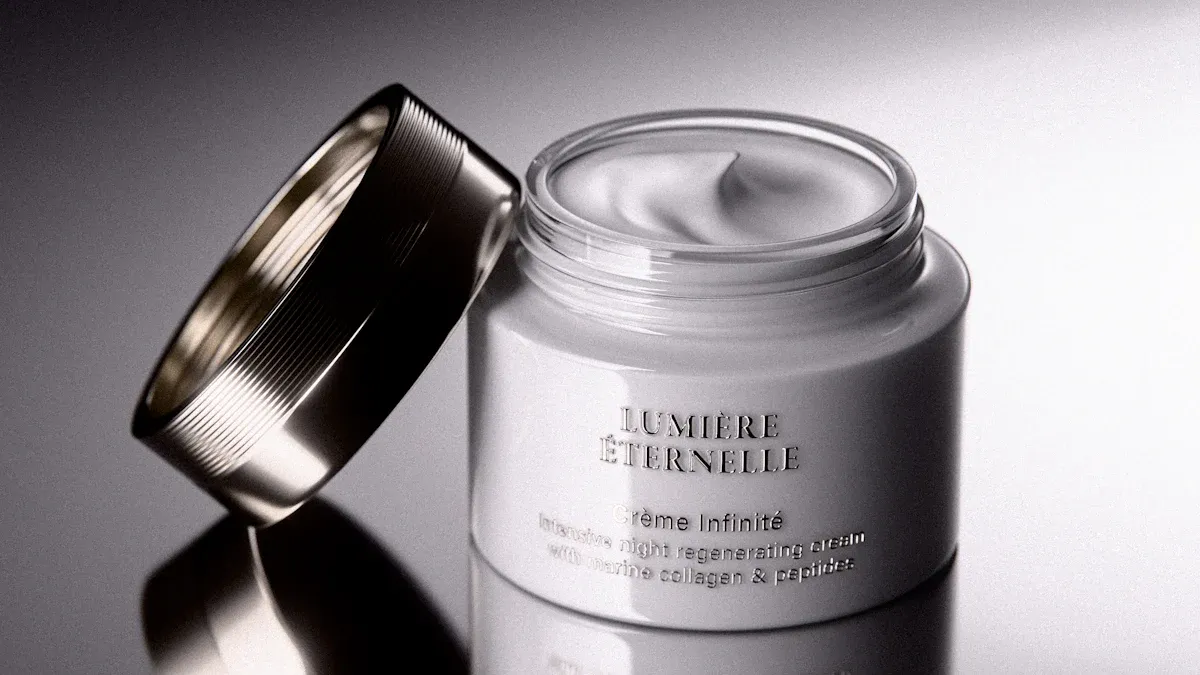
When you use lotion, your skin feels soft. Sodium lactate pulls water into your skin. This makes your skin smooth and healthy. Many creams use sodium lactate to keep skin moist. It holds more water than other humectants. Your skin stays moist for a longer time. Look at the table below to see how it compares:
Humectant | Moisturizing Efficacy | Stickiness | Notes |
|---|---|---|---|
Sodium Lactate | More moisturizing | No | Natural moisturizing factor in skin |
Glycerine | Well-known humectant | Yes | Can feel sticky in formulations |
Hyaluronic Acid | Very high absorption | No | Can absorb up to 1000 times its weight in water |
Honey | Varies | No | Unique properties, natural humectant |
Studies show sodium lactate helps skin hold water. It keeps your skin healthy. It supports your skin barrier. It helps skin cells work better. It also boosts genes that keep skin hydrated.
Evidence Type | Description |
|---|---|
Natural Moisturizing Factor | Lactate serves as a natural moisturizing factor essential for maintaining skin hydration. |
Skin Barrier Function | Lactate influences corneocytes formation and modulates corneoptosis, enhancing skin barrier function. |
Gene Transcription | In keratinocytes, lactate enhances filaggrin gene transcription, which is crucial for skin hydration. |
pH Regulation and Soap Hardening
If you make soap, sodium lactate helps a lot. It controls the pH in soap. This makes soap gentle on your skin. Soap bars get harder and last longer. They do not break apart easily. Here are ways sodium lactate helps in soap:
Keeps acidity levels balanced as a pH regulator.
Makes soap bars harder and stronger.
Helps soap come out of molds, even tricky shapes.
Improves how soap looks and lathers, giving a creamy finish.
Use sodium lactate at 1-3% of the oil weight in your soap recipe for best results.
Sodium Lactate Safety in Cosmetics
You want your skincare to be safe. The EWG Skin Deep database says sodium lactate is low risk. It works as a buffer, humectant, exfoliant, and skin-conditioning agent.
FUNCTION(S) | CONCERNS |
|---|---|
buffering, humectant, keratolytic, exfoliant, skin-conditioning agent | • Cancer (low) • Developmental/reproductive toxicity (low) • Enhanced skin absorption • Use restrictions (high) |
Most people do not get allergies from sodium lactate. If your skin is very sensitive, you might get mild irritation. This does not happen often. You can feel safe using products with sodium lactate for healthy skin.
Sodium Lactate in Medical Use

Electrolyte in IV Solutions
You might see sodium lactate in IV fluids at hospitals. Doctors use these fluids to help balance water and salt in your body. Sodium lactate is an electrolyte. It helps send electrical signals in your body. Hospitals often pick balanced solutions like Lactated Ringer’s. These match your blood better than normal saline. Lactated Ringer’s has sodium lactate, potassium, and calcium. These help keep your acid-base balance steady.
Balanced solutions with sodium lactate have less sodium than normal saline.
Lactated Ringer’s uses lactate to control acidity in your blood.
Sodium chloride can raise chloride levels and cause problems for some people.
Many hospitals use sodium lactate in fluids for patients. A study in Australia and New Zealand found these fluids gave 30.9% of daily sodium to patients. This is more than sodium from blood products or tube feeding.
Medical Benefits
Doctors use sodium lactate IV fluids for many reasons. You may get these fluids if you need help with fluid resuscitation. They are used for people with heart failure. Sodium lactate can help your heart work better. It helps organs when blood flow is low. These fluids also treat mild or moderate metabolic acidosis. If you cannot eat or drink, sodium lactate helps keep acid levels normal.
Sodium lactate treats metabolic acidosis by turning into bicarbonate.
This lowers acidity in your blood.
Studies show sodium lactate works faster than normal saline.
It helps fix acid levels, especially in newborns.
Doctors use sodium lactate for heart problems and extra fluids.
Safety and Contraindications
It is important to know about safety before getting sodium lactate IV fluids. Some people cannot use these fluids safely. Doctors check for risks before giving sodium lactate.
Contraindication/Safety Consideration | Description |
|---|---|
Neonates receiving ceftriaxone | Risk of deadly ceftriaxone-calcium salt in the blood. |
Hypersensitivity to sodium lactate | Risk of allergic reactions like swelling or trouble breathing. |
Hyperkalemia | Higher risk for people with kidney, dehydration, or heart problems. |
Hypercalcemia | Avoid if you have high calcium or kidney stones. |
Fluid Overload | Risk of lung swelling in people who cannot handle extra fluids. |
You might notice side effects with sodium lactate IV fluids. These can be fever, infection, vein irritation, swelling, or pain. Fast infusion may cause heart or breathing problems. It can change your blood pressure. Doctors watch your sodium, potassium, and calcium levels. Most side effects are mild. Serious reactions can happen if you have health problems.
Tip: Always tell your doctor about allergies or health issues before getting IV fluids with sodium lactate.
You can find sodium lactate in food, skin products, and hospitals. It helps keep food from spoiling. It makes your skin feel soft and moist. It also helps your body stay balanced. Groups like the FDA and JECFA say it is safe to use. You can see it in bandages and makeup. There are not many rules about using it.
Regulatory Body | Approval Status | Notes |
|---|---|---|
U.S. FDA | GRAS | Approved for organic foods |
JECFA | Safe | No ADI limit |
Look at labels if you have allergies or health problems. Talk to your doctor before trying new things.
FAQ
Is sodium lactate safe to eat?
You can eat sodium lactate in foods. Food safety groups like the FDA say it is safe. Most people do not have problems with it. If you have a sodium-restricted diet, check food labels.
Can you use sodium lactate if you have sensitive skin?
Most people with sensitive skin can use products with sodium lactate. You may feel mild irritation if your skin reacts easily. Try a patch test before using new skincare items.
Does sodium lactate fit a vegetarian or vegan diet?
Yes, sodium lactate comes from fermented plant sugars. You can use it if you follow a vegetarian or vegan diet. It does not contain animal products.
How should you store sodium lactate at home?
Store sodium lactate in a cool, dry place. Keep the container tightly closed. Avoid direct sunlight. You can keep it in your pantry or bathroom cabinet.