You may ask if sodium benzoate and citric acid are safe together in food. Most experts say sodium benzoate and citric acid are not very risky if you use them safely. A little benzene can form if sodium benzoate and citric acid mix with high heat or light. Regulators look at food to make sure it is safe and set strict rules for sodium benzoate and citric acid. When you see these ingredients in food, you can trust they are safe.
Key Takeaways
Sodium benzoate and citric acid are used to keep food fresh. They help make food safe to eat. Benzene is a dangerous chemical. It forms mostly when sodium benzoate mixes with ascorbic acid. It does not form much with citric acid. Safety rules limit how much sodium benzoate can be in food. This helps keep people safe from harm. You should read food labels before you buy food. This helps you avoid unsafe mixes and pick safer foods. Store food in cool and dark places. Choose brands you trust. This helps you stay away from benzene.
Sodium Benzoate and Citric Acid: Uses
Sodium Benzoate in Foods
Sodium benzoate is in lots of foods and drinks. It is a food additive that acts as a preservative. It stops yeast and bacteria from growing. This keeps your food fresh for longer. Sodium benzoate works best in acidic foods. In these foods, it turns into benzoic acid. Benzoic acid fights microbes by breaking their cell walls. It also stops them from making energy. You find sodium benzoate in foods with a pH under 4.5. These include soft drinks, fruit juices, and pickles. It also helps keep the flavor and color the same.
Here are some foods and drinks with sodium benzoate:
Soft drinks like Coca-Cola, Sprite, and Fanta
Fruit juices and wines
Pickles and fermented foods
Salad dressings and condiments
Snack foods and baked goods
Margarine, jelly, and syrup
Tip: Sodium benzoate makes food last longer and keeps it safe.
You can see sodium benzoate in many food groups:
Product Category | Examples and Details |
|---|---|
Salad Dressings | Vinegar-based dressings often use sodium benzoate to keep them fresh. |
Pickles and Fermented Foods | Pickles, sauerkraut, and kimchi use sodium benzoate to stay safe. |
Condiments | Ketchup, mustard, and soy sauce have sodium benzoate in them. |
Fruit Juices and Wines | These drinks use sodium benzoate to stop spoilage. |
Soft Drinks | Sodas like Coca-Cola and Pepsi have sodium benzoate. |
Snack Foods | Packaged snacks use sodium benzoate to stay fresh. |
Baked and Grain Products | Cereal, pasta, and baked goods often have sodium benzoate. |
Dairy Products | Some cheeses and soured milk products use sodium benzoate. |
Syrups and Jellies | Acidic fruit preserves and jellies have sodium benzoate. |
Margarine | Sodium benzoate keeps margarine fresh and safe. |
Citric Acid Applications
Citric acid is also a common food additive. You find it in many foods and drinks. It acts as a preservative and helps keep food safe. Citric acid lowers pH and stops microbes from growing. It gives foods a sour taste and keeps flavors bright. You see citric acid in sodas, candies, canned fruits, and jams.
Citric acid is useful at home and in factories too:
It cleans stains and removes mineral spots in kitchens and bathrooms.
It helps get rid of scale in kettles and coffee makers.
In cosmetics, citric acid helps exfoliate skin and makes it smoother.
In medicine, citric acid hides bitter tastes and keeps medicine stable.
Sodium benzoate and citric acid both help keep food safe. You often find them together in processed foods. More people want natural preservatives now. This makes citric acid more popular. Sodium benzoate and citric acid keep food safe and fresh. Always check food labels so you know what you eat.
Interactions and Benzene Risk
Benzene Formation Explained
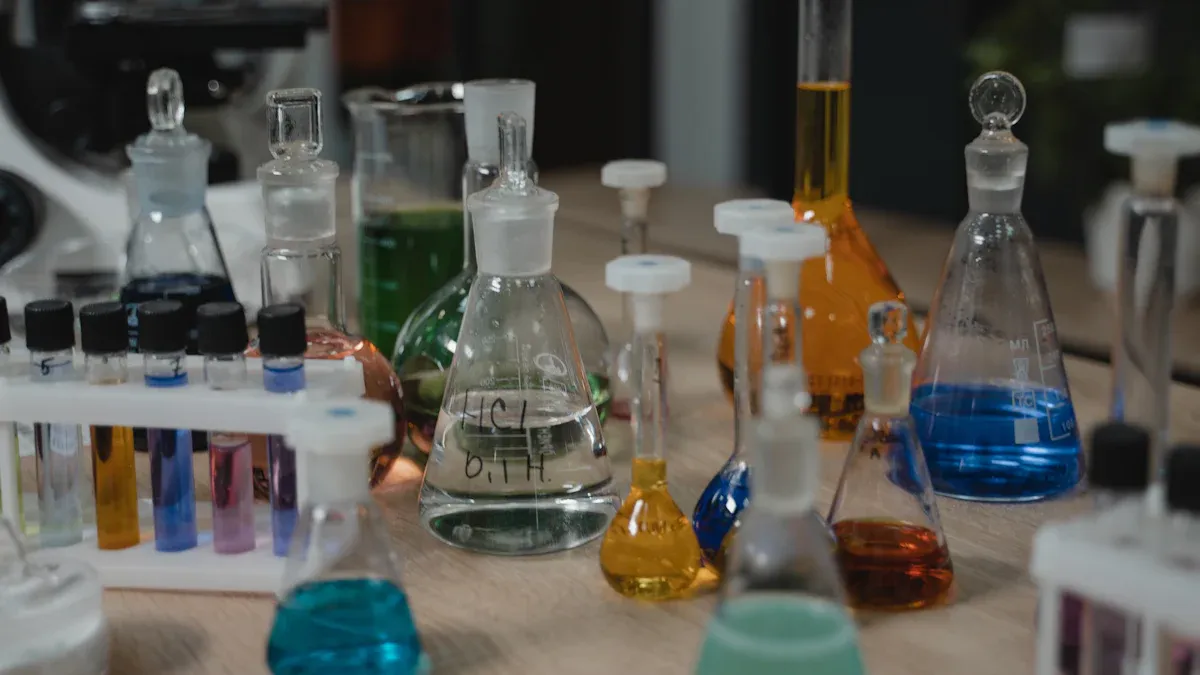
You might wonder how benzene forms in foods with sodium benzoate and citric acid. Benzene does not show up easily from these two ingredients. Certain things must happen for this to occur. A metal catalyst like iron or copper is needed for benzene to form. Acidic places with a pH between 2.8 and 4.5 make it more likely. Citric acid with sodium benzoate alone does not usually make benzene. If ascorbic acid (vitamin C) is present, benzene can form faster, but metals must still be there.
Note: Chelating agents such as EDTA can stop benzene from forming by trapping metal ions.
Here is a quick list of what helps benzene form:
Metal catalyst like iron or copper
Acidic conditions with pH 2.8–4.5
Sodium benzoate and ascorbic acid together
Heat and light exposure
No chelating agents
Using deionized water or adding chelating agents lowers the chance of benzene forming. Most foods do not have the right mix for this reaction. Sodium benzoate and citric acid do not react directly. Their effects depend on the environment and other chemicals.
Citric Acid vs. Ascorbic Acid
You might worry about which acid is safer with sodium benzoate. The main risk comes from mixing sodium benzoate with ascorbic acid, not citric acid. Studies show citric acid does not make benzene when mixed with sodium benzoate. Ascorbic acid, especially with heat and light, can cause benzene in drinks. Citric acid helps control pH but does not start the same reaction.
Tip: If you see sodium benzoate and citric acid together in food, you do not need to worry about benzene. The risk is higher with ascorbic acid.
Sodium benzoate and citric acid are found in many foods. They work together to keep products fresh. Citric acid helps sodium benzoate work better by lowering the pH. There is no direct chemical reaction between these two, but they help each other work.
Minimizing Risks
You can do things to lower the risk of benzene in your food. The amount of benzene in drinks with sodium benzoate and citric acid is usually very low. Tests show most drinks have benzene levels below safety limits set by the FDA and other groups. The US FDA allows up to 5 ng/mL of benzene in drinks. Most products are much lower than this.
Pay attention to these things to lower risk:
Factor | Effects on Benzene Formation |
|---|---|
Acidity (pH) | Lower pH helps preservatives but can help benzene form |
Concentration | More sodium benzoate or ascorbic acid means higher benzene risk |
Storage | Heat and light can raise benzene levels |
Metal ions | Iron and copper help benzene form |
Chelating agents | EDTA and similar chemicals block metal ions and stop the reaction |
You might worry about cancer risk from benzene. Benzene is known to cause cancer. Health groups like the EPA and IARC link benzene to leukemia and other blood cancers. The risk depends on how much you take in. Regulators set strict limits to keep you safe. Most foods and drinks meet these rules. You can lower your risk by storing products in cool, dark places and picking foods with natural preservatives.
Reminder: Always check labels for sodium benzoate and ascorbic acid together. Citric acid does not have the same risks.
Safety and Regulation
Regulatory Guidelines
Food agencies make strict rules to keep food safe. The FDA says sodium benzoate is “Generally Recognized as Safe” (GRAS). Foods can have up to 0.1% sodium benzoate in the United States. The EFSA in Europe agrees with this amount. They set an Acceptable Daily Intake (ADI) of 5 mg for each kilogram you weigh. Health Canada also allows sodium benzoate but says not to mix it with ascorbic acid. Citric acid is safe and does not have a set limit. You find these preservatives in drinks, sauces, and baked foods. Agencies in Asia, Europe, and North America keep updating rules to protect you.
Parameter | Details |
|---|---|
0.1% | |
ADI (EFSA/WHO) | 0–5 mg/kg body weight/day |
Regulatory status | Permitted, GRAS, globally accepted |
Common uses | Beverages, fruit, bakery, sauces |
Safety notes | Avoid mixing with ascorbic acid |
Tip: Check food labels for sodium benzoate and citric acid to know what is in your food.
Safe Handling of Sodium Benzoate
You help keep food safe by handling sodium benzoate the right way. Store it in a cool, dry, and dark place. Keep it away from heat, sunlight, and water. Do not mix sodium benzoate with metals like iron or copper. Do not mix it with chemicals like chloroform or sodium hypochlorite. Keep it away from alkaline foods because it will not work well. Watch the temperature when making food so it does not break down. Test foods often for sodium benzoate levels, pH, and microbes. Always use the right amount and follow safety rules.
Store in a dry, dark, ventilated area.
Do not mix with bad chemicals or metals.
Keep away from alkaline foods.
Watch the temperature during processing.
Test for leftover amounts and microbes.
Use only the legal amount.
Use good quality control.
Consumer Protection
Many safety steps help protect you from too much benzene and other dangers. Governments set low benzene limits in food and drinks. The EU allows only 0.01 mg/kg, and the US allows 0.005 mg/L in water. Companies change recipes to lower benzene risk. They use special tests to check for benzene at every step. Agencies like the FDA and EFSA watch products and update rules. Some laws, like California’s Proposition 65, make companies label and report risks. If benzene is too high, companies take products off the shelves. You should read labels and buy from brands you trust.
Consumer Protection Measure | Description |
|---|---|
Regulatory Limits | |
Industry Reformulation | Safer recipes to lower benzene risk |
Quality Control | Monitoring temperature, light, and pH |
Testing Protocols | Advanced benzene testing methods |
Agency Actions | FDA, EFSA, and others update rules |
Legislative Actions | Laws require labeling and reporting |
Voluntary Recalls | Unsafe products are removed from shelves |
Note: You help keep yourself safe by reading labels and picking good products.
Practical Advice
Reading Labels
You can keep yourself safe by reading food labels. Most foods list additives in the ingredients. Sodium benzoate is called “sodium benzoate” on packages. Citric acid is listed as “citric acid” or “manufactured citric acid.” You will find these names in sodas, juices, canned veggies, and dried fruit. When you read labels, you know what you are eating and drinking.
Ingredient Name | Common Label Names on Food Packaging |
|---|---|
Sodium Benzoate | sodium benzoate |
Citric Acid | citric acid, manufactured citric acid |
Tip: Always check for these names when you shop. If you see them, you know the food has these preservatives.
Avoiding Risky Combinations
You can lower your risk by not buying foods with both sodium benzoate and ascorbic acid. This mix can make benzene, especially if drinks get warm or sit in the sun. Citric acid does not cause this problem. Always check the label for both sodium benzoate and ascorbic acid. If both are there, pick something else. You stay safer by making smart choices.
Look for sodium benzoate and ascorbic acid together.
Choose foods with only citric acid or other safe preservatives.
Keep drinks in cool, dark places.
Reminder: Citric acid is safe with sodium benzoate. The real risk comes from ascorbic acid.
Choosing Safer Products
You have lots of safe food choices. Some foods use other preservatives that do not make benzene. Potassium sorbate, sodium diacetate, and calcium propionate are good options. These keep food fresh and work well. You can look for these names if you want to avoid sodium benzoate. You also help yourself by picking foods with natural ingredients and fewer additives.
Look for potassium sorbate, sodium diacetate, or calcium propionate.
Pick foods with short and simple ingredient lists.
Choose brands that tell you about food safety.
Note: You make better choices when you read labels and learn about preservatives.
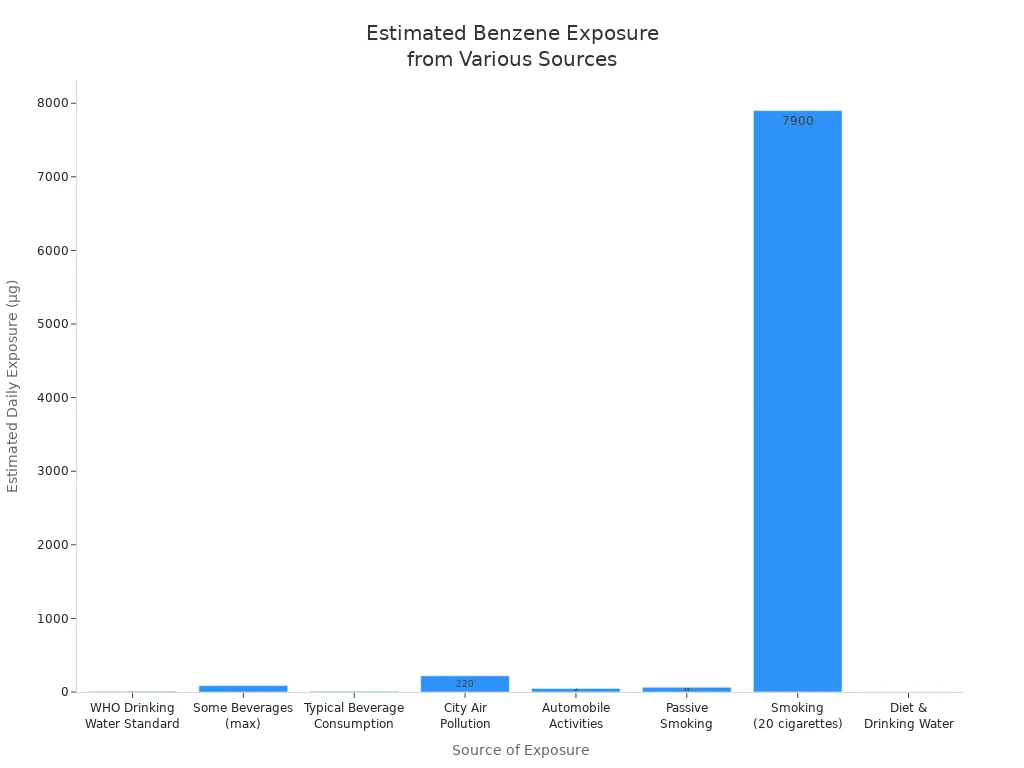
You can trust that sodium benzoate and citric acid are safe in food. Experts say the benzene risk is very low with these two. The risk is much less than breathing city air or smoking.
Some people think sodium benzoate and citric acid always make benzene. This idea is not correct. Here are some safety facts to remember:
Your food is safer if you read labels and store it well.
Pick foods with clear labels and avoid risky mixes for better safety.
FAQ
Can you eat foods with sodium benzoate and citric acid together?
You can eat foods with both ingredients. Experts say this mix is safe. Most foods only use a little. Always check labels before you buy. Store foods in cool, dark places.
Does sodium benzoate always make benzene with citric acid?
No, sodium benzoate does not always make benzene with citric acid. Benzene forms mostly with ascorbic acid and metals. Citric acid alone does not cause benzene to form.
How do you spot sodium benzoate and citric acid on labels?
Check the ingredient list for these names:
Ingredient | Label Name |
|---|---|
Sodium Benzoate | sodium benzoate |
Citric Acid | citric acid |
You can find them in sodas, juices, and snacks.
What are safer alternatives to sodium benzoate?
You can pick foods with these preservatives:
Potassium sorbate
Calcium propionate
Sodium diacetate
These choices help keep food fresh. They also lower the risk of benzene.
Should you worry about benzene in your drinks?
You do not need to worry much. Most drinks have very low benzene levels. You stay safe by reading labels. Keep drinks away from heat and sunlight.