
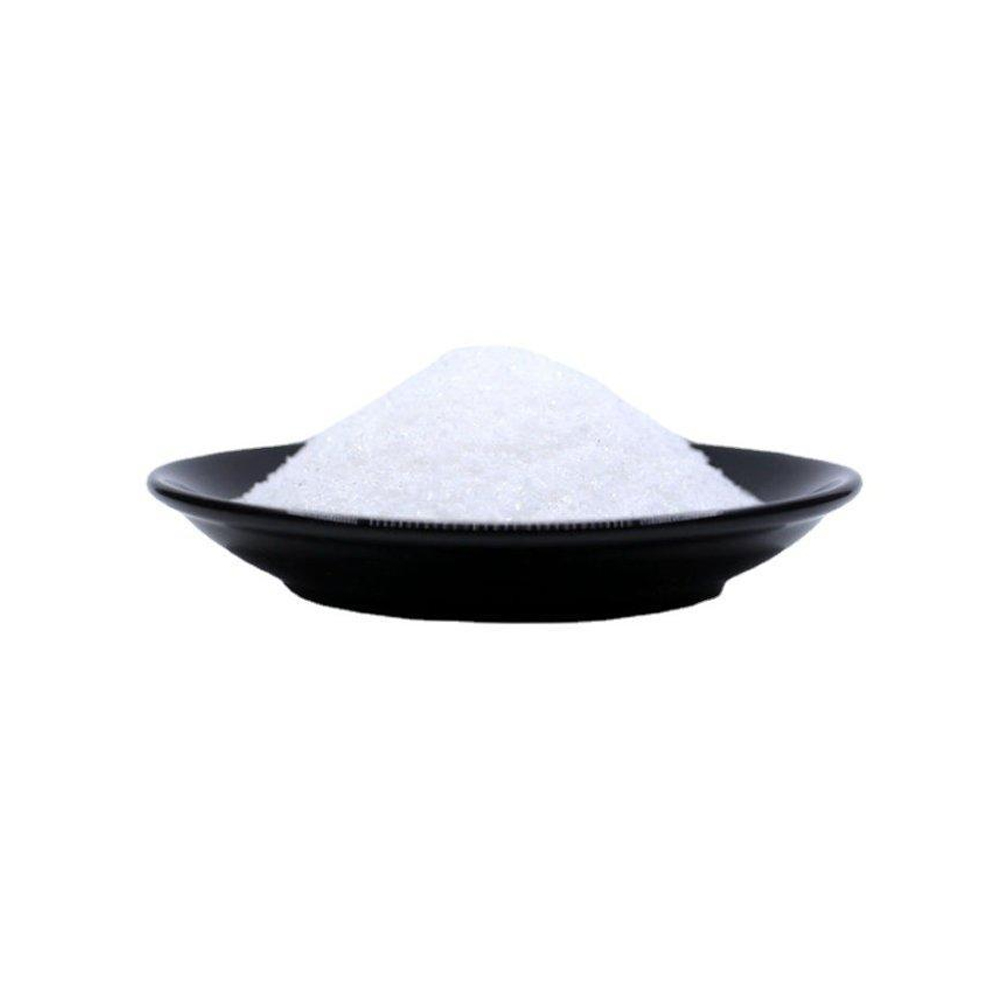
| CAS Number | 866-84-2 |
| Chemical Formula | C₆H₅K₃O₇ |
| Solubility | very soluble in water (~200 g/100 mL at 20 °C); insoluble in ethanol |
| Storage Conditions | store in cool, dry, ventilated area, protect from moisture |
| Shelf Life | 24 Months |




Potassium citrate is the potassium salt of citric acid used in the food industry primarily as a buffering agent, acidity regulator, and stabilizer.
| Step No. | Production Stage | Key Action | Control Point & Note |
|---|---|---|---|
| 1 | Raw Material Preparation | Dissolve high-purity citric acid in deionized water. Separately, prepare a solution of a potassium source (e.g., potassium carbonate or potassium hydroxide). | Control Point: Raw materials must meet food or pharmaceutical grade specifications. Note: Water must be deionized to prevent mineral contamination affecting the final product’s purity. |
| 2 | Neutralization Reaction | Slowly add the potassium source solution to the citric acid solution in a stirred, temperature-controlled reactor. | Control Point: Monitor and control the reaction temperature (it’s an exothermic reaction) and the rate of addition. Continuously check the pH until it reaches the target range of 7.5 – 9.0. |
| 3 | Purification & Filtration | Treat the resulting potassium citrate solution with activated carbon to remove color and organic impurities. Filter the solution through a press filter. | Control Point: Verify the clarity and color of the solution post-filtration. Note: This step is critical for ensuring the final product is white and free of contaminants. |
| 4 | Concentration | Transfer the purified solution to a vacuum evaporator to remove excess water, creating a supersaturated solution. | Control Point: The concentration (specific gravity or Brix) of the solution must be precisely controlled to promote effective crystallization in the next stage. |
| 5 | Crystallization | Transfer the hot, concentrated solution to a crystallizer and cool it under a controlled temperature profile to form potassium citrate crystals. | Control Point: The cooling rate directly influences crystal size and uniformity. Note: A slow, controlled cooling process yields larger, more uniform crystals. |
| 6 | Centrifugation | Separate the formed crystals from the remaining liquid (mother liquor) using a centrifuge. The crystals may be washed with a small amount of pure water. | Control Point: The centrifuge speed and duration determine the initial moisture content of the wet cake. Note: The mother liquor can be recycled to improve yield. |
| 7 | Drying | Dry the wet crystals in a fluid bed dryer to reduce the moisture content to the specified level (e.g., <1% for anhydrous). | Control Point: Drying temperature and time are critical. Excessive heat can cause product degradation, while insufficient drying leads to clumping and stability issues. |
| 8 | Sizing & Packaging | Sieve the dried potassium citrate to achieve the desired particle size distribution. Pass the product through metal detectors and package it into sealed, food-grade containers. | Control Point: Screen integrity and metal detection are final safety checks. Note: Packaging must occur in a humidity-controlled environment to prevent moisture absorption. Ensure accurate labeling. |

Aluminum Foil Bag
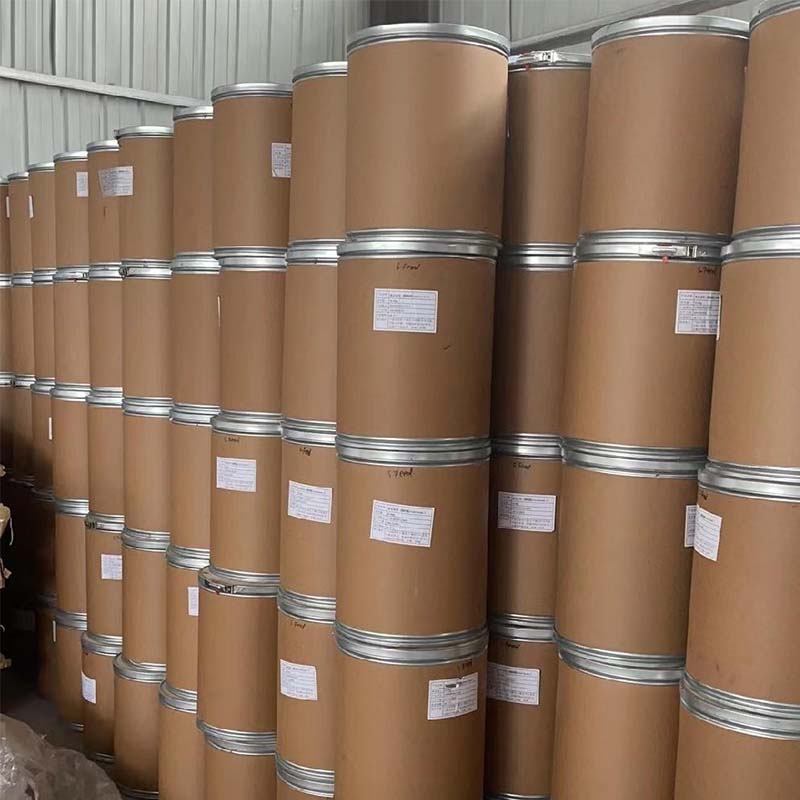
lron-ringed Cardboard Drum
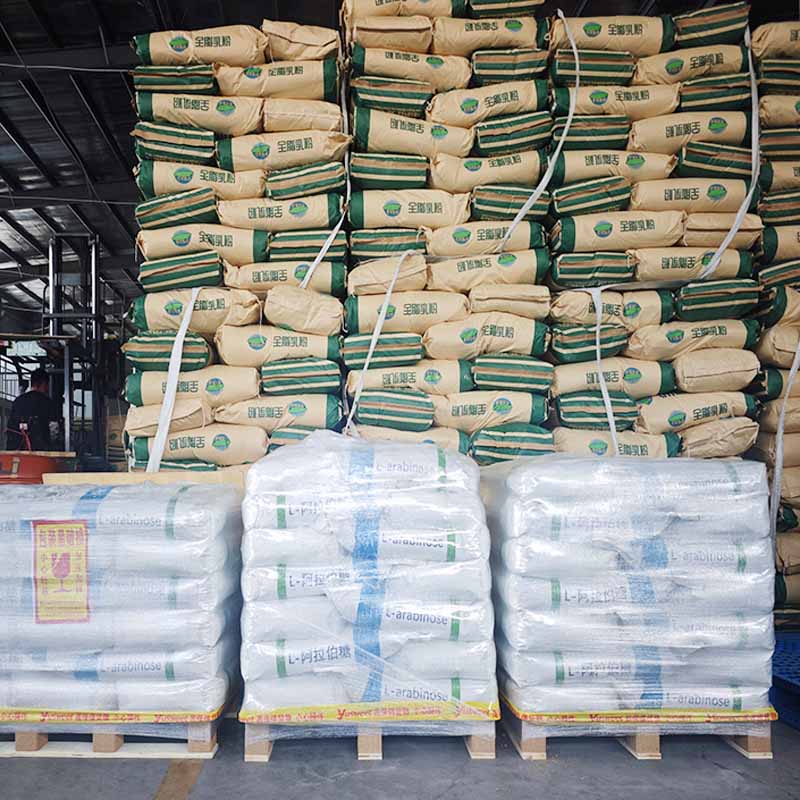
25kqs by Drum

25kqs by Drum
Anrui Biotechnology Co., Ltd. is a specialized exporter of high-quality food ingredients and additives. We focus on global trade and custom formulation services for functional ingredients, delivering consistent, compliant, and premium-quality supply solutions to our worldwide clients.
Headquartered in Guangzhou, China, Anrui collaborates with GMP-certified manufacturing partners equipped with advanced testing facilities, including HPLC, UV-VIS spectrophotometry, and microbiological analysis, ensuring every batch meets strict international quality and regulatory standards.
Our products are exported to over 60 countries, serving industries such as food, beverages, supplements, and cosmetics.
Fast-moving ingredients for food factories, ready for immediate dispatch.