
| CAS Number | 137-66-6 |
| Chemical Formula | C₂₂H₃₈O₇ |
| Solubility | Very slightly soluble in water; freely soluble in alcohol & oils |
| Storage Conditions | Store 2–8 °C, cool, dry, protect from light |
| Shelf Life | 24 Months |



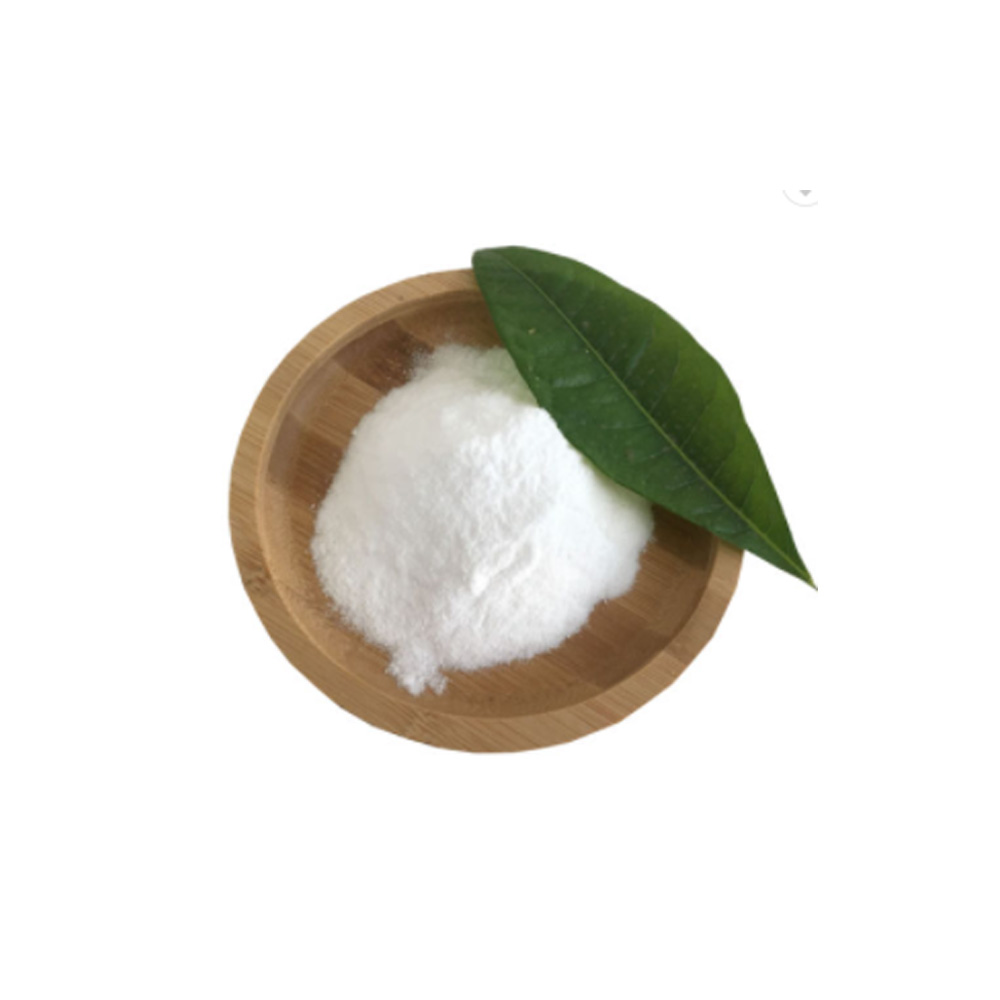
Ascorbyl Palmitate is a fat-soluble ester of Vitamin C used as an antioxidant to stabilize oils and fats, preventing rancidity and extending the shelf life of food products.
| Step No. | Production Stage | Key Action | Control Point & Note |
|---|---|---|---|
| 1 | Raw Material Preparation | Weighing and charging L-Ascorbic Acid and Palmitic Acid into the reaction vessel. | Note: All raw materials must meet pre-defined purity specifications (e.g., USP/FCC grade). Accurate weighing is critical for stoichiometric balance. |
| 2 | Esterification (Synthesis) | Adding a strong acid catalyst (e.g., concentrated Sulfuric Acid) to the reactants and heating the mixture under vacuum. | Control Point: The reaction temperature (e.g., 55-65°C) and vacuum level are strictly controlled to drive the reaction forward by removing the water byproduct. Reaction progress is monitored by sampling. |
| 3 | Neutralization | Cooling the reaction mass and adding a neutralizing agent (e.g., Sodium Carbonate solution) to neutralize the acid catalyst. | Control Point: The mixture’s pH is carefully adjusted to a specific range (e.g., 6.0-7.0) to stop the reaction and precipitate the crude product. This step is crucial for catalyst removal. |
| 4 | Crude Product Isolation & Washing | Filtering the neutralized slurry to separate the crude Ascorbyl Palmitate, followed by washing with purified water. | Control Point: Washing removes residual salts (e.g., sodium sulfate) and other water-soluble impurities. The conductivity of the wash water filtrate is monitored to ensure sufficient purity. |
| 5 | Recrystallization | Dissolving the crude product in a hot solvent (e.g., Isopropanol or Ethanol) and then allowing it to cool slowly to form pure crystals. | Note: This is a key purification step. The rate of cooling influences crystal size and purity. The solvent must be of high purity to avoid introducing contaminants. |
| 6 | Filtration & Separation | Separating the purified crystals from the solvent (mother liquor) using a centrifuge or filter. | Control Point: Ensures efficient separation of the pure product. The mother liquor, containing most of the remaining impurities, is drained away. |
| 7 | Drying | Drying the wet crystalline product in a vacuum oven at a controlled temperature. | Control Point: Drying temperature and vacuum level are managed to prevent thermal degradation and ensure residual solvent levels are below the acceptable limits defined by pharmacopeial standards. |
| 8 | Sieving & Blending | Sieving the dried powder through a specific mesh screen to achieve a uniform particle size. | Note: This step ensures the final product has consistent physical properties for downstream applications. The product may be blended for lot homogeneity. |
| 9 | Final Quality Control & Packaging | Sampling the final batch for full specification testing (e.g., Assay, Purity, Heavy Metals) and packaging into sealed, light-resistant containers. | Control Point: The product is only released after passing all quality tests. Packaging is done in a controlled environment to protect against moisture, light, and contamination. |

Aluminum Foil Bag
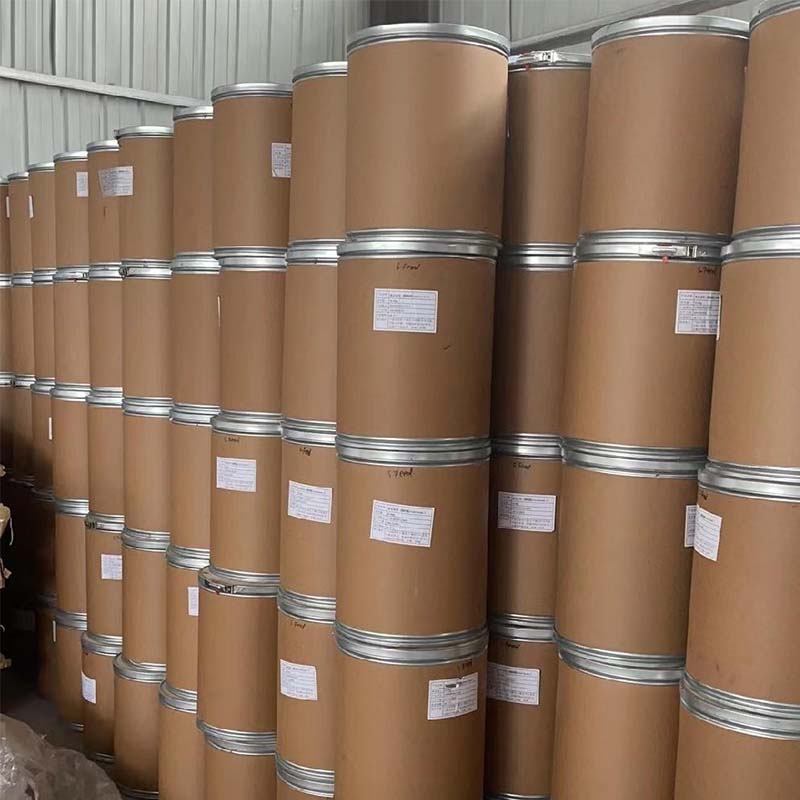
lron-ringed Cardboard Drum
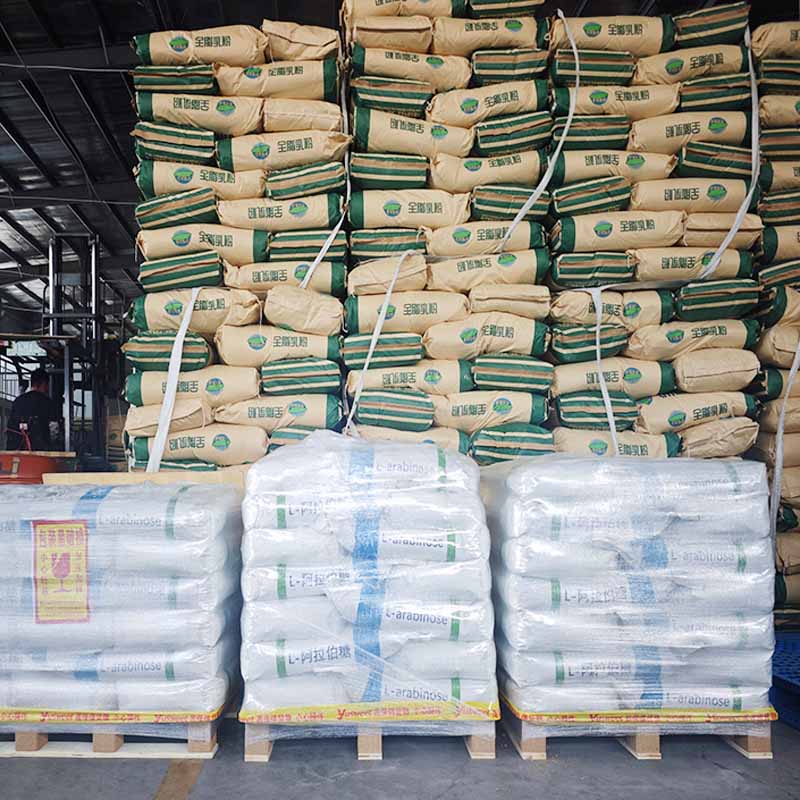
25kqs by Drum

25kqs by Drum
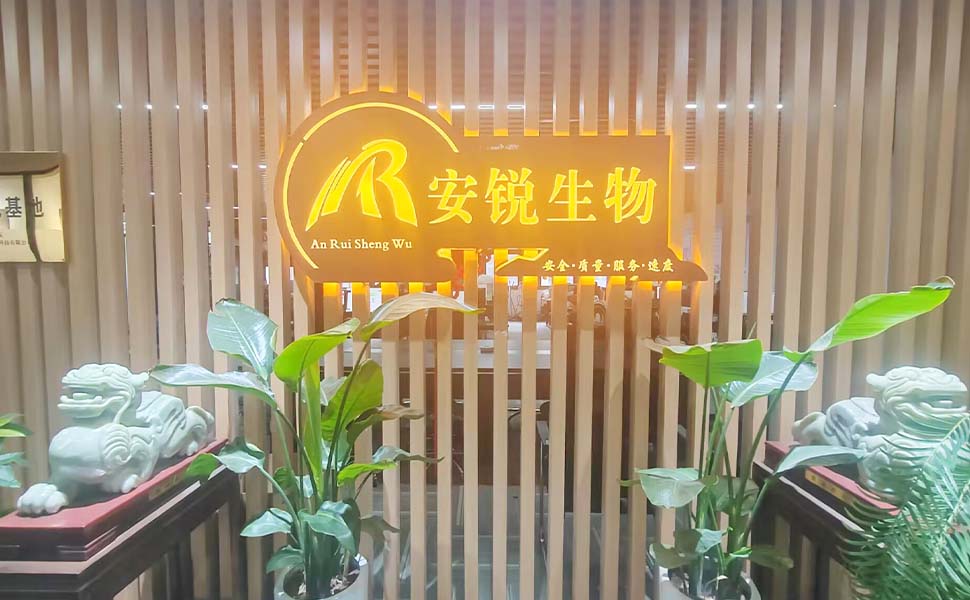
Anrui Biotechnology Co., Ltd. is a specialized exporter of high-quality food ingredients and additives. We focus on global trade and custom formulation services for functional ingredients, delivering consistent, compliant, and premium-quality supply solutions to our worldwide clients.
Headquartered in Guangzhou, China, Anrui collaborates with GMP-certified manufacturing partners equipped with advanced testing facilities, including HPLC, UV-VIS spectrophotometry, and microbiological analysis, ensuring every batch meets strict international quality and regulatory standards.
Our products are exported to over 60 countries, serving industries such as food, beverages, supplements, and cosmetics.
Fast-moving ingredients for food factories, ready for immediate dispatch.