
| CAS Number | 7378-23-6 |
| Chemical Formula | C₆H₇NaO₆ |
| Solubility | ≈16 g/100 mL at 25 °C |
| Storage Conditions | Cool, dry, ventilated, protected from light |
| Shelf Life | 24 Months |



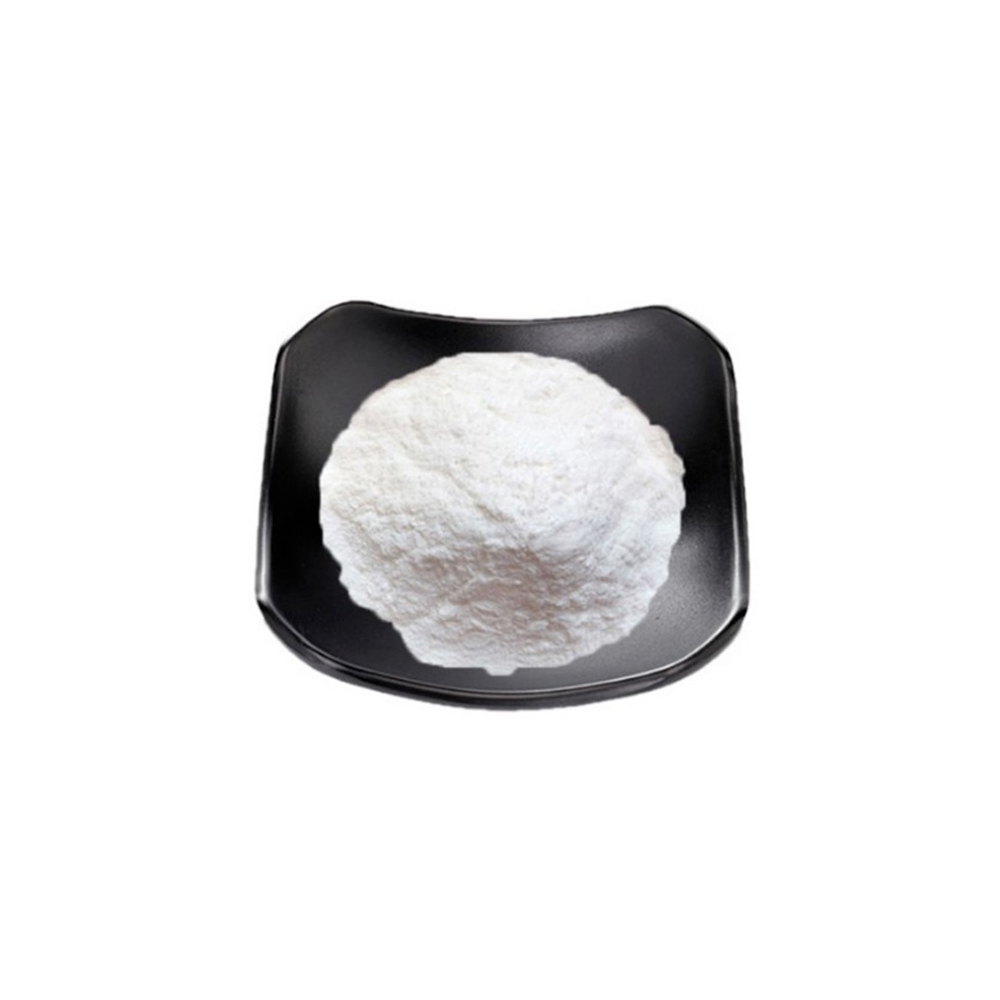
D-Sodium Erythorbate is the sodium salt of erythorbic acid, functioning as an antioxidant and preservative primarily used in processed foods and cured meats to maintain color and inhibit flavor degradation.
| Step No. | Production Stage | Key Action | Control Point & Note |
|---|---|---|---|
| 1 | Fermentation | A carbohydrate source, typically glucose derived from corn starch, is fermented by a specific microorganism (e.g., Pseudomonas) to produce 2-Keto-D-gluconic acid (2-KGA). | Control Point: Sterility, pH, temperature, and aeration of the fermentation broth. Note: This biological step is fundamental and dictates the initial yield and purity of the key intermediate. |
| 2 | Chemical Synthesis (Esterification) | The 2-KGA from the fermentation broth is reacted with methanol in the presence of an acid catalyst (like sulfuric acid) to form its methyl ester. | Control Point: Reaction temperature, catalyst concentration, and reaction time. Note: This step prepares the molecule for the subsequent, crucial ring-closing reaction. |
| 3 | Isomerization & Rearrangement | The methyl ester is treated with a base catalyst (e.g., sodium methoxide) in a solvent, causing a molecular rearrangement and cyclization (lactonization) to form D-Sodium Erythorbate. | Control Point: Concentration of the base, temperature, and reaction time. Note: This is the core chemical transformation step. Precise control is essential to ensure the correct isomer is formed. |
| 4 | Primary Purification | The crude D-Sodium Erythorbate solution is decolorized, typically with activated carbon, and then filtered to remove the carbon and other suspended impurities. | Control Point: Amount of activated carbon, contact time, and filtration efficiency. Note: This step significantly improves the color and clarity of the product solution before crystallization. |
| 5 | Crystallization | The purified solution is concentrated (by evaporating the solvent) and then cooled under highly controlled conditions to induce the formation of D-Sodium Erythorbate crystals. | Control Point: Solution concentration, rate of cooling, and final temperature. Note: A well-controlled crystallization process is vital for achieving high purity and a uniform crystal size. |
| 6 | Separation & Washing | The formed crystals are separated from the mother liquor using a centrifuge. The wet crystal cake is then washed with a small amount of cold water or solvent to remove surface impurities. | Control Point: Centrifuge speed and duration; volume and temperature of the wash liquid. Note: Efficient separation is key to maximizing yield and enhancing purity. |
| 7 | Drying & Sieving | The washed crystals are carefully dried, usually under vacuum at a controlled temperature, to remove all residual moisture. The dry product is then sieved to achieve a consistent particle size. | Control Point: Drying temperature and vacuum level to prevent product degradation. Final moisture content must be below the specification limit (e.g., <0.25%). |
| 8 | Quality Control & Packaging | The final product is rigorously tested against food-grade specifications (e.g., FCC/E316) for assay, heavy metals, arsenic, etc. Approved product is packaged in sealed, moisture-proof containers. | Control Point: Comprehensive chemical analysis of each batch. Packaging integrity and correct labeling. Note: This is the final verification step to ensure the product is safe for consumption and meets all regulatory standards. |

Aluminum Foil Bag
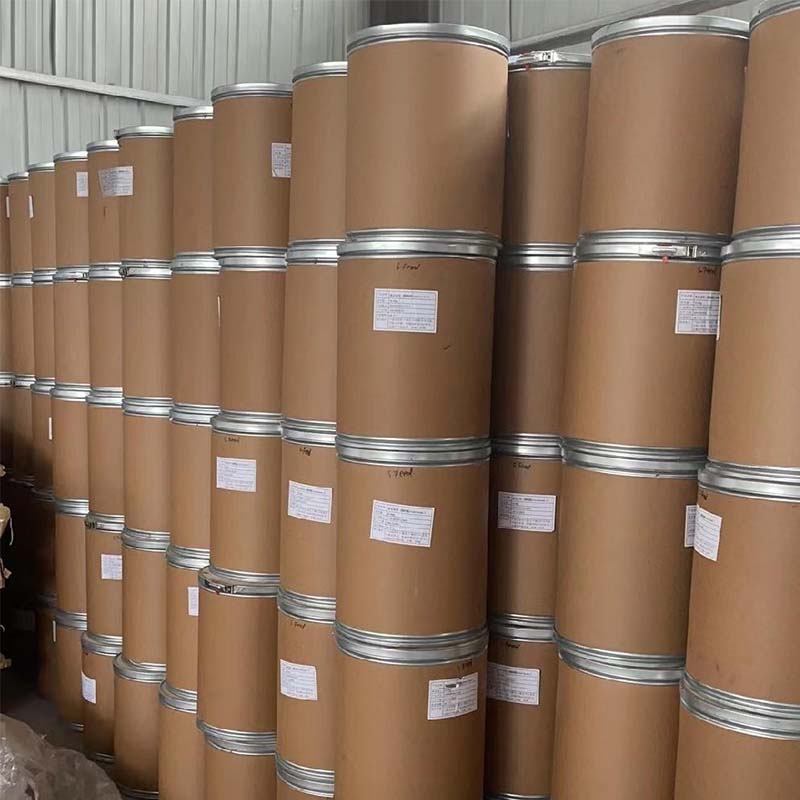
lron-ringed Cardboard Drum
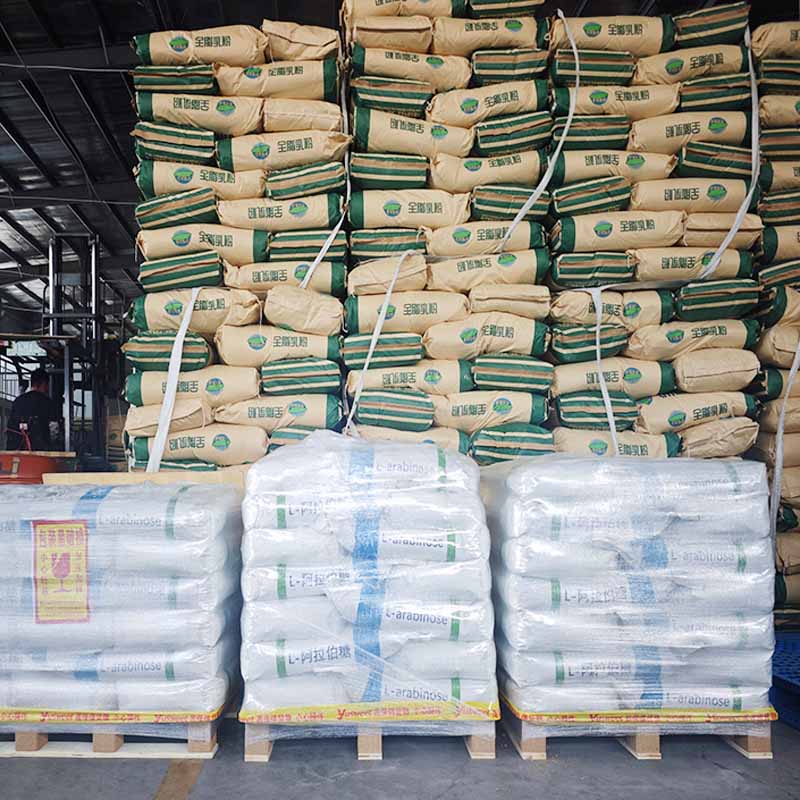
25kqs by Drum

25kqs by Drum
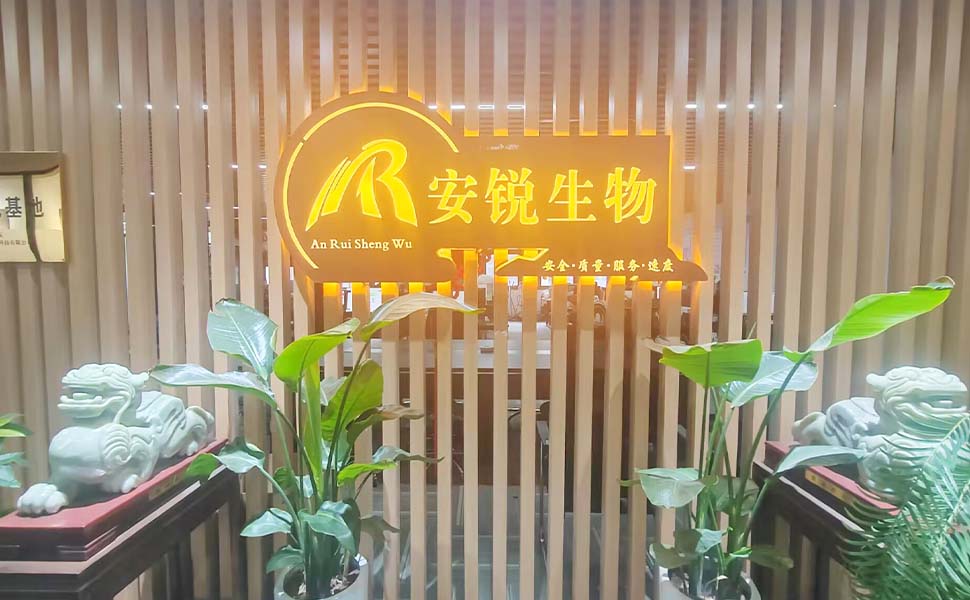
Anrui Biotechnology Co., Ltd. is a specialized exporter of high-quality food ingredients and additives. We focus on global trade and custom formulation services for functional ingredients, delivering consistent, compliant, and premium-quality supply solutions to our worldwide clients.
Headquartered in Guangzhou, China, Anrui collaborates with GMP-certified manufacturing partners equipped with advanced testing facilities, including HPLC, UV-VIS spectrophotometry, and microbiological analysis, ensuring every batch meets strict international quality and regulatory standards.
Our products are exported to over 60 countries, serving industries such as food, beverages, supplements, and cosmetics.
Fast-moving ingredients for food factories, ready for immediate dispatch.