| 1 |
Raw Material Charging |
Charge the reactor with p-methoxyphenol (hydroquinone monomethyl ether) and an acid catalyst (e.g., phosphoric acid). |
Note: Raw materials must meet stringent purity specifications. The catalyst concentration is critical for reaction efficiency and selectivity. |
| 2 |
Synthesis (Alkylation) |
Introduce isobutylene gas or tert-butanol into the reactor under controlled temperature and pressure. |
Control Point: Maintain reactor temperature between 50-80°C. Exothermic reaction requires efficient cooling. Monitor pressure to control the reaction rate and ensure completion. |
| 3 |
Neutralization & Washing |
Quench the reaction and neutralize the acidic mixture with a caustic solution (e.g., sodium hydroxide). Wash the resulting organic layer with water. |
Control Point: Monitor pH closely to ensure complete neutralization of the acid catalyst. Proper washing is essential to remove salts and water-soluble impurities. |
| 4 |
Purification (Distillation) |
Purify the crude BHA mixture by vacuum distillation to remove unreacted materials and by-products. |
Control Point: Precise control over vacuum level and temperature is crucial to separate the two BHA isomers from impurities without causing thermal degradation. |
| 5 |
Crystallization |
Cool the purified, molten BHA in a crystallizer, possibly with the aid of a suitable solvent, to form solid crystals. |
Control Point: The cooling rate profile directly influences crystal size, shape, and purity. Slower cooling generally yields a higher quality product. |
| 6 |
Product Isolation |
Separate the BHA crystals from the mother liquor using a centrifuge or filter press. |
Note: The solid cake may be washed with a cold solvent to remove surface impurities before drying. |
| 7 |
Drying |
Dry the wet BHA crystals in a vacuum dryer to remove any residual moisture or solvent. |
Control Point: Drying temperature must be kept well below the product’s melting point (48-55°C) to prevent clumping. Final moisture content must be below the specified limit (e.g., <0.5%). |
| 8 |
Sieving & Blending |
Sieve the dried BHA to achieve a uniform particle size and blend different batches if required for homogeneity. |
Note: This step ensures the final product has consistent physical properties for customer applications. |
| 9 |
Quality Control & Packaging |
Test the final product against all specifications (purity, isomer ratio, melting point, heavy metals, etc.). |
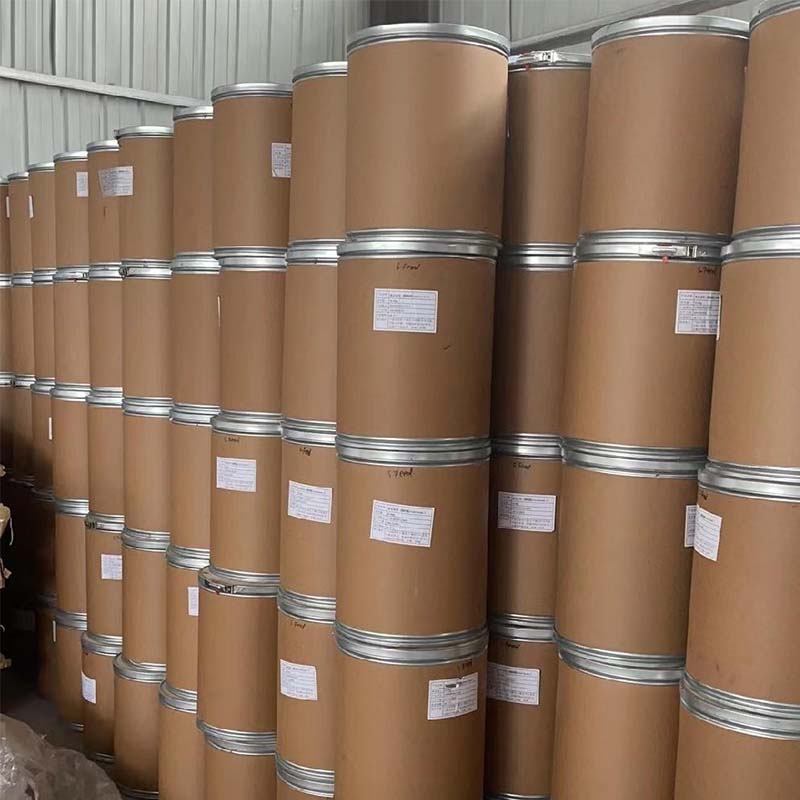
Control Point: The product must meet all food-grade or pharmaceutical-grade standards. Package in airtight, light-resistant containers to prevent oxidation and degradation. |