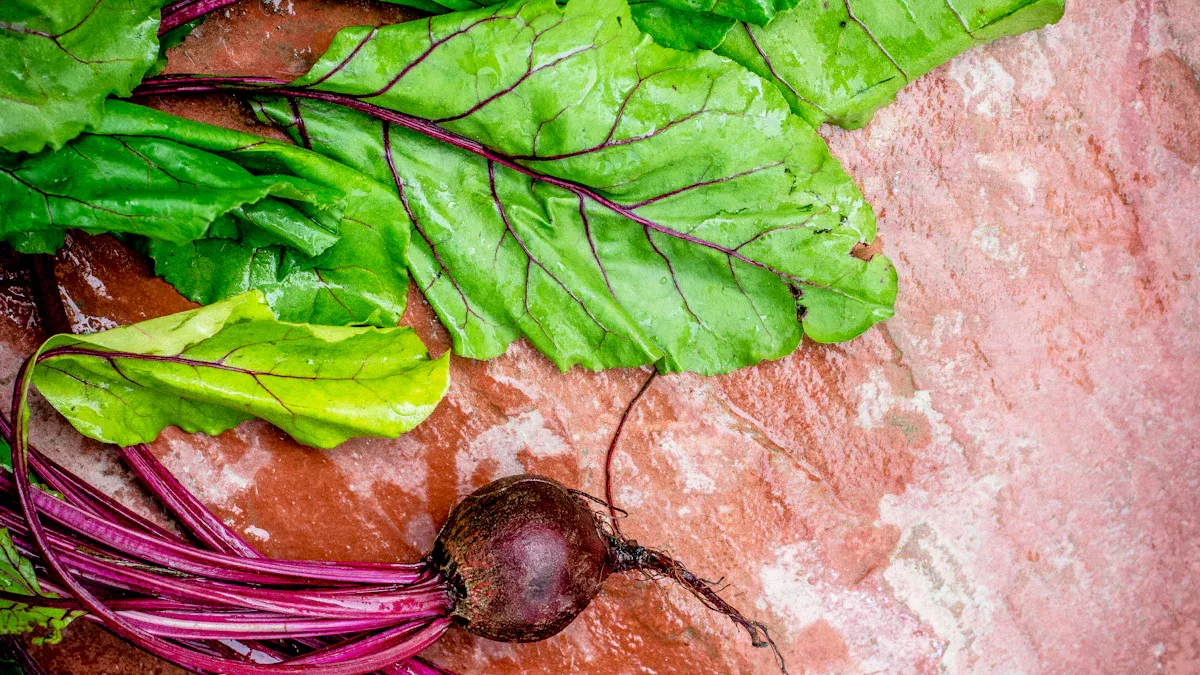
Isomalt is a natural sugar alcohol primarily derived from a plant source of isomalt, specifically beet sugar. Scientists classify it as a polyol, which is a type of sugar alcohol. Isomalt is produced from sucrose found in sugar beet, a key plant source of isomalt. The sucrose undergoes enzymatic conversion and hydrogenation to create isomalt. In 2024, about 62.23% of all isomalt produced comes from beet sugar, largely because Europe has more advanced processing methods.
Organizations such as EFSA, JECFA, and FDA confirm that isomalt is safe and natural.
Year | Market Size (USD billion) | CAGR (%) | Forecast/Notes |
|---|---|---|---|
2023 | 8.2 | Flair Insights | |
2031 | >2.3 | 8.2 | Projected |
Key Takeaways
Isomalt is a natural sugar alcohol. It is mostly made from sucrose. Sucrose comes from sugar beets. Sugar beets are a renewable plant source.
The production uses natural enzymes and hydrogenation. There is no genetic modification. This keeps isomalt safe and non-GMO.
Isomalt has fewer calories than regular sugar. It also has a very low glycemic index. This makes it good for people who want to control blood sugar. It also helps people who want to manage their weight.
Isomalt helps dental health. It does not cause tooth decay. It helps protect teeth from damage.
Isomalt is used in sugar-free candies and baked goods. It is also in oral care products. It gives sweetness and texture like sugar. It also has extra health benefits.
Plant Source of Isomalt
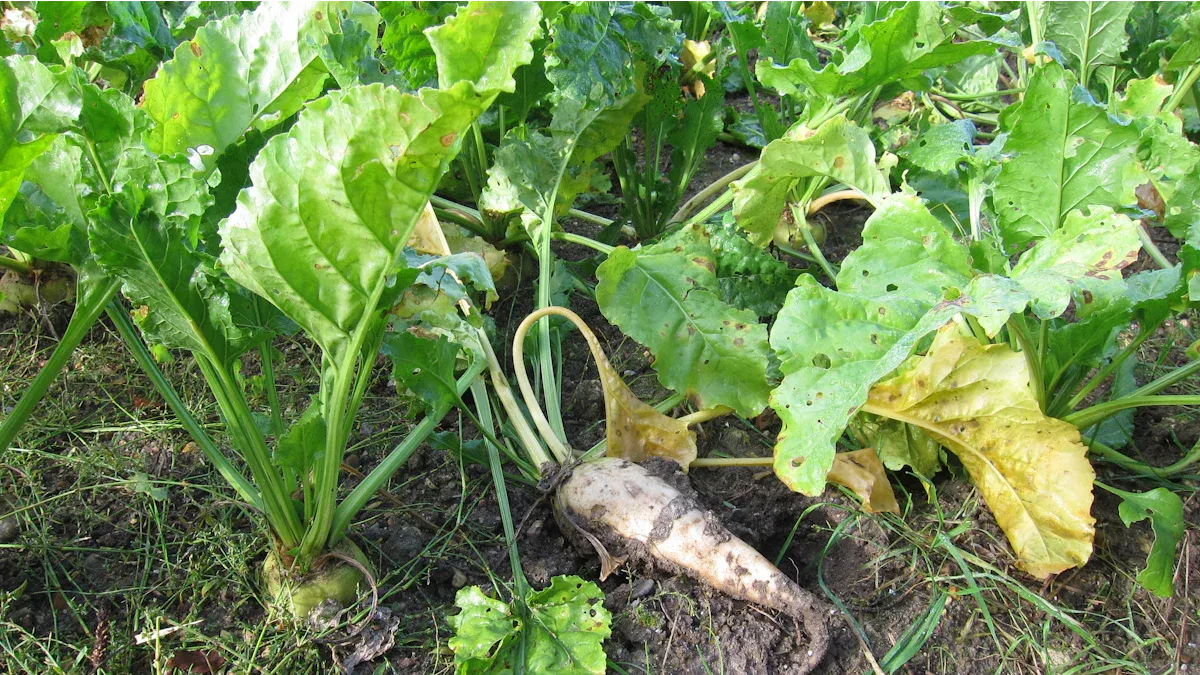
Sugar Beet Origin
Sugar beet is the main plant source for making isomalt. Farmers grow sugar beets in many places, especially in Europe. These plants give a lot of sucrose, which is needed to make isomalt. Sucrose from sugar beet is important for starting the process. The plant source of isomalt must have good sucrose for easy production.
Sugar beet has many benefits as the plant source of isomalt:
Sugar beet gives a steady and renewable supply of sucrose.
The beet sugar supply chain is strong, so isomalt can be made all year.
Sugar beet farming often uses eco-friendly methods that help people and nature.
Sucrose from sugar beet follows strict food safety and labeling rules.
The high quality of beet sugar helps with the special steps needed to make isomalt.
Sucrose from sugar beet makes isomalt natural and safe to produce in large amounts.
Sugar beet lets companies make enough isomalt to meet demand for natural sweeteners. No other plant source of isomalt works as well or gives such pure sucrose.
Natural Extraction
Making isomalt from sugar beet starts with getting sucrose out carefully. Natural ways are used to keep the sucrose clean and safe. The steps are:
Workers wash and cut the sugar beets to get them ready.
Hot water runs over the beet pieces and pulls out the sucrose juice.
The juice is cleaned to take out anything bad, so only pure sucrose is left.
These steps are part of the natural extraction before sucrose becomes isomalt. The plant source of isomalt needs these steps to make sure the sweetener is safe and works well.
Here is a table that shows the natural extraction steps:
Step | Description |
|---|---|
Washing & Slicing | Gets sugar beets ready for extraction |
Hot Water Extraction | Pulls sucrose juice from beet pieces |
Purification | Cleans the juice for pure sucrose |
When the plant source of isomalt goes through these steps, it gives a clean and steady base for making this sugar alcohol. Careful handling helps isomalt stay natural and meet what health-minded people want.
Production Process
Enzymatic Conversion
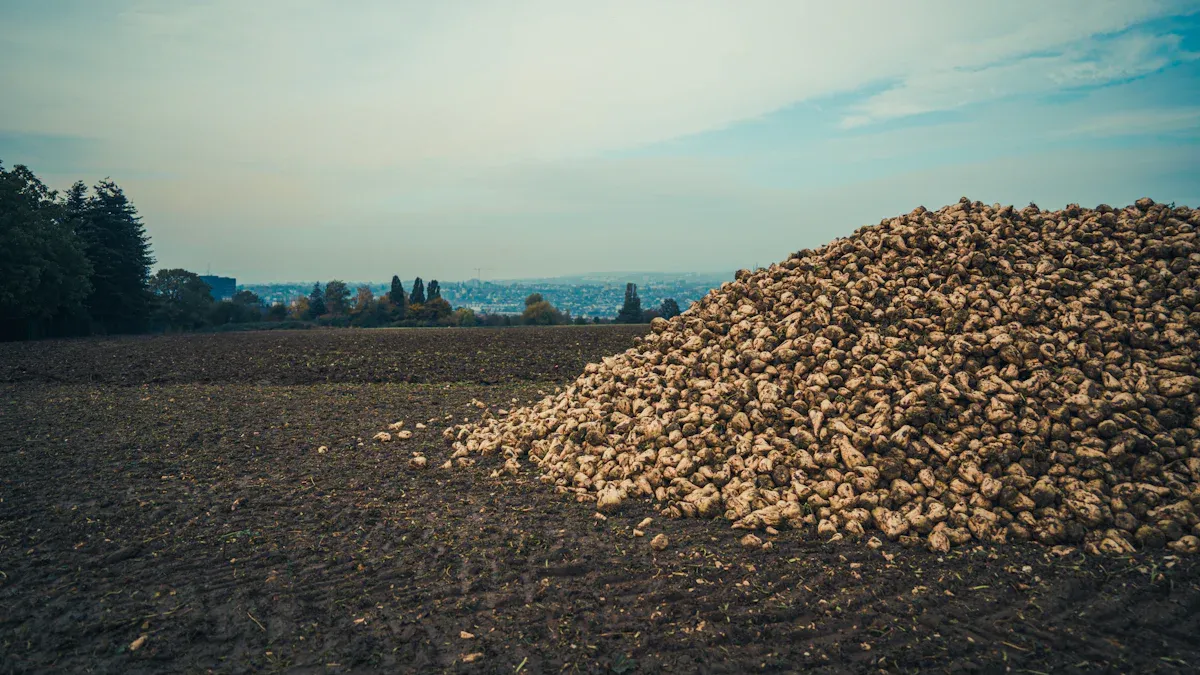
Making isomalt starts with two main steps. First, enzymes change sucrose from beet sugar into isomaltulose. Sucrose isomerase (SIase) is the enzyme used for this. SIase moves bonds in sucrose to make isomaltulose. Factories use SIase beads to keep the process steady and use them again. Some microbes like Erwinia and Klebsiella can make SIase too.
The industrial process has these steps:
Workers treat beet molasses by adding acid, boiling, cooling, and spinning it to clean out bad stuff.
SIase enzyme beads are made with polyvinyl alcohol and sodium alginate.
SIase beads go into beet molasses at a set temperature and pH.
The reaction runs for 10 to 12 hours, then the beads are filtered and used again.
Conditions are changed to get more product and better purity.
Using beet molasses helps save money and is better for the environment.
SIase breaks the α-1,2-glycosidic bond in sucrose and makes an α-1,6-glycosidic bond. This creates isomaltulose. No genetic modification is used, so isomalt stays non-GMO.
Hydrogenation
The next step is hydrogenation. A catalyst adds hydrogen to isomaltulose. This changes aldehyde and ketone groups into alcohol groups. Isomalt becomes a sugar alcohol. The process makes isomalt more stable and changes how it dissolves and flows.
Step | Chemical Change | Resulting Compound |
|---|---|---|
Sucrose enzymatically converted to isomaltulose | Isomaltulose | |
Catalytic hydrogenation | Aldehyde and ketone groups reduced to alcohol groups | Isomalt (mixture of glucitol and mannitol dihydrate) |
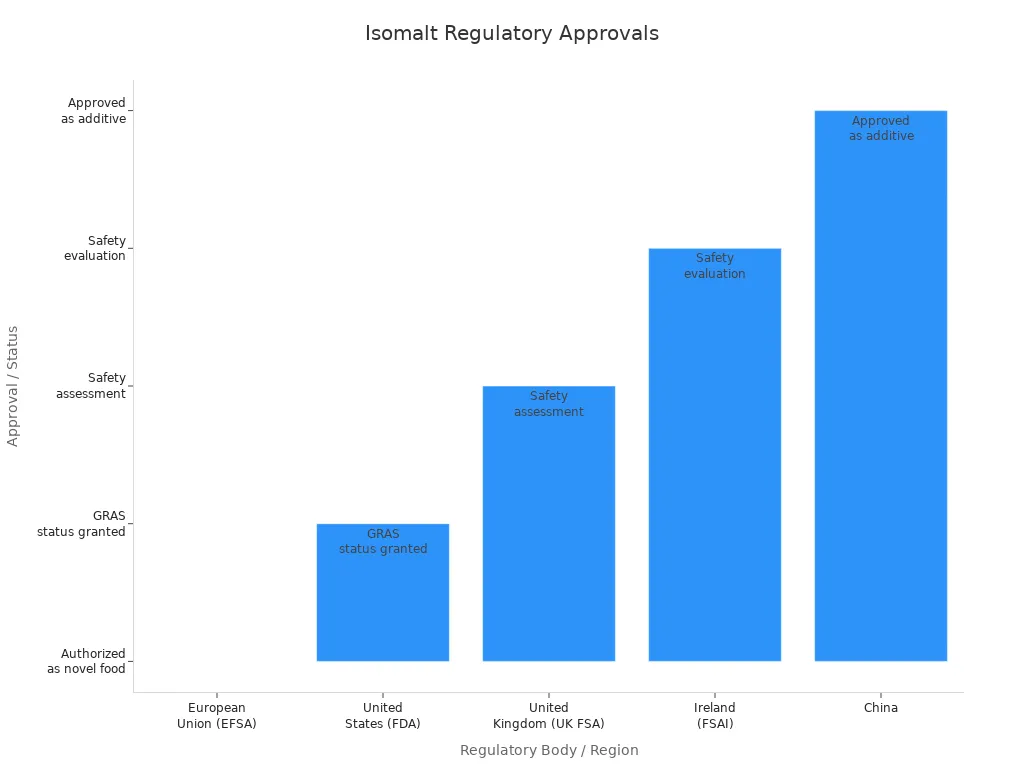
Isomalt made this way follows strict safety rules. The FDA said isomalt is safe in 2017. The European Union also allows it as a new food ingredient. Studies show isomalt is safe for people.
Isomalt is made with natural enzymes and no genetic changes. This means isomalt sold in stores is non-GMO and safe to eat.
Health Benefits
Diabetic-Friendly
Isomalt is a sugar alcohol that helps people with diabetes. Scientists say isomalt does not raise blood sugar or insulin as much as regular sugar. In one study, people with type 2 diabetes ate 30 grams of isomalt each day for 12 weeks. Their health got better in many ways. They had lower fructosamine, HbA1c, fasting blood sugar, insulin, C-peptide, proinsulin, insulin resistance, and oxidized LDL. People who ate isomalt had lower blood sugar after meals and fewer bad glycation products.
Isomalt is only partly digested and absorbed by the body. This means blood sugar and insulin do not go up fast after eating it. Many studies show isomalt has a much lower glycemic index than sucrose. Isomaltulose, which is similar, has a glycemic index of 32. Sucrose has a glycemic index of 67. A lower number means blood sugar rises slowly and stays lower.
Parameter | Isomalt Effect | Sucrose Effect |
|---|---|---|
Plasma glucose | Big increase in first hour | |
Plasma insulin | No big change in first hour | Big increase in first hour |
Plasma lactic acid | No increase seen | Increase seen |
Carbohydrate oxidation | Much lower (30-150 min) | Much higher (30-150 min) |
Lipid oxidation suppression | Less suppression | More suppression |
Doctors and nutritionists say isomalt is a safe sugar substitute for people who need to watch their blood sugar. The European Food Safety Authority and other groups say isomalt is okay for diabetic-friendly foods. Isomalt helps people control how many carbs they eat and their glycemic load.
Isomalt is a smart pick for people who want steady blood sugar and better health.
Oral Health
Isomalt also helps keep teeth and gums healthy. Studies show isomalt does not make acids that cause tooth decay. It does not feed bad bacteria in the mouth. Isomalt helps stop cavities and helps fix early tooth damage. It holds calcium in dental plaque, which helps rebuild enamel.
Isomalt does not cause tooth decay because it is non-acidogenic and non-cariogenic.
It helps stop cavities and helps fix early caries.
Isomalt works with fluoride and CPC in mouth rinses to protect enamel better than other rinses.
It blocks enzymes in bacteria like Streptococcus mutans, so there is less biofilm and acid.
The US FDA says isomalt is safe for teeth.
Studies include research on microbes, pH-cycling, meta-analyses, and clinical advice.
Dentists often tell people to use isomalt in sugar-free gum, candies, and oral care products. People who use isomalt can enjoy sweet treats without hurting their teeth.
Picking isomalt helps keep teeth strong and lowers the chance of cavities.
Low Calorie
Isomalt has fewer calories than regular sugar. Sucrose has 4 calories per gram, but isomalt has only 2 calories per gram. This makes isomalt a good choice for people who want to watch their weight or eat fewer calories.
Sweetener | Caloric Value (kcal/g) | Sweetness Compared to Sucrose (%) |
|---|---|---|
Sucrose | 4 | 100 |
Isomalt | 2 | 45–65 |
Erythritol | 0.2 | 60–80 |
Sorbitol | 2.6 | 50–70 |
Xylitol | 2.4 | 100 |
Maltitol | 2.1–2.4 | 75–90 |
Lactitol | 2–2.4 | 30–40 |
Mannitol | 1.6 | 50–70 |
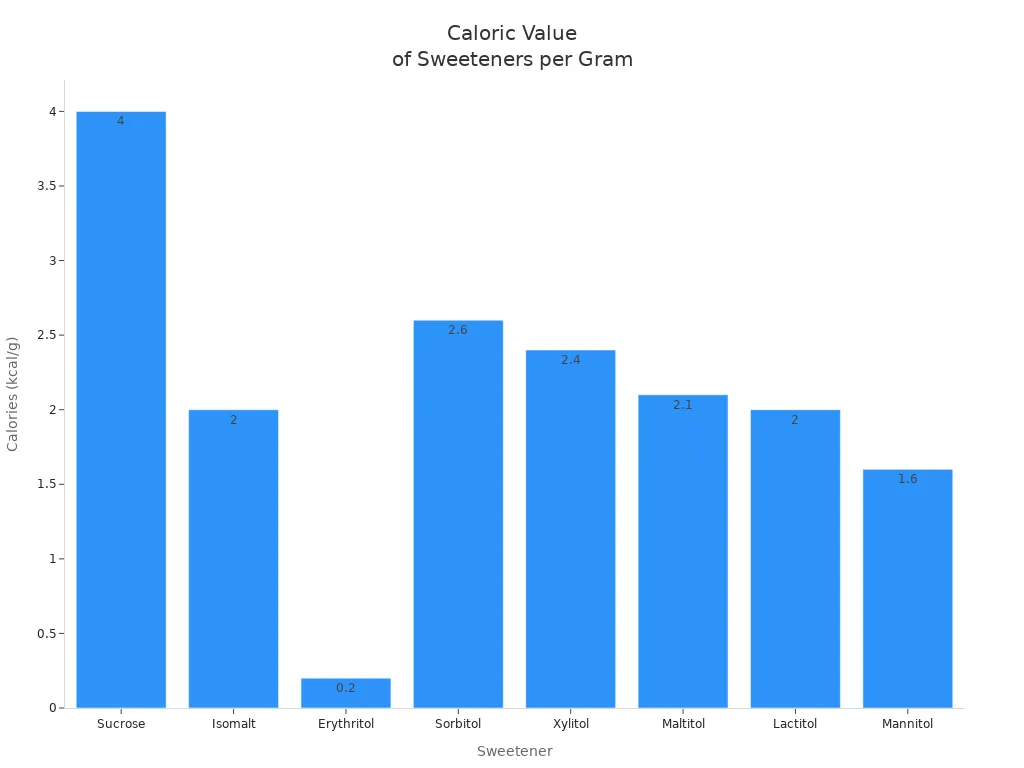
Isomalt’s chemical structure makes it hard for the body to break down. The body only digests some of it. The rest goes to the colon, where bacteria break it down, like fiber. This slow digestion means a low glycemic response and fewer calories.
Isomalt gives at most 2 calories per gram, about half as much as sucrose.
Its strong bond means it digests and absorbs slowly.
Only some isomalt is digested; the rest acts like fiber.
These things help people control calories and blood sugar.
The World Health Organization’s JECFA says isomalt is safe and accepts it as a low-calorie ingredient.
People who pick isomalt can enjoy sweet foods with fewer calories and less effect on blood sugar.
Comparison to Other Sweeteners
Taste and Texture
Isomalt tastes and feels a lot like sucrose. People in studies cannot tell the difference between chocolate with isomalt and chocolate with sucrose. The cocoa flavor, sweetness, and smoothness are almost the same. Both types of chocolate melt in your mouth in a similar way. People enjoy both kinds equally. Chocolate with isomalt is a little harder to break. In muffins, isomalt gives a texture close to sucrose. Muffins made with isomalt taste soft and sweet. They may not rise as high as muffins with regular sugar.
Chocolates with isomalt and sucrose taste almost the same.
Isomalt makes baked goods feel like those with sucrose.
Isomalt is about half as sweet as sucrose.
Parameter | Isomalt vs. Sucrose in Muffins |
|---|---|
Texture | Isomalt gives muffins a texture like sucrose |
Sensory Acceptance | People like both isomalt and sucrose muffins |
Sweetness | Isomalt is about 50% as sweet as sucrose |
Muffin Height | Muffins with isomalt do not rise as much |
Isomalt is a good choice to replace sucrose in foods because it keeps the taste and texture people want.
Caloric Value
Isomalt has fewer calories than regular sugar. Sucrose gives about 4 calories per gram. Isomalt gives about 2 calories per gram. This helps people who want to eat less calories. Other sugar alcohols, like xylitol and maltitol, also have low calories. Some sweeteners, like aspartame and stevia, have almost no calories at all.
Sweetener Type | Caloric Value (kcal/g) | Relative Sweetness Compared to Sugar | Notes |
|---|---|---|---|
Isomalt | ~2 | About 50% | Sugar alcohol, half the calories of sugar |
Table Sugar (Sucrose) | ~4 | 100% | Standard caloric sweetener |
~1.8 | Varies | Includes xylitol, lactitol, maltitol, sorbitol | |
Non-Caloric Sweeteners | ~0 | High-intensity sweeteners | Aspartame, sucralose, stevia, etc. |
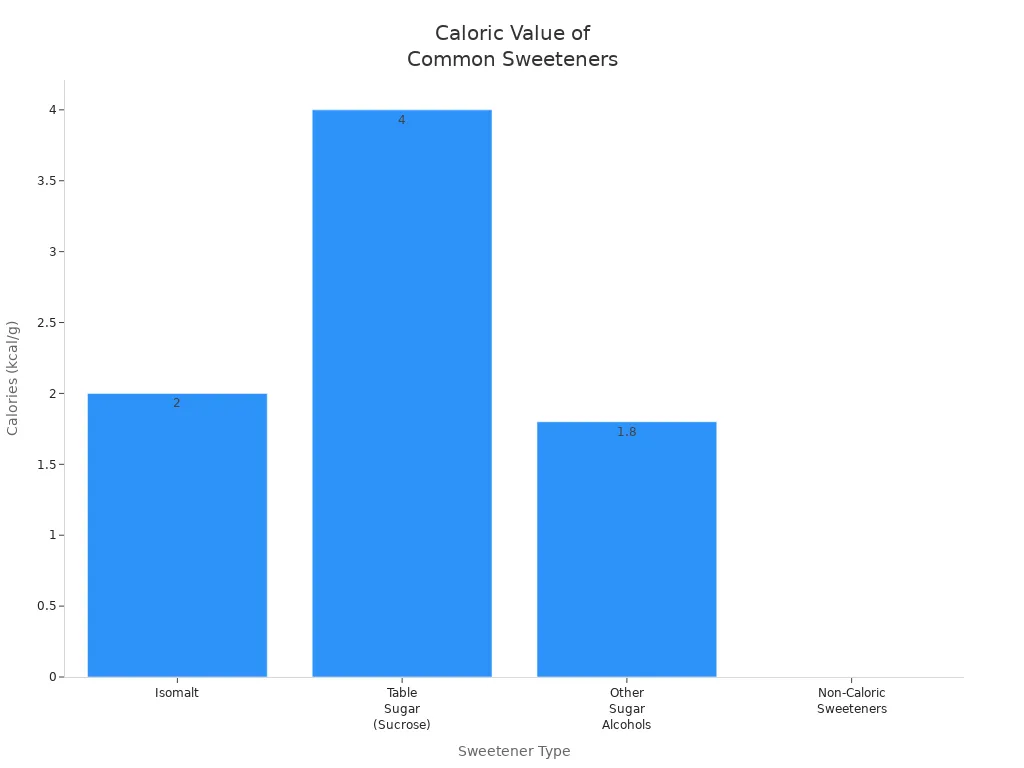
Isomalt’s lower calories help people watch their weight and make healthier choices.
Glycemic Impact
Isomalt has a much lower glycemic index than sucrose. This means it does not make blood sugar go up fast. Sucrose has a glycemic index of 61. Isomalt’s glycemic index is only 2 to 9. Other sugar alcohols, like sorbitol and xylitol, also have low glycemic indexes. Isomalt is one of the lowest. Studies show that using isomalt instead of sugar makes blood sugar and insulin rise less. People with diabetes or those who want to control blood sugar can use isomalt.
Substance | Glycemic Index (GI) |
|---|---|
Isomalt | 2–9 |
Sorbitol | 4–9 |
Xylitol | 12–13 |
Maltitol | 35–36 |
Sucrose | 61 |
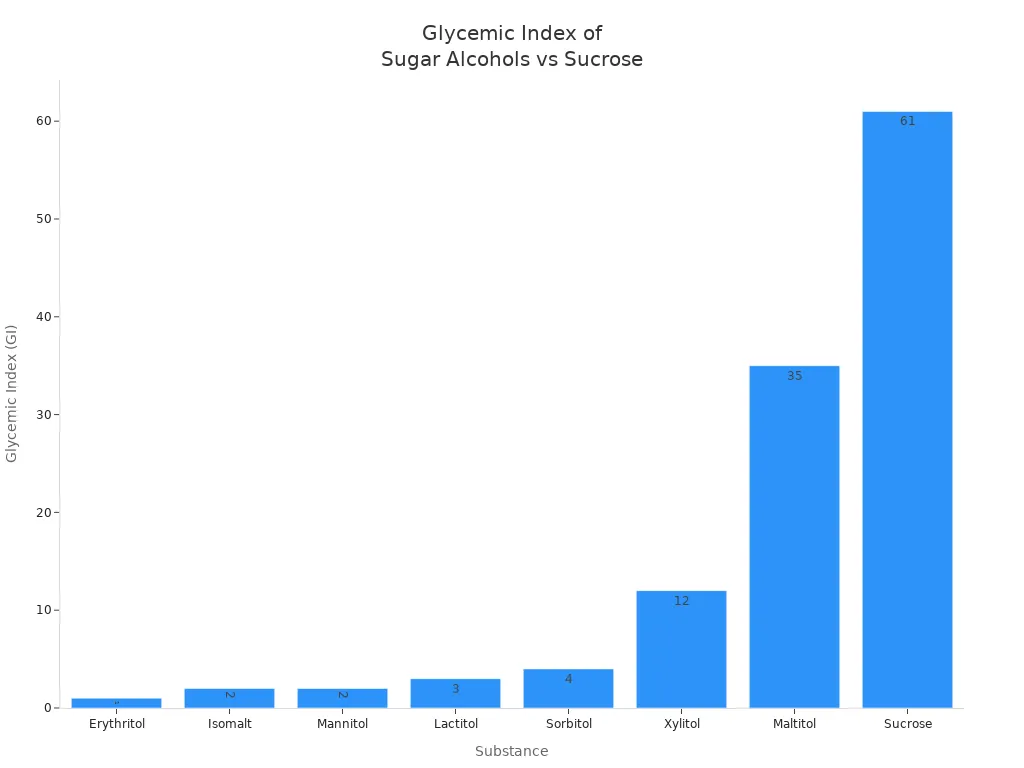
Picking isomalt helps keep blood sugar steady and is better for health.
Uses and Safety
Food Applications
Isomalt is used in many foods instead of sugar. Food companies pick isomalt because it is sweet but has fewer calories. It also does not make blood sugar go up fast. You can find isomalt in lots of foods:
Chewing gum and gum coatings
Baked goods like muffins and cookies
Chocolate and chocolate coatings
Fruit spreads and jams
Frozen desserts such as ice cream
Breakfast cereals for bulk or shine
Drinks, including sugar-free sodas and fruit drinks
Isomalt helps foods taste sweet and good. It also helps people make healthier choices.
Handling Tips
It is important to handle and store isomalt safely in food factories. Workers should do these things:
Aspect | Recommendations |
|---|---|
Handling | Work where air moves well. Wear gloves and eye protection. Do not touch skin or eyes. Use tools that do not spark. |
Storage | Keep isomalt in closed containers. Store it in a dry, cool, and dark place. Keep away from water and heat. |
Personal Protection | Wear gloves and clothes that protect you. If there is dust, wear a mask. |
Spill Cleanup | Clean up spills right away. Use tools that do not spark. Put isomalt in closed containers. |
Tip: Always keep isomalt away from fire and do not let dust fill the air.
Side Effects
Most people can eat isomalt with no problems. Some people may get a little stomach trouble. Isomalt is not fully digested and goes to the lower gut. There, bacteria break it down. Some common side effects are:
Gas or farting
Stomach noises
Mild stomach pain
Loose stools or mild diarrhea (this happens more if kids eat over 25 grams a day or adults eat over 50 grams a day)
These problems are usually not bad and go away as your body gets used to isomalt. The World Health Organization and FDA both say isomalt is safe to eat often. There is no strict daily limit, so people can eat normal amounts in food without worry.
Isomalt comes from beet sugar, which is a root vegetable with lots of sucrose. This natural sugar alcohol gives many health benefits. People who use isomalt eat fewer calories. It does not raise blood sugar much. Isomalt also helps keep teeth healthy. Nutrition experts say isomalt is good for people who want a sugar substitute. It gives sweetness and texture but does not leave a strong aftertaste.
Isomalt has no sugar and is safe for people with diabetes.
It does not form crystals or soak up water, so it works in many foods.
Eating a little isomalt can help gut health by growing more bifidobacteria.
Health Benefit | Description |
|---|---|
Calorie Reduction | Has about half the calories of regular sugar |
Glycemic Control | Hardly changes blood sugar or insulin |
Dental Health |
People who want healthier sweeteners can try isomalt in candy, baked treats, or drinks. They should begin with small amounts to avoid stomach upset.
FAQ
What is isomalt made from?
Isomalt comes from sugar beets. Factories take sucrose out of the beets. They use enzymes and hydrogen to change sucrose into isomalt. This keeps isomalt natural and from plants.
Is isomalt safe for people with diabetes?
Yes, isomalt is safe for people with diabetes. It does not make blood sugar go up fast. Doctors and nutrition experts say isomalt is a good sugar substitute.
Does isomalt cause tooth decay?
Dentists say isomalt does not cause tooth decay.
Isomalt does not help bad bacteria grow in your mouth. It helps keep teeth and gums healthy. Isomalt is a good choice for sugar-free gum and candy.
Can children eat foods with isomalt?
Kids can eat foods with isomalt if they do not eat too much. Eating a lot may cause mild stomach problems like gas or loose stools. Parents should give small servings to young kids.
How does isomalt compare to regular sugar in calories?
Sweetener | Calories per Gram |
|---|---|
Isomalt | 2 |
Sugar | 4 |
Isomalt has half as many calories as regular sugar. People who want fewer calories often pick isomalt to sweeten their food.