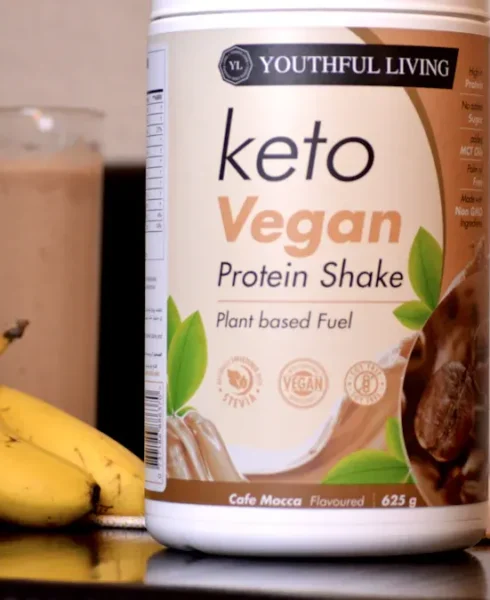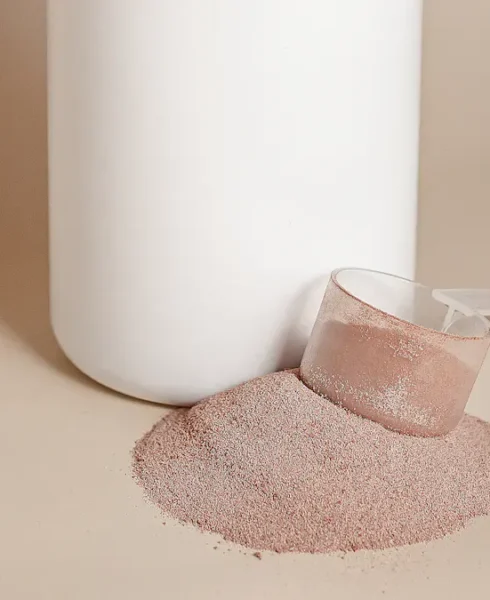
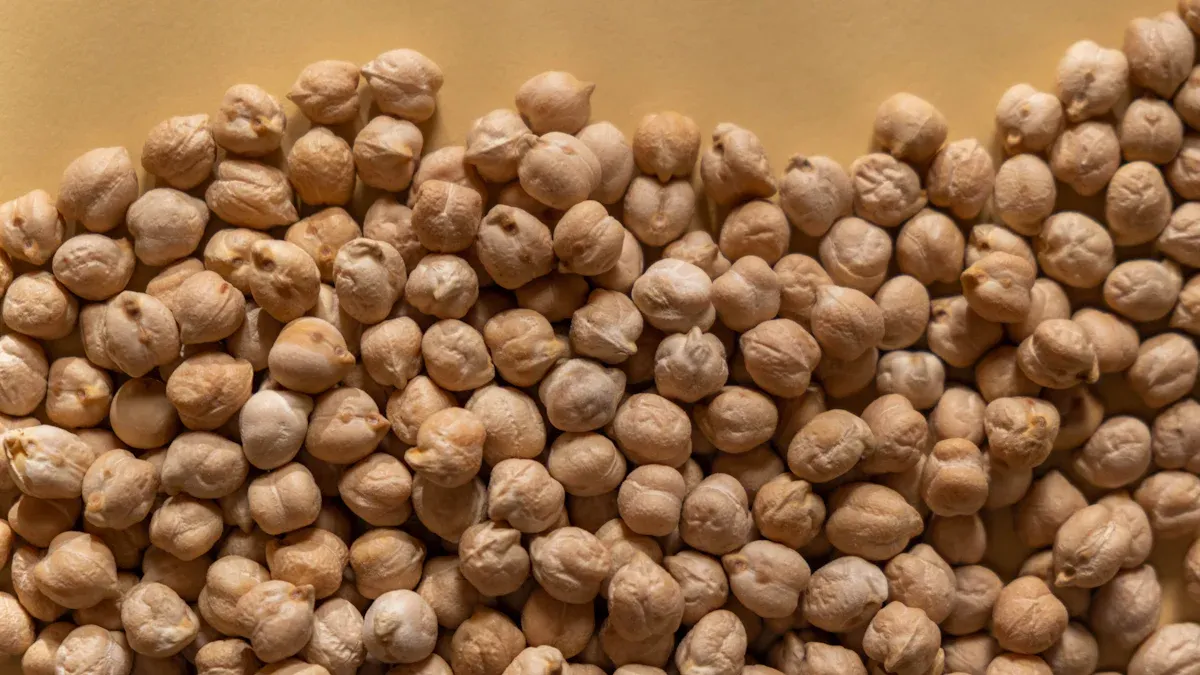
You want to pick the best protein powder for your body and goals. If you need a protein with all the important amino acids, soy protein is a good choice. If you want something with a low chance of causing allergies, pea protein is a great option. Peanut protein powder is easy to digest and has a mild flavor. Many people now use plant-based protein powders and shakes. They want healthier and more earth-friendly supplements.
Almost 1 out of 4 people eat less meat, and 1 out of 5 do not eat meat at all. This makes plant-based protein supplements more popular.
Protein Source | Best For | Key Benefit |
|---|---|---|
Pea Protein | Allergies | Low allergenicity |
Soy Protein | Muscle building | Complete protein |
Peanut Protein | Taste & digestion | Easily digestible |
Pick the one that fits your diet and what you like.
Key Takeaways
Pick soy protein if you want all amino acids. It helps build muscles and helps you recover.
Use pea protein if you have allergies. It does not cause allergies and is easy to digest.
Peanut protein powder tastes mild. It works well in baking and smoothies. Make sure you are not allergic.
Always look at nutrition labels for safety. Check if protein powders have heavy metals.
Plant-based protein powders are good for the planet. They help you live healthier.
What Are Peanut, Soy, and Pea Protein Powders?
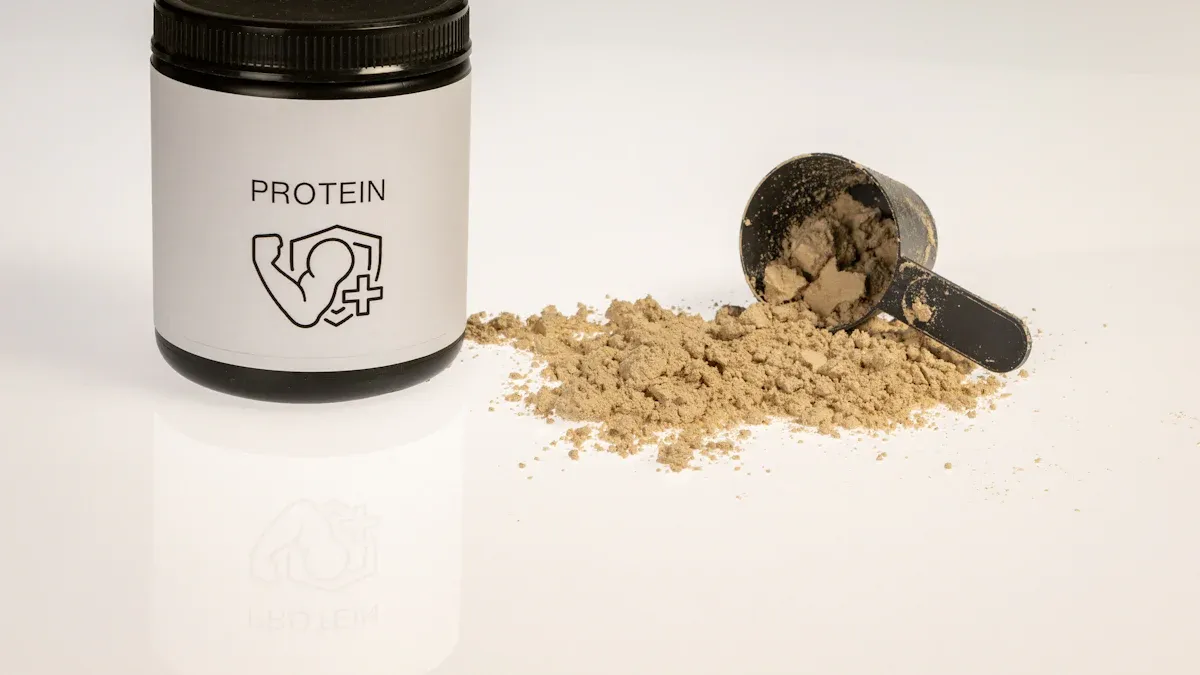
Peanut Protein Powder Overview
You get peanut protein powder from peanuts. Manufacturers remove most of the fat and grind the peanuts into a fine powder. This process keeps the protein and gives you a plant-based protein source. Peanut protein powder works well for people who want a mild taste and easy digestion. You can use it in shakes, smoothies, or baked goods. If you follow a plant-based diet, this protein powder fits your needs.
Soy Protein Basics
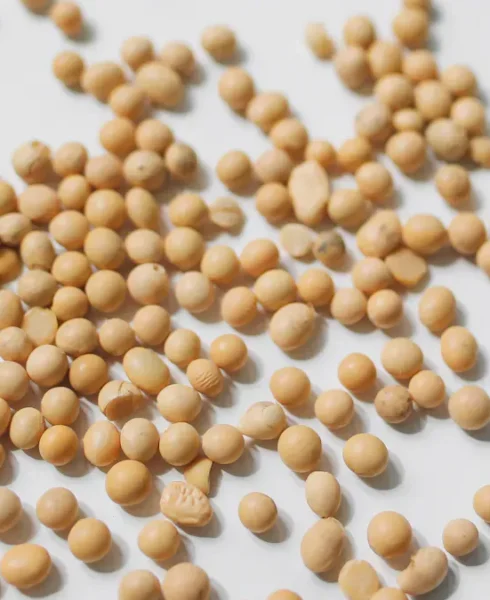
Soy protein comes from soybeans. Producers extract the protein by removing the fat and fiber. You find soy protein in two main forms: concentrate and isolate. Isolate has more protein and fewer carbs. Soy protein gives you all nine essential amino acids. Many athletes and people who want to build muscle choose soy protein. You can use it if you eat plant-based foods or follow a vegetarian or vegan diet.
Pea Protein Source
Pea protein comes from yellow split peas. You see two main steps in the extraction process. First, producers dry and grind the peas into powder. Next, they mix the powder with water to separate the fiber and starch. You get pea protein in concentrate or isolate forms. Isolate has more protein. Pea protein is free from major allergens. You get all nine essential amino acids. If you have allergies or want a plant-based protein, pea protein is a safe choice.
Tip: Pea protein works well for people with soy or dairy allergies. You can add it to shakes, oatmeal, or baked snacks.
How Protein Powders Are Made
You see a similar process for most plant-based protein powders. Producers start by drying and grinding the source, such as peanuts, soybeans, or peas. They use water to separate the protein from fiber and starch. Some powders go through extra steps to make isolates with higher protein content. You get a clean, easy-to-use plant protein for your meals and shakes.
Nutritional Comparison of Protein Powders
When you pick a protein powder, you want to know what is inside. Each kind has its own mix of nutrients. You can look at things like protein, amino acids, calories, fats, carbs, and vitamins to compare them.
Protein Content and Amino Acids
Your body needs enough protein to build muscle and stay strong. Soy protein has a lot of protein and all the important amino acids. This helps your muscles heal and grow. Pea protein has about 20-25% protein. It helps you feel full and helps your muscles too. But pea protein does not have as much methionine, which is an important amino acid. Peanut protein powder also gives you protein, but the amount can be different for each brand. Most plant-based protein powders have a mix of amino acids. Only soy protein has all the amino acids your body needs.
Tip: If you want all the amino acids, soy protein is the best. If you want a plant protein with fewer allergens, pea protein is a good choice.
Calories, Fats, and Carbs
You might want to eat less calories or watch your fats and carbs. Each protein powder has its own nutrition facts. Here is a quick chart that shows calories, fats, and carbs for each type:
Protein Type | Calories | Total Fat | Total Carbohydrates |
|---|---|---|---|
Pea Protein | 80 | 2 g | 1 g |
Soy Protein | 120 | 1 g | 3 g |
Peanut Protein | Varies | Varies | Varies |
Pea protein has less calories and fat than soy protein. Soy protein has a little more calories and carbs. Peanut protein powder can be very different, so always check the label before you buy it.
Vitamins and Minerals
Protein powders give you more than just protein. Soy protein has lots of B vitamins and minerals. It also has phytoestrogens, which are plant parts that may help your health. Pea protein is easy to use and helps you feel full. It also helps your muscles. Peanut protein powder can have some minerals, but the amount can change. Most plant-based protein powders have low saturated fat, which is good for your heart.
Note: If you want more vitamins and minerals, soy protein has more than most other kinds.
Nutrition Table
This table shows the main differences. You can see protein, amino acids, and other nutrients for each type:
Protein Source | Protein Content | Amino Acids Profile | Other Nutrients |
|---|---|---|---|
Soy Protein | High | Complete amino acids | Rich in B vitamins, minerals, and phytoestrogens; low in saturated fat |
Pea Protein | 20-25% | Low in methionine | Versatile in food products; promotes muscle gains and satiety |
Peanut Protein Powder | Varies | Varies | May contain minerals; check label for details |
You can use this table to help you pick the right protein powder. If you want all the amino acids, soy protein is a great choice. If you want less allergens and lower calories, pea protein is a smart pick. Peanut protein powder tastes mild and is easy to digest, but always check the nutrition label.
Remember: Always read the nutrition facts on your protein powders. Brands can change their recipes, so the numbers might not always be the same as what you see here.
Benefits and Drawbacks of Each Protein Powder
Peanut Protein Powder: Pros & Cons
Peanut protein powder tastes mild and is easy to digest. Many people like it in shakes and baked goods. It gives you plant-based protein for muscle growth. Older adults who use it with exercise get stronger muscles. Peanuts help your heart because they have healthy fats. This can lower your chance of heart disease.
But you need to be careful. Some people are allergic to peanuts. If you have a peanut allergy, do not use peanut protein powder. You should always check the label for safety. Look for brands that test for heavy metals. Lead can hurt your health. Pick supplements that do proper testing.
Note: Peanut protein powder is good for health, but check for allergies and safety before using it.
Soy Protein: Health Effects
Soy protein has all the amino acids you need. It helps your muscles and helps you recover after exercise. Many people use soy protein for fitness and building muscle. Studies show soy protein can lower bad cholesterol. The FDA says soy protein may lower heart disease risk. You might see lower cholesterol if you use soy protein often.
Soy protein lowers bad cholesterol.
It can help your heart.
Some studies show different results, so watch how much you use.
Soy protein is plant-based and works for vegans and vegetarians. You need to think about safety. Some powders may have heavy metals. Look for brands that test for heavy metals. Lead can harm your health. Always check for testing before buying supplements.
Pea Protein: Digestibility & Allergies
Pea protein is healthy and does not cause many allergies. You can pick pea protein if you want fewer allergy risks. Many people use pea protein in shakes and recipes. Pea protein is good for people with soy or dairy allergies.
Pea protein mixes well in drinks.
It helps with texture in foods.
Pea protein is good for the planet.
Some people can still be allergic to pea protein. Proteins like vicilin and nsLTP can cause allergies. Pea protein is hard to digest, which can affect allergies. Always check for safety and testing. Some powders may have heavy metals. Pick brands that test for lead and other metals.
Tip: Pea protein is safe and has fewer allergens. Always check for safety and testing before using protein supplements.
Sustainability Factors
Plant-based protein powders help the earth. Soy and pea protein use fewer resources than animal proteins. They help protect the environment. Pea protein is good for health and the planet. Peanut protein powder also comes from plants, but check for safety and testing.
Plant-based protein powders save resources.
They help you use less animal products.
Soy and pea protein help make food systems better.
You help the planet when you pick plant-based protein powders. Always think about safety and testing when you choose your protein.
Remember: Plant-based protein powders are good for you and the planet. Always check for safety and testing before you use them.
Taste, Texture, and Mixability
Flavor Profiles
You want your protein powder to taste good. Each type has a different flavor. Many people say soy protein tastes neutral. You can mix it with fruit or cocoa, and it does not change the taste much. Pea protein has a strong flavor. Some brands add sweeteners to make it taste better. Peanut protein powder tastes mild and nutty. You might like it in shakes or baked snacks.
Here is a quick look at how taste tests and reviews rate the flavors:
Protein Source | Flavor Profile | Notes |
|---|---|---|
Soy | Neutral-tasting | High in nutrients, common allergen |
Pea | Strong flavor | Often has added sweeteners, complete protein |
Peanut | Mild, nutty | Easy to digest, good in shakes and recipes |
Tip: If you want a powder that does not change the taste of your drink, try soy protein. If you like a nutty flavor, peanut protein powder is a good choice.
Texture in Shakes
Texture matters when you mix protein powder into shakes. You want a smooth drink that feels good. Pea protein powder blends easily and gives a smooth texture. You can add it to smoothies with fruit or milk. It works well with many ingredients. Peanut protein powder also mixes well and does not feel gritty. Soy protein makes shakes creamy and smooth.
Pea protein powder blends smoothly into shakes and smoothies.
You can digest it easily and use it with many smoothie ingredients.
Mixing different plant proteins can make your shake creamier.
Note: If you want a creamy shake, try mixing pea protein with other plant proteins.
Mixability in Recipes
You can use protein powder in more than just shakes. You can add it to oatmeal, pancakes, or baked goods. Soy protein mixes well in recipes and does not change the texture much. Pea protein works in muffins and bars, but you might notice its flavor. Peanut protein powder adds a nutty taste to cookies and energy bites. You can use these powders to boost the protein in your snacks and meals.
Add protein powder to oatmeal for extra nutrition.
Mix it into pancake batter for a protein-rich breakfast.
Use peanut protein powder in baked snacks for a mild, nutty flavor.
Tip: Always start with a small amount of protein powder in recipes. You can add more if you like the taste and texture.
Best Uses for Protein Powders and Shakes
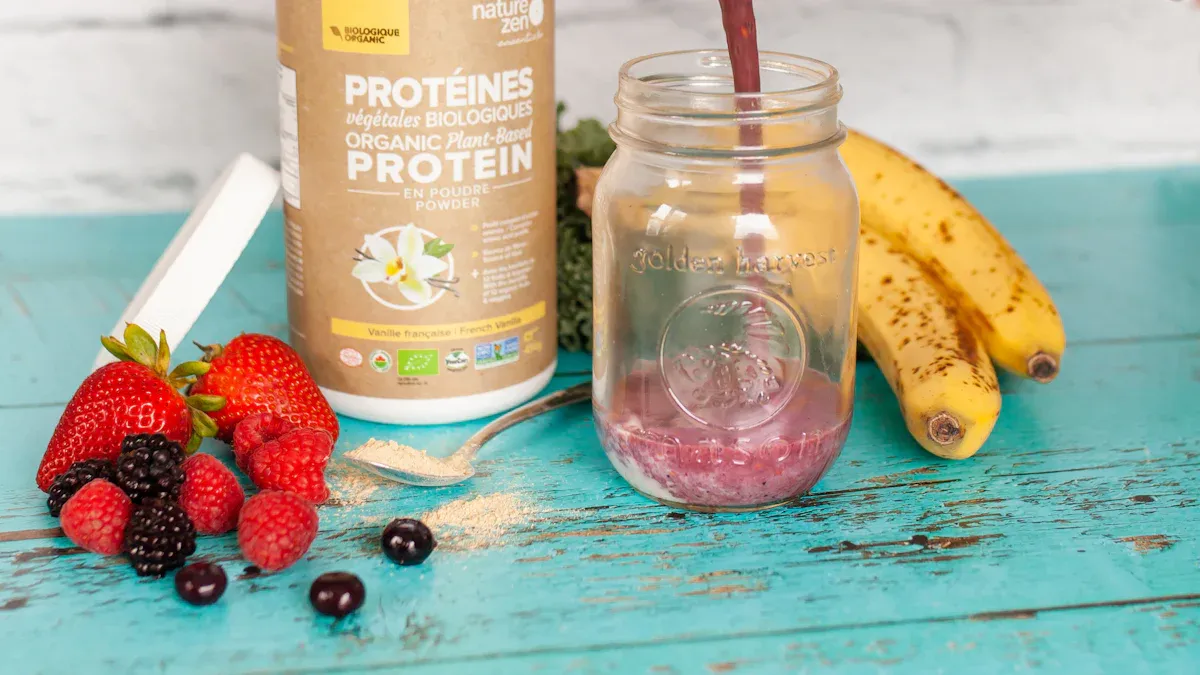
Fitness and Muscle Building
Protein powders and shakes help your muscles grow. They also help your muscles heal after you exercise. Plant-based protein supplements give you important nutrients for fitness. Pea protein has a lot of fiber and not much fat. This helps you build muscle and stay healthy. Peanut protein has important amino acids. It helps your muscles get stronger. Soy protein helps your body make new muscle tissue. It works well after you work out. Soy-based protein is easy to digest, which is good for athletes. You should always check for safety and testing when you pick protein supplements. Look for brands that test for heavy metals and lead. This helps keep you safe.
Pea protein helps muscles grow and is easy to digest.
Peanut protein has strong amino acids for fitness.
Soy protein helps with muscle recovery and building.
Allergies and Dietary Restrictions
Some people need protein powders that fit their diet. Pea protein is hypoallergenic. It works for gluten-free, nut-free, and soy-free diets. Soy protein is a big allergen, so it does not work for everyone. Peanut protein is not safe if you have a peanut allergy. Always check for food safety and testing before you buy. Pick products that test for heavy metals and have low lead.
Allergen Status | Dietary Restrictions Accommodated | |
|---|---|---|
Pea Protein | Hypoallergenic | Gluten-free, Nut-free, Soy-free |
Soy Protein | Major allergen | Not suitable for soy-free diets |
Whey Protein | Contains lactose (milk) | Not suitable for dairy-free diets |
Tip: If you have allergies, pea protein is a safe pick. Always check for food safety and testing.
Vegan and Vegetarian Options
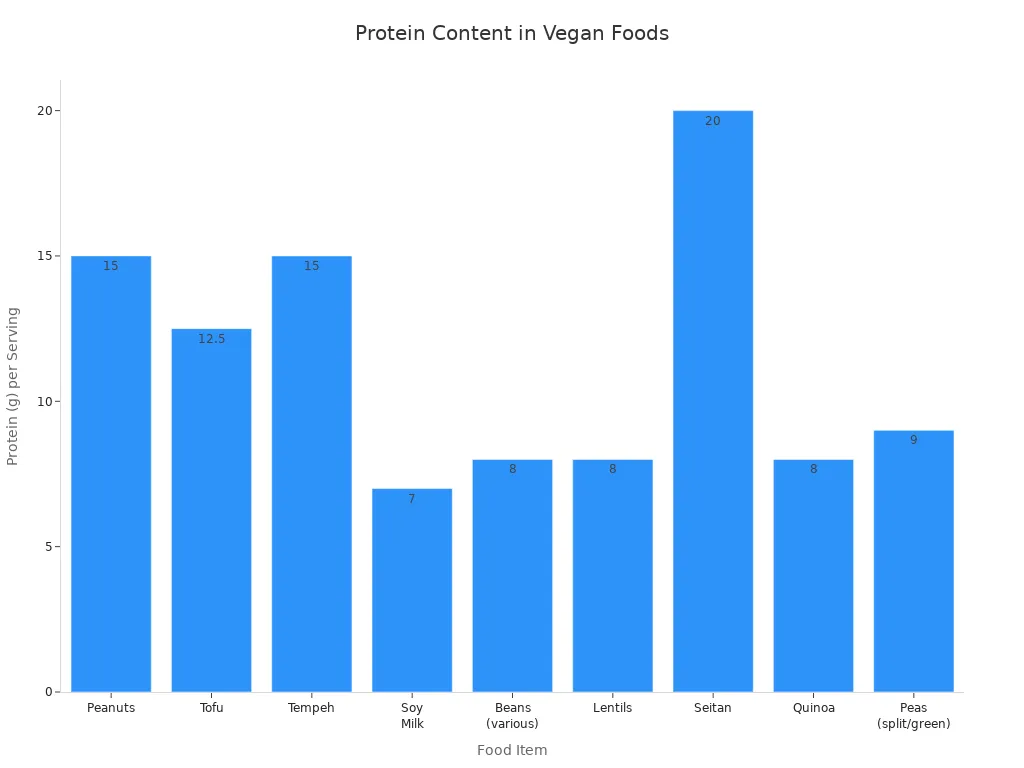
You can use plant-based protein powders if you are vegan or vegetarian. Pea protein, soy protein, and peanut protein all come from plants. These fit vegan and vegetarian diets. You can get enough protein from foods like peanuts, tofu, tempeh, beans, lentils, and peas. These supplements help you meet your protein needs without animal foods.
Note: Plant-based protein powders are good for vegan and vegetarian diets. Always check for safety and testing to avoid lead.
Weight Loss Support
You might use protein powders and shakes to help with weight loss. Pea protein and soy protein can help you feel full. But studies show they do not change how much you eat or your weight much. Peanut protein also helps you feel full, but it does not cause big weight changes. You should focus on health and safety when using supplements for weight loss. Always check for food safety and testing to avoid heavy metals.
Everyday Nutrition
You can add protein powders and shakes to your meals for better nutrition. Plant-based protein supplements help you get enough protein each day. These fit many diets and support your health. Always check for safety and testing before you buy. Pick products with low lead and heavy metal testing to protect yourself and others.
Callout: You help your health and protect yourself from lead when you pick safe, tested protein powders.
How to Use Peanut, Soy, and Pea Protein
Blending Tips
You can blend protein powders into many foods and drinks. Start by adding your protein powder to a smoothie with fruits like bananas or berries. Use a blender to mix everything well. If you want a creamy shake, add a spoonful of nut butter or a splash of plant milk. For a thicker texture, use frozen fruit or a few ice cubes. You can also stir protein powder into oatmeal or yogurt. Mix slowly to avoid lumps. Try not to overheat your protein powder in recipes, as this helps keep the nutrients.
Tip: Mix your protein powder with a little liquid first to make a smooth paste, then add the rest of your ingredients.
Recipe Ideas
You can add protein to your meals in many ways. Try these ideas to get more nutrition:
Blend protein powder into your morning oatmeal with Greek yogurt and nuts.
Add protein powder to pancake or waffle batter for a high-protein breakfast.
Stir protein powder into soups or stews for extra protein.
Make energy bites by mixing peanut protein powder with oats, honey, and seeds.
Use pea protein in homemade veggie burgers for a plant-based meal.
Pair your protein with whole grains and vegetables for a balanced plate. This helps your body get all the nutrients it needs.
Serving Suggestions
You can enjoy protein at any meal. Here are some ideas for adding protein to your day:
Meal Type | Example Dish | Protein Content (grams) |
|---|---|---|
Breakfast | Tofu scramble with 3 ounces of tofu, 1 cup of black beans, and mixed veggies | 31.27 |
Lunch | Smashed edamame toast with 1 cup of smashed edamame beans | 25.5 |
Snack | Protein smoothie with 1 cup of soy milk, 1 ounce of pea protein, and raspberries | 34.15 |
Dinner | 1.5 cups of red lentil pasta with 1 cup of mixed vegetables | 31 |
You can see how much protein you get from each meal. Try to include protein in every meal for steady energy.
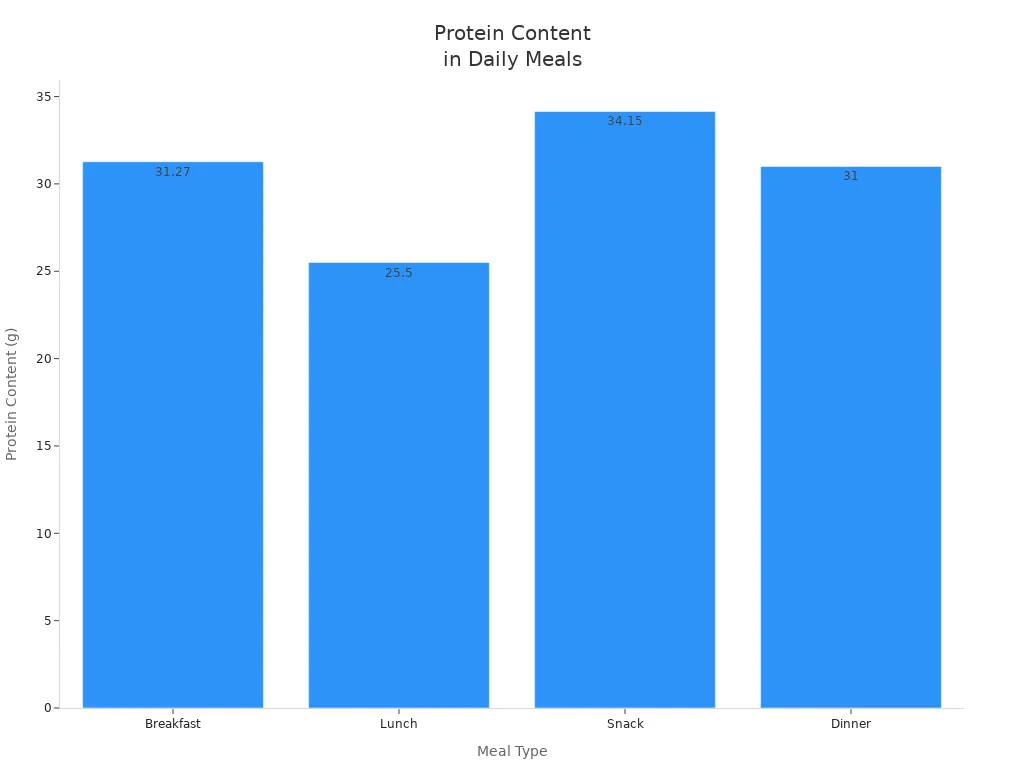
Note: You can use pea protein, soy protein, or peanut protein in shakes, baked goods, or main dishes. This helps you meet your daily protein needs.
You can tell that protein powders and shakes are different. The table below helps you compare pea protein and soy protein for health, safety, and the environment:
Feature | Pea Protein | Soy Protein |
|---|---|---|
Amino Acid Profile | Complete, but has less methionine | Complete, but phytic acid can lower absorption |
Muscle Growth | Works as well as whey | Not as good because of anti-nutrients |
Allergens | Not likely to cause allergies | Often causes allergies |
Environmental Impact | Better for the planet | Not as good for the planet |
Pick your protein powder based on what you need:
Pea protein is a good pick if you want plant protein and fewer allergy risks.
Soy protein is best for building muscle because it has all the amino acids.
Peanut protein powder tastes mild and is easy to digest.
Always check for food safety and testing. Look for low lead levels. This keeps you healthy. Read labels and choose safe protein powders and shakes. Plant-based options help your health and the earth. Learn more and pick what works for you.
FAQ
What is the best plant protein for people with allergies?
You should choose pea protein. It has low allergenicity and works for most diets. Pea protein does not contain common allergens like soy or peanuts. Always check labels for safety.
Can protein shakes contain high levels of lead?
Some protein shakes may have high levels of lead. You should look for brands that test for heavy metals in protein. Always read the label and check for safety certifications.
How do I know if my protein powder has high protein content?
You can check the nutrition label. Look for grams of protein per serving. Soy protein and pea protein usually offer high protein content. Peanut protein varies, so compare different brands.
Are there risks with heavy metals in protein powders?
You may find heavy metals in protein powders if brands do not test ingredients. A protein powder investigation can help you choose safe products. Pick powders with third-party testing for safety.
What are the main protein sources for vegan protein shakes?
You can use soy, pea, and peanut protein as main protein sources. These plant protein powders work well in vegan protein shakes. They help you meet your nutrition goals.