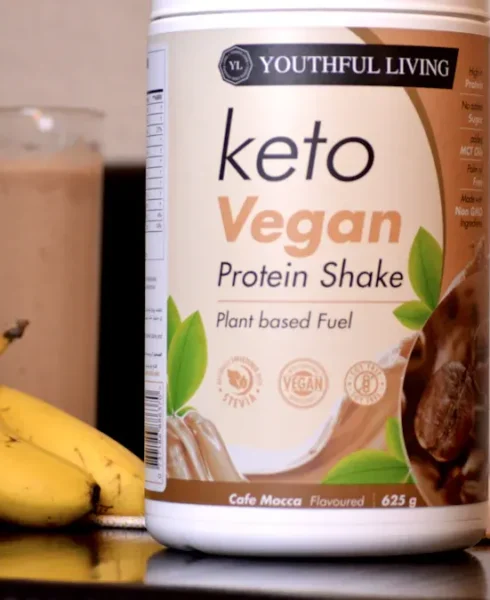
You will notice a clear difference when tasting malic acid and citric acid. Malic acid gives a sharp, tart flavor, while citric acid tastes more mildly sour. The way your mouth senses sourness depends on the acid’s chemical structure and the number of carboxyl groups. Citric acid stands out as the top choice in the food industry because it keeps foods fresh longer and works well in drinks and snacks. You might pick malic acid if you want to make pea protein taste less bitter or adjust pH in special recipes.
Key Takeaways
Malic acid gives a smooth and mild tart taste. Citric acid makes food taste very sour and sharp. Pick the one that fits the flavor you want.
People in the food industry like citric acid. It helps keep food fresh and makes drinks and snacks taste better. Use citric acid if you want food to last longer.
Malic acid is good for candies and baked goods. It can hide bitter flavors and gives a gentle tart taste. It is best for recipes that need a softer flavor.
You can use both acids together for a balanced taste. Try using small amounts to see what tastes best in your recipes.
Always think about how acidic you want your food to be. Choose malic or citric acid based on your food’s flavor and texture needs.
Comparison Table
Key Points
It is important to look at malic acid and citric acid before you pick one. Both acids have special things about them. These things change how they taste and how sour they are. They also change how you use them in food. The table below shows the main differences. You can see them side by side.
Property | Malic Acid | Citric Acid |
|---|---|---|
Taste/Flavor | Sour, tart, smooth, mild tartness | Sharp, tangy, intense sourness |
pH | Typically 3.0 – 3.5 | Typically 2.2 – 2.4 |
Sources | Apples, cherries, peaches, and other fruits and vegetables | Citrus fruits, and some berries and vegetables |
Common Uses | Candies, jams, jellies, baked goods, pea protein | Soft drinks, juices, candies, preserves, snacks |
Industry Preference | Used for specific flavor needs and protein masking | Preferred for general food processing and preservation |
Malic acid tastes smooth and not too sour. Citric acid tastes much sharper and more sour. Malic acid comes from apples, cherries, and peaches. It is also found in many other fruits and vegetables. Citric acid is mostly in citrus fruits like lemons and oranges. You can also find it in some berries and vegetables.
Malic acid is good for candies, jams, and baked goods. It helps hide bitter flavors in pea protein. Citric acid is used in soft drinks, juices, and snacks. Food makers like citric acid because it keeps food fresh and tasty.
Tip: Pick malic acid for a gentle tart taste. Choose citric acid if you want strong sourness and longer freshness.
This table makes it easy to choose the right acid. Use it when you plan your next food recipe.
Properties & Taste

Acidity Levels
When you look at malic acid and citric acid, you can see they are different. Acidity changes how sour food tastes. It also changes how food acts in recipes. Both acids have their own chemical structures. This makes their acidity and use in food different.
Acid | Number of Carboxylic Groups | pH Level | |
|---|---|---|---|
Malic Acid | 134.09 | 2 | 3.4 |
Citric Acid | 192 | 3 | N/A |
Malic acid has two carboxylic groups. Citric acid has three carboxylic groups. This makes citric acid stronger and more acidic. You can see this when you look at their pH in water.
Acid | Formula | Mean pH | |
|---|---|---|---|
Citric | C6H8O7 | 1.88–4.32 | 2.88 |
Malic | C4H6O5 | 1.99–4.44 | 3.17 |
Citric acid usually has a lower pH than malic acid. This means citric acid makes food taste more sour. It also helps food last longer. You often find citric acid in drinks and snacks. It gives a strong, tangy taste and keeps food fresh.
Note: Pick malic acid if you want a softer sour taste. Choose citric acid for a sharper, stronger sour flavor.
Flavor Profile
Taste is important when picking between malic acid and citric acid. Each acid gives a different kind of sourness and feel in your mouth.
Acid Type | Sourness Index (AI) |
|---|---|
Citric Acid | 1 |
Malic Acid | 0.74 |
Fumaric Acid | 0.77 |
Lactic Acid | 1.31 |
Tartaric Acid | 1.21 |

Citric acid has a higher sourness index than malic acid. You will taste a sharper sourness with citric acid. Malic acid gives a smoother, longer tart taste that is less harsh. This is why malic acid is used in candies and fruit drinks. It gives a gentle, lasting tart flavor.
Malic acid can also hide bitter flavors. This is helpful in foods like pea protein or some baked goods. Citric acid is used in sodas and juices. It gives a bold, fresh tang.
Tip: Use malic acid for candy with a long, mellow tartness. Pick citric acid for drinks that need a crisp, bright sour taste.
People like different acids for different foods. Many like citric acid in drinks and snacks because it tastes fresh. Others like malic acid in candy, baked goods, and special foods. It gives a smooth tartness and helps balance flavors.
Food Applications

Beverages
Citric acid is in many drinks like sodas and juices. It gives drinks a strong, tangy taste. It also helps keep drinks fresh for longer. Citric acid controls the acid level in drinks. It makes antioxidants work better and boosts the smell. It balances out sweetness and gives a crisp finish.
Malic acid is used in drinks too. It gives a gentle tartness and a little sweetness. Many flavored beers and some drinks use malic acid. It helps bring out natural flavors. Sometimes, both acids are used together. This mix makes the taste more interesting and enjoyable.
Here is a quick list of products that use each acid:
Acid Type | Common Products |
|---|---|
Citric Acid | Beverages, powdered drink mixes, candies, jams, jellies |
Malic Acid | Sour confectionery, desserts, preserves, flavored beers |
Tip: Pick citric acid for a bold, tangy drink. Choose malic acid for a smoother, longer tart taste.
Baked Goods
Both acids can make baked goods better. Citric acid helps yeast work and makes bread rise higher. It also makes bread softer and nicer to eat. If you add 0.3% citric acid to dough, bread gets lighter and fluffier.
Malic acid works as an antioxidant in baked goods. It keeps color and flavor fresh. Encapsulated malic acid helps make more gas during baking. This gives a bigger final product. Both acids break down proteins and starches in dough. This change gives more free amino groups and sugars. It helps improve the quality of baked goods.
Acid Type | Effect on Texture and Leavening |
|---|---|
Citric Acid | Makes gluten work better and improves texture; encapsulation keeps texture stable when wet. |
Malic Acid | Acts as an antioxidant; encapsulation helps make more gas, so baked goods get bigger. |
You can use these acids to help your baked goods rise and taste better.
Processed Foods
Citric acid and malic acid help processed foods taste good and last longer. Citric acid is found in jams, jellies, dairy, and candies. It boosts flavor, keeps food safe, and helps color and texture stay the same. Citric acid slows down bacteria, mold, and yeast. This keeps food fresh for more time.
Malic acid is used in fruit-flavored foods, wine, and low-sugar items. It gives a longer tart taste and makes low-sugar foods taste better. Malic acid makes fruit flavors stronger and helps balance sweetness.
Acid Type | Uses in Processed Foods | Functions |
|---|---|---|
Citric Acid | Beverages, Confectionery, Jams and jellies, Dairy products | Flavor boost, keeps food safe, antioxidant, controls pH |
Malic Acid | Fruit-flavored products, Wine, Low-sugar products | Flavor boost, longer tartness, makes low-sugar foods taste better |
Citric acid keeps food safe by stopping germs and mold.
It helps food keep its color and texture.
Malic acid gives a nice tartness and works well in healthier, low-sugar foods.
Make Pea Protein
Both acids can make pea protein taste better. Pea protein often tastes earthy and strong. Malic acid helps cover up these flavors. It gives pea protein a smoother, better taste. Citric acid also makes pea protein taste and feel better.
During fermentation, malic acid and citric acid form naturally. They help make pea protein less bitter and more pleasant. Lactic acid can help too, but malic acid and citric acid are most important for flavor.
Organic Acid | Effect on Pea Protein Products |
|---|---|
Malic Acid | Makes flavor better and hides bad tastes |
Citric Acid | Improves overall taste and feel |
Malic acid and citric acid help pea protein foods taste better.
They cut down on bad flavors and improve texture.
You can use these acids to make pea protein snacks, shakes, and meat alternatives taste good.
If you want pea protein foods that people like, try adding malic acid or citric acid. You will see a big change in taste and quality.
Functional Benefits
Preservation
You can use both malic acid and citric acid to help preserve food. These acids lower the pH of foods, which makes it harder for bacteria and mold to grow. Citric acid drops the pH more than malic acid, so it works better for keeping foods safe and fresh. Both acids also increase lactic acid in foods, which helps with preservation. When you add either acid, you also see a drop in ammonia-N content. This means nutrients stay in the food longer.
Acid Type | pH Level | Lactic Acid Content | Ammonia-N Content |
|---|---|---|---|
Citric Acid | Lower | Higher | Lowest observed |
Malic Acid | Slightly higher | Higher | Lower than control |
Citric acid lowers pH more than malic acid.
Both acids help keep nutrients in food.
You get better shelf life and safety with these acids.
Solubility
Solubility tells you how well an acid mixes with water. Citric acid dissolves better than malic acid. This makes citric acid a top choice for drinks, syrups, and liquid foods. You can mix it in easily, and it will not leave any gritty texture.
Acid | Solubility (g/L) |
|---|---|
Citric acid | 960.0 |
Malic acid | 845.0 |
If you want to make pea protein drinks or shakes, citric acid will blend in quickly. Malic acid still works well, but it may take a bit more stirring.
Stability
You want your food to last and taste good. Both acids help with this. Citric acid and malic acid improve the shelf life and flavor of packaged foods. When you use them together, you get even better results. They keep foods like orange juice fresh and tasty for longer. Malic acid also helps keep flavors strong, even at low levels. It can make gels more elastic and stable, which is great for jams and jellies.
Malic acid is very hygroscopic, so it can pull in water from the air. This can cause lumping in dry mixes. To avoid this, you can use encapsulated malic acid. Citric acid does not have this problem as much.
Tip: For dry mixes, use encapsulated malic acid to stop clumping and browning.
You can use both acids to make pea protein foods last longer and taste better. They help keep the texture and flavor just right.
Safety & Diet
Health Aspects
You may wonder if malic acid and citric acid are safe. Both acids help your body in important ways. They help you get energy from food. They also help your body take in minerals better. You can find these acids in many fruits and vegetables. Most people can eat them safely in normal amounts.
Here is a table with some health benefits and possible side effects:
Health Benefit | Description |
|---|---|
Energy Metabolism | Helps your body turn food into energy using the citric acid cycle. |
Nutrient Absorption | Helps your body take in minerals like calcium and magnesium. |
Kidney Stone Prevention | May help stop and break down kidney stones. |
Safety | Usually safe, but rare allergic reactions can happen. |
Health Effect | Description |
|---|---|
Side Effects | Pure acid can irritate your skin or eyes. |
Safety | Safe in food amounts; may be safe for medicine use up to 6 months. |
Blood Pressure | May lower blood pressure; be careful if you take blood pressure medicine. |
Note: Always use these acids in the right amounts. If you have allergies or take blood pressure medicine, ask your doctor before using a lot.
Dietary Suitability
You can use malic acid and citric acid in many diets. Malic acid comes from fruit, so it is good for vegans. Both acids do not have gluten, so they are fine for gluten-free foods. They are also safe for people with common food allergies.
Malic acid is okay for gluten-free diets.
Citric acid works for vegan and allergen-free diets.
Both acids fit plant-based and clean eating plans.
There are also rules for using citric acid in foods. For example:
In fresh blood of livestock: Use up to 0.2% with or without water.
In cured pork cuts: Use no more than 30% in water for spraying before packing.
In cured meat products: Allowed in a 10% solution for spraying, replacing up to half of some acids.
Tip: You can use malic acid and citric acid in most diets. Always check food labels and follow food safety rules.
Choosing the Acid
Factors to Consider
When you choose between malic acid and citric acid, you need to think about how each one works in your recipe. Each acid brings something different to your food. You can use the table below to help you decide which acid fits your needs best.
Factor | Citric Acid | Malic Acid |
|---|---|---|
Acidity | More acidic, stronger sour taste | Milder taste |
Usage | Widely used in the food industry | Used selectively in certain applications |
Chemical Structure | Three carboxylic acid groups | Two carboxylic acid groups |
Bonding Capability | Can form stronger bonds, useful as a chelating agent | Simpler structure, improves texture of some foods |
You might pick citric acid if you want a strong sour flavor or need to keep food fresh for a long time. Citric acid works well in drinks, candies, and snacks. Malic acid gives a smoother tartness and can help improve the texture of foods. If you want to make pea protein taste better, malic acid can help mask bitter notes.
Tip: Always match the acid to your food’s flavor and texture goals. Think about how sour you want your product to taste and how long you want it to last.
Substitution Tips
Sometimes you may want to swap one acid for another. You can do this, but you need to know how each acid acts in your recipe.
You can use malic acid to copy the sweet-tart taste of apples or pears.
Malic acid powder is easy to use in homemade sodas or preserves.
If you want to make pea protein foods taste better, try using malic acid instead of citric acid for a smoother finish.
When you replace citric acid with malic acid, start with a smaller amount. Malic acid is less sour, so you may need to adjust the quantity to get the taste you want.
Remember, always taste your food as you go. Small changes in acid can make a big difference in flavor and texture.
You can easily tell malic acid and citric acid apart. Citric acid makes food taste very sour and helps it stay fresh longer, so most companies use it. Malic acid is better if you want a softer tart flavor or need to hide bitter tastes. The table below shows how even small changes in which acid you use can change the taste and if people like the food:
Study | Findings |
|---|---|
Chung & Vickers (2007a) | Even little changes in the recipe can affect if people like the food over time. |
Kinnear (2008) | Malic acid and other acidulants can taste just as sour as citric acid, even when you use less. |
Berry (2001), Giese (1995) | Small taste differences between acidulants are easier to notice after trying them many times. |
Köster et al. (2002) | You may only notice taste differences after eating the food a few times. |
Stein et al. (2003) | Tasting food again and again can change how you feel about its flavor and make you like it more. |
One study on apples showed both acids are important for how sour fruit is. You should test different acids in your recipes to find the best taste and texture for your food.
FAQ
What foods commonly contain malic acid or citric acid?
You often find citric acid in sodas, juices, and candies. Malic acid appears in sour candies, jams, and some baked goods. Both acids help improve taste and shelf life in many processed foods.
Can you use malic acid and citric acid together?
Yes, you can use both acids in one recipe. This mix can create a more balanced sour taste. You might notice a smoother flavor and better shelf life in your food.
Are malic acid and citric acid safe for kids?
You can safely eat foods with malic acid or citric acid. These acids come from fruits and are approved for use in food. Always use them in the right amounts.
How do you store malic acid and citric acid at home?
Store both acids in a cool, dry place. Keep the containers tightly closed. This helps prevent clumping and keeps the acids fresh for longer.