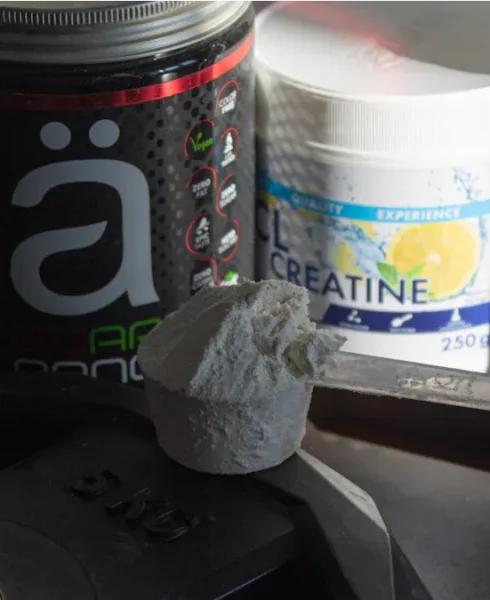
Malic acid and citric acid change how foods taste and how sour they are. Each one does something special. Malic acid is used a lot in sour candy and flavored beers. It makes things taste better and hides bitter flavors. Citric acid is in citrus fruits. It gives a stronger sour taste and also hides bitterness well. Food makers use malic acid in more than 60% of acidulant uses. Citric acid is cheaper and has been used for a long time.
Aspect | Malic Acid | Citric Acid |
|---|---|---|
Sourness | Lower, lasts longer | Higher, quick burst |
Main Uses | Sweets, preserves, drinks | Citrus drinks, candies |
Key Takeaways
Malic acid makes foods taste sour in a smooth way. The sour taste lasts longer. Citric acid gives foods a sharp and quick sour taste.
Food makers use malic acid in sweets and fruit drinks. It gives a softer sour taste and better flavor. Citric acid is used in citrus drinks and candies. It gives a strong sour taste and saves money.
Both acids help keep foods fresh. They control how sour the food is and stop bacteria. Citric acid is stronger and used more in preserved foods.
Using both acids together helps food makers balance sour flavors. The sour taste lasts longer in candies and drinks.
Picking malic acid or citric acid depends on taste and texture. Price and natural ingredients also matter. This helps match the food to what people want.
Chemistry and Sources
Structure
Malic acid and citric acid are made differently. Malic acid has two carboxyl groups. It can be found in two forms called l- and d-isomers. Citric acid has three carboxyl groups. It does not have an asymmetric carbon. Citric acid is more acidic than malic acid. The extra carboxyl group makes citric acid taste more sour. It also changes how citric acid works in foods.
Malic Acid | Citric Acid | |
|---|---|---|
Molecular Formula | C4H6O5 | C6H8O7 |
Molar Mass (g/mol) | 134.09 | 192 |
Number of Carboxyl Groups | 2 | 3 |
Chirality | Has an asymmetric carbon (l- and d-isomers) | No asymmetric carbon |
Acidity Influence | Lower acidity | Higher acidity |
Tip: Citric acid tastes more sour because it has more carboxyl groups. This also makes it a stronger acidulant in foods.
Natural Sources
Fruits and vegetables have malic acid and citric acid. The amount of each acid is different in every food. Some foods have more of one acid than the other.
Eggplant has mostly malic acid.
Strawberry has both acids, but more citric acid.
Blueberries have both acids, with citric acid being higher.
Sweet cherries have a lot of malic acid.
Grapes have tartaric acid, but also malic acid and citric acid.
Wild fruits like Adansonia digitata and Lannea kirkii have lots of citric acid and less malic acid.
In wild fruits from Mozambique, citric acid can be over 20 g/kg fresh weight. Malic acid is usually less than 2.1 g/kg. Pineapple, orange, grapes, and lime have high citric acid too. Pepper is special because it has lots of sugars and organic acids. This makes pepper a good source of citric acid.
Flavor and Sensory
Sourness
Malic acid and citric acid create different sour experiences in foods. Sensory studies show that malic acid gives a smoother, longer-lasting sourness. This type of sourness feels mellow and gentle. Many people describe it as a natural tartness that does not overpower other flavors. Citric acid, on the other hand, brings a sharper and more immediate tang. Its sourness is strong and quick, making it stand out in the first bite or sip. This difference shapes the sour taste profile of many foods. Malic acid works well in products that need a gentle, lasting tartness. Citric acid fits foods that need a bold, instant sour punch. These acids help food makers control the flavor profile of candies, drinks, and snacks.
Note: Malic acid can make sour candies taste tart for a longer time, while citric acid gives a fast, strong sour hit.
Texture Impact
Both acids can change the texture of foods, but they do so in different ways. Malic acid often helps foods feel smoother. It can improve the mouthfeel of fruit fillings and jams. Citric acid sometimes makes foods feel more crisp or firm. In some cases, it can even cause a slight drying effect on the tongue. When used in food flavoring, both acids can affect how creamy or juicy a product feels. For example, malic acid can make a fruit chew feel softer and more pleasant. Citric acid can add a clean, crisp finish to drinks and candies. Food scientists choose the acid that matches the texture and flavor profile they want in the final product.
Malic Acid in Foods
Uses
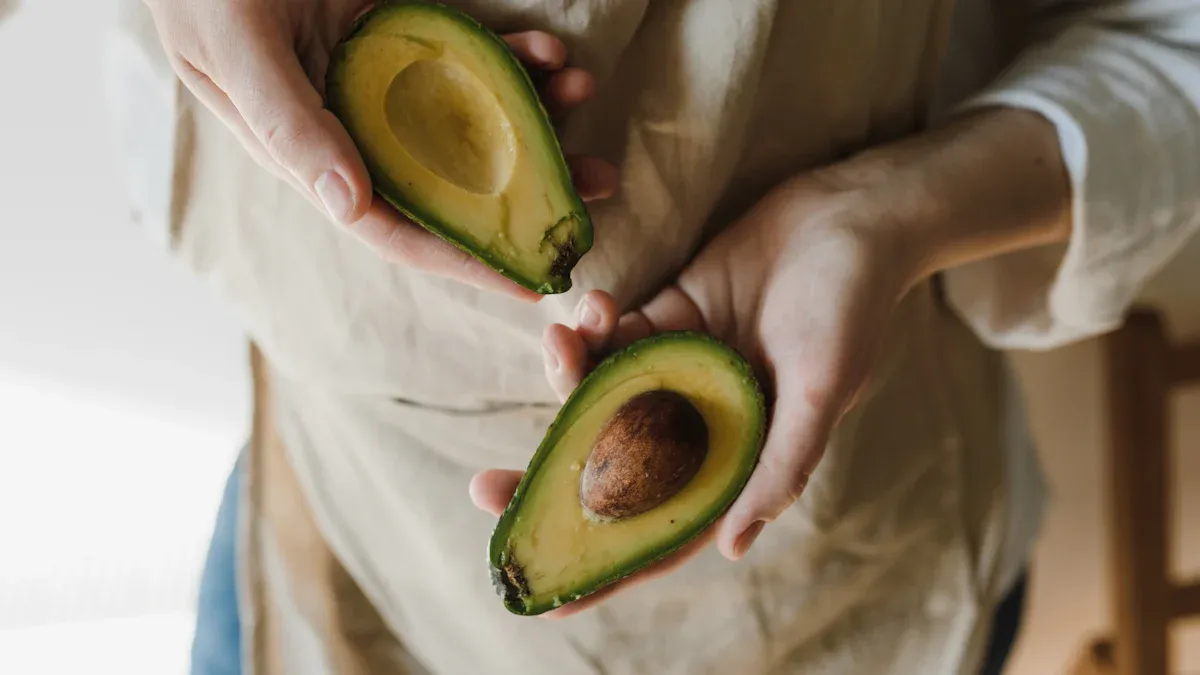
Malic acid is found in many foods and drinks. Food makers add it to make things taste better. It helps control how sour or acidic a food is. Malic acid also keeps foods fresh for longer. You can find it in fruit juices, jams, candies, and wines. The beverage industry uses malic acid in more than half of its sour flavor needs. The food industry uses it for about 42% of its sour flavor needs. Hard candies, soft drinks, and fruit snacks often have malic acid. It hides bitter tastes and gives a tart flavor that lasts. Some companies use it in low-calorie foods because it has fewer calories than other acids.
Food Products / Industries | Usage Percentage | Reasons for Selection |
|---|---|---|
Beverage Industry | 51% | Acidulant to improve sweetness or tartness, flavor enhancement, pH adjustment, antimicrobial effects |
Food Industry | 42% | Used in fruit/vegetable juices, jams, wines, candies for flavor and preservation |
Benefits
Malic acid has many good points for food making. It helps control pH and keeps flavors stable. It also works as a preservative to slow down spoilage. Malic acid protects food from bacteria. It gives a softer and longer sour taste than citric acid. This is why it is used in sour candies and fruit drinks. Malic acid can join with metals to keep oils and foods fresh. It makes jams and jellies firmer and stops liquid from separating. Malic acid mixes easily in drinks and candies because it dissolves well. It does not break down unless cooked at high heat, so it stays stable during cooking.
Note: Malic acid is allowed as a food additive in the US, EU, and Brazil, but there may be some rules to follow.
Limitations
There are some problems when using malic acid in foods. Food makers must follow strict rules from groups like the FDA and EFSA. They need to label and test foods carefully. If they do not, they could face recalls or legal trouble. Sometimes, it is hard to get malic acid because of supply problems. Prices can go up if ingredients cost more or if there are world events. Some people want only natural or organic foods, so they avoid foods with added acids. Other acids, like citric acid, compete with malic acid. Some people worry about how malic acid is made and its effect on the environment.
Citric Acid in Foods
Uses
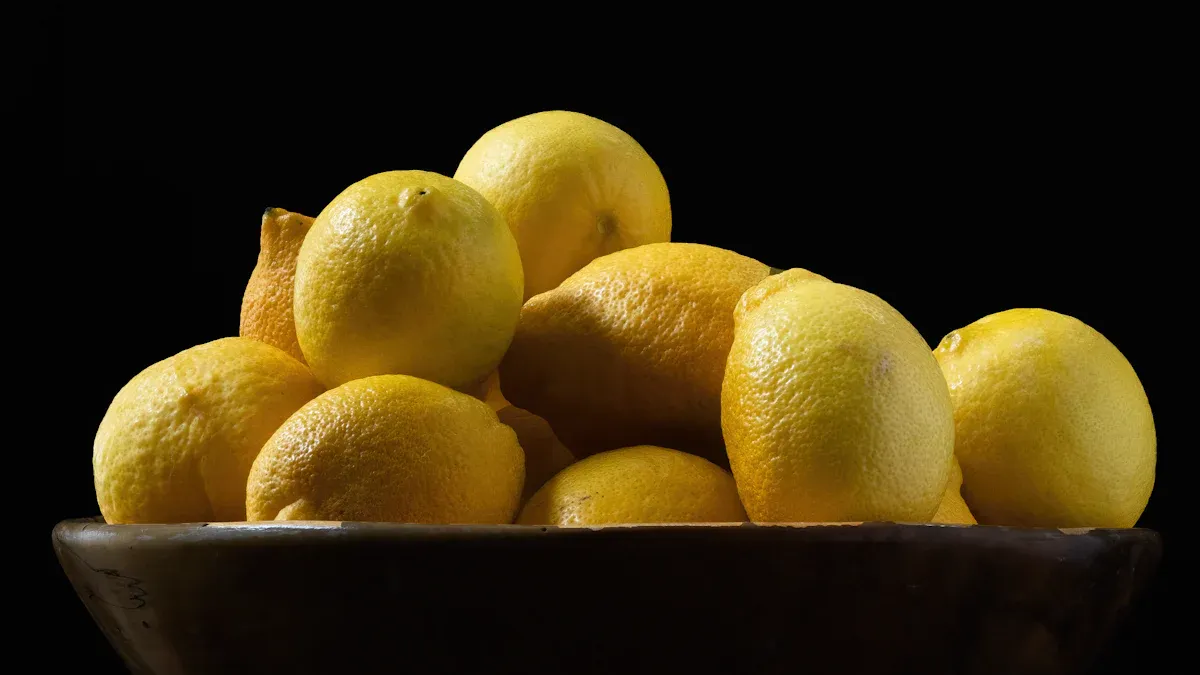
Citric acid is found in lots of foods and drinks. Food makers put it in sodas, juices, candies, and packaged foods. It gives a sharp, fruity tartness that matches fruit flavors. Citric acid helps hide bitter or bad tastes. Many companies use it because it mixes well with water. It does not change the color or smell of foods. Its strong sour taste is liked in citrus sodas and candies. Citric acid also keeps foods fresh by stopping bacteria and mold. People think it is safe and natural, so it is used in easy-to-eat foods and products with simple labels.
Benefits
Citric acid has many good points for food:
It gives a bright, citrus flavor that balances sweet and bitter.
It makes foods taste better without hiding other flavors.
It stops oxidation, so colors and flavors stay fresh.
It works in jams, jellies, canned foods, meats, and drinks.
Tip: Citric acid mixes well and stays stable when heated, so it is easy to use in sauces, marinades, and spice mixes.
The powder form lets food makers measure it exactly. This helps control how sour and fresh foods are.
Benefit | Description |
|---|---|
Preservation | |
Flavor | Adds tartness, balances sweetness, and masks off-notes. |
Baking | Helps baked goods rise by reacting with baking soda. |
pH Control | Stabilizes food systems and extends shelf life. |
Other Uses | Prevents sugar crystallization and keeps fats from separating. |
Limitations
Citric acid has some problems in food making. How well it stops browning depends on the fruit and how much is used. Some fruits need more citric acid to stop browning. Others need less. Citric acid can break down in air or without air. This can make it less stable in some foods. If too much is used in food films made from starch, the film can get weak. The acid’s buffering power drops if the pH goes below 4.76. This can limit how well it controls pH in some foods.
It can break down in different storage places, so it may not last.
Buffering drops at low pH, so it may not work in some recipes.
Note: Food makers need to test and change citric acid levels for each food to get the best results.
Food Applications Compared
Sweets and Beverages
Food makers put malic acid and citric acid in many sweets and drinks. Each acid changes taste, texture, and how long foods last in different ways.
Malic acid gives a sweeter and fruitier taste. Its pH is 3.4, so it is not as acidic as citric acid. Candy makers use malic acid in sour gummies and gummy candies. It makes candies soft and chewy. The tartness from malic acid lasts a long time. Malic acid also helps keep candies fresh.
Citric acid tastes sharper and tangier. Its pH is lower at 2.2. It makes candies and drinks taste sour right away. Citric acid makes candies firmer and more stretchy. It is cheaper and easier to get than malic acid.
In drinks, citric acid is picked for a fast, strong sour taste. It works well in sodas, fruit drinks, and teas. Malic acid gives a smoother and more natural tartness. It is used in fruit-flavored drinks to make the fruit taste stronger.
Tip: Food makers change how much acid they use to get the right sourness, texture, and shelf life. They often pick citric acid to save money and malic acid for a better flavor.
Product Type | Preferred Acid | Main Effects |
|---|---|---|
Sour gummies | Malic acid | Long-lasting tartness, soft texture |
Gummy candies | Malic acid | Fruity taste, improved shelf life |
Sodas/Teas | Citric acid | Sharp, tangy flavor, quick sourness |
Fruit drinks | Malic acid | Smooth, natural tartness |
Preserved Foods
Both acids help keep foods safe and tasty. Citric acid is used a lot to keep foods fresh. It lowers pH, which stops germs and mold from growing. Citric acid also helps jams and jellies set by helping pectin work. Many companies use citric acid in canned fruits, jams, and sauces. It gives a strong, tangy taste and helps foods last longer.
Malic acid gives a softer, apple-like tartness. It helps keep pH steady and makes flavors smooth in fruit foods. Winemakers use malic acid to make wines taste balanced and gently sour. In jams and fruit spreads, malic acid keeps the real fruit taste and helps flavors blend well.
Citric acid is used more in preserved foods because it is stronger and costs less.
Malic acid is picked when a softer, more natural tartness is wanted.
Note: Changing the type and amount of acid helps food makers control taste and safety in preserved foods.
Combined Use
Many foods use both malic acid and citric acid together. This lets food makers create more interesting flavors and control how long the sourness lasts. In sour candies, malic acid makes the sour taste stronger. Citric acid gives a sharp, punchy taste at first. Using both acids makes the sourness last longer and feel more balanced.
There is no set way to swap one acid for the other, but food makers often use more citric acid to save money and add malic acid for longer tartness.
In sour candies, both acids give a strong first sour taste from citric acid and a lasting tartness from malic acid.
In drinks and fruit foods, citric acid gives a quick tang, while malic acid smooths out the taste and boosts the fruit flavor.
New technology, like micro-encapsulation, helps control when these acids release their sourness in baked goods. Encapsulated citric acid protects texture and flavor by stopping early reactions with water. Encapsulated malic acid works as an antioxidant and helps baked goods rise better.
Callout: Using both malic acid and citric acid lets food makers adjust flavor, texture, and shelf life in many foods, from candies to baked goods.
Health and Safety
Nutrition
Malic acid and citric acid are important in many foods. They make foods taste tart and fresh. These acids come from fruits like apples and citrus. People eat them often without knowing it. They are in snacks and drinks.
Citric acid gives food a sour taste and helps keep it fresh. It stops bacteria from growing, so food lasts longer.
Citric acid also helps the body make more digestive juices. It can help the body take in iron from plants.
Malic acid gives a tart flavor, especially in apples. It makes food taste better and helps keep it safe.
Both acids help keep food tasty and safe. They also help with digestion a little bit.
People should not eat too much of these acids. Eating a lot can hurt teeth by wearing down the enamel.
Tip: Eating many kinds of fruit gives you safe amounts of malic acid and citric acid.
Safety
Groups like the FDA and EFSA say these acids are safe in foods. They do not set strict daily limits because normal use is not harmful. Both acids are called acidulants. They help with taste, texture, and pH.
Citric acid is made from a kind of mold. Some people may have allergies or reactions, but this is rare. Most people can eat foods with citric acid with no problems. Malic acid is safe for most people too. It can bother skin or eyes if touched. People who take blood pressure medicine should ask a doctor before eating a lot of malic acid, because it might lower blood pressure.
Food makers must follow rules to keep foods safe. They must store, handle, and label foods the right way.
Note: Both acids help keep food safe and fresh, but people should watch for any personal reactions.
Practical Considerations
Selection Tips
Food makers think about many things when picking an acid. They look at taste, texture, price, and how easy it is to find. The table below shows how experts compare malic acid and citric acid for different uses:
Factor | Malic Acid Details | Citric Acid Details |
|---|---|---|
Flavor Profile | Sweeter, fruitier, longer-lasting sourness | Sharper, tart citrus flavor |
Texture Effects | Softer, gummier textures | Firmer, more elastic textures |
Shelf-life | Helps improve shelf-life | Prevents spoilage |
Cost & Availability | More affordable, easier to source | |
Organic Suitability | Often synthetic, less aligned with organic | |
Application Notes | Favored for extreme sourness, masks artificial sweetener aftertaste | Valued for cost-effectiveness and strong acidity |
Tip: Many food makers use citric acid because it costs less and tastes very sour. Malic acid is picked when a longer, fruitier taste is wanted.
Formulation
When making foods, companies must see how each acid works with other ingredients. They also think about how the acids act during cooking or storage. Citric acid has three carboxyl groups. This helps it control pH and keep food safe. It works well in drinks, candies, and baked goods. Its buffering power keeps pH steady, even if recipes change.
How food is cooked or stored matters too. High heat or long storage can change how acids work. Some processing, like using strong sound waves, can help keep acid levels steady. Too much heat or storing food for a long time can lower acid and change taste.
In foods with many ingredients, citric acid sticks well to starch and other things. This makes food firmer and helps keep water out. Malic acid makes food softer and mixes well with sugar. It is good for gummies or candy on cocktail rims. Companies often use 5-15% of these acids in sugar mixes. They change the amount to get the right sour taste.
Citric acid is simple to use for pH control and works in many recipes.
Malic acid is best for foods that need a gentle, lasting tartness and soft feel.
Note: Food makers should test their recipes to find the best acid and amount for taste, texture, and shelf life.
Food makers pick citric acid because it tastes very sour. It is cheap and mixes fast in water. This can change how dough rises. Malic acid gives a softer, longer tart flavor. It works well in candy and fruit foods. People want natural ingredients and easy-to-read labels. This changes which acid companies use. The table below shows important things to think about:
Consideration | Citric Acid | Malic Acid |
|---|---|---|
High | Moderate | |
Solubility | Rapid | Moderate |
Label Acceptance | Mixed | Mixed |
Tip: Companies should pick the acid that fits the food, what people want, and how the food is made.
FAQ
What foods contain the most malic acid?
Malic acid appears in apples, cherries, and grapes. Candy makers use it in sour gummies. Winemakers add it to balance flavor. The highest levels occur in apples and cherries.
Why do food makers choose citric acid more often?
Citric acid costs less and tastes very sour. It mixes quickly in water. Food makers use it in sodas, candies, and jams. It helps keep foods fresh and safe.
Can people with allergies eat foods with these acids?
Most people eat malic acid and citric acid safely. Rarely, citric acid from mold may cause reactions. People with allergies should check food labels and ask a doctor.
Does malic acid or citric acid affect tooth health?
Both acids can wear down tooth enamel. Eating sour candies or drinks often may harm teeth. Dentists suggest rinsing with water after eating foods with these acids.
How do malic acid and citric acid change the taste of drinks?
Malic acid gives drinks a smooth, lasting tartness. Citric acid creates a sharp, quick sour taste. Beverage makers pick the acid that matches the flavor they want.