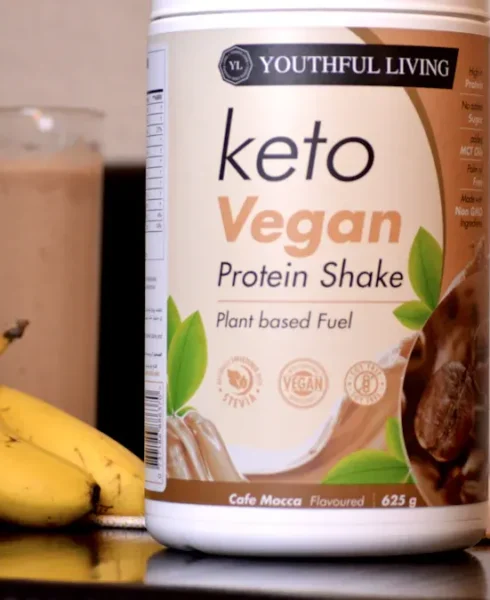
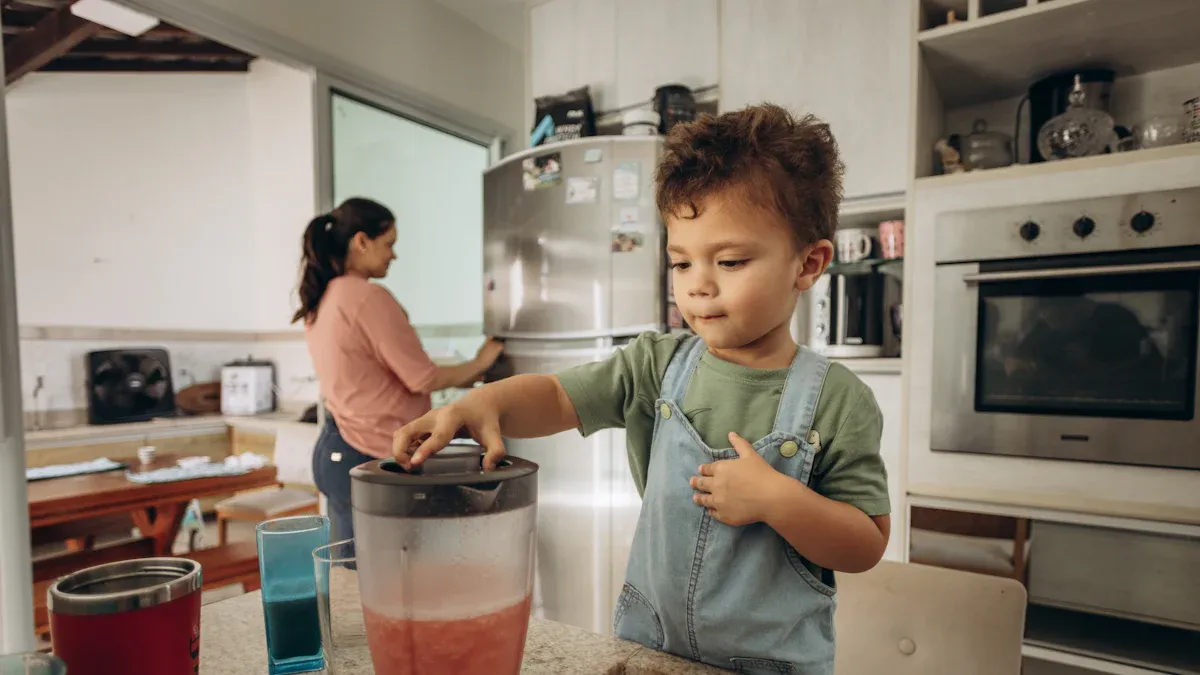
You may wonder if whey protein is safe for kids or if it is good for children. Recent trends show many children and teens use protein powders, with 40% of parents reporting their teens tried supplements last year. Most experts agree you do not need to add whey protein to your child’s diet unless a doctor recommends it. Natural foods like meat, dairy, and legumes offer plenty of protein for growth. Excessive protein can strain kidneys or lead to weight gain, so always check with your pediatrician before giving supplements.
Key Takeaways
Most kids do not need protein powder. Eating foods like meat, dairy, and beans gives enough protein. These foods help kids grow strong.
Talk to a pediatrician before giving kids protein powder. Only use it if a doctor says it is needed. This is important for kids with special diets.
Look out for allergic reactions with whey protein. Signs can be hives, swelling, or stomach problems. Stop using it and call a doctor if these happen.
Whole foods give more than just protein. They have vitamins, minerals, and fiber. Protein powders do not have these extra nutrients.
Help kids eat healthy by adding protein to every meal. Let kids help cook to make meals fun and good for them.
Whey Protein: Is It Safe for Kids?

Pediatrician Recommendations
You might wonder if whey protein is okay for kids. Most pediatricians say kids do not need protein powder unless a doctor tells you. Foods like eggs, fish, poultry, and dairy give enough protein. Dr. Danielle D. Grant says most kids get enough protein from eating a balanced diet. Always talk to your pediatrician before giving any protein powder to children.
Tip:
Before picking the best protein powder for kids, check the ingredients. Look for natural sweeteners, plant-based proteins, fiber, and extra vitamins and minerals. Kids under 2 should not use protein powder for children. Older kids can use it only if a doctor says it is safe.
Here are rules from pediatric associations:
Whey protein can help kids who need more protein, but do not use it instead of whole foods.
Use whey protein only if a doctor says so, especially for kids who play sports or have special diets.
Lean proteins like fish, eggs, and poultry are better than protein powder for children.
Use protein powder for children only sometimes and only when needed.
The best protein powder for kids is one that fits your child’s health and is approved by your pediatrician.
Milk Allergies and Intolerance
Whey protein comes from cow’s milk. If your child has a milk allergy or lactose intolerance, do not use whey protein or any protein powder for children made from milk. About 1.9% of kids in the U.S. have a milk allergy. Cow’s milk protein intolerance affects 1.9-2.8% of babies under age 2. The number drops to about 0.3% in kids older than 3.
If you want to know the risks, look at the most common bad reactions in kids who use whey protein or protein powder for children:
Adverse Reaction | Description |
|---|---|
Allergic Symptoms | Hives, rashes, face swelling, throat and tongue swelling, breathing problems |
Severe Allergic Reactions | Anaphylaxis, which is a very dangerous allergic reaction |
Digestive Issues | Problems may happen in people with lactose intolerance |
Watch for these symptoms if you try any protein powder for children. If your child has any signs of allergy or intolerance, stop using it and call your doctor right away.
Note:
The best protein powder for kids does not cause allergies and is safe for your child’s age and health. Always choose protein powder for children carefully and talk to your pediatrician first.
Do not use protein powder for children instead of whole foods. Natural foods give important nutrients and fiber that protein powder for children cannot. The best protein powder for kids is only needed in special cases, and you should always use it with a doctor’s help.
Protein for Kids: How Much Is Needed?
Daily Requirements
You may wonder how much protein your child needs each day. Health experts set clear guidelines for protein intake for children based on age and gender. Meeting these needs supports healthy growth and development. Most children in developed countries already get more than enough protein from their regular diet.
Here is a table showing the recommended daily protein intake for children:
Age (yr) | Male (g) | Female (g) |
|---|---|---|
1-3 | 13 | 13 |
4-8 | 19 | 19 |
9-13 | 34 | 34 |
14-18 | 52 | 46 |
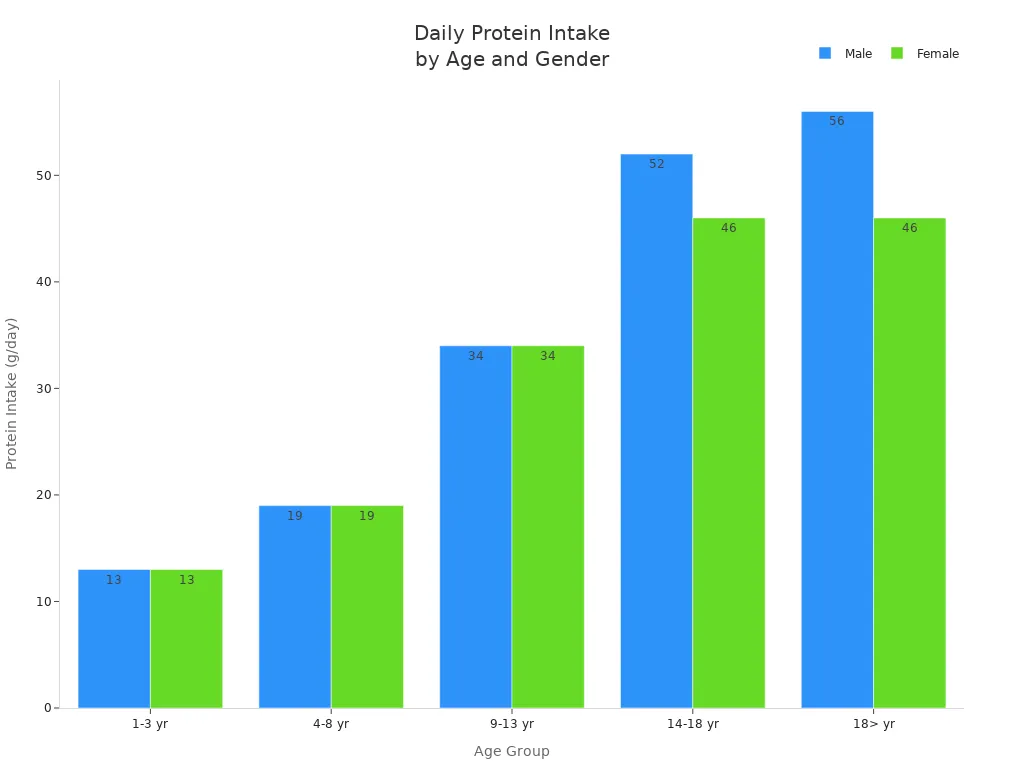
Most children actually eat two to three times more protein than these recommendations. This means you usually do not need to worry about low protein intake for children unless your doctor says otherwise.
Tip:
Focus on balanced meals instead of counting grams. Offer a variety of protein-rich foods throughout the day.
Whole Food Sources
You can help your child meet their protein needs with whole foods. These foods give important vitamins, minerals, and fiber that protein powders do not provide. Try to include a mix of animal and plant-based options.
Here are some of the best whole food sources of protein for kids:
Nut butter (4 grams per tablespoon)
Lean meats like chicken or turkey
Fish such as salmon
Legumes, including beans and lentils
Low-fat dairy products like Greek yogurt and cottage cheese
Quinoa, which has all essential amino acids
Whole grain bread (4 grams per slice)
Oatmeal (7 grams per half cup)
Eggs (6 grams per large egg)
Hummus or chickpeas (2.5 grams per two tablespoons)
You can build healthy meals by mixing these foods. For example, serve eggs at breakfast, chicken or beans at lunch, and yogurt or nut butter as snacks. This approach helps you support healthy protein intake for kids without relying on supplements.
Protein Powder for Kids: Benefits and Risks
Benefits
You might ask if protein powder for kids is helpful. Most kids get enough protein from meals. Sometimes, extra help is needed. If your child has trouble eating or a health problem, supplements can help growth. Protein powder for kids may help children who are recovering from malnutrition. It can also help kids who do not eat enough food.
“Getting enough protein is very important for kids as they grow. Protein helps build the body during childhood and teenage years.”
Whey protein is safe for kids if a doctor says so. Protein powder for kids can fix protein deficiency. It can help growth and protect against sickness. These benefits matter most for kids who cannot get enough protein from food.
Here is a table showing what studies say about protein supplements for kids with health problems:
Study Focus | Findings |
|---|---|
May help growth in kids recovering from malnutrition. | |
Impact on chronic illness | No clear improvements in weight or height for kids with long-term illnesses. |
You may see benefits in rare cases like these:
Helping kids grow after being sick.
Helping picky eaters or underweight kids get enough protein.
Giving quick protein when whole foods are not available.
Protein powder for kids can help children who need extra support. Always talk to your doctor before using any supplement.
Risks
You should know the risks before giving protein powder to kids. Most problems happen when kids get too much protein. Too much protein can hurt the kidneys and liver. It can cause stomach problems and make kids gain weight.
Here is a table showing common side effects and risks:
Risk Type | Description |
|---|---|
Kidney damage | Too much protein can cause kidney stones and make kidneys work harder. |
Dehydration | Extra protein can make it hard for kidneys to keep water in the body. |
Liver damage | High protein can make it tough for the liver to process waste. |
Digestive issues | Protein powders may cause constipation, diarrhea, or bloating. |
Weight gain | Eating more protein than needed can make kids gain weight. |
Excessive satiety | Too much protein can make kids feel full and skip other healthy foods. |
Your child may have bloating, constipation, or diarrhea if they use protein powder. Too much protein can make your child feel full. This may stop them from eating other healthy foods. Over time, eating too much protein can lead to obesity.
Protein supplements do not give all the benefits of whole foods. Whole foods have fiber, vitamins, and minerals that protein powder does not have. Use protein powder for kids only if your doctor says it is needed. Most kids do not need protein supplements.
Tip:
Pick whole foods first. Use protein powder for kids only for short times and only if your doctor says it is okay.
Protein powder for kids may help in rare cases. Watch for side effects and do not use it as a regular meal. You can help your child’s health best by giving many natural foods.
Alternatives to Protein Powder for Kids

Healthy Protein Foods
You can give your child plenty of protein without using protein powder for kids. Whole foods offer more nutrients and support growth better than supplements. You find many options that taste great and work well in meals or snacks.
Here are some top choices for high-protein snacks for kids:
Eggs: These provide all nine essential amino acids and help build strong muscles.
Lean meats: Chicken and turkey supply protein and important vitamins.
Legumes: Beans and lentils add fiber and protein to meals.
Nut butter: Peanut or almond butter works well on whole-grain bread.
Greek yogurt: This makes a creamy snack with calcium and protein.
Dry milk powder: You can mix this into smoothies or oatmeal for extra protein.
Rolled oats: These add fiber and protein to breakfast or snacks.
Hemp seeds: Sprinkle these on yogurt or salads for healthy fats and complete protein.
Sliced or slivered almonds: Toss these into cereal or baked goods for crunch and nutrition.
Whole foods contain more than just protein. They give your child vitamins, minerals, and fiber that protein powder does not provide. You help your child grow and stay healthy by choosing these foods.
Tip:
Try mixing different protein sources in meals. You can create high-protein snacks for kids by combining eggs, nuts, and seeds with fruits or grains.
Simple Ways to Boost Intake
You can increase protein without using whey protein or protein powder for kids. Start by including a protein source at every meal and snack. You make eating fun and encourage your child to try new foods.
Here are some easy ideas:
Serve chili eggs with tomatoes and peppers for breakfast.
Offer spaghetti and meatballs with tomato sauce at lunch.
Make bean burritos with salsa for dinner.
Spread peanut butter on whole-grain bread for a quick snack.
Top oatmeal with strawberries and chia seeds for a tasty treat.
You can involve your kids in cooking. Let them help prepare meals and learn about healthy snacks for kids. Use recipes that include lean meats, legumes, and nuts. Present food in colorful and creative ways to make eating enjoyable.
A balanced diet with whole foods supports growth and development. Protein powder for kids may seem convenient, but whole foods provide more nutrients. You help your children thrive by choosing nutrient-rich foods over supplements.
Whole Food Benefits | Protein Powder Drawbacks |
|---|---|
Provides vitamins, minerals, and fiber | Lacks essential micronutrients |
Supports healthy growth and development | May cause excessive protein intake |
Encourages healthy eating habits | Does not teach kids about food variety |
🍎 Note:
You do not need to rely on protein powder for kids. Whole foods offer everything your child needs for strong muscles and healthy growth.
You keep your kids healthy by picking whole foods. Foods like fish, eggs, and beans give protein. Most doctors say kids do not need whey protein. A balanced diet gives enough protein for children. Always talk to your doctor before using any supplement. Choose products with simple ingredients. Stay away from fake sweeteners and check for things that cause allergies. Too much protein can hurt your child’s kidneys and liver. 🍎 Whole foods help kids grow and learn good eating habits.
FAQ
Can you give protein powder to children every day?
You should not give protein powder to children daily unless your doctor says it is safe. Most kids get enough protein from food. Supplements may cause health problems if used too often.
What signs show a child gets too much protein?
Watch for stomach pain, bloating, or trouble going to the bathroom. You may notice weight gain or less interest in regular meals. Ask your doctor if you see these signs.
Are plant-based protein powders safer for kids?
Plant-based protein powders may work for kids with milk allergies. You should still talk to your doctor before using any supplement. Whole foods remain the best choice for growing kids.
How can you add more protein to your child’s diet without supplements?
You can serve eggs, lean meats, beans, and yogurt. Try nut butter on whole-grain bread or add seeds to oatmeal. Mix different foods to make meals fun and healthy.