You may ask, is pea protein low FODMAP and okay for low FODMAP diets? Pea protein is easy to digest and does not often cause problems like soy or rice proteins. You get health benefits from pea protein, and you do not have to worry much about stomach issues. However, how much you eat and the kind of product matter. Look at the table below. It shows common problems some people have with pea protein:
Symptom Description | Timing/Duration |
|---|---|
Bloating | Within 30 minutes after eating |
Gas or cramping | Lasts more than 2 hours |
Digestive distress | Happens with 10g or smaller servings |
Worsening symptoms | Gets worse if you keep using it |
Key Takeaways
Pick pea protein isolate if you follow a low FODMAP diet. It has less FODMAP and is gentler on your stomach.
Keep your serving size under 20 grams to stop stomach problems. Begin with a small amount and see how your body feels.
Always read labels for extra high FODMAP ingredients. Choose products that are low FODMAP certified to stay safe.
Is Pea Protein Low FODMAP?

You may ask, is pea protein low FODMAP? The answer depends on the kind and amount you use. Not every pea protein is the same. Some are okay for a low FODMAP diet. Others might upset your stomach. Let’s look at the differences so you can choose well.
Pea Protein Isolate vs. Concentrate
When you shop, you will see isolate and concentrate. These two types are not the same for FODMAPs.
Type of Pea Protein | FODMAP Content |
|---|---|
Pea Protein Isolate | |
Pea Protein Concentrate | Higher FODMAP content |
Pea protein isolate is cleaned more. This removes most carbs, including FODMAP sugars. You get more protein and fewer carbs. Studies say isolates have less than 0.1g of FODMAP sugars per serving. That is good if you want to avoid stomach problems.
Pea protein concentrate keeps more carbs and fiber. These can have FODMAPs that cause symptoms. Whole peas have even more FODMAPs. If you want low FODMAP, pick isolate, not concentrate or whole peas.
Tip: Always look for “isolate” on the label if you want a low FODMAP choice.
Safe Serving Size for Low FODMAP Diet
You may wonder, how much pea protein is safe? Monash University tested many pea protein products. They found big differences in FODMAP levels. How companies make pea protein changes the FODMAP amount. Because of this, Monash does not list pea protein as one item in their app.
Lab tests show pea protein isolate is low FODMAP up to 20g per serving. If you stay under this, you lower your risk of symptoms. Pea protein concentrate and whole peas are not safe for a low FODMAP diet. They have more FODMAPs and can cause bloating or gas.
Pea protein isolate: low FODMAP up to 20g per serving
Pea protein concentrate: higher FODMAP, not recommended
Whole peas: high FODMAP, avoid on a low FODMAP diet
If you want to try pea protein, start with a small amount. See how your body feels. You can add more if you do not have problems.
Watch Out for Added High FODMAP Ingredients
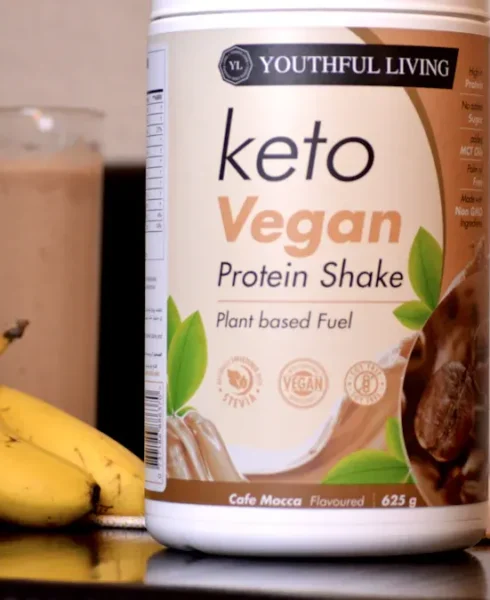
Is pea protein low FODMAP? Sometimes, yes. But you need to check what else is in the powder. Many pea protein powders have extra things added. Some have flavorings, sweeteners, or thickeners. These can be high FODMAP and may upset your stomach.
Ingredient Type | Description |
|---|---|
Ingredient Order | Ingredients are listed by weight, with the first being the most prevalent. |
High FODMAP Ingredients | Look for common high FODMAP ingredients like garlic powder. |
Caution with Flavorings | Savory products may contain onion or garlic flavorings. |
Here is how you can spot problems:
Read the ingredient list closely.
Look for high FODMAP things like honey, inulin, chicory root, onion, or garlic.
Do not buy products where these are listed first, second, or third.
Note: You can use the Monash FODMAP app to check ingredients if you are not sure.
If you use plain pea protein isolate and keep your serving under 20g, you can get the benefits without worrying about FODMAPs. Always check the label and pick simple products.
Is pea protein low FODMAP? Yes, if you choose the right kind and watch your serving size. You can use pea protein in your low FODMAP diet if you are careful and read labels.
Choosing and Using Low FODMAP Certified Pea Protein

How to Find Low FODMAP Certified Products
When you buy protein powder, check if it is low FODMAP certified. Look for seals from Monash University or FODMAP Friendly. These groups test products in labs. They only give their logo to powders that meet strict rules. You can see the FODMAP Friendly logo on the front of the package. This shows the pea protein is safe for a low FODMAP diet.
Certification Program | Criteria and Process |
|---|---|
Monash University | Global program, lab testing, application fees, pre-assessment step |
FODMAP Friendly | Trademarked logo, lab testing to confirm low FODMAP levels in food products |
Some brands with low FODMAP certified pea protein are Better Blends Vegan Protein, Casa De Sante Vegan Protein, and Owyn Protein Powder. Always look for the official seal, not just words on the package. If you do not see a seal, you can ask the brand for lab reports.
Tips for Adding Pea Protein to a Low FODMAP Diet
Start with a small serving, like 20 grams or less of pea protein isolate. This amount is usually safe for most people on a low FODMAP diet. Mix the powder into smoothies, oatmeal, or lactose-free yogurt. Watch for added high FODMAP ingredients, like honey or inulin. If you feel bloated or gassy, try a different brand or switch to another low FODMAP certified product.
If you want to avoid stomach problems, always pick protein powders with a low FODMAP certified logo and keep your serving size small.
Alternatives to Pea Protein for Low FODMAP
If pea protein does not work for you, you still have choices. Try firm tofu, tempeh, nuts, or seeds. Small servings of canned chickpeas or lentils also fit a low FODMAP diet. Other protein powders like rice protein, egg protein, and hemp protein are usually low FODMAP and easy to digest.
FODMAP Level | |
|---|---|
Rice Protein | Low FODMAP |
Egg Protein | Low FODMAP |
Hemp Protein | Probably Low FODMAP |
Pea Protein | Varies |
You can enjoy many kinds of protein powders and foods while following a low FODMAP diet. Just remember to check for low FODMAP certified labels and pay attention to how you feel.
Pea protein isolate works well for a low FODMAP diet if you pick certified products and keep servings moderate. You should:
Start with a small amount and watch for symptoms.
Try certified low FODMAP brands.
Reintroduce foods slowly to see what suits you.
FAQ
Can you use pea protein every day on a low FODMAP diet?
You can use pea protein isolate daily if you keep servings under 20 grams. Watch for symptoms and always check the label for added ingredients.
What should you mix with pea protein for a low FODMAP shake?
Try blending pea protein with lactose-free milk, water, or almond milk. Add low FODMAP fruits like strawberries or blueberries for extra flavor.
Is flavored pea protein powder safe for low FODMAP?
Flavored powders can have high FODMAP sweeteners or thickeners. Always read the ingredient list. Pick products with a low FODMAP certified logo for safety.