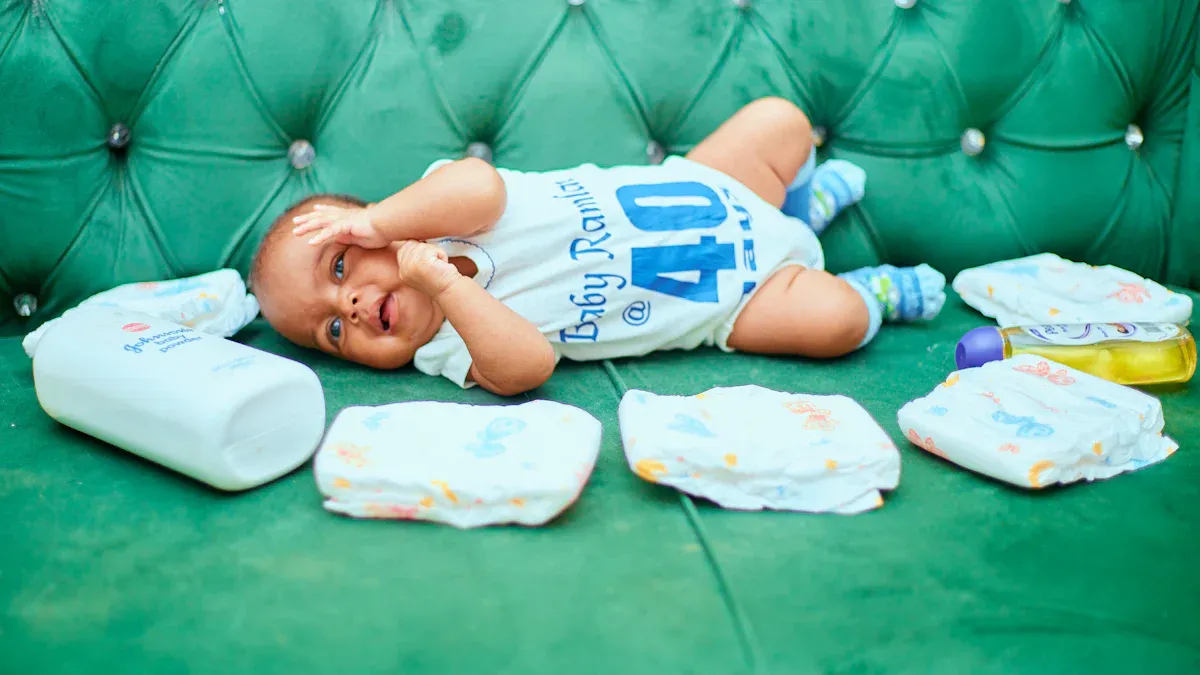
You might wonder how diapers keep babies dry for hours. The answer lies in sodium polyacrylate in diapers. This material acts like a magic powder that can soak up a lot of liquid, much more than its own weight. Imagine a tiny sponge that pulls in water and locks it away, so leaks do not happen. This keeps your baby comfortable and helps prevent skin problems.
Key Takeaways
Sodium polyacrylate is a superabsorbent material. It can soak up 500 to 1,000 times its weight in water. This makes it great for keeping diapers dry.
Diapers with sodium polyacrylate help stop leaks. They also help prevent diaper rash. They do this by locking moisture away from your baby’s skin.
Modern diapers have many layers. One layer has sodium polyacrylate. These layers help manage moisture well. They also keep your baby comfortable.
Safety tests show sodium polyacrylate is safe for babies. It does not cause skin irritation when used the right way.
Picking diapers with sodium polyacrylate helps parents worry less. They know their baby will stay dry and comfortable.
What Is Sodium Polyacrylate?
Chemical Properties
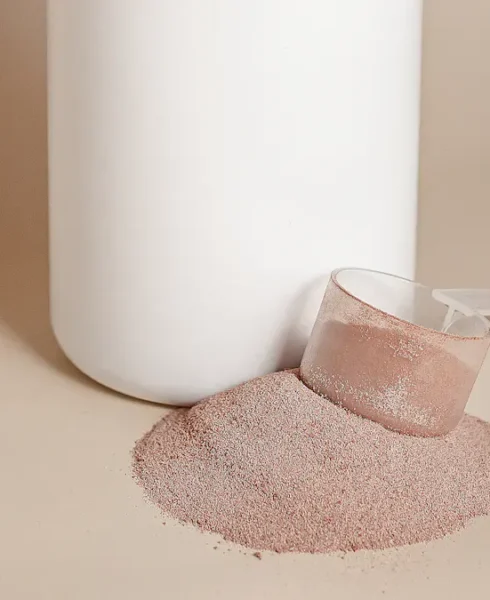
Sodium polyacrylate looks like a white, grainy powder. It does not smell or taste like anything. This powder pulls in water very well. It feels dry when you touch it. But when it gets wet, it turns into a thick, jelly-like gel. You can check out its main features in the table below:
Characteristic | Description |
|---|---|
Appearance | White crystalline powder or liquid |
Odor | Odorless |
Taste | Tasteless |
Hygroscopicity | Very hygroscopic |
Water Absorption | Absorbs and retains large amounts of water |
Viscosity | Forms an extremely viscous transparent liquid |
Polymer Structure | Contains hydrophilic and hydrophobic groups |
The way sodium polyacrylate is built helps it soak up water. It has long chains that repeat over and over. These chains have sodium ions stuck to them. When water touches the powder, the sodium ions come off. This makes spots that pull in water. The powder grows bigger and turns into a gel.
Superabsorbent Nature
Sodium polyacrylate works like a super sponge. It can soak up 500 to 1,000 times its own weight in water. This is much more than most other things. Here is how it works:
The powder has special parts that grab water. These parts hold onto water molecules.
When water gets in, the powder swells up and traps the water.
The powder becomes a gel and keeps the water inside so it cannot leak.
This superabsorbent power makes sodium polyacrylate great for diapers. Even if you press on the gel, it does not let go of the water. Other things, like cotton, cannot hold as much water or keep it in. That is why most modern diapers use sodium polyacrylate. It keeps babies dry and comfy by locking water away from their skin.
Sodium Polyacrylate in Diapers

Absorbent Core Function
Inside every diaper, there is an absorbent core. This is where sodium polyacrylate in diapers works best. Makers mix this special polymer with fluff pulp. Together, they make a layer that soaks up liquid fast. When the core gets wet, sodium polyacrylate grabs the moisture. It changes into a gel and holds the liquid inside. This keeps wetness away from your baby’s skin.
Think of sodium polyacrylate in diapers as tiny magnets for water. Each bit pulls moisture deep into the core. This helps control fluids and keeps the top layer dry. Here are some ways sodium polyacrylate helps in the core:
It acts as a super absorbent polymer (SAP) that locks in moisture.
It moves liquid away from the skin, so your baby feels dry.
It helps stop skin irritation by keeping the area dry.
It cuts down on leaks and controls fluids, which is good for hygiene.
If you look at sodium polyacrylate in diapers and compare it to cotton, you see a big change. Cotton only holds a little liquid. Sodium polyacrylate soaks up much more and keeps it inside, even if you press on the diaper.
Preventing Leaks and Diaper Rash
You want a diaper that keeps your baby dry and healthy. Sodium polyacrylate in diapers helps make this happen. Its superabsorbent power lets it soak up over 300 times its weight in water. Old cotton-based fillers only hold 10-20 times their weight. This makes sodium polyacrylate much better at stopping leaks.
Here are some reasons why sodium polyacrylate in diapers works better than cotton:
It is key in products like disposable diapers and adult incontinence items.
It forms a gel that blocks leaks.
It is used in sanitary pads and diapers because it absorbs so much.
Cotton-based fillers do not work as well when lots of liquid is present.
When sodium polyacrylate locks in moisture, your baby’s skin stays dry. This lowers the chance of diaper rash. Studies show that using disposable diapers with sodium polyacrylate means fewer cases of diaper rash. The material keeps skin dry and stops waste from touching the skin, which helps protect your baby.
Tip: If your baby’s skin is dry after hours in a diaper, you are seeing sodium polyacrylate do its job.
Real-world tests support these facts. One clinical study with 1,614 babies found that diapers with absorbent gelling material, like sodium polyacrylate, kept skin drier and closer to normal pH. These diapers also had fewer cases of diaper rash than cloth diapers.
Study Type | Sample Size | Key Findings |
|---|---|---|
Clinical Study | 1614 infants | Absorbent gelling material disposable diapers showed less skin wetness, normal skin pH, and fewer diaper rashes. |
Sodium polyacrylate in diapers gives you peace of mind. You know your baby stays dry, comfy, and safe from leaks and skin problems.
Diaper Construction

Layers and Placement
Modern diapers have many layers. Each layer does something important. The topsheet is closest to your baby’s skin. It feels soft and lets liquid go through fast. This helps your baby feel comfortable. Under the topsheet is the acquisition and distribution layer (ADL). The ADL grabs liquid quickly and spreads it out. This stops puddles and helps the core soak up liquid evenly.
The absorbent core is in the middle. Makers mix fluff pulp with superabsorbent polymer here. This layer traps liquid and turns it into a gel. The backsheet is the outside cover. It keeps wetness inside the diaper. It often uses materials that let air through to protect skin.
Here is a table that shows what each layer does:
Layer | Role in Moisture Management |
|---|---|
Topsheet or Facing | Lets fluid pass through fast, keeps skin dry, and feels soft for comfort. |
Acquisition and Distribution Layer (ADL) | Holds fluid for a short time and spreads it out so the core can soak it up better. |
Absorbent Core | Soaks up and holds liquid with fluff pulp and superabsorbent polymer, made for different needs. |
Backsheet or Outer Cover | Stops liquid from leaking out, often uses air-friendly materials to keep skin healthy. |
Every layer helps keep your baby dry and comfy.
How Moisture Is Locked Away
When your baby wets the diaper, liquid goes through the topsheet and ADL. The ADL grabs liquid fast and moves it down. This stops wet spots on top and spreads liquid in the core. The absorbent core has superabsorbent polymer. It acts like a sponge. It grabs water and gets bigger, making a gel that traps liquid.
Here is how it works:
Superabsorbent polymer soaks up lots of water.
The polymer gets bigger and turns into a gel.
Its tiny parts hold water tight.
The holes in the polymer help keep liquid in, even if you press on it.
The ADL also helps by moving liquid away from the top and spreading it out. This stops leaks and keeps skin dry. The backsheet keeps everything inside, so liquid does not get out.
Tip: If your baby’s diaper feels dry outside, the layers and superabsorbent polymer are locking moisture away.
The way the layers are built and where the absorbent stuff goes makes sure liquid stays inside the diaper. This keeps your baby dry and helps stop skin problems.
Safety and Effectiveness
Is It Safe for Babies?
You want to know if diaper materials are safe. Sodium polyacrylate is a superabsorbent polymer. It has passed many safety tests. Diaper makers care about safety first. They use safe polymers and check every part for skin risks. Most safety sheets say sodium polyacrylate does not hurt skin. It is too big to be absorbed by the body. Doctors and child experts say this material is safe for babies. Sometimes, a baby may get mild skin irritation or allergies. These problems are rare.
Note: Sodium polyacrylate stays in the core and does not touch your baby’s skin. Experts say it does not cause toxic shock syndrome in diapers.
Big companies like Procter & Gamble test new materials very carefully. They use trials and reviews to make sure products are safe. Rules also set limits for how much superabsorbent polymer can be in a diaper. For example, one rule allows up to 15% by weight. Another rule allows up to 33%. These rules help keep diapers safe and working well.
You should keep sodium polyacrylate away from your child’s mouth. One baby swallowed beads made from this material and got sick. This shows why you must use diapers the right way. Do not let kids play with the absorbent stuff.
Comparing Alternatives
Some diapers use different absorbent materials. Some brands use plant fibers or eco-friendly fluff pulp. Others mix these with sodium polyacrylate for better soaking. Here is a table that compares popular diaper brands and their ingredients:
Brand | Ingredients | Safety Features | Effectiveness |
|---|---|---|---|
Happy Little Camper | Bio-based Green Polyethylene, TCF fluff | Allergy UK-Approved, no harmful chemicals | Safer, eco-friendly |
Coterie | Sodium polyacrylate, TCF wood pulp | Hypoallergenic, certified safe | Effective absorbency |
Parasol | TCF Wood Pulp, Sodium Polyacrylate | No harmful substances, eco-friendly packaging | Ultra-absorbent core |
Every Life | ECF Wood Pulp, neutralized Sodium Polyacrylate | OEKO-TEX® Certified, no harmful additives | Effective, sustainable |
Dyper | Bamboo Viscose, ECF Wood Pulp | No harmful chemicals, eco-friendly | Ultra-absorbent, leak protection |
Most other choices focus on safety and being good for the planet. But sodium polyacrylate is best at soaking up moisture and stopping leaks. You can trust diapers with this material to keep your baby dry and comfy.
You can count on sodium polyacrylate in diapers to keep babies dry and safe. This material pulls in moisture and stops leaks from happening. Research shows it holds water well and keeps skin protected. Look at the table below to see the main benefits:
Benefit | Description |
|---|---|
Leak Prevention | Soaks up and holds liquid |
Skin Protection | Keeps skin dry and healthy |
Everyday Effectiveness | Used by top brands for good results |
Made for comfort and safety
Makes changing diapers easier for parents
Modern diapers use science to give your child great care.
FAQ
What happens if sodium polyacrylate touches your baby’s skin?
You do not need to worry about this. Sodium polyacrylate stays inside the diaper core. If a little bit gets on the skin, just wipe it off. It does not hurt your baby during normal use.
Can you compost diapers with sodium polyacrylate?
You should not put these diapers in compost. Sodium polyacrylate does not break down fast. Most city compost programs do not take disposable diapers.
Is sodium polyacrylate safe for sensitive skin?
Yes, most babies with sensitive skin can use these diapers. The material does not touch the skin much. If you see redness, try a new brand or ask your doctor.
What should you do if your child eats sodium polyacrylate?
Tip: If your child eats any diaper material, call your doctor or poison control right away. Sodium polyacrylate may upset the stomach a little but is not very toxic.