If you want to know which iron supplement is best, you are not the only one. Many people do not get enough iron. Here are some facts:
Statistic | Value |
|---|---|
Global prevalence of anaemia (2021) | |
Prevalence in the U.S. | |
Anaemia YLDs due to dietary iron deficiency | 422.4 per 100,000 population |
When considering ferrous fumarate vs ferrous sulfate, it’s important to note that these are common choices for iron supplements. They contain different amounts of iron and can lead to varying side effects. People may react to ferrous fumarate vs ferrous sulfate in different ways. Your health is important, so you should talk to your doctor before you pick one.
Key Takeaways
Ferrous fumarate has more elemental iron (90 mg). Ferrous sulfate has less (60 mg). Pick ferrous fumarate if you need more iron.
Both supplements are absorbed at about 10-15%. Your body can use either type well. Ask your doctor which is best for you.
You may get side effects like constipation, diarrhea, or stomach cramps. If you feel uncomfortable, tell your doctor. They can change your dose or suggest another type.
Think about what you need before picking a supplement. Ferrous fumarate works fast for more iron. Ferrous sulfate is good for smaller doses.
Always talk to your doctor before taking iron supplements. They will help you choose the right type and amount for you.
Ferrous Fumarate vs Ferrous Sulfate: Key Differences
Elemental Iron Content
When you pick an iron supplement, you want to know how much iron you get. Ferrous fumarate and ferrous sulfate both help you meet your iron needs. They give you different amounts of elemental iron. Elemental iron is the part your body uses.
Supplement | |
|---|---|
Ferrous Fumarate | 90 mg |
Ferrous Sulfate | 60 mg |
Ferrous Gluconate | 30 mg |
Ferrous fumarate gives you more elemental iron than ferrous sulfate. If your doctor says you need more iron, ferrous fumarate might be better. If you need less iron, ferrous sulfate or ferrous gluconate could work.

Tip: Always look at the label for elemental iron. Do not just check the tablet’s total weight.
Absorption and Effectiveness
You may wonder if your body absorbs iron differently from these supplements. Studies show both types have similar absorption rates. Your body takes in about 10-15% of the iron from these pills. Both are ferrous salts. They dissolve well and your body can use them easily.
Both ferrous fumarate and ferrous sulfate absorb about the same.
Ferrous salts dissolve better than other forms.
The absorption rate is about 10-15%.
Let’s see how different groups absorb these supplements:
Population Group | Ferrous Fumarate Absorption (%) | Ferrous Sulfate Absorption (%) | Relative Bioavailability (RBV) |
|---|---|---|---|
Women | 17.5 | 20.5 | 86 |
Infants | 7.0 | 7.2 | 97 |
Young Children | 6.3 | 5.9 | 106 |
Absorption is very close for both types. Most people get similar results with either ferrous fumarate or ferrous sulfate.
Note: Your doctor may pick one for you based on your age, health, or iron needs.
Tolerability and Side Effects
Iron supplements can cause stomach problems. You might get constipation, diarrhea, cramps, or dark stools. Some people lose their appetite. Both ferrous fumarate and ferrous sulfate can cause these side effects. The rates are a little different.
Supplement Type | |
|---|---|
Ferrous Sulfate | 32.3% |
Ferrous Fumarate | 47% |
Ferrous Gluconate | 30.9% |

Common side effects are:
Constipation
Diarrhea
Stomach cramps
Loss of appetite
Black or dark-colored stools or urine
Most surveys show people handle both types about the same. Some controlled-release iron pills may cause fewer stomach problems than regular ferrous sulfate. If you have trouble with side effects, ask your doctor about other forms or dosing.
If you stop taking your iron supplement because of side effects, talk to your doctor. You may need a different dose or type.
When Should You Choose Each?
You might pick ferrous fumarate if you need more iron in each tablet. Your doctor may want you to raise your iron levels quickly. Ferrous sulfate is good if you need a lower dose or want to start with something milder. Both work well for most people with iron deficiency.
In special cases, like pregnancy, studies show both types help improve hemoglobin and iron status. Ferrous fumarate may help increase birth weight and lower the risk of premature birth. Ferrous sulfate is safe for pregnant women and does not raise the risk of malaria.
Always ask your healthcare provider which supplement is best for you. Your needs may be different from someone else’s.
Effectiveness in Iron Deficiency
How They Work
Iron supplements help your body in different ways. Ferrous fumarate keeps the ferrous ion steady. This makes iron easier for your body to use. Both types break down in your stomach. Then, iron goes to your small intestine. Your body takes in the iron there. After that, iron moves into your blood. Your body uses iron to make red blood cells. Iron also helps you feel energetic.
Ferrous fumarate and ferrous sulfate work a bit differently. The way iron moves from your gut to your blood can change. Ferrous sulfate often raises your iron levels fast. It can also boost transferrin saturation quickly. Sometimes, extra iron can build up. This may cause stress in your body.
Tip: If you feel sick or have stomach pain after taking iron, talk to your doctor. You might do better with a different type.
Clinical Outcomes
You may want to know which iron supplement works best. Studies show both types help raise iron levels. Most people see their hemoglobin go up. They also feel less tired after a few weeks.
Supplement | Hemoglobin Increase | Common Benefits |
|---|---|---|
Ferrous Fumarate | Yes | More energy, better focus |
Ferrous Sulfate | Yes | Fewer headaches, less fatigue |
Doctors often pick ferrous sulfate for quick results. It can raise iron levels fast. You might notice more side effects with it. Ferrous fumarate works well too. It is good if you need a higher dose in one tablet.
Note: Your results depend on your age, health, and iron needs. Always listen to your doctor for the best results.
Side Effects and Safety

Gastrointestinal Issues
Iron supplements can upset your stomach. Ferrous fumarate and ferrous sulfate may cause problems. You might feel sick or throw up. Your stomach could hurt or burn. You may get constipated or have diarrhea. Your stools might look darker than normal.
These problems are common. They might make you want to stop taking iron pills. Here’s a table showing how the side effects compare:
Side Effect | Ferrous Fumarate | Ferrous Sulfate |
|---|---|---|
Nausea | Common | Common |
Constipation | Common | Common |
Diarrhea | Common | Common |
Heartburn | Common | Common |
Dark stools | Common | Common |
You can eat food with your iron pill to help your stomach. But food can make your body take in less iron. If you get constipated, drink more water and eat fiber. Most side effects get better after a while.
If you feel very sick or your stomach hurts a lot, call your doctor. You may need a different dose or type of iron.
Special Populations
Some people need to be careful with iron pills. If you have certain health problems, talk to your doctor first. Here are some conditions where you should not use ferrous sulfate:
Medical Condition | Should You Avoid Ferrous Sulfate? |
|---|---|
Iron overload syndrome | Yes |
Hemolytic anemia | Yes |
Porphyria | Yes |
Thalassemia | Yes |
Alcoholism | Yes |
Regular blood transfusions | Yes |
Kids and older adults can take iron, but they need the right amount. Children ages 6 months to 12 years often get 3–6 mg of ferrous fumarate for each kilogram they weigh. They take this in 2–3 doses each day. Most kids grow well and only a few get mild constipation. Eating better helps with constipation.
Older adults over 65 may take 50–100 mg of ferrous fumarate each day. Doctors check their blood to look for other problems, like vitamin B12 deficiency.
Ferrous fumarate and ferrous sulfate work for most people. Your doctor will help you choose the safest one for you.
Cost and Availability
Price Comparison
You might wonder how much iron supplements cost. Prices are different at each store and for each brand. Most stores sell ferrous fumarate and ferrous sulfate for a low price. Generic types usually cost less than brands.
Insurance can change how much you pay. Here is what you may find:
Many health insurance plans do not pay for ferrous sulfate, like Aetna.
Medicare drug plans, such as Humana, often do not cover iron supplements.
Medicaid is more likely to pay for ferrous sulfate. Some states put it on their drug list.
The Affordable Care Act says insurance must cover some preventive supplements, like ferrous sulfate.
If you have insurance, check your plan before you buy. You might pay less if your doctor gives you a prescription for prevention.
Tip: Ask your pharmacist about discounts or if your insurance pays for iron supplements.
Generic Options
You do not need to buy expensive brands to get good results. Both ferrous fumarate and ferrous sulfate have generic forms. These generics work the same and cost less.
Here is a quick look at what you can expect:
Medication | Generic Availability | Cost Comparison |
|---|---|---|
Ferrous fumarate | Lower cost generic | N/A |
Ferrous sulfate | Lower cost generic | N/A |
Most pharmacies have generic iron pills. You can ask for them when you get your medicine. If you want to save money, pick the generic kind. You will get the same help without paying more.
Note: Generics must meet the same rules as brand-name drugs. You can trust them to work for you.
If you compare ferrous fumarate and ferrous sulfate, both are easy to find and cheap. Your choice may depend on your insurance and your doctor’s advice.
Dosage Forms and Convenience

Tablets, Capsules, Liquids
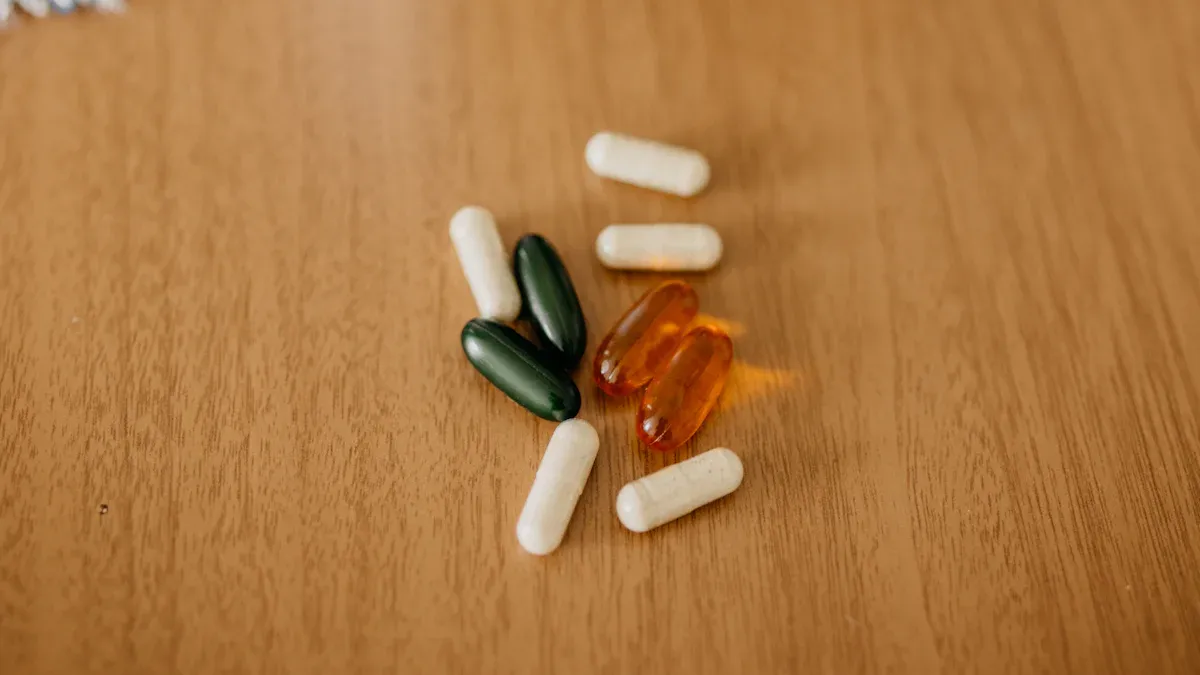
There are many ways to take iron supplements. Ferrous fumarate and ferrous sulfate come in tablets, capsules, and liquids. Each type has its own good points.
Tablets are very common. They are easy to carry and take.
Capsules are easier to swallow for some people.
Liquids are good for kids or people who cannot swallow pills.
Ferrous sulfate is often given as a regular tablet. The usual dose is 300 to 325 mg once a day. Doctors sometimes use extended-release tablets. You might take these one or two times a day. For iron deficiency anemia, most people get 325 mg daily. Pregnant women usually get the same amount. Ferrous sulfate has about 20% elemental iron. This means you get a good amount in each pill.
Liquids let you measure your dose easily. This helps children and older adults. Some people think liquids taste odd. You can mix them with juice to help.
Here is what people think about different forms:
Evidence Type | Description |
|---|---|
Study Focus | Compared how well people stick with different iron supplements |
Key Findings | 87% of people had no bad effects with Active Iron after 2 weeks. They found it easier to take and kept using it. |
Patient Demographics | 101 people, average age 43, 83% female, all had trouble with regular iron pills before |
Tip: If pills are hard for you, ask your doctor about liquids or capsules.
Dosing and Ease of Use
You want your iron supplement to fit your life. Ferrous fumarate and ferrous sulfate have different schedules. Ferrous fumarate is usually a 360 mg tablet. It gives you 120 mg of elemental iron. You might take it one to three times a day. Some studies say you can take it three times a week and still get good results. People who take it less often have fewer side effects. They also keep taking their medicine better.
Here is a table to compare doses:
Medication | Recommended Dose | Frequency |
|---|---|---|
Ferrous Fumarate | 360 mg/day (120 mg/day elemental iron) | 1 to 3 times daily |
Ferrous Sulfate | 300-325 mg/day (60-65 mg/day elemental iron) | 1 to 3 times daily |
Some people say ferrous fumarate is easy to use and helps them feel better. Others get side effects like rashes. Ferrous sulfate helps your body make healthy red blood cells. It also helps fight tiredness. You may need to try different forms or schedules to see what works best.
If you forget your iron, set a phone reminder. Taking it every day helps you get the best results.
Convenience and ease of use are important when picking between ferrous fumarate and ferrous sulfate. Your doctor can help you choose the best type and schedule for you.
Drug and Food Interactions
Medication Interactions
Many medicines can change how iron supplements work. Some drugs make iron less helpful. Others may cause side effects if you take them together. Always ask your doctor or pharmacist before starting a new medicine.
Here’s a table that lists common medicines and their interactions with ferrous fumarate and ferrous sulfate:
Medication Name | Interaction Type |
|---|---|
Aspirin Low Strength (aspirin) | Major |
Eliquis (apixaban) | Major |
B Complex 100 (multivitamin) | Moderate |
Benadryl (diphenhydramine) | Moderate |
Celebrex (celecoxib) | Moderate |
Crestor (rosuvastatin) | Moderate |
Cymbalta (duloxetine) | Moderate |
Jardiance (empagliflozin) | Moderate |
Lipitor (atorvastatin) | Moderate |
Nexium (esomeprazole) | Moderate |
Ozempic (semaglutide) | Moderate |
Paracetamol (acetaminophen) | Moderate |
Synthroid (levothyroxine) | Moderate |
Tylenol (acetaminophen) | Moderate |
Ventolin (albuterol) | Moderate |
Vyvanse (lisdexamfetamine) | Moderate |
CoQ10 (ubiquinone) | Minor |
Fish Oil (omega-3) | Minor |
Omega-3 | Minor |
Probiotic Formula | Minor |
Vitamin B12 | Minor |
Vitamin B6 | Minor |
Vitamin C | Minor |
Vitamin D3 | Minor |
Zinc | Minor |

Tip: If you take thyroid medicine, antacids, or blood thinners, talk to your doctor first. You may need to take your iron at a different time.
Food and Absorption
What you eat or drink can change how much iron your body gets. Some foods help your body use more iron. Other foods make it harder for your body to use iron.
Orange juice helps your body take in more iron. If you drink orange juice with your iron pill, you get more iron. This is because orange juice has vitamin C.
Apple juice does not help your body absorb iron.
Foods with vitamin C, like strawberries or bell peppers, help your body use iron.
Dairy, coffee, and tea can block iron. Try not to eat or drink these near your iron dose.
Try drinking orange juice with your iron pill for better results. Wait at least one hour after eating dairy or drinking coffee.
Small changes in your eating habits can help your iron supplement work better. If you are not sure about food or medicine interactions, ask your healthcare provider.
Choosing the Right Iron Supplement
Patient Suitability
It can be hard to pick the right iron supplement. You want one that helps you feel better and fits your needs. Here are some simple tips to help you choose:
Look at the label for elemental iron. More elemental iron means your body gets more iron.
Ferrous fumarate has more elemental iron in each tablet. This is good if you need to raise your iron fast.
Ferrous sulfate costs less and is easy to find. Doctors often use it for iron deficiency anemia.
If you get stomach problems like cramps or constipation, ferrous fumarate may be gentler.
Take iron on an empty stomach for better absorption. Do not take it with milk, caffeine, antacids, or calcium.
Your doctor can help you pick the right dose and form, like tablets or drops.
Tip: Everyone has different health needs. Talk to your doctor before starting a new iron supplement.
User Experiences
People talk about their experiences with iron supplements. You may hear about side effects or how easy it is to keep taking them. Here is what some people say:
Many people stop taking iron because it upsets their stomach. This can happen with both ferrous fumarate and ferrous sulfate.
Extended-release ferrous sulfate with mucoproteose causes fewer problems. Only about 4% of people have side effects.
Regular ferrous fumarate and ferrous sulfate can cause more stomach issues. Up to 47% of people taking ferrous fumarate have side effects. Ferrous sulfate causes problems for about 32% of users.
The type of iron and how it is made can change how you feel. Some people find one type easier to handle.
There is no clear link between the dose and side effects. You may need to try different forms to see what works best for you.
If you feel sick or have trouble with your iron supplement, ask your doctor for help. You might need a different type or schedule.
When you compare ferrous fumarate and ferrous sulfate, think about your own needs, how your body feels, and what your doctor suggests. Your comfort and health are most important.
You now know that ferrous fumarate and ferrous sulfate are different. They have different amounts of iron, get absorbed in different ways, and can cause different side effects. The best choice depends on what your body needs. It also depends on how you feel after taking them and what fits your daily life. If you want to get the best help, talk to your doctor before starting any iron supplement. Your doctor can help you choose the right one for you.
Remember, it is most important to feel safe and comfortable when picking an iron supplement.
FAQ
Can you take ferrous fumarate and ferrous sulfate together?
You should not take both at the same time. You may get too much iron. This can cause stomach pain or other problems. Ask your doctor before you mix iron supplements.
How long does it take for iron supplements to work?
You may start to feel better in one to two weeks. Your energy can improve first. Your doctor may check your blood after a month to see your progress.
What foods help iron supplements work better?
Vitamin C-rich foods like oranges, strawberries, or bell peppers help your body use iron. Try drinking orange juice with your iron pill. Avoid milk, coffee, or tea near your dose.
Can iron supplements cause constipation?
Yes, iron supplements can make you constipated. You can drink more water and eat fiber to help. If you still have trouble, talk to your doctor about changing your dose or type.