
You will see a big difference between vanilla extract and vanilla flavor. Vanilla extract is made from real vanilla beans. Vanilla flavor is usually made with fake ingredients. Most vanilla products in the United States are not real vanilla.
Many people now like pure vanilla because it tastes natural. Flavored vanilla extract gives you more choices for baking.
Key Takeaways
Pure vanilla extract is made from real vanilla beans. Imitation vanilla is made with fake ingredients. Pick pure vanilla for a stronger taste.
Imitation vanilla costs less and is good for baking at high heat. It does not have the deep flavor of pure vanilla extract.
Check labels when you buy vanilla products. Find ‘pure vanilla extract’ for the best taste in your food.
Pure Vanilla Extract vs. Imitation Vanilla
What Is Pure Vanilla Extract?
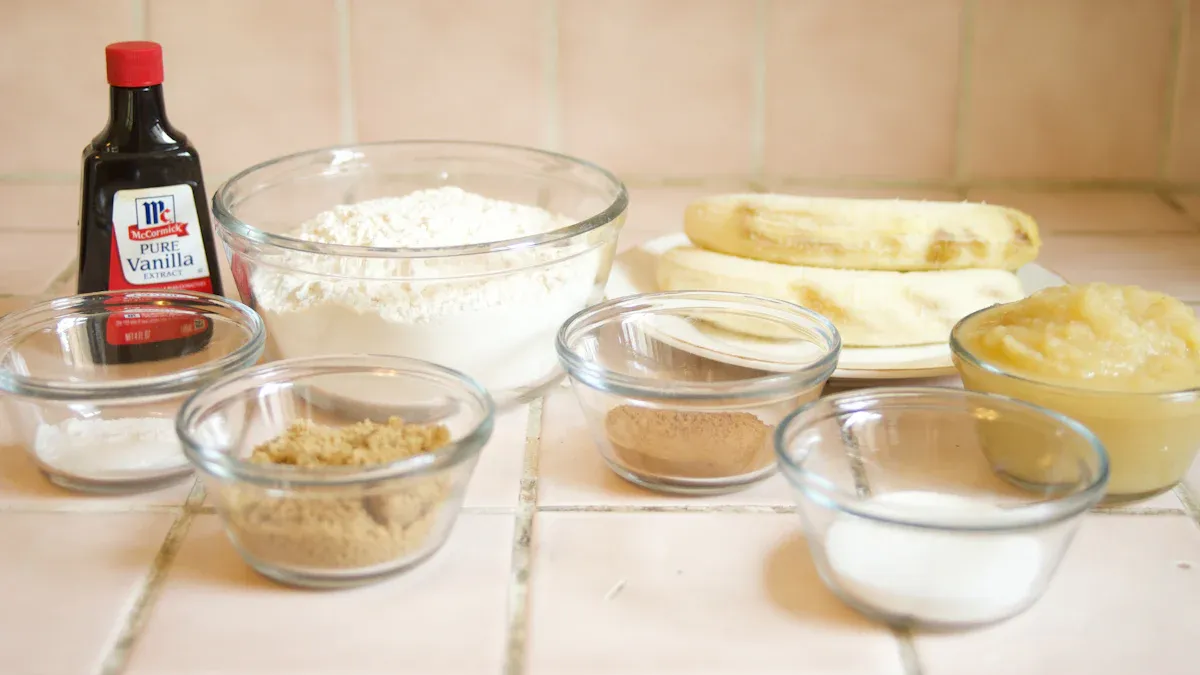
Pure vanilla extract is used in many recipes. It comes from real vanilla beans. Makers soak the beans in water and alcohol. The alcohol takes out the flavor and smell. The result is a sweet-smelling liquid.
Pure vanilla extract has natural compounds. Some are vanillin, eugenol, and piperonal. Vanillin gives a creamy vanilla smell. Eugenol adds a little spice. Piperonal gives a nutty, woody taste. Other compounds help make the flavor complex.
Pure vanilla extract must follow strict rules in the United States. The FDA says it needs at least 13.35 ounces of vanilla beans per gallon. It must have at least 35% alcohol. Producers cannot add colors or preservatives. Labels say “Vanilla extract” or “Extract of vanilla.” If it uses concentrated forms, the label must show the source.
Tip: Look for “pure vanilla extract” on the label. This helps you get real vanilla flavor.
Here is a table that shows the legal rules for pure vanilla extract in the United States:
Requirement | Description |
|---|---|
Definition of Vanilla Extract | A solution in water and alcohol with flavor from vanilla beans. |
Alcohol Content | At least 35 percent by volume. |
Vanilla Constituent | At least one unit per gallon. |
Labeling Name | Must say ‘Vanilla extract’ or ‘Extract of vanilla’. |
Additional Labeling | If made from concentrated forms, must say ‘Made from ______’. |
Ingredient Declaration | All ingredients must be listed by law. |
What Is Imitation Vanilla?
Imitation vanilla is not the same as pure vanilla extract. It is called imitation vanilla flavor or vanilla essence. Makers use synthetic vanillin for the taste. They do not use real vanilla beans. Most imitation vanilla comes from chemicals like guaiacol or lignin. These come from wood pulp or petroleum.
Imitation vanilla flavor has extra ingredients. You may see sugar, corn syrup, caramel color, and preservatives. The taste is simpler than pure vanilla extract. Synthetic vanillin gives a strong vanilla smell. It does not have the deep flavor of real vanilla beans.
Here is a table that compares pure vanilla extract and imitation vanilla:
Type of Vanilla | Ingredients | Additives/Preservatives |
|---|---|---|
Pure Vanilla Extract | Natural vanilla beans, water, alcohol | None |
Imitation Vanilla | Synthetic vanillin, sugar, corn syrup, caramel color | May have preservatives |
Note: Imitation vanilla costs less, but you lose the rich taste of pure vanilla extract.
Ingredients and Production
There are big differences in how pure vanilla extract and imitation vanilla are made.
Pure vanilla extract uses vanilla beans, water, and alcohol.
Imitation vanilla uses synthetic vanillin, water, alcohol, and other additives.
Makers soak vanilla beans in alcohol and water to make pure vanilla extract. This takes weeks. The alcohol pulls out the flavor from the beans. The result is a natural product with a complex taste.
Imitation vanilla uses synthetic vanillin. Most vanillin comes from guaiacol, which is found in petroleum or wood pulp. Some vanillin now comes from microbial fermentation. This uses natural sources like ferulic acid. This way is better for the environment and meets organic rules. Still, about 95% of vanillin is made by chemical methods.
Here is a list of common synthetic ingredients in imitation vanilla:
Vanillin: The main synthetic flavor.
Ethyl Vanillin: A stronger synthetic flavor.
Caramel Color: Adds color.
Glycerin: Used as a solvent.
Water: The base for the liquid.
Pure vanilla extract has only natural ingredients. Imitation vanilla has more additives and preservatives. The EU and US have rules for safe flavorings. The EU sets limits for some substances and keeps a list of approved flavoring agents.
If you want the best taste for baking, pick pure vanilla extract or flavored vanilla extract. You get a richer flavor and fewer additives.
Flavor Difference and Recipe Impact
Flavor Complexity
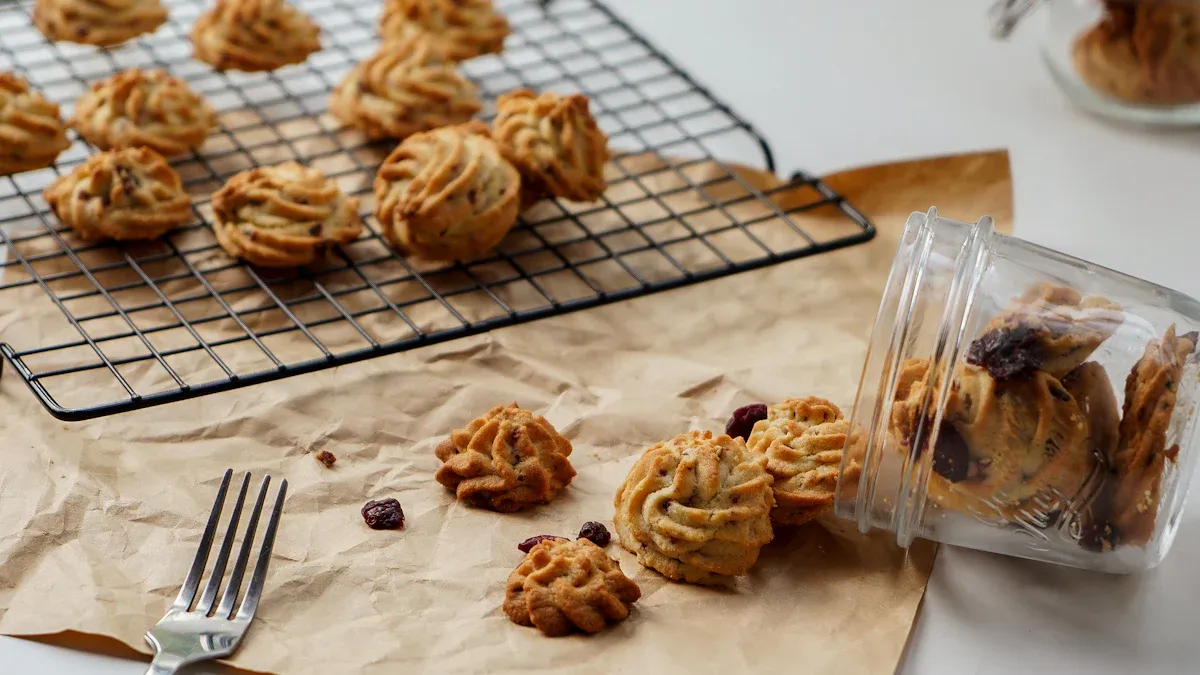
You can taste a big difference between pure vanilla extract, imitation vanilla, and flavored vanilla extract. Pure vanilla extract has a deep and rich taste. It gives sweet, floral, and woody flavors. These flavors come from real vanilla beans and their natural compounds. When you use pure vanilla extract, your desserts smell warm and inviting. This is easy to notice when vanilla is the main flavor.
Imitation vanilla flavor is much simpler. It gives a strong, one-note vanilla taste. This is because it uses synthetic vanillin. It does not have the extra flavors from real vanilla beans. Imitation vanilla works well in recipes that need a strong vanilla taste. But it cannot match the depth of pure vanilla extract. Vanilla flavoring is another name for imitation vanilla. It also does not have the small, special flavors found in real vanilla.
Flavored vanilla extract is in the middle. It starts with pure vanilla extract and adds other natural flavors or sweeteners. This makes it cheaper but still gives some real vanilla taste. Flavored vanilla extract smells nice, but it is not as complex as pure vanilla extract.
Tip: Use pure vanilla extract for recipes like custards or ice cream. You will get the best vanilla flavor.
Flavored Vanilla Extract in Baking
The vanilla you choose can change how your baked treats taste. Pure vanilla extract is best in recipes that do not use high heat. You can taste all its flavors in frostings, puddings, and no-bake desserts. In cakes and cookies, pure vanilla extract still tastes good. But some of its light flavors may go away when baking.
Imitation vanilla flavor is good for high heat. Its strong taste stays in cookies and cakes. This makes it a good choice for recipes that bake at high temperatures. You can save money and still get a clear vanilla taste.
Flavored vanilla extract is flexible. You can use it in most baking recipes. It gives a balance between price and taste. You get some real vanilla flavor, and the extra flavors help it last during baking. If you want something in the middle, flavored vanilla extract is a smart choice.
Note: Pure vanilla extract is best for soft desserts like custards. It gives a complex flavor that imitation vanilla cannot match.
Substitution Tips
Sometimes you need to use a different type of vanilla in your recipe. Here are some tips to help you:
Use pure vanilla extract for a rich and layered flavor.
Pick imitation vanilla flavor for recipes that bake at high heat, like cookies and cakes.
Choose flavored vanilla extract if you want some real vanilla taste and a lower price.
If you use imitation vanilla instead of pure vanilla extract, use more. The table below shows how much to use:
Vanilla Type | |
|---|---|
Pure Vanilla Extract | 1 tsp |
Imitation Vanilla | 2 tsp |
Think about the cost too. Pure vanilla extract is much more expensive than imitation vanilla. Here is a price chart:
Type | Price per Ounce |
|---|---|
Pure Vanilla Extract | |
Imitation Vanilla Flavoring | $0.10 to $0.30 |
Check the labels when you shop. Pure vanilla extract comes from real vanilla beans and follows FDA rules. Flavored vanilla extract uses some real vanilla but may add other flavors. Imitation vanilla flavor does not use real beans. The table below shows the main label differences:
Type of Vanilla Extract | |
|---|---|
Pure | Must get flavor from vanilla beans, at least 13.3 ounces per gallon, and have at least 35% alcohol. FDA rules apply. |
Natural | At least 51% flavor from vanilla beans; the rest can be natural or fake flavors. No FDA rule. |
Organic | Certified by a private group, usually no pesticides. Alcohol may be organic. |
Non-GMO | Like Organic, but mostly about the alcohol used. |
Gluten-Free and Vegan | All vanilla extracts are gluten-free and vegan. |
Flavor vs. Extract | Extract means it has alcohol; flavor may mean no alcohol or is imitation vanilla. |
Remember: For the best taste in soft desserts, always use pure vanilla extract. For everyday baking, flavored vanilla extract or imitation vanilla can save money and still taste good.
Vanilla extract gives a deep, real taste. Imitation vanilla has a strong but simple flavor. It costs less than vanilla extract. Use vanilla extract for fancy desserts. Pick imitation vanilla if you want to save money. Always read the label before you buy. Choose the one that fits your recipe and what you like.
FAQ
Can you use vanilla flavor instead of vanilla extract?
You can use vanilla flavor in many recipes. The taste will be simpler. Use double the amount for the same effect.
Does vanilla extract have alcohol?
Yes, pure vanilla extract has alcohol. The FDA says it needs 35% alcohol. Most alcohol goes away when you bake.
Is imitation vanilla safe to eat?
Yes, imitation vanilla is safe.
Food safety laws check its ingredients.
You can use it in any recipe safely.