
Sustainable Whey Protein: From Cheese By-Product to High-Value Ingredient
Sustainable whey protein turns cheese by-product into a high-value, eco-friendly ingredient, reducing waste and supporting a cleaner environment.

Sustainable whey protein turns cheese by-product into a high-value, eco-friendly ingredient, reducing waste and supporting a cleaner environment.

Achieve smooth whey protein drinks by improving whey protein solubility—add liquid first, use a shaker, and mix at the right temperature.
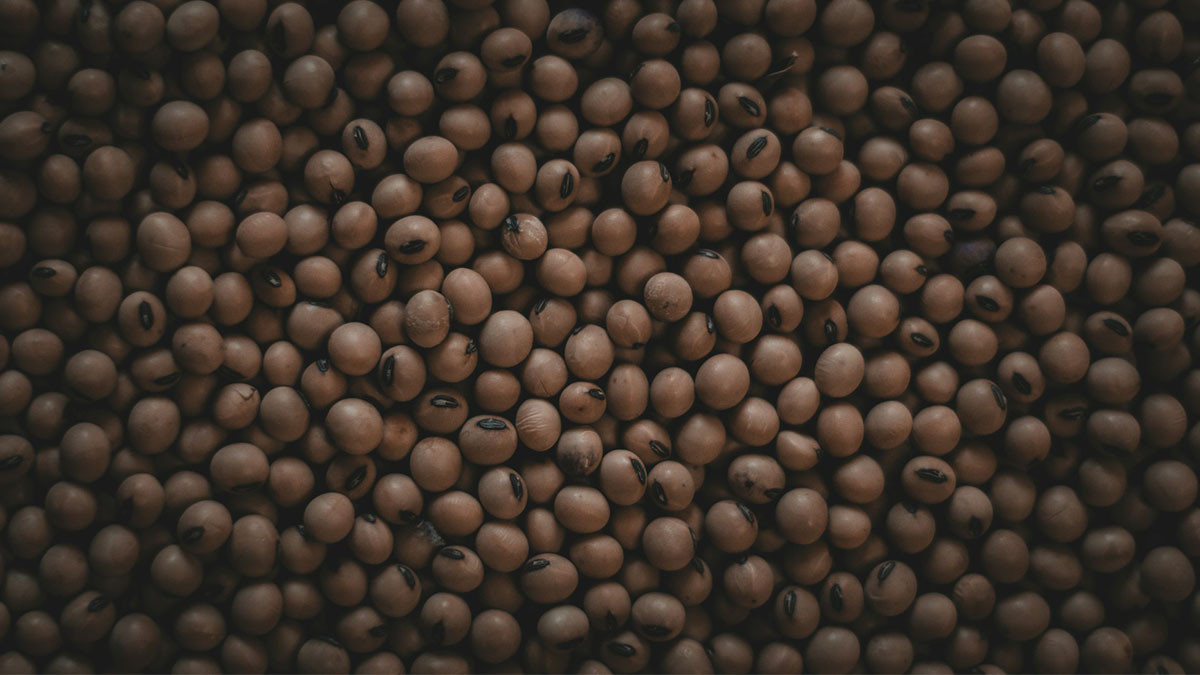
Top Protein Sources compared: See how whey, soy, pea, and rice protein stack up for muscle gain, allergies, plant-based diets, and nutrition quality.

Functional additives in non-dairy creamer coffee boost health, improve taste, and offer plant-based options for dietary needs and allergy concerns.

Xylitol in Nasal Spray is made by dissolving pure xylitol in saline, offering moisture, germ protection, and improved nasal health with daily use.

L-Aspartic Acid supports protein metabolism and fuels the Krebs cycle, aiding energy production, nitrogen transport, and cellular health.

Amino Acids for Nutrition: Discover the top 5, including L-Aspartic Acid, and how they support energy, muscle growth, and overall health.
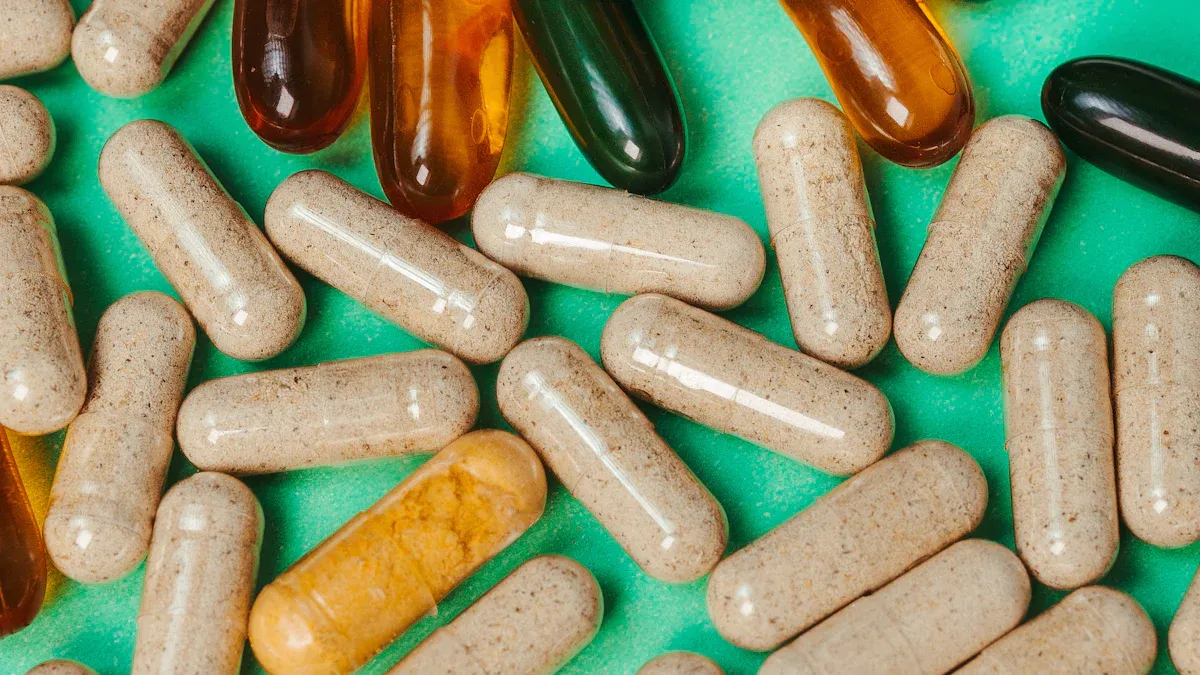
L-Aspartic Acid supports muscle and immune health, while D-Aspartic Acid boosts testosterone and fertility. Choose based on your health goals.

L-Aspartic Acid supports skin hydration, collagen production, and drug formulation, making it vital in both pharmaceutical and cosmetic products.