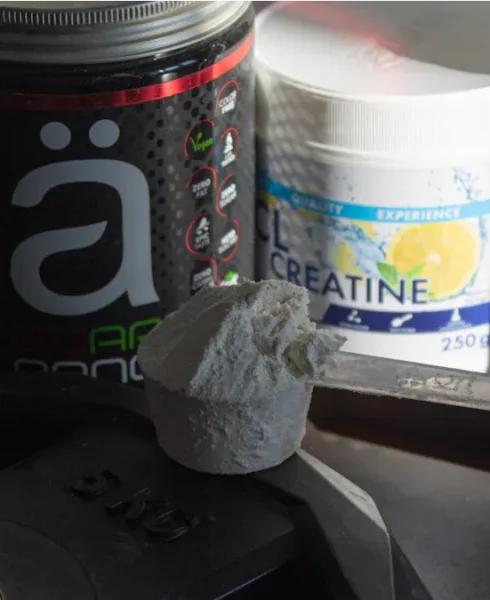
You want to find out which supplement is better for muscle growth, performance, and recovery. In the bcaa vs creatine debate, creatine usually helps more with strength and bigger muscles. BCAAs help you heal faster and make your muscles less sore. Creatine gives your muscles more energy. BCAAs give your body what it needs to fix muscles. Both have special benefits. Your choice depends on what you want and need for fitness.
Key Takeaways
BCAAs help lower muscle soreness and help you recover after workouts. They do not make your muscles much bigger or stronger. Creatine helps you get stronger and have more power during hard exercise. This can help your muscles grow more if you lift weights. Think about your fitness goals before you pick BCAAs or creatine. BCAAs are best for recovery. Creatine is best for getting stronger. You can use both supplements together for better results. BCAAs help you recover. Creatine gives you more energy for workouts. When you take them matters. Take BCAAs near your workout for fast recovery. Take creatine every day, usually after exercise, to help your muscles get more energy.
BCAAs
What Are BCAAs
BCAAs stand for branched-chain amino acids. You find these amino acids in foods like meat, eggs, and dairy. Your body cannot make BCAAs, so you must get them from your diet or supplements. The three main BCAAs are leucine, isoleucine, and valine. These amino acids help build and repair muscle.
Recent research shows that BCAAs do more than just support muscle. They play a role in your metabolism and overall health. The table below highlights some new findings:
Evidence | Description |
|---|---|
Aging and Health | Limiting BCAA intake may help you live longer and improve health in animal studies. |
BCAA Degradation | Special enzymes break down BCAAs, which is important for how your body uses them. |
BCAA Metabolism | Your muscles use BCAAs for energy and send leftovers to your liver for other uses. |
Gluconeogenesis | BCAAs can help your body make glucose and ketone bodies when needed. |
BCAA Supplementation | BCAAs are key for making protein and keeping your muscles healthy. |
Health Implications | Doctors are studying BCAAs for treating some diseases, but they do not always work the same. |
Benefits
Many people take BCAA supplements to help with muscle growth, recovery, and exercise performance. You might hear that BCAAs can reduce muscle soreness and help you bounce back faster after a tough workout. Some people also believe BCAAs give you more energy during exercise.
Studies show BCAAs may lower how much muscle pain you feel after exercise.
Most research does not find big improvements in strength, muscle size, or performance from BCAA supplements.
Scientists say we need more studies to know exactly how BCAAs work and who benefits most.
Tip: You may notice less soreness with BCAAs, but do not expect huge gains in muscle or strength.
Side Effects
You usually do not see serious side effects from BCAA supplements. Studies do not link BCAAs to cancer or brain damage. Still, taking too much can cause problems. If you use a lot of BCAAs, your body may not build muscle as well, especially if you do not eat overnight. High BCAA levels can also make it harder for your brain to get other important amino acids. This might affect your mood or thinking, especially if you have certain brain or mental health issues. Too many BCAAs may also raise your risk for insulin resistance, which matters if you worry about diabetes.
Creatine

What Is Creatine
Creatine is something your body makes naturally. It comes from amino acids, which help build protein. Most creatine is stored in your muscles. When you work out, creatine gives your muscles fast energy.
Creatine comes from amino acids.
Your body uses glycine and arginine to make creatine.
SAMe helps turn these amino acids into creatine.
Two enzymes, AGAT and GAMT, help with this step.
Your kidneys start making creatine first. They use arginine and glycine to make GAA. GAA then goes to your liver. In the liver, GAA turns into creatine with help from SAMe. After that, creatine travels in your blood to your muscles.
Creatine is an amino acid called methyl guanidine-acetic acid. It can change into phosphocreatine. Phosphocreatine is very important for giving energy to your muscles.
Benefits
Creatine can help you in many ways. It can make you better at sports and exercise. Many studies show creatine makes you stronger and faster. It also helps you build more muscle when you work out.
Study Focus | Findings |
|---|---|
High Intensity Exercise | Creatine can boost performance by up to 15%. |
Strength Training | It can raise your bicep curl max by 15% (11 lbs). |
Sprint Performance | Athletes run faster sprints with creatine. |
Explosive Power | You can jump higher and do more bench presses. |
Cycling Power | Cyclists get 3.7% more power after four days. |
You can gain muscle and do better in sports with creatine. Experts say creatine works best if you exercise too.
Side Effects
Most people do not have big problems with creatine. Some people might get a stomach ache or muscle cramps. Liver problems are very rare. Studies do not show creatine hurts your kidneys.
Side Effect | Reported Frequency |
|---|---|
Gastrointestinal disturbances | Sometimes happens |
Muscle cramps | Sometimes happens |
Liver dysfunction | Very rare |
Kidney dysfunction | Not found |
Tip: Drink plenty of water when you take creatine. This can help stop cramps or stomach aches.
bcaa vs creatine
Key Differences
When you compare bcaa and creatine, you notice they are not the same. BCAAs are three special amino acids called leucine, isoleucine, and valine. Your body uses these to help fix and build muscle. Creatine is made from other amino acids. It helps your muscles get energy fast, especially when you work out hard.
You can get BCAAs from foods like eggs, chicken, and dairy. Creatine is mostly found in red meat and fish. BCAAs help your muscles heal and stop them from breaking down. Creatine helps you lift heavier things and do more reps.
Here is a table that shows how they are different:
Aspect | BCAAs | Creatine |
|---|---|---|
Sources | Protein-rich foods (meat, eggs, dairy) | Red meat, fish |
Chemical Composition | Leucine, isoleucine, valine | Made from arginine, glycine, methionine |
Function in the Body | Muscle protein synthesis, recovery | Increases ATP for energy |
Storage and Utilization | Not stored in large amounts | Stored as phosphocreatine in muscles |
Effects | Reduces fatigue, supports recovery | Boosts strength, power, and muscle growth |
BCAA and creatine are not just about building muscle. Each one helps your body in its own way.
Mechanisms
BCAAs and creatine work in different ways inside your body. When you take BCAAs, your muscles use them right away for energy and to fix muscle. They help your body heal muscle damage and make you less sore after exercise. BCAAs also help stop your muscles from breaking down, especially if you work out for a long time or do not eat enough protein.
Creatine works by helping the phosphocreatine system in your muscles. This system gives you quick energy for short, hard activities like sprinting or lifting. When you have more creatine, you can make more ATP. ATP is the main energy for your muscles. This means you can work harder and rest less between sets.
Here is a table that shows what each does:
Supplement | Key Physiological Role | Benefits |
|---|---|---|
BCAA | Muscle metabolism and energy production | Muscle protein synthesis, energy, less fatigue, faster recovery, prevents muscle breakdown |
Creatine | Energy during high-intensity exercise | More energy, bigger muscles, better strength, faster recovery, helps brain function |
BCAAs help with muscle repair and energy for long workouts. Creatine gives you power for short, tough efforts.
Cost
Cost is important when you pick between bcaa and creatine. In 2025, creatine usually costs between 26 cents and $1 for each 5-gram serving. BCAAs can cost from 25 to 50 cents, but some brands charge over $2 for the same amount.
Here is a table that shows the average price per serving:
Supplement | Cost per 5 grams |
|---|---|
Creatine | $0.26 to over $1 |
BCAA | $0.25 to $0.50 to over $2 |
You might pay more for BCAAs, especially if you buy flavored or fancy brands. Creatine often gives you more servings for less money.
If you want to save money and get good results, creatine is usually cheaper.
Comparison Table
Here is a table to help you see the main differences between bcaa and creatine:
Feature | BCAAs | Creatine |
|---|---|---|
Main Role | Muscle recovery, protein synthesis | Energy production, muscle growth |
Best For | Reducing soreness, long workouts | Strength, power, short intense exercise |
Sources | Meat, eggs, dairy | Red meat, fish |
Cost | $0.25–$2 per serving | $0.26–$1 per serving |
Storage in Body | Not stored in large amounts | Stored as phosphocreatine in muscles |
Effects | Less fatigue, faster recovery | More strength, bigger muscles |
When you pick between bcaa and creatine, think about your goals, your budget, and how you work out. Each one has its own good points.
Muscle Growth
BCAAs for Growth
You might think BCAAs help you build muscle fast. Many people use them for this reason. However, research shows that BCAAs alone do not give your body everything it needs for muscle growth. Your muscles need all essential amino acids to grow well. If you only take BCAAs, you may not see big changes in muscle size. Some studies even show that BCAAs by themselves can lower muscle protein synthesis. You need a full range of amino acids from food or a complete protein supplement for the best results.
BCAAs alone do not boost muscle protein synthesis much.
Some studies show BCAAs may lower muscle protein synthesis.
All essential amino acids are needed for strong muscle growth.
Creatine for Growth
Creatine works differently. It helps your muscles make more energy during hard exercise. This extra energy lets you lift heavier weights and do more reps. Over time, you can build more muscle. Many studies and reviews show creatine helps increase muscle size and strength, especially when you combine it with resistance training. The table below shows what researchers have found:
Evidence Type | Findings | Effect Size (ES) | Practical Significance |
|---|---|---|---|
Creatine + RT | Increases muscle size (hypertrophy) | ES = 0.11 | Small but real |
Whole-body lean mass | SMD: 0.24–0.42 | May include some water weight | |
Age-related response | Modest benefit for young adults | ES = 0.23 | Not always a big difference |
Study duration | More benefit in short studies | 0.15 (short) | Small effect |
Best Choice
When you look at bcaa vs creatine for muscle growth, creatine stands out. You get more muscle gains and strength from creatine, especially if you train hard. BCAAs may help you recover and feel less tired, but they do not build muscle on their own. If you want bigger muscles, creatine is the better choice. You can use BCAAs to help with recovery, but do not expect them to replace a full protein source or creatine for muscle growth.
Tip: For the best muscle growth, use creatine with a balanced diet that includes all essential amino acids.
Performance
BCAAs for Performance
You might think BCAAs will help you do better in sports. Many people hope BCAAs make them stronger or faster. But most studies do not show big changes in performance from BCAAs. Here is what scientists have found:
BCAAs do not make you much stronger or faster in most sports.
Some early studies say BCAAs might help you recover after long runs.
BCAAs can help your muscles feel less sore after exercise, especially with weight training.
The way BCAAs work in endurance sports is not always the same.
BCAAs turn on signals in your body to help build muscle, but this does not always mean you perform better.
Note: BCAAs may help you feel less sore, but do not expect to run faster or lift more weight.
Creatine for Performance
Creatine is great if you want to do better in tough workouts or sports. Studies show creatine helps you lift heavier weights and do more reps. It also helps you rest less between sets. The table below shows how creatine works better than a placebo in different areas:
Performance Metric | Creatine Group Improvement | Placebo Group Improvement |
|---|---|---|
Maximum strength (1RM) | +8% | N/A |
Endurance strength (maximal repetitions) | +14% | N/A |
Short duration anaerobic performance | 7.5% increase | 4.3% improvement |
Repetitions in high-intensity exercise | 45.4% increase | 22.9% improvement |
Weight lifted | 24.7% increase | 13.4% improvement |
Overall effect size for activities ≤30s | 0.24 | N/A |
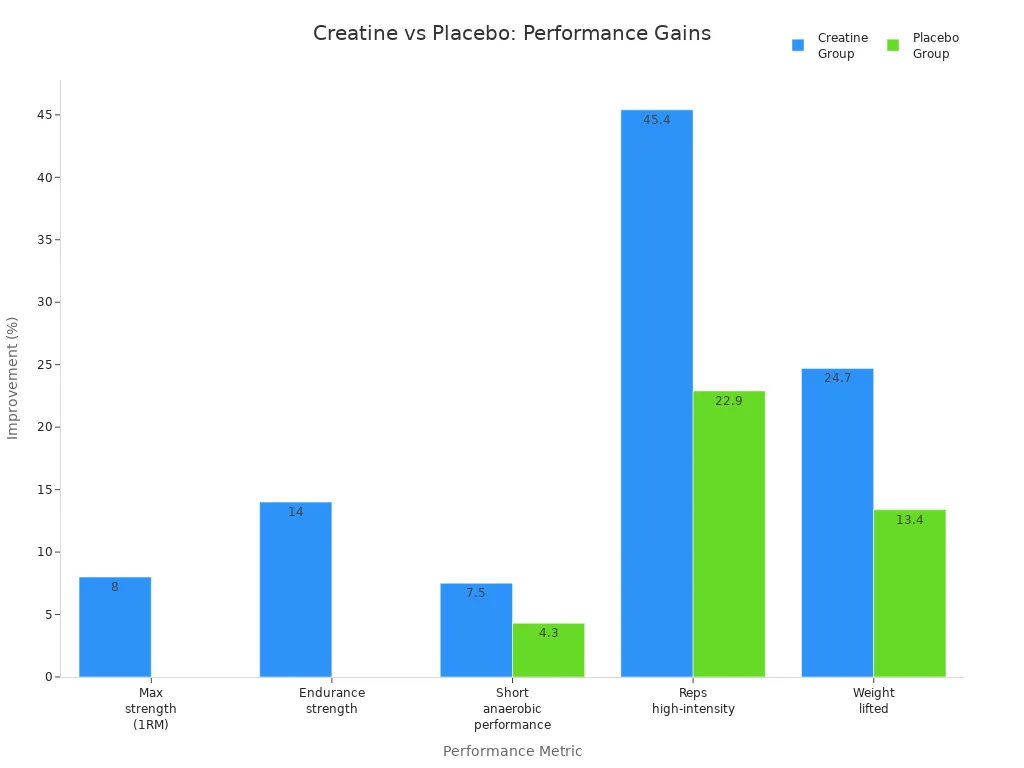
Creatine gives you more power and strength. It helps your muscles get energy back fast. This is important for short, hard activities like sprints or heavy lifting.
Best Choice
If you compare bcaa and creatine for performance, creatine is the winner. You get stronger and faster with creatine. BCAAs might help you feel less sore, but they do not make you perform better like creatine does. If you want to get better at sports or lifting, creatine is usually the best choice.
Tip: Pick creatine if you want to do better in sports or at the gym.
Recovery
BCAAs for Recovery
BCAA supplements can help your muscles feel less sore after exercise. Many studies say BCAAs help you heal faster, especially after hard workouts. One study showed people felt less sore 72 hours after tough exercise with BCAAs, but their strength did not get better. Another study found taking BCAAs before squats made muscles less tired and less sore than a placebo.
Study | Findings |
|---|---|
Jackman et al. | Less soreness 72 hours after eccentric exercise with BCAA supplementation |
2010 Study | |
Jackman et al. | 29.2 g/day BCAA decreased DOMS at 48 and 72 hours post-exercise |
BCAAs can also lower creatine kinase levels. This means your muscles heal faster after damage. A big review found BCAAs can drop creatine kinase by up to 145 U/L in 24 hours. But you might not see big changes in soreness or other things like lactate dehydrogenase.
Tip: BCAAs are best for less soreness and faster healing after long or hard workouts.
Creatine for Recovery
Creatine helps your muscles heal by lowering damage and swelling. When you use creatine, you may move better and feel less tired after exercise. Studies show people who take creatine have more strength and less swelling after working out.
Measure | Creatine Group | Placebo Group | p-value |
|---|---|---|---|
Range of Motion (24h post) | Higher | Lower | 0.017–0.047 |
Max Voluntary Contraction (0h) | Higher | Lower | 0.017–0.047 |
Upper Arm Circumference (48h) | Lower | Higher | 0.002–0.030 |
Shear Modulus (96h) | Lower | Higher | 0.003–0.021 |
Muscle Fatigue (0h) | Lower | Higher | 0.012–0.032 |
Creatine also fights swelling and helps your body heal. This means you may feel less sore after hard exercise. But if you use creatine for a long time with hard training, you might get more muscle damage later.
Note: Creatine helps you heal faster and keeps your muscles strong after tough workouts.
Best Choice
You want to know which one helps you heal best. Both BCAAs and creatine help your muscles after exercise, but they work in different ways.
BCAAs lower soreness and muscle damage signs.
Creatine helps strength, movement, and lowers swelling.
BCAAs are good for long or endurance workouts.
Creatine is better for strength and short, hard exercise.
If you want less soreness and faster healing after long workouts, BCAAs may help most. If you want more strength and fast healing, creatine is better. You can use both for even better results.
😊 Pick BCAAs for less soreness after long exercise. Choose creatine for faster healing and more strength after lifting.
Who Should Use Them
User Profiles
You might wonder if BCAA or creatine fits your needs. Different people benefit from these supplements in unique ways. Your age, gender, and fitness goals can all play a role.
Check out this table to see how BCAA levels and benefits connect to different user profiles:
User Profile | Association with BCAA Levels | Benefit from BCAA Supplementation |
|---|---|---|
Males | Higher BMI | — |
Females | Higher Waist Circumference | — |
Older Adults | Risk of Sarcopenia | Preservation of Muscle Mass |
If you are an older adult, BCAAs may help you keep your muscles strong. This can lower your risk of losing muscle as you age. Men and women with higher body weight or waist size often have higher BCAA levels. You may not need extra BCAAs if you already eat enough protein. Still, if you struggle to get enough protein, BCAA supplements can help fill the gap.
Creatine works well for many people. You get the most benefit if you do high-intensity sports or want to build muscle. Older adults can also use creatine to help keep their muscles healthy.
Special Cases
Some situations make BCAA or creatine a better choice for you. Here are some examples:
BCAAs may help if you:
Eat a vegetarian or vegan diet.
Cut calories to lose weight.
Want to recover faster after tough workouts.
Feel sore after exercise.
Be careful with BCAAs if you:
Manage diabetes.
Have neurological or psychiatric conditions.
Live with liver disease.
Creatine is a good option if you:
Do not eat much red meat or fish.
Train hard in the gym or play sports.
Want to keep your muscles strong as you age.
Watch for mild side effects with creatine like weight gain or stomach discomfort.
Tip: Always think about your health, diet, and fitness goals before choosing a supplement. If you have a medical condition, talk to your doctor first.
Using Both
Synergy
You might ask if you can use BCAAs and creatine together. Many people at the gym do this for better results. Taking both can help your muscles heal and make you stronger. Studies say using both may help you reach your fitness goals faster.
Here is what some studies found:
Study Focus | Findings |
|---|---|
Journal of the International Society of Sports Nutrition | Using BCAAs, creatine, and caffeine with HIIT made people do more exercise and gain more muscle. |
Acute hormonal and performance responses | Taking an amino acid and creatine supplement helped people do better in hard workouts. |
Using both BCAAs and creatine can help you work out harder. You may see more muscle growth and better endurance. These supplements do not do the same thing, so they work well together. BCAAs help your muscles heal and make you less sore. Creatine gives your muscles more energy for hard exercise.
Tip: If you want to get stronger and heal faster, using both can help you do better.
Timing
You should know when to take BCAAs and creatine for the best results. Timing is important because your body uses each one in a different way.
BCAAs go into your body fast. You can take them before, during, or after your workout. This helps your muscles heal and keeps you from feeling too sore.
Creatine works best if you take it every day. Most people take it after their workout to help their muscles get energy back. You can also take it before or during your workout if you want.
Creatine needs a loading phase. You take it every day for two to four weeks to build up in your muscles.
Using BCAAs and creatine together can help you build muscle and do better in sports. They work in different ways, so you get more benefits when you use both.
Note: Take BCAAs around your workout for quick healing. Take creatine every day, and after your workout is a good time.
Practical Tips
How to Choose
You need to pick the best supplement for your goals. Think about what you want most. Do you want to heal faster, get stronger, or have more energy? The table below helps you see how BCAA and creatine are different:
Criteria | BCAA | Creatine |
|---|---|---|
Chemical Composition | Essential amino acids (leucine, isoleucine, valine) | Compound from amino acids (arginine, glycine, methionine) |
Function in the Body | Muscle protein synthesis, reduces soreness | Enhances ATP for energy |
Direct Muscle Growth | Promotes muscle protein synthesis | Supports growth through better performance |
Athletic Performance | Reduces fatigue, maintains energy | Boosts strength and power |
Recovery Benefits | Reduces soreness, speeds repair | Replenishes creatine, reduces muscle damage |
Tip: Pick BCAAs if you want less soreness and faster healing. Choose creatine if you want to get stronger and build more muscle.
When to Take
You can use BCAAs before, during, or after your workout. Your blood BCAA levels go up about 30 minutes after you take them. Experts are not sure when is best, but taking them close to your workout helps. If you eat a meal 1-2 hours before exercise, your body can recover for up to 5 hours after.
Take creatine every day for the best results. Many people use it after their workout, but you can take it before or whenever it fits your day.
BCAAs: Take before, during, or after exercise for less soreness and better recovery.
Creatine: Use daily, often after workouts, to help your muscles store more creatine.
Dosage
You need the right amount to get the best results. The table below shows how much BCAA and creatine experts suggest:
Category | Women (grams/day) | Men (grams/day) |
|---|---|---|
Beginners (BCAA) | 3-5 | 5-10 |
Intermediate/Advanced (BCAA) | 12 (2-3 servings) | 15-20 (3-4 servings) |
Creatine (maintenance) | N/A | 3-5 |
Note: Most people do well with 5-10 grams of BCAAs and 3-5 grams of creatine each day. Always read the label and ask a doctor if you are not sure.
Now you know creatine is best for getting stronger and building muscle. BCAAs help your body heal and make you feel less sore. Look at this table to see when to use each supplement:
Supplement | Key Benefits | Timing Recommendations |
|---|---|---|
BCAAs | Helps fix muscles, lowers soreness | Take before, during, or after exercise |
Creatine | Makes you stronger, helps you perform better | Take before or after your workout |
Always talk to a doctor before starting any supplement. Your health and goals are the most important things.
FAQ
Can you take BCAA and creatine together?
Yes, you can take both. You get more benefits when you use them together. BCAAs help your muscles recover. Creatine helps you get stronger. Many athletes use both for better results.
Do you need BCAA if you already eat enough protein?
You do not need extra BCAAs if you eat enough protein from food. Your body gets all the amino acids it needs from a balanced diet. BCAA supplements help most if you cannot get enough protein.
Is creatine safe for teens?
Most studies show creatine is safe for healthy teens who play sports. You should talk to a doctor before starting. Drink plenty of water when you use creatine.
When should you take BCAA or creatine for best results?
Take BCAAs before, during, or after your workout. Take creatine every day, usually after exercise. This helps your muscles recover and grow stronger.
Will creatine make you gain weight?
Creatine can make you gain weight. Most of the weight comes from water in your muscles. You may also build more muscle over time.