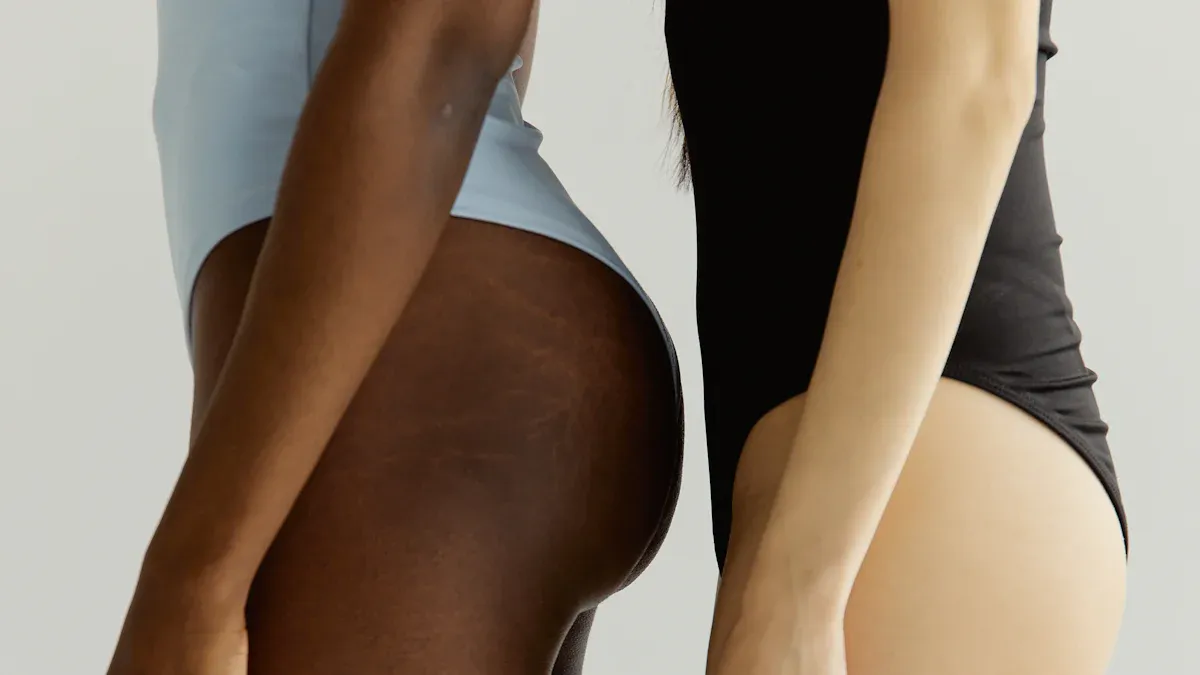
If you want a tan that looks natural in 2025, astaxanthin for tanning is the best choice. This supplement can make your skin look red, pink, or bronze. Beta-carotene can make your skin look orange, and some people think that looks strange. Astaxanthin is a strong antioxidant and helps protect your skin from UV damage. Both astaxanthin for tanning and beta-carotene are carotenoids, but they come from different places and work in different ways. You should think about what your skin needs and what kind of tan you want before you pick one.
Key Takeaways
Astaxanthin is the best pick for a tan in 2025. It gives skin a bronze or pink shine. It does not make skin look orange like beta-carotene. Both astaxanthin and beta-carotene help protect skin. Astaxanthin has stronger antioxidant power. It helps fight damage from the sun. If your skin is sensitive, use astaxanthin. It helps calm skin and keeps it healthy. Beta-carotene works faster for color. Astaxanthin gives a glow that lasts longer and is better for you. Always talk to your doctor before taking any supplement. Watch your skin for changes or side effects.
Which Is Better for Tanning?
Main Answer for 2025
If you want the best results for skin tanning in 2025, you should look at astaxanthin for tanning. Experts say it works better than beta-carotene. You get more than just a tan. You get skin that looks healthy and feels smooth. Astaxanthin for tanning gives your skin a bronze or pink glow, which looks more natural than the orange shade from beta-carotene.
Here’s why many people choose astaxanthin for tanning now:
It is a powerful antioxidant. This means it helps your skin fight off damage from the sun and pollution.
It keeps your skin looking young by stopping wrinkles and dryness.
It works faster and gives a more even color than beta-carotene.
You get extra protection from UV rays, so your skin stays safe.
Dermatologists have compared both supplements. They found that astaxanthin for tanning protects your skin better and gives you a nicer color.
Why It Matters
You want your skin to look good and stay healthy. Picking the right supplement can make a big difference. Astaxanthin and beta-carotene both help your skin, but they do it in different ways. Take a look at this table to see how they compare:
Carotenoid | Photoprotective Effects | Additional Benefits |
|---|---|---|
Astaxanthin | Strong antioxidant; fights UVA damage | Improves skin’s moisture, texture, and elasticity; protects from UVB rays and slows down aging |
Beta-Carotene | Stops redness from sun; helps with some skin problems | Good for people with sensitive skin, but you need to be careful with high doses |
You can see that astaxanthin for tanning does more for your skin. It helps your skin stay soft and smooth. It also protects you from sunburn and aging. Beta-carotene can help if you have very sensitive skin, but it does not give the same level of protection or a natural-looking tan.
Tip: If you want a tan that looks bronze and healthy, and you care about your skin’s health, astaxanthin for tanning is the top choice in 2025.
How They Work for Skin Color

Astaxanthin for Tanning: Skin Effects
You might wonder how astaxanthin for tanning changes your skin color. Astaxanthin comes from marine sources like microalgae and seafood. When you take it, you don’t get a classic tan. Instead, your skin can look bronze, pink, or even a little red. This happens because astaxanthin acts as a strong antioxidant. It protects your skin cells from damage caused by sunlight and pollution.
Here’s a quick look at what astaxanthin does inside your skin:
Mechanism | Description |
|---|---|
Antioxidant Properties | Neutralizes harmful molecules from UV rays, keeping your skin healthy. |
Inflammatory Modulation | Lowers inflammation, so your skin feels calm and looks smooth. |
Cellular Protection | Shields your skin cells from light damage, but does not block UV like SPF. |
Astaxanthin does not boost melanin, the pigment that gives you a brown tan. Some forms of astaxanthin can even slow down melanin production. So, you get a glow that looks more like a healthy blush than a deep tan.
Note: If you want a tan without the risk of orange skin, astaxanthin for tanning gives you a softer, more natural look.
Beta-carotene: Pigmentation Mechanism
Beta-carotene works in a different way. You find it in carrots, sweet potatoes, and leafy greens. When you eat foods or take supplements with beta-carotene, it builds up in your skin. This gives your skin a yellow or orange tint. The more you take, the stronger the color gets.
Beta-carotene helps your skin by fighting off free radicals from the sun. It can also make your skin look healthier and protect it from redness after sun exposure. Unlike astaxanthin, beta-carotene can make your skin look more golden or orange, which some people like for a classic tan.
Beta-carotene does not create a tan by making more melanin. It simply adds color by sitting in your skin. This means you get a different kind of glow—one that depends on how much beta-carotene you eat.
Tip: If you want a golden or orange tint, beta-carotene is a good choice. If you want a pink or bronze glow, astaxanthin for tanning is better.
Tanning Effectiveness

Visible Results & Speed
You probably want to know how fast you can see a change in your skin. Both astaxanthin and beta-carotene take time to work. You will not see results overnight. Here’s a quick look at how long each one takes:
Compound | How It Works | How Long Until You See Results |
|---|---|---|
Astaxanthin | Protects your skin and helps it hold moisture | 4–12 weeks for glow and smoothness; 8–12+ weeks for deeper changes |
Adds color to your skin by building up in fat and skin | Several weeks for a light tan |
You might notice your skin feels softer and looks more hydrated first. The color comes in slowly. Astaxanthin for tanning usually takes about two months for the best results. Beta-carotene can show a light tint in a few weeks, but the color is not as deep.
Hue & Tone Differences
The color you get from each supplement is not the same. Astaxanthin gives your skin a warm, gentle glow. Your skin might look pink, bronze, or just a little red. This color looks soft and blends in with your natural skin tone. Beta-carotene gives a stronger color. Your skin can turn yellow or orange, especially if you take a lot. Some people like this golden look, but others think it looks fake.
Tip: If you want a subtle, natural tan, astaxanthin is a better pick. If you want a bold, golden color, beta-carotene might work for you.
Duration of Effects
You may wonder how long your tan will last. Here’s what you can expect:
Astaxanthin works slowly. You see changes after 4–8 weeks if you use it every day.
The color and smoothness last as long as you keep taking it.
Beta-carotene can fade faster if you stop using it. The orange tint goes away in a few weeks.
You get the best results when you use these supplements regularly. If you stop, your skin will slowly return to its normal color.
Safety & Side Effects
Astaxanthin: Risks & Benefits
Astaxanthin for tanning seems great, but it can have side effects. Most people do not have problems, but some do. You could get a stomachache, feel bloated, or have gas. Some people get diarrhea. Your poop might look red. You could get itchy skin, a rash, or hives. Rarely, it can make it hard to breathe. Sometimes your skin turns bronze, orange, or purple if you take a lot. Astaxanthin is a very strong antioxidant. It is much stronger than beta-carotene. It helps your skin fight sun damage and keeps it young. You get a nice glow, but watch for any strange changes.
If you get an allergic reaction, stop taking it and call your doctor.
Beta-carotene: Risks & Benefits
Beta-carotene can make your skin look golden or orange, but it has risks. You might feel sick to your stomach or get cramps. Some people get diarrhea. Your hands, feet, or poop can turn orange. You might get itchy skin or welts. Tanning pills with canthaxanthin can hurt your eyes. Taking too much can hurt your liver. Very rarely, you can get a blood problem called aplastic anemia.
Side Effect | What You Might Notice |
|---|---|
Nausea | Your stomach feels upset |
Cramps | Your belly hurts |
Diarrhea | You have loose poop |
Discoloration | Your skin or poop turns orange |
Eye damage | Your vision changes (with canthaxanthin) |
Liver problems | You feel tired or sick |
Severe itching | Your skin gets red and itchy |
Aplastic anemia | You feel weak or tired (very rare) |
If you take too much beta-carotene, it can build up in your body. Your skin can turn orange, especially if your skin is light.
Who Should Avoid Each
Some people should not use these supplements. Do not use astaxanthin or beta-carotene if you smoke, because beta-carotene can raise your risk of lung cancer. Do not use them if you are pregnant or breastfeeding. If you have had allergies to carotenoids, do not use them. If your skin is fair, you may see color changes more. Always talk to your doctor before you start something new.
Everyone’s skin is different. Start with a small amount and watch for changes.
Quick Comparison Table
It can be hard to remember all the facts about astaxanthin and beta-carotene. Don’t worry! This table shows the main differences in a simple way:
Feature | Astaxanthin for Tanning | Beta-carotene for Tanning |
|---|---|---|
Color Result | Bronze, pink, or red glow | Orange or golden tint |
How Fast You See Results | 4–12 weeks for best effect | Several weeks for light color |
Natural Look | More natural, blends well | Can look fake if overused |
Super strong | Strong, but less than astaxanthin | |
Protection from Sun Damage | High | Moderate |
Skin Health Benefits | Smooths, hydrates, fights aging | Helps sensitive skin, fights redness |
Side Effects | Rare: stomach upset, rash, odd skin color | Rare: stomach upset, orange skin, itching |
Who Should Avoid | Smokers, pregnant, allergies | Smokers, pregnant, allergies |
How It Works | Protects cells, does not boost melanin | Builds up in skin, does not boost melanin |
Free Radical Trapping | 54 times more effective than beta-carotene | — |
Singlet Oxygen Effectiveness | 5 times more effective than beta-carotene | — |
💡 Tip: Astaxanthin gives you a tan that looks bronze and real. Beta-carotene gives you a golden or orange look. Pick the one you like best.
Use this table to help you choose what works for you. Think about your skin type and what you want. Start with a small amount and watch your skin for changes.
Recommendations by Skin Type & Goals
Fast Results
If you want to see a change in your skin color quickly, beta-carotene might be your best bet. You can notice a golden or orange tint in just a few weeks. Astaxanthin takes a little longer, but the color looks more natural and blends with your skin. If you need a tan for a special event soon, try beta-carotene. If you want a softer, more even glow, go with astaxanthin and give it some time.
Tip: Start with a low dose and watch how your skin reacts. Everyone’s skin is different!
Sensitive Skin
Do you have sensitive skin that gets red or itchy easily? Astaxanthin is a gentle choice. It helps calm your skin and keeps it balanced. You get extra protection from redness and irritation.
Astaxanthin has anti-inflammatory properties that soothe your skin.
It lowers oxidative stress, so your skin feels calm.
This supplement works well for sensitive skin because it is rich in antioxidants.
You can feel confident using astaxanthin if your skin needs a little extra care.
Long-lasting Tan
Looking for a tan that sticks around? Astaxanthin gives you a glow that lasts as long as you keep taking it. Beta-carotene fades faster once you stop. If you want a tan that stays, try using products with DHA and erythrulose. These ingredients work together to make your tan last longer and look better on all skin types. Astaxanthin also helps your skin hold onto its color, so you don’t have to worry about fading too soon.
Overall Skin Health
Want more than just a tan? Astaxanthin does a lot for your skin. Check out what it can do:
Benefit | How Astaxanthin Helps |
|---|---|
Skin feels soft and hydrated | |
Reduces water loss | Keeps skin from drying out |
Strengthens moisture barrier | Protects your skin every day |
Improves glow and suppleness | Skin looks bright and smooth |
Reduces dark spots | Fades hyperpigmentation |
Heals skin faster | Helps with cuts and scrapes |
Calms irritation | Soothes sensitive skin |
Balances metabolism | Supports healthy skin function |
Astaxanthin keeps your skin hydrated and glowing.
It helps fade dark spots and speeds up healing.
You get calm, happy skin that looks and feels great.
😊 Choose the supplement that matches your skin type and goals. Your perfect tan is just a few steps away!
You have great options for tanning in 2025. Astaxanthin gives you a natural bronze glow and strong antioxidant power. Beta-carotene works well too, but it can turn your skin orange if you take too much. Both help your skin handle the sun and slow down aging.
Think about your skin type and the color you want.
Always talk to your doctor before starting any supplement.
Stay safe and enjoy a healthy, natural-looking tan! 🌞
FAQ
Can you use astaxanthin and beta-carotene together?
You can use both, but start slow. Watch your skin for changes. Some people get a stronger color or more side effects. Always ask your doctor before mixing supplements.
Will these supplements replace sunscreen?
No, they do not replace sunscreen. You still need to use SPF to protect your skin from sunburn and damage. These supplements help your skin, but they do not block UV rays.
How long does it take to see results?
You might see a light glow in a few weeks. Astaxanthin usually takes 4–12 weeks for the best effect. Beta-carotene can show color sooner, but it may look orange.
Are the colors permanent?
No, the colors fade if you stop taking the supplements. Your skin will slowly return to its normal shade. Keep using the supplement if you want to keep the glow.