If you’re comparing allulose vs monk fruit as healthier sweeteners, monk fruit is a great option because it has zero calories and is gentle on blood sugar. Allulose vs monk fruit also shows that allulose helps with blood sugar and contains very few calories.
Allulose has about 0.4 calories per gram.
Monk fruit sweetener has no calories.
Sweetener | Effect on Blood Sugar |
|---|---|
Allulose | Lowers blood sugar after meals in healthy adults |
Monk Fruit | Does not make blood sugar go up |
When you consider allulose vs monk fruit, both are safe and healthier than sugar. However, allulose vs monk fruit reveals they differ in calorie content and their effects on blood sugar.
Key Takeaways
Monk fruit has no calories. It does not change blood sugar. This makes it good for people who want a natural sweetener with health perks.
Allulose has very few calories. It can help lower blood sugar after eating. This makes it helpful for people with diabetes. It can also help your body use energy better.
Both sweeteners are safe for most people. But you should not eat too much. Eating a lot, especially allulose, may upset your stomach.
Allulose is not as sweet as sugar. It works well when baking. Monk fruit is much sweeter than sugar. It might leave a small aftertaste.
Pick monk fruit if you want antioxidants and no calories. Pick allulose if you want to control blood sugar and have a taste like sugar.
Allulose vs Monk Fruit Overview
Key Differences
Allulose and monk fruit are not the same. Monk fruit sweetener has no calories or net carbs. Its sweetness comes from mogrosides. Mogrosides can help fight damage in your body and lower swelling. Allulose is found in fruit. It looks like fructose, but your body does not use it for energy. This means allulose has almost no calories.
Both sweeteners have a glycemic index of zero. You can use them without making your blood sugar go up. Allulose might help lower glucagon and slow down how fast your stomach empties. This helps keep blood sugar steady. Monk fruit might help your gut by acting like a prebiotic.
Here is a table to show how they are different:
Feature | Allulose | Monk Fruit |
|---|---|---|
Calories (per gram) | ~0.4 | 0 |
Net Carbs | 0 | |
Sweetness vs Sucrose | Less sweet | Comparable |
Blood Sugar Impact | No increase | No increase |
Safety | Generally recognized as safe | Generally recognized as safe |
Quick Facts
Monk fruit has mogrosides. These can help protect your body and lower swelling.
Allulose might help your body by changing GLP-1 and keeping blood sugar steady.
Both sweeteners have very few carbs. They work well for low-carb diets.
Monk fruit might help your gut stay healthy.
Allulose and monk fruit do not make blood sugar go up. People with diabetes can use them.
Tip: If you want a sweetener with no calories and extra health benefits, monk fruit is a good pick. If you want help with blood sugar, allulose has special benefits.
Health Benefits
Allulose Benefits
Allulose gives your body special benefits. You can use allulose to help control blood sugar. It also helps your metabolism work better. Studies show allulose makes insulin resistance better. It helps your body use sugar and fat the right way. Allulose can lower blood sugar after you eat. This helps keep your blood sugar steady.
More studies show other good things. Allulose helps your body handle sugar better. It protects cells in your pancreas. You may see less insulin in your blood. This helps your body use insulin better. You can eat a lot of allulose without stomach problems. Allulose does not hurt your gut or cause bad bacteria.
Application | Benefits |
|---|---|
Sugar Substitute | Low-calorie sweetener with minimal stomach issues |
Physiological Functions | Makes insulin resistance better and helps use sugar and fat |
Allulose is a sweetener that does not raise blood sugar. It may help you manage your weight. Allulose can help stop weight gain. You can eat sweet foods without extra calories.
Note: If you want to control blood sugar and help your metabolism, allulose is a good choice. Research supports these benefits.
Monk Fruit Benefits
Monk fruit is different because it has no calories. It also gives extra health benefits. Monk fruit does not change your blood sugar. Studies show monk fruit helps your body handle sugar. It helps your body use insulin better. You may see lower sugar and insulin levels than with regular sugar.
Monk fruit helps lower swelling in your body. Studies show monk fruit lowers things that cause swelling. Monk fruit has mogrosides. Mogrosides are antioxidants. They help fight damage in your body and protect your cells.
Study | Findings | Health Benefits |
|---|---|---|
Tey et al. (2017) | Less sugar and insulin in the blood | Better sugar and insulin response |
Epstein et al. (2024) | Better sugar control and insulin use | Helps with diabetes and sugar control |
Wu et al. (2024) | Less swelling in the body | Less inflammation and better health |
Monk fruit also helps fight damage from free radicals. Mogrosides protect your body from stress. Monk fruit may help lower throat pain. It can help protect your body from harm.
Tip: If you want a sweetener with no calories and extra protection, monk fruit is a smart pick.
Allulose and monk fruit both help your health. You can pick allulose for blood sugar and metabolism. You can pick monk fruit for no calories and antioxidants. Both sweeteners are good for you.
Blood Sugar Control

Allulose and Blood Sugar
You may ask how allulose helps with blood sugar. Allulose does not make blood sugar go up. It has a zero glycemic impact. When you eat allulose, your blood sugar stays steady. This sweetener is good for people who want to keep blood sugar low. Studies show allulose helps people with type 2 diabetes. It lowers blood sugar after meals. It helps control blood sugar better.
Here is a table that shows what scientists found about allulose and blood sugar:
Evidence Type | Findings |
|---|---|
Postprandial Glucose Reduction | Allulose lowers blood sugar after eating in people with diabetes. |
Time Above Range (TAR) | Allulose helps keep blood sugar in a healthy range. |
Insulin Sensitivity | Allulose may help your body use insulin better. |
Area Under Curve (AUC) | Allulose lowers blood sugar over time after meals. |
Pancreatic Function | Allulose lowers blood sugar without making more insulin. |
Allulose does not need extra insulin to work. It is a good choice for people who want to keep blood sugar steady.
Monk Fruit and Blood Sugar
Monk fruit also helps control blood sugar. When you use monk fruit, your blood sugar does not go up. This sweetener works for healthy people and people with diabetes. Monk fruit has a low impact on blood sugar. You can eat sweet foods without worry.
Monk fruit sweetener lowers blood sugar after eating in healthy people and people with diabetes.
The glucose test with monk fruit shows blood sugar stays flat.
You do not feel hungrier after eating monk fruit.
Allulose and monk fruit work in a similar way. They do not make blood sugar spike. Both are safe for people who need to watch their blood sugar. You can trust both sweeteners to help control blood sugar.
Risks and Side Effects
Allulose Risks
You may wonder about the risks of using allulose. Most people find allulose safe, even if you have diabetes. The FDA says allulose is safe at intakes up to 0.5–0.6 grams per kilogram of body weight each day. You can see how agencies view allulose in the table below:
Agency | Conclusion |
|---|---|
FDA | Safe at intakes up to 0.5–0.6 g/kg body weight per day |
EFSA | Could not establish safety due to gaps in toxicological data |
You should know that some people feel mild stomach discomfort if they eat too much allulose. You may notice gas or bloating, but these effects are rare. Most diabetics can use allulose without problems. Allulose does not raise blood sugar, so it is safe for diabetics. You should always check how your body reacts before using large amounts.
Note: Allulose is not allowed as a sweetening agent in foods in some countries. You can use it in natural health products, but not in regular foods.
Monk Fruit Risks
Monk fruit sweetener is safe for most people. You do not need to worry about direct health risks. Research shows monk fruit does not cause harmful effects. Diabetics can use monk fruit because it does not raise blood sugar. You may want to know about long-term risks. Some studies say that using natural sweeteners like monk fruit for a long time may lead to changes in mood, such as anxiety, depression, or stress.
You can see how regulators view monk fruit and allulose in the table below:
Sweetener | Allowed as Food | Allowed as NHP | Notes |
|---|---|---|---|
Monk Fruit Extract | No | Yes | Allowed as a table-top sweetener but not as a sweetening agent in foods. |
Allulose | No | Yes | Not permitted in foods as a sweetening agent or table-top sweetener. |
Monk fruit extract can be used as a table-top sweetener in Canada, but not in foods.
Allulose is not allowed in foods, but you can use it in natural health products.
You should always use sweeteners in moderation. Both allulose and monk fruit are safe for diabetics and most people. You can lower your risks by following serving guidelines and watching for any side effects.
Taste and Uses
Baking and Cooking
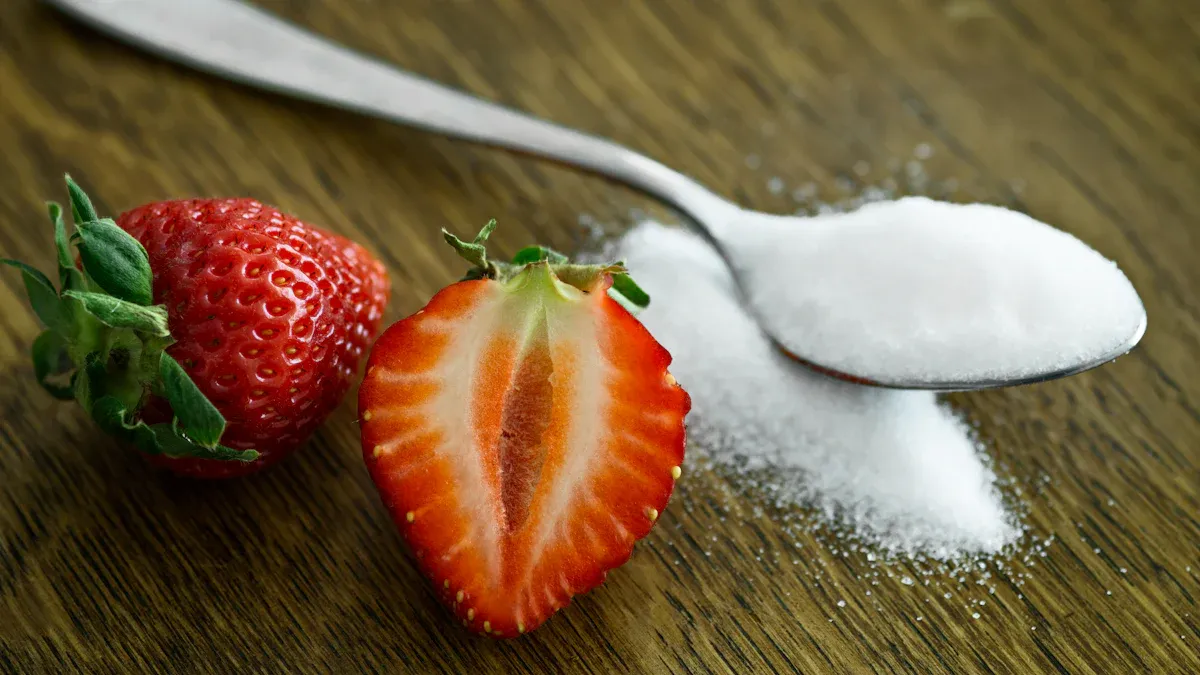
When you bake or cook, you want a sweetener that works in recipes. Allulose and monk fruit are both good choices as sugar substitutes. Allulose tastes almost the same as regular sugar. You can use it in cookies, cakes, and sauces without changing the taste. Monk fruit is much sweeter than sugar. It can sometimes taste a little bitter. You might also taste some fruit flavor in your baked goods when you use monk fruit.
Here is a table that shows how their tastes compare:
Sweetener | Sweetness Level (compared to sugar) | Taste Profile |
|---|---|---|
Monk Fruit | Very sweet with some fruit flavor and a bitter aftertaste | |
Allulose | 70% as sweet as sugar | Tastes like regular sugar |
Allulose does not break down when you bake at high heat. Monk fruit sweetener also stays good when you cook or bake. You can use both as natural sweeteners in recipes that need a sugar swap. If you want no calories, monk fruit is a smart pick. Allulose is low in calories and helps you eat fewer calories in your favorite treats.
Tip: Use less monk fruit than sugar at first. You can add more if you want it sweeter.
Beverages and Cold Foods
You can use allulose and monk fruit in drinks and cold foods. Allulose mixes well in hot and cold water. You can stir it into coffee, tea, smoothies, or yogurt. Monk fruit sweetener works in cold drinks and keeps its sweetness in hot drinks too.
Here is a table that shows how each sweetener works in drinks:
Sweetener | Stability in Hot Beverages | Stability in Cold Beverages |
|---|---|---|
Allulose | Mixes easily | |
Monk Fruit | Stays sweet in heat | Good for cold drinks |
Allulose is a good sweetener for iced tea, lemonade, or shakes.
Monk fruit sweetener is safe and works in both hot and cold drinks.
You can use both sweeteners in frozen desserts like ice cream or popsicles.
If you want a sweetener with no calories for your drinks, monk fruit is a great choice. Allulose has few carbs, which helps you watch your health and weight.
Diet Suitability
You may need a healthier sugar swap for your diet. Allulose and monk fruit work for many popular diets. Allulose fits low-carb and keto diets. Some experts call allulose a “dream sugar” because it helps slow down carb absorption. Monk fruit is a natural sweetener with no calories. It is good for people who want zero calories in their diet.
Allulose is a good sweetener for low-carb, keto, and weight loss diets.
Monk fruit is calorie-free and fits vegan, paleo, and diabetic diets.
Both sweeteners help you avoid extra calories and sugar.
You can pick allulose or monk fruit if you want a healthier sugar swap. Both are safe to use and help you reach your health goals.
Which Sweetener Is Better
Diabetes and Weight Loss
If you want to control diabetes or lose weight, you need a sweetener that does not make blood sugar go up. You also want one that helps you eat fewer calories. Both allulose and monk fruit are good for people with diabetes. You can use either sweetener and not worry about blood sugar spikes. Monk fruit has zero calories. You can make food sweet without adding energy. Allulose has very few calories. It helps keep your blood sugar steady.
You may wonder which sweetener helps more with weight loss. Studies show allulose can help lower body fat and BMI. In one study, adults who were overweight took high doses of allulose. They lost more body fat and belly fat. Low doses helped a little, but high doses worked best. Monk fruit does not have studies that show it helps lose fat. But it helps you avoid extra calories.
Weight Loss Benefits of Allulose:
Reduces body fat percentage
Lowers abdominal fat
Decreases BMI
Works best at higher doses
If you want to lose weight and control diabetes, you can pick monk fruit for zero calories. You can pick allulose for extra help with fat loss. Both sweeteners work for low-carb and keto diets. You can use them in recipes and drinks instead of sugar.
Tip: If you want to lose more body fat, allulose may help you more. If you want zero calories and a natural sweetener, monk fruit is a smart choice.
Digestive Sensitivity
You may have a sensitive stomach and want to know how these sweeteners affect digestion. Some people feel mild stomach problems when they use allulose or monk fruit. You might notice bloating, gas, or diarrhea if you eat too much. Both sweeteners can cause stomach pain or discomfort in some people.
Possible Digestive Side Effects:
Bloating
Abdominal pain
Diarrhea
Flatulence
Nausea
Reduced appetite
Abdominal distention
You can see how allulose and monk fruit compare for gut health in the table below:
Sweetener | Gastrointestinal Effects |
|---|---|
Allulose | Does not disrupt gut microbial diversity, pathogen levels, or SCFA production; minimal impact on microbiome compared to sucralose. |
Monk Fruit | Promising effects in mice by boosting beneficial bacteria like Akkermansia, but requires more human research. |
If you have a sensitive stomach, start with small amounts of either sweetener. Studies show allulose does not hurt gut health. Monk fruit may help good bacteria grow, but scientists need more research in humans.
You may ask which sweetener is better for you. If you want to lose weight and control diabetes, allulose gives extra benefits. If you want zero calories and a sweetener that may help your gut, monk fruit is a good choice. You can try both and see which one works best for your body.
Comparison of Allulose vs Monk Fruit
Summary Table
You might wonder how allulose and monk fruit compare. The table below shows their main features in a simple way:
Allulose | Monk Fruit Sweeteners | |
|---|---|---|
Calories per gram | 0.4 | 0 |
Net Carbs per teaspoon | 0.2 | 0 |
Glycemic Impact | None | None |
Antioxidants | None | Present |
Sweetness Level | 70% as sweet as sugar | 200-300x sweeter than sugar |
Blood Sugar Effect | No increase | No increase |
Safety Status | GRAS | GRAS |
Baking Use | Sugar-like texture | Intense sweetness |
Gut Health | Supports gut health | May boost good bacteria |
Tip: Monk fruit sweeteners have no calories and give you antioxidants. Allulose acts like sugar and helps keep blood sugar steady.
Final Thoughts
When you compare allulose and monk fruit, both help you avoid sugar spikes. Allulose does not make blood sugar or insulin go up. Monk fruit sweeteners get their sweetness from mogrosides. Mogrosides also mean monk fruit has a glycemic index of zero. You can pick monk fruit sweeteners if you want something natural with antioxidants and no calories. Allulose is good for baking and helps your liver stay healthy.
Monk fruit sweeteners taste much sweeter than sugar. Some people notice a bitter taste after eating them. Allulose tastes more like regular sugar, so you might like it better in recipes. Both sweeteners are safe for most people. Start with small amounts if your stomach is sensitive. Eating too much allulose may cause mild stomach problems. Monk fruit sweeteners rarely cause issues, but some brands add extra sugars.
If you want to choose between monk fruit and allulose, think about your health goals. Monk fruit sweeteners work for low-calorie diets and give you antioxidants. Allulose helps with blood sugar and fat metabolism. You can use both sweeteners in drinks, desserts, and baked foods. Monk fruit sweeteners are good for diabetics and anyone who wants fewer calories.
Note: Always check the label when you buy monk fruit sweeteners. Some brands mix in other sugars. Pure monk fruit sweeteners give you the best health benefits.
Comparing allulose and monk fruit gives you two good choices. Pick monk fruit sweeteners for zero calories and antioxidants. Choose allulose for a sugar-like taste and help with blood sugar. Both let you enjoy sweet foods and protect your health.
You can pick allulose or monk fruit to help your health. Experts say both sweeteners are safe to use instead of sugar. If you want fewer calories, allulose is a good choice. It has almost no calories and does not make blood sugar go up. Monk fruit also keeps blood sugar steady. You should watch for stomach problems with allulose if you eat a lot.
Allulose has very few calories.
It does not make blood sugar or insulin go up.
Monk fruit is safe and has no calories.
Safety Consideration | Allulose | Monk Fruit Sweeteners |
|---|---|---|
FDA Approval | Approved by the FDA as GRAS, but not fully tested. | Not specified |
Digestive Issues | May cause stomach pain, gas, or bloating if you eat too much. | Not specified |
Potential Serious Concerns | Might be linked to heart risks like sugar alcohols. | Not specified |
General Recommendation | Be careful until more research is done. | Not specified |
Tip: Try using both sweeteners in your meals. This can help you eat less sugar and still enjoy sweet foods.
FAQ
Can you use allulose and monk fruit on a keto diet?
Yes, you can use both sweeteners on a keto diet. Allulose has almost no carbs. Monk fruit has zero carbs. Both help you keep your carb count low.
Does monk fruit taste different from sugar?
Monk fruit tastes much sweeter than sugar. You may notice a slight fruity or bitter aftertaste. Some people prefer allulose because it tastes more like regular sugar.
Will allulose or monk fruit cause stomach problems?
Most people do not have issues with monk fruit. Allulose may cause mild bloating or gas if you eat too much. Start with small amounts to see how your body reacts.
Are allulose and monk fruit safe for children?
You can give both sweeteners to children. Experts say they are safe when used in moderation. Always check with your doctor if your child has health concerns.
Can you bake with allulose and monk fruit?
You can bake with both sweeteners. Allulose gives a sugar-like texture. Monk fruit is very sweet, so you need less. Try different amounts to get the taste you want.