You may ask if sodium propionate is safe for you. Health experts say sodium propionate is a food preservative. The FDA says it is generally safe in foods. You can check how the FDA and EFSA see its safety in the table below:
Authority | GRAS Status | Notes |
|---|---|---|
FDA | Yes | Safe to use as an antimicrobial agent in food. |
EFSA | N/A | No clear GRAS status is listed. |
Most people can eat foods with sodium propionate safely. Some people might get side effects or allergies.
Key Takeaways
The FDA says sodium propionate is safe when used right in food. It helps keep food fresh and stops it from going bad.
Most people can eat sodium propionate safely. Some people may get allergies or stomach problems. Always look at food labels.
Sodium propionate is in baked goods, cheeses, and processed meats. It helps keep these foods safe and tasty. It does not change how they taste.
Eating sodium propionate in small amounts may help your body use glucose. It can also help you feel full. Eating too much can cause health problems.
If you have allergies or are sensitive, talk to a doctor. Read food labels carefully to avoid bad reactions.
Is Sodium Propionate Safe?
Regulatory Recognition
You might wonder what health groups think about sodium propionate safe in food. The FDA says sodium propionate is safe if used the right way. Food makers must only use enough to keep food fresh. The FDA calls sodium propionate “Generally Recognized as Safe” (GRAS) as a food preservative. This means experts checked it and tested it.
The European Food Safety Authority (EFSA) also lets food makers use sodium propionate. EFSA sets a top limit for some foods. For example:
Some foods can have up to 5,000 mg/kg of sodium propionate.
You can see how sodium propionate compares to other preservatives in this table:
Evidence Description | Source |
|---|---|
Sodium propionate is approved as safe by the FDA and EFSA. | |
It is recognized as generally safe (GRAS) for use in food without limitations. | |
Safety evaluations in 2014 and 2016 found no concerns for its use in meat products. |
You can feel sure that the FDA and EFSA both say sodium propionate is safe if you follow the rules.
Safety in Food Use
Most people can eat foods with sodium propionate safe. If you eat foods that follow the rules, you should be fine. But some people may have problems if they eat too much or are sensitive.
Note: Just because sodium propionate is safe does not mean it is safe for everyone. Some people may get side effects, especially if they eat a lot.
Here are some side effects you might notice if you are sensitive or eat too much:
Allergic Reactions: You could get hives, a rash, itching, or trouble breathing.
Gastrointestinal Issues: You might feel bloated, have gas, or get indigestion.
Neurological Symptoms: Some people get headaches, migraines, or trouble sleeping.
Metabolic Changes: Some studies show changes in glucose and insulin levels.
Sodium Overload: Eating too much can raise blood pressure or affect your heart.
Most people do not get these problems if they eat the right amount of sodium propionate. Always check food labels if you know you are sensitive. If you feel sick after eating foods with this preservative, talk to your doctor.
Sodium Propionate in Foods
Common Uses
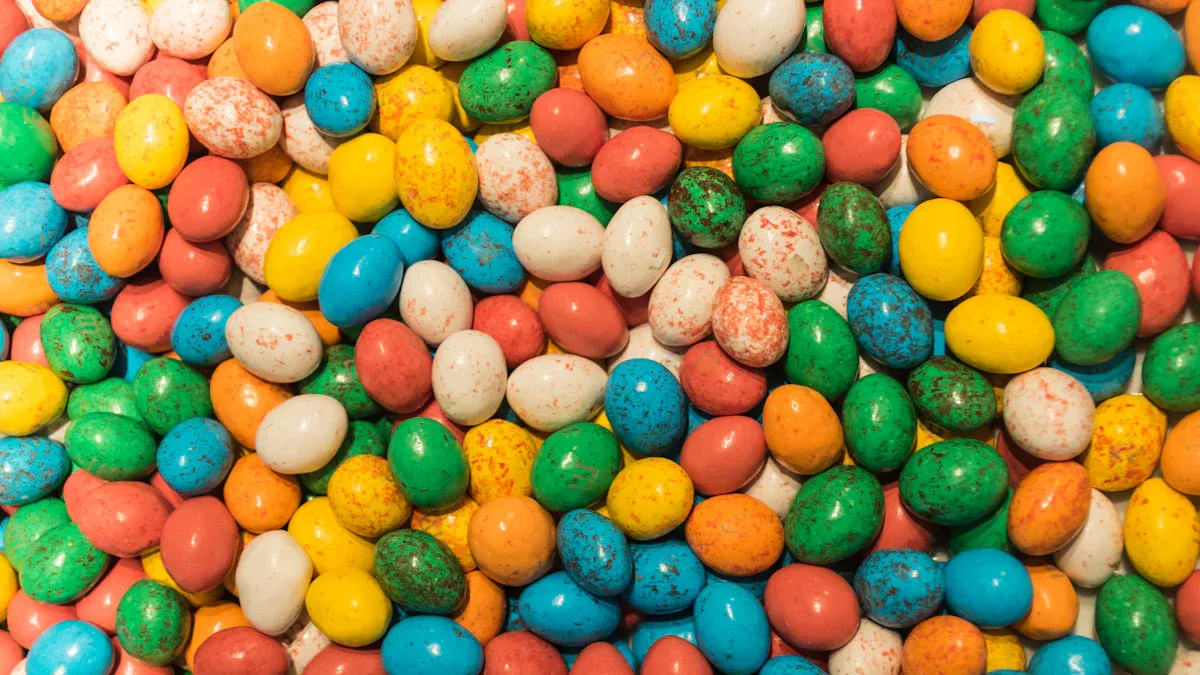
Sodium propionate helps food stay fresh longer. Food makers use it to stop mold and bacteria. This keeps food safe and tasty. You find it in baked goods, cheese, and meats. It works best in foods with lots of moisture, like bread and cakes.
Here are ways sodium propionate helps in making food:
Makes bakery items, cheese, and meats last longer.
Keeps food from spoiling but does not change taste.
Helps food stay good by stopping mold.
You can trust sodium propionate safe practices keep food fresh. Food companies use this preservative because it does not change flavor. It also helps you waste less food by keeping it good longer.
Tip: To see if food has sodium propionate, look at the ingredient list. It might say “sodium propionate” or “E281.”
Food Products
You probably eat foods with sodium propionate often. This preservative is in many foods you know. Here are some examples:
Baked goods like bread, cakes, and tortillas
Cheeses
Drinks without alcohol
Candy and frosting
Gelatins, puddings, and fillings
Jams and jellies
Meat products like sausages and canned hams
Soft candy
The table below shows where sodium propionate is used most and why:
Food Category | Description |
|---|---|
Bakery Products | Used in bread, cakes, pastries, and tortillas to stop mold because they have lots of moisture. |
Dairy Products | Keeps cheese and milk products safe by stopping germs. |
Processed Meats | Used in sausages and canned hams to make them last longer and stay safe. |
You see sodium propionate in many foods because it works well. If you want to eat less, read food labels and pick what is best for you.
Side Effects and Risks

Intestinal Effects
You might wonder what sodium propionate does to your gut. Studies say sodium propionate helps control bacteria in your intestines. This helps your gut stay healthy and keeps the barrier strong. A strong barrier keeps bad germs out. It also lowers your chance of getting sick or having swelling. If you eat a lot of high-fat foods with sodium propionate, your gut may change. Animal studies show sodium propionate can lower fat by changing how much you eat and by changing gut bacteria. These changes can help your gut, but too much can upset the balance.
Note: Eating lots of sodium propionate with fatty foods can change your gut bacteria. Try to eat a balanced diet and not too many processed foods.
Allergic Reactions
Some people have stronger reactions to sodium propionate. You might feel itchy, get hives, or have trouble breathing if you are sensitive. Kids and toddlers often eat more foods with preservatives. The table below shows which age groups get the most sodium propionate from food:
Age Group | Mean Exposure (mg/kg) | High Level Exposure (mg/kg) |
|---|---|---|
Toddlers (12–35 months) | 0.61–22.99 | 3.18–39.26 |
Children (3–9 years) | 1.34–23.52 | 4.03–43.53 |
Adolescents (10–17 years) | 6.51–12.33 | 12.31–22.07 |
Adults (18–64 years) | 0.11–8.07 | 0.74–15.42 |
The elderly (≥ 65 years) | 0.08–7.47 | 0.66–13.60 |
If you or your child have allergies, look for sodium propionate on food labels. Talk to your doctor if you feel sick after eating foods with this preservative.
Health Benefits
Sodium propionate does more than keep food fresh. It can help your body use glucose better. Studies show sodium propionate helps your brain use energy. Some research says it can help your brain, especially with certain diets. The table below shows these findings:
Finding | Description |
|---|---|
Increased glucose uptake | Glucose use in the brain goes up with sodium propionate. |
Anaplerotic role | Propionate gives the brain extra energy. |
Neurological improvement | Using propionate with a ketogenic diet helps the brain. |
You might feel less hungry after eating foods with sodium propionate. Scientists found it can make animals eat less. The table below lists studies that show this effect:
Study Reference | Findings |
|---|---|
Baile and McLaughlin, 1970 | |
Farningham and Whyte, 1993 | Appetite goes down with propionate. |
Oba and Allen, 2003 | Propionate helps you feel full. |
Tip: Sodium propionate may help you feel full and use glucose better, but eating too much can cause insulin resistance. Eat foods with sodium propionate in safe amounts and keep your diet balanced.
You can trust that big health groups say sodium propionate is safe if you use it the right way. The FDA and EFSA do not see any safety problems when you follow the rules.
Authority | Conclusion |
|---|---|
FDA | Safe to eat with no set daily limit. |
EFSA | No worries about causing cancer or gene problems; safe at allowed amounts. |
Look at food labels for sodium propionate if you are sensitive. If you feel sick, ask your doctor for help. You can learn more from places like the FDA Food Ingredients and Packaging or the WHO Food Additive Series.
FAQ
Can you eat sodium propionate every day?
You can eat sodium propionate every day if you follow food safety rules. Most foods only have small amounts. You should check labels if you have allergies or feel sick after eating foods with this preservative.
Does sodium propionate cause cancer?
You do not need to worry about cancer from sodium propionate. The FDA and EFSA say it does not cause cancer or gene problems when you eat it in allowed amounts.
What foods have the most sodium propionate?
You find the most sodium propionate in bread, cakes, tortillas, and some cheeses. Processed meats like sausages and canned hams also have it. Always check the ingredient list for “sodium propionate” or “E281”.
Can children eat foods with sodium propionate?
Children can eat foods with sodium propionate. Health groups say it is safe in normal amounts. If your child has allergies or stomach problems, talk to your doctor before giving them foods with this preservative.
How do you know if you are sensitive to sodium propionate?
You might feel itchy, get hives, or have stomach pain after eating foods with sodium propionate. If you notice these signs, stop eating those foods and ask your doctor for advice.